This page contains affiliate links. If you purchase through them we may earn a small commission at no extra cost to you. Learn more
Solar ROI by System Size: 3kW vs 4kW vs 5kW vs 6kW

Bigger isn't always better when it comes to solar ROI. The best return on investment depends on your electricity usage, roof space, and how much of the generated electricity you actually use. Here's how the numbers compare across common UK system sizes.
The Four Common System Sizes
Most UK residential solar installations fall into four size brackets:
| System Size | Typical Panels | Roof Space Needed | Typical Cost (2026) | Annual Generation |
|---|---|---|---|---|
| 3 kW | 7–8 panels | ~14 m² | £4,500–£5,500 | 2,700 kWh |
| 4 kW | 9–10 panels | ~18 m² | £6,000–£7,500 | 3,600 kWh |
| 5 kW | 11–13 panels | ~23 m² | £7,500–£9,000 | 4,500 kWh |
| 6 kW | 14–16 panels | ~28 m² | £8,500–£10,500 | 5,400 kWh |
Generation figures assume south-facing panels in the Midlands. Southern England will be ~10% higher; Scotland ~10–15% lower.
The ROI Calculation for Each Size
ROI depends on two income streams: electricity you avoid buying (saved at import rate) and electricity you export (earned at SEG rate). The split between these depends on your self-consumption rate.
Household Using 3,500 kWh/Year (Average UK Home)
| System | Self-Consumption | Self-Used kWh | Import Savings | Exported kWh | SEG Income | Total Benefit | Payback |
|---|---|---|---|---|---|---|---|
| 3 kW | 55% | 1,485 | £386 | 1,215 | £146 | £532 | 9.4 yrs |
| 4 kW | 45% | 1,620 | £421 | 1,980 | £238 | £659 | 10.2 yrs |
| 5 kW | 38% | 1,710 | £445 | 2,790 | £335 | £780 | 10.6 yrs |
| 6 kW | 32% | 1,728 | £449 | 3,672 | £441 | £890 | 10.9 yrs |
Assumes 26p/kWh import rate, 12p/kWh SEG export rate
Notice: the 3kW system has the fastest payback despite generating the least. That's because it exports less and the electricity you use yourself is worth more than double what you earn from exporting.
Household Using 5,500 kWh/Year (Higher Usage — EV, Heat Pump, or WFH)
| System | Self-Consumption | Self-Used kWh | Import Savings | Exported kWh | SEG Income | Total Benefit | Payback |
|---|---|---|---|---|---|---|---|
| 3 kW | 70% | 1,890 | £491 | 810 | £97 | £588 | 8.5 yrs |
| 4 kW | 60% | 2,160 | £562 | 1,440 | £173 | £735 | 9.2 yrs |
| 5 kW | 52% | 2,340 | £608 | 2,160 | £259 | £867 | 9.5 yrs |
| 6 kW | 45% | 2,430 | £632 | 2,970 | £356 | £988 | 9.6 yrs |
Higher usage homes see much better ROI across all sizes because they self-consume more. The 6kW system becomes much more competitive here.
The Self-Consumption Problem
This is the fundamental tension in solar sizing. Every additional kW you add generates more electricity, but a larger proportion gets exported at a lower rate. The marginal return on each additional kW diminishes.
For an average-usage home without a battery:
- The first 3 kW: mostly self-consumed, great ROI
- The 4th kW: partially self-consumed, good ROI
- The 5th kW: mostly exported, moderate ROI
- The 6th kW: almost entirely exported, weakest ROI
Batteries Change the Equation
Adding a battery dramatically improves the ROI of larger systems because it shifts exported electricity into evening self-consumption. A 5kW system with a 5kWh battery can achieve 75–85% self-consumption, making the extra panels much more valuable. See our battery payback analysis.
25-Year Lifetime Returns
Solar panels have a 25+ year productive life. Here's the total return over 25 years for each system size (average usage home, no battery, accounting for 0.5% annual degradation):
| System | Total Cost | 25-Year Benefit | Net Profit | ROI |
|---|---|---|---|---|
| 3 kW | £5,000 | £12,300 | £7,300 | 146% |
| 4 kW | £6,750 | £15,300 | £8,550 | 127% |
| 5 kW | £8,250 | £18,100 | £9,850 | 119% |
| 6 kW | £9,500 | £20,700 | £11,200 | 118% |
Includes one inverter replacement at year 12 (~£900). Assumes flat electricity prices — real returns likely higher.
The 3kW system has the highest percentage ROI but the lowest absolute return. The 6kW system has the lowest percentage ROI but the highest absolute return.

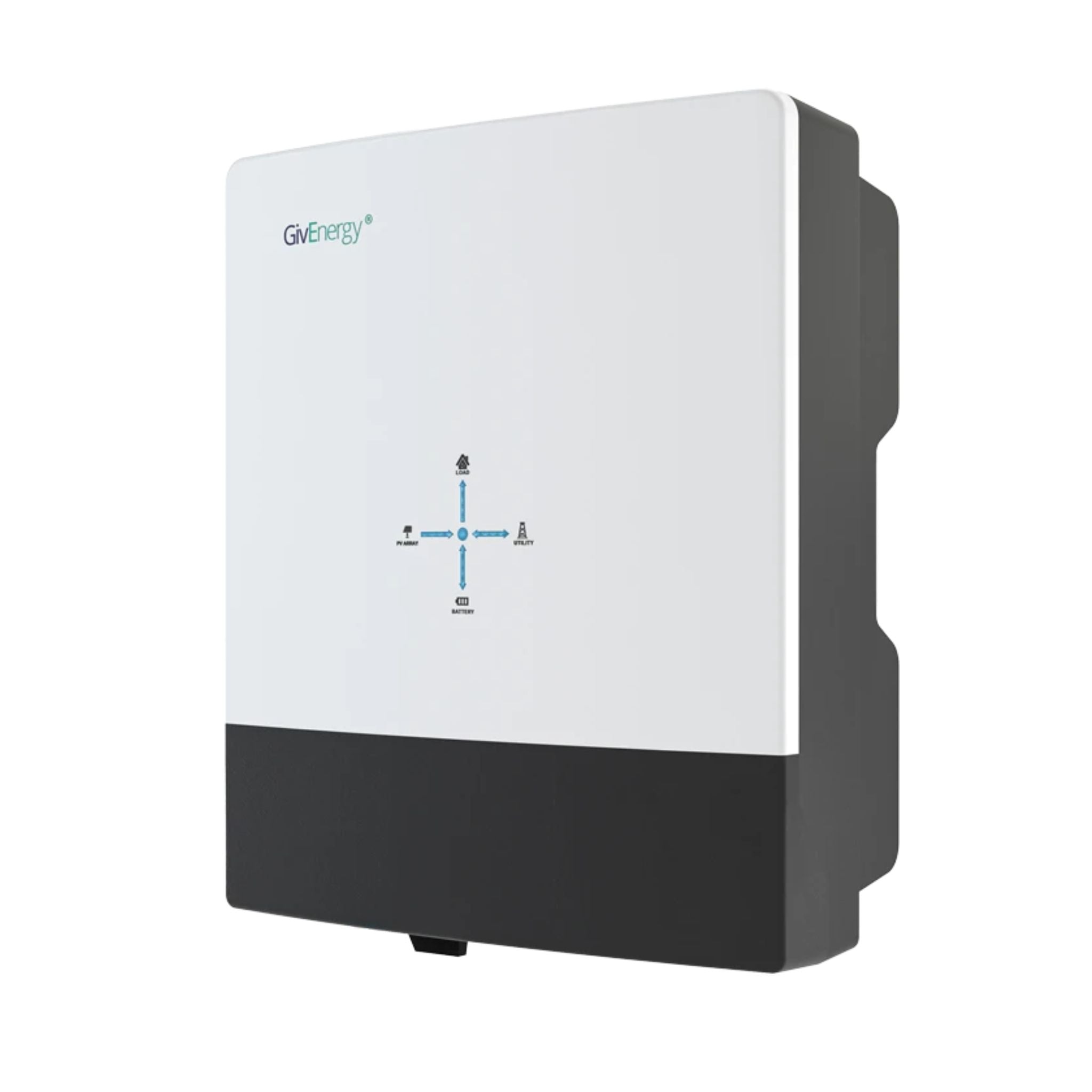
GivEnergy All-in-One 5kW Hybrid Inverter
£1,2005
7.5
2
48V
Affiliate link — we may earn a small commission at no extra cost to you
Which Size Is Best for You?

Choose 3 kW If:
- Your roof space is limited
- Your annual electricity usage is under 3,000 kWh
- You're rarely home during the day
- You want the fastest payback with the lowest investment
Choose 4 kW If:
- You have a typical UK home and usage (3,000–4,500 kWh/year)
- You're home during the day some of the time
- You want a good balance of generation, payback, and roof coverage
- You might add a battery later
Choose 5 kW If:
- Your usage is above average (4,500–6,000 kWh/year)
- You work from home
- You have or plan to get an EV
- You're adding a battery now or soon
Choose 6 kW If:
- You have high electricity usage (6,000+ kWh/year)
- You have an EV and/or heat pump
- You're installing a battery at the same time
- You have the roof space and want maximum long-term generation
- You're on or planning to use time-of-use tariffs like Octopus Flux
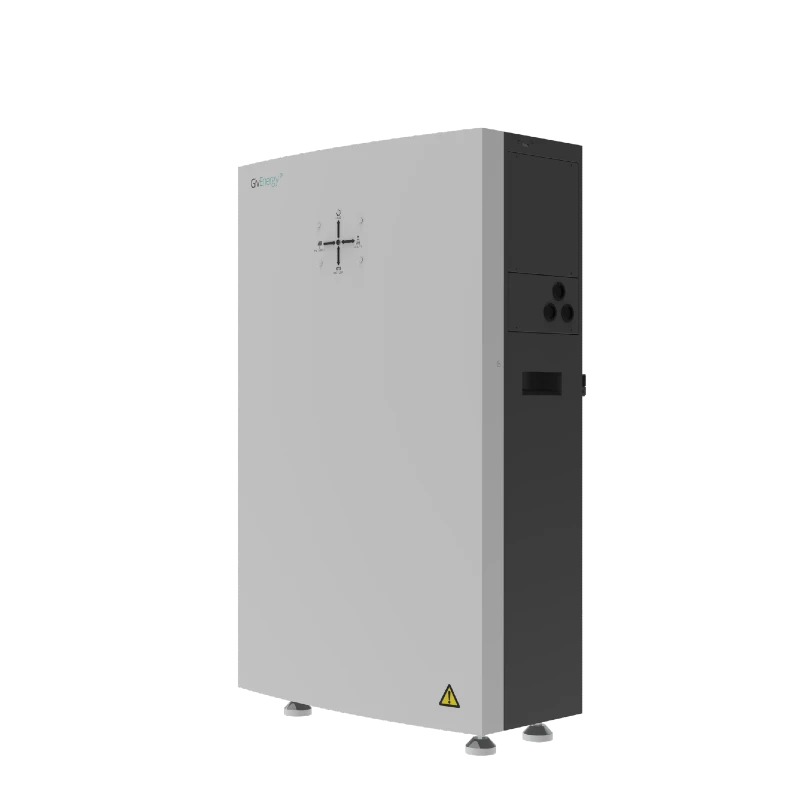
GivEnergy All-in-One 9.5kWh Battery
£5,5009.5
8.6
LFP
6000
Affiliate link — we may earn a small commission at no extra cost to you
The Impact of Electricity Price Rises
All the figures above assume flat electricity prices. Historically, UK electricity prices have risen 5–8% per year. If prices continue to rise:
- Self-consumed electricity becomes more valuable each year
- Larger systems benefit more because they offset more imported electricity
- The ROI gap between system sizes narrows
If you believe electricity prices will rise significantly (which most analysts expect), oversizing slightly is a hedge that pays off over time.
Don't Forget: It's Not Just About ROI
Financial return is important, but other factors matter:
- EPC improvement is greater with larger systems — important for green mortgages and property value
- Carbon reduction is proportional to system size
- Energy independence increases with larger systems, especially with batteries
- Future-proofing — if you plan to get an EV or heat pump, installing a larger system now avoids the cost and disruption of a second installation
The right system size balances financial return with your practical needs and future plans. Get personalised quotes based on your specific roof and usage to see the real numbers for your home.
Bill breakdown
See exactly where your electricity bill goes with solar. Adjust the sliders to match your situation.
3,500 kWh
4 kW (9 x 450W)
None
Share this article

OVO has carefully selected trusted teams across the UK to install solar panels and heat pumps. Enjoy the personal touch of a local expert with the peace of mind of a household name.
Affiliate link — we may earn a small commission at no extra cost to you
Stay informed
Get free solar updates direct to your inbox
Related reading

Solar Panel Payback Calculator UK
Calculate your solar panel payback period in the UK. Understand the real factors that determine how quickly solar pays for itself — with worked examples.

How Much Do Solar Panels Cost in the UK in 2026?
Realistic UK solar panel costs broken down by system size, installation, and what actually affects the price you'll be quoted.
How Much Electricity Do Solar Panels Generate in the UK?
Real kWh figures for UK solar systems by size, region, and orientation — including seasonal variation, the effect of roof angle, and why real-world output differs from the spec sheet.


Switch to Octopus Energy
Get 50 credit when you switch. We get 50 too — win-win.
What does this mean for YOUR home?
Design your perfect solar setup in under 3 minutes. Free, no sign-up required.
Build Your Solar System