This page contains affiliate links. If you purchase through them we may earn a small commission at no extra cost to you. Learn more
Sodium-Ion Batteries: Cheaper Storage Coming?

Why sodium?
Lithium-ion batteries power everything from phones to EVs to home solar storage. They work brilliantly. But lithium has supply chain challenges:
- Limited geography — lithium mining is concentrated in Australia, Chile, and China
- Price volatility — lithium carbonate prices have swung wildly (from $80,000/tonne in 2022 to $10,000/tonne in 2024)
- Environmental concerns — lithium extraction, particularly from brine pools, has water and ecological impacts
- Cobalt and nickel — some lithium chemistries require these conflict-associated minerals
Sodium, by contrast, is the sixth most abundant element on Earth. It's in seawater, in rock salt, essentially everywhere. It's cheap, non-toxic, and has none of lithium's supply chain constraints.
If you could make a battery with similar performance using sodium instead of lithium, you'd have a cheaper, more sustainable product. That's the promise of sodium-ion.
How sodium-ion batteries work
The operating principle is remarkably similar to lithium-ion. During charging, sodium ions (Na+) move from the cathode through an electrolyte to the anode. During discharge, they flow back, generating electricity. The difference is the charge carrier — sodium ions instead of lithium ions.
Because sodium ions are larger and heavier than lithium ions, sodium-ion batteries face inherent challenges with energy density. You need more material (and therefore more volume/weight) to store the same amount of energy. This is less of a problem for stationary home storage than it is for EVs or phones, where space and weight matter enormously.
Sodium-ion vs lithium: honest comparison
| Property | Sodium-ion | LFP (lithium iron phosphate) | NMC (lithium nickel manganese cobalt) |
|---|---|---|---|
| Energy density | 140–160 Wh/kg | 160–200 Wh/kg | 200–270 Wh/kg |
| Cycle life | 3,000–5,000 cycles | 5,000–8,000 cycles | 2,000–4,000 cycles |
| Cold performance | Excellent (works to -30°C) | Good (works to -20°C) | Moderate (degrades below -10°C) |
| Safety | Very safe (no thermal runaway) | Very safe | Moderate (can overheat) |
| Cost (projected at scale) | 30–50% cheaper | Moderate | Highest |
| Self-discharge | Higher than lithium | Low | Low |
| Maturity | Early commercial | Mature | Mature |
Where sodium-ion wins
- Cost — the raw materials are dramatically cheaper, and manufacturing processes can reuse existing lithium-ion factory equipment
- Cold weather — sodium-ion retains capacity much better in freezing conditions, relevant for UK garage/outdoor installations
- Safety — no risk of thermal runaway (the dangerous overheating that can occur with some lithium chemistries)
- Sustainability — no lithium, cobalt, or nickel required
Where sodium-ion falls short
- Energy density — you need a bigger, heavier battery for the same storage capacity
- Cycle life — generally lower than LFP, though improving rapidly
- Self-discharge — sodium-ion batteries lose charge faster when idle (2–3% per month vs under 1% for LFP)
- Maturity — fewer proven products, less real-world data in home storage applications
Size matters less for home storage
The lower energy density of sodium-ion is a significant drawback for EVs (heavier car, shorter range) but barely matters for home storage. A 10kWh sodium-ion battery might be 20% larger and heavier than an equivalent LFP unit, but when it's mounted on your garage wall, that's irrelevant. What matters is cost, cycle life, and reliability — and sodium-ion is increasingly competitive on all three.
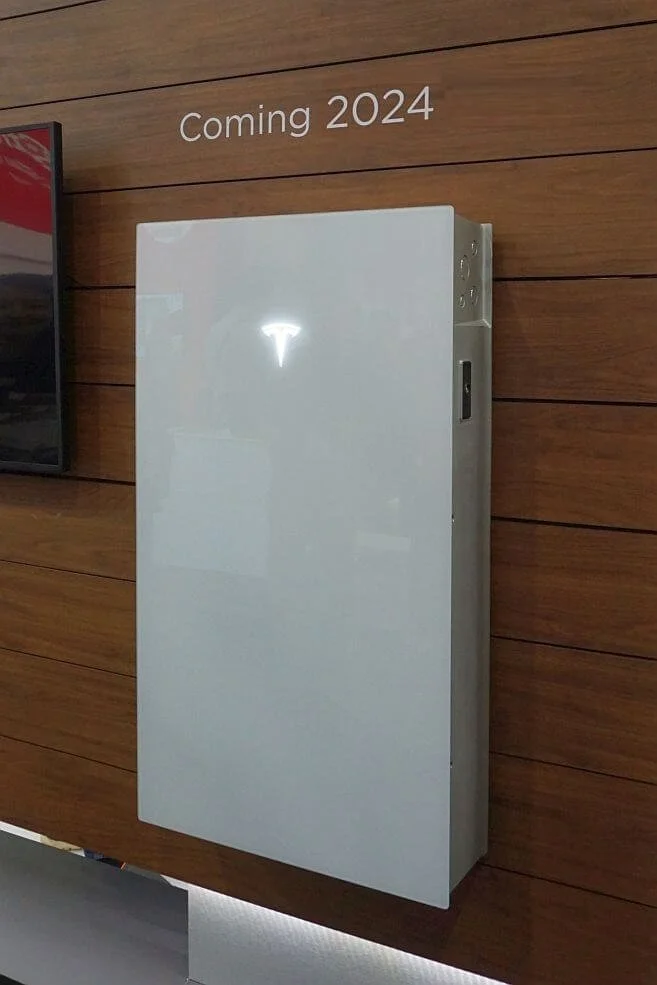
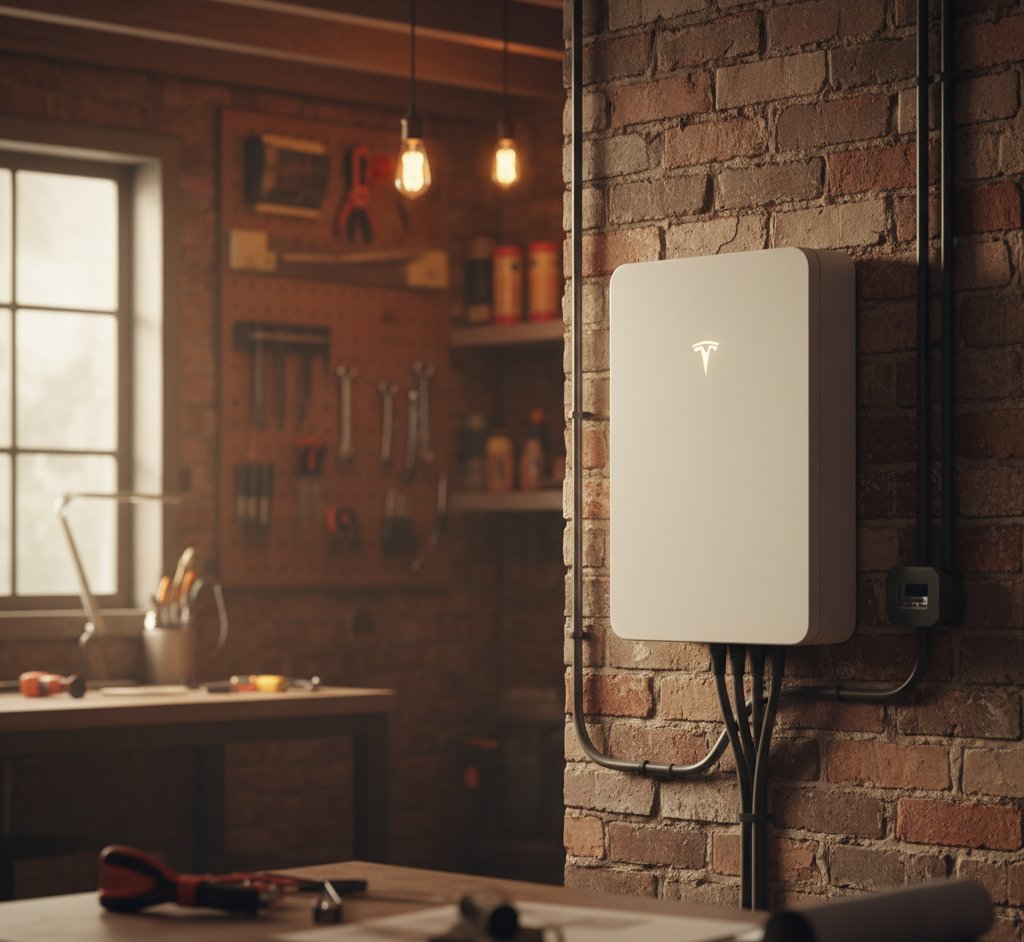
Tesla Powerwall 3
£8,50013.5
13.5
LFP
4000
Affiliate link — we may earn a small commission at no extra cost to you
Current state of sodium-ion (2026)
Manufacturers
CATL — the world's largest battery manufacturer has been producing sodium-ion cells since 2023, initially for low-cost EVs in China. Their second-generation cells claim 200 Wh/kg, approaching LFP territory.
BYD — another Chinese giant, producing sodium-ion for both EVs and stationary storage.
HiNa Battery — a Chinese sodium-ion specialist, focused on grid-scale and commercial storage.
Faradion (now Reliance subsidiary) — a UK-founded company, acquired by India's Reliance Industries, focused on bringing sodium-ion to market.
Tiamat (France) — European sodium-ion developer with a focus on industrial applications.
Home storage products
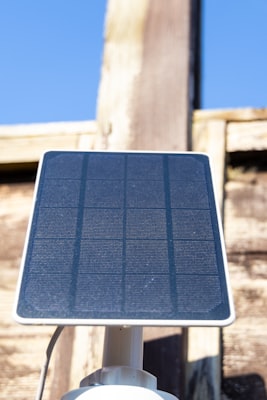
As of early 2026, a handful of sodium-ion home storage products are available or announced:
- Several Chinese manufacturers are offering sodium-ion home batteries through distributors
- Some UK-based companies are beginning to integrate sodium-ion cells into their storage systems
- Pricing is competitive with budget LFP options but not yet dramatically cheaper
The market is at the early commercial stage — products exist but choice is limited, and long-term reliability data is sparse.
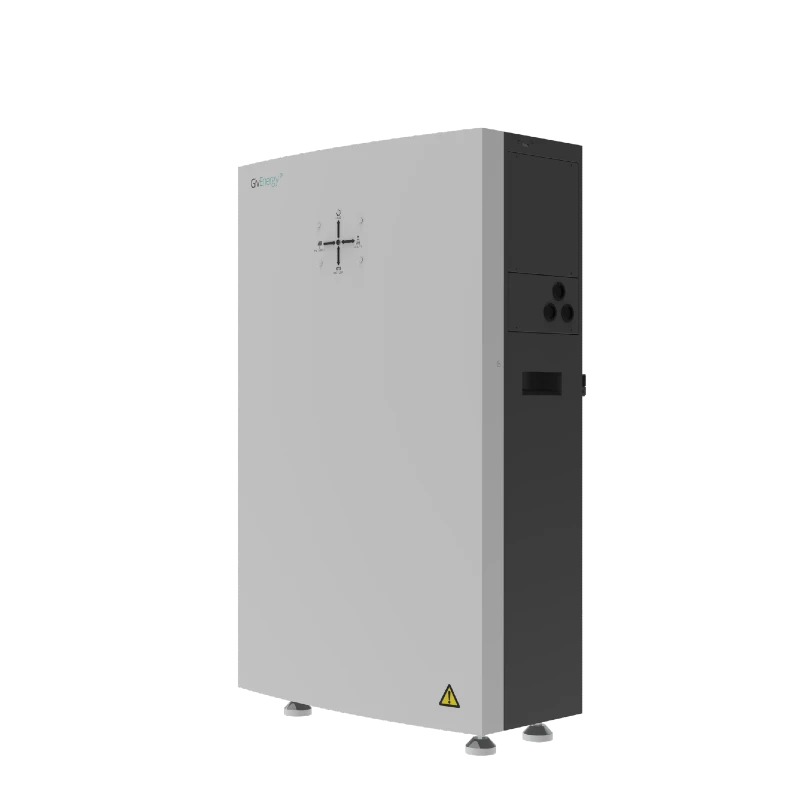
GivEnergy All-in-One 9.5kWh Battery
£5,5009.5
8.6
LFP
6000
Affiliate link — we may earn a small commission at no extra cost to you
What this means for UK home solar storage
The price impact
Even if you never buy a sodium-ion battery, the technology benefits you. The existence of a cheaper alternative puts downward pressure on lithium battery prices. If sodium-ion can deliver home storage at £150–£200/kWh (vs current LFP at £250–£400/kWh), lithium manufacturers will have to cut prices to compete.
This price competition is already visible. Home battery prices in the UK have fallen consistently since 2022, partly due to the threat of sodium-ion alternatives.
When to consider sodium-ion
Now (2026): If a sodium-ion home battery is available from a reputable manufacturer with a solid warranty (10+ years), and the price is 20%+ cheaper than an equivalent LFP battery, it's worth considering — especially for garage or outdoor installations where cold performance matters.
2027–2028: Expect more product choice, lower prices, and better real-world data. This is likely the sweet spot for sodium-ion adoption in UK home storage.
2030+: Sodium-ion may become the default for home storage where high energy density isn't required, with lithium reserved for EVs and portable electronics.
Warranty and track record matter
With any new battery technology, the manufacturer's warranty and financial stability matter enormously. A 10-year warranty is only as good as the company behind it. For sodium-ion, prefer established battery manufacturers (CATL, BYD) entering the sodium-ion space over small startups with no track record. The technology might be sound, but you need the company to exist in 10 years to honour the warranty.
Should you wait for sodium-ion?
If you need a battery now, buy an LFP battery now. GivEnergy, Tesla, and other established products offer proven performance with solid warranties. The cost of waiting — lost self-consumption savings, missed tariff arbitrage — likely exceeds whatever you'd save on a future sodium-ion purchase.
If you're planning a solar installation for 2027–2028, keep sodium-ion on your radar. By then, the product range and real-world track record should be sufficient to make an informed comparison with lithium options.
The important point: both technologies will coexist. Sodium-ion won't replace lithium overnight. It will provide a cheaper alternative for applications where energy density isn't critical — and home storage is exactly that application.
Share this article

Leading UK provider of electric car charging cables and EV accessories. Cables for all UK and EU models, with fast delivery and expert support.
Affiliate link — we may earn a small commission at no extra cost to you
Stay informed
Get free solar updates direct to your inbox
Related reading
Solar Battery Storage: Complete UK Guide 2026
Everything you need to know about adding battery storage to a UK solar installation — types, sizing, costs, and which products are worth considering in 2026.

Solid-State Batteries: What They Mean for Home Storage
Solid-state batteries explained for UK solar owners. How they differ from lithium-ion, the potential benefits, and realistic timelines for home storage.
Battery Sizing Sweet Spot: How Big Is Big Enough?
How to choose the right battery size for your UK solar system. The sweet spot between too small, too big, and just right based on your consumption patterns.


Switch to Octopus Energy
Get 50 credit when you switch. We get 50 too — win-win.
What does this mean for YOUR home?
Design your perfect solar setup in under 3 minutes. Free, no sign-up required.
Build Your Solar System