This page contains affiliate links. If you purchase through them we may earn a small commission at no extra cost to you. Learn more
Solid-State Batteries: What They Mean for Home Storage

What makes a battery solid-state?
In a conventional lithium-ion battery, lithium ions move between the cathode and anode through a liquid electrolyte — a conductive solution that allows ion flow. This liquid electrolyte works well but has drawbacks: it can leak, it's flammable, and it limits how densely you can pack the electrodes.
A solid-state battery replaces this liquid with a solid electrolyte — typically a ceramic, glass, or polymer material. The ions still move between cathode and anode, but through a solid medium instead of a liquid.
This single change — liquid to solid — cascades into several potential benefits.
The promised benefits
Higher energy density
Without liquid electrolyte, the battery can be designed more compactly. Solid-state batteries could achieve 400–500 Wh/kg, roughly double current lithium-ion. For home storage, this means a battery the size of a current 5kWh unit could hold 8–10kWh.
Longer cycle life
Solid electrolytes can potentially resist the degradation mechanisms that limit liquid electrolyte batteries. Some solid-state research claims 10,000+ cycles with minimal capacity loss, compared to 5,000–8,000 for current LFP cells.
Improved safety
No liquid electrolyte means no leakage and dramatically reduced fire risk. The solid electrolyte is inherently non-flammable, eliminating thermal runaway — the chain reaction that causes lithium-ion battery fires.
Faster charging
Solid electrolytes could support higher charging rates without the dendrite formation (metallic lithium growths) that can occur with liquid electrolytes and cause short circuits. This matters more for EVs than home storage, but faster charging from solar surplus during limited peak hours would still be useful.
Why we don't have them yet
Manufacturing complexity
Making a solid electrolyte that conducts ions well, bonds properly to the electrodes, and can be manufactured consistently at scale is extremely difficult. The interface between the solid electrolyte and the electrodes is particularly problematic — ions need to move smoothly across this boundary, and tiny defects cause performance loss.
Current manufacturing yields are low and costs are high. A solid-state cell costs many times more than an equivalent liquid electrolyte cell.
Dendrite problems
Ironically, while solid-state batteries were supposed to prevent dendrite formation, some solid electrolyte materials are actually vulnerable to dendrites propagating through cracks in the ceramic. Solving this requires precise material engineering.
Temperature sensitivity
Some solid electrolytes only conduct ions well at elevated temperatures, making them impractical for room-temperature applications. Room-temperature solid electrolytes exist but are harder to manufacture.
Scale
Even optimistic projections from major manufacturers suggest limited solid-state production before 2027–2028, with mass-market volumes not until 2030+. The initial production will almost certainly target high-value applications (premium EVs) rather than home storage.
The EV industry is driving this
Solid-state battery development is overwhelmingly funded by automotive companies — Toyota, Samsung SDI, QuantumScape, Solid Power, and others. They want higher energy density for longer EV range and faster charging. Home storage benefits are a secondary consideration. This means the technology will arrive in cars before it reaches your garage wall.
Who's developing solid-state batteries?
Toyota
The most aggressive timeline claims, targeting limited EV production with solid-state batteries by 2027–2028. Toyota has invested billions and holds more solid-state battery patents than any other company.
Samsung SDI
Developing solid-state cells for EVs, with pilot production planned for the late 2020s.
QuantumScape (US)
A high-profile startup backed by Volkswagen, focused on ceramic solid-state electrolytes. They've demonstrated promising lab results but face manufacturing scale-up challenges.
Solid Power (US)
Backed by BMW and Ford, developing sulfide-based solid electrolytes. In the pilot production phase.
ProLogium (Taiwan)
One of the first to ship small solid-state batteries for consumer electronics, now scaling up for EV applications.
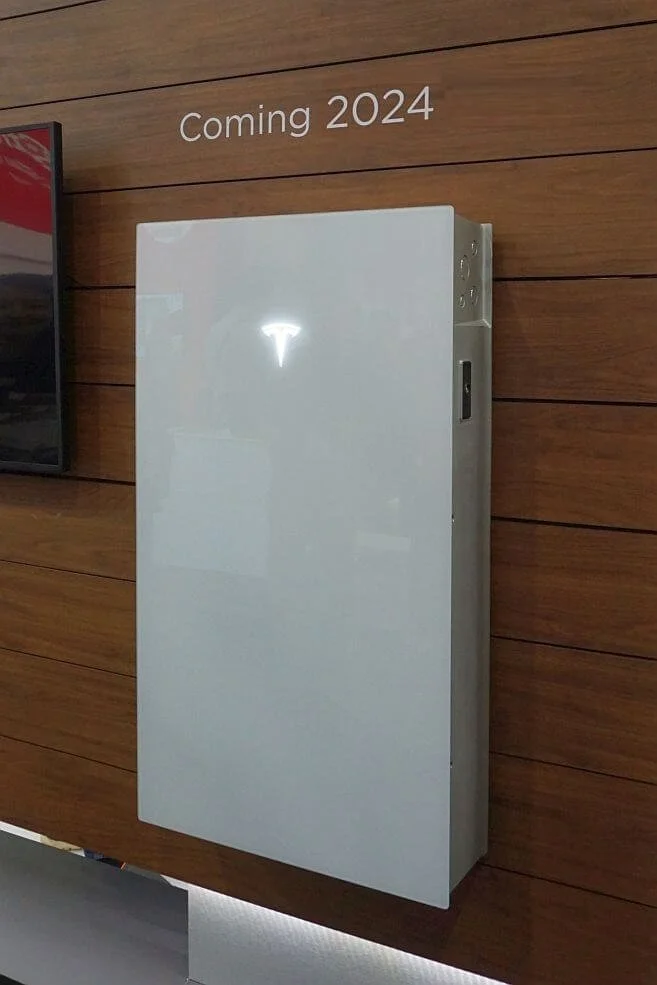
Tesla Powerwall 3
£8,50013.5
13.5
LFP
4000
Affiliate link — we may earn a small commission at no extra cost to you
What this means for UK home solar storage
The honest assessment
Solid-state batteries are exciting technology with genuine potential, but for home solar storage specifically, the impact is limited:
Energy density: Home storage batteries sit on a wall or floor. They don't need to be light or compact. The higher energy density of solid-state matters enormously for EVs (lighter car = longer range) but barely matters for a garage-mounted home battery.
Cycle life: Current LFP batteries already offer 5,000–8,000 cycles — enough for 15–25 years of daily use. Solid-state's potential 10,000+ cycles is nice but unnecessary for most applications.
Safety: LFP batteries are already very safe. While solid-state would eliminate the remaining (already tiny) fire risk, it's solving a problem that LFP has largely already addressed.
Cost: Solid-state batteries will be more expensive than liquid electrolyte lithium-ion for years, possibly decades. For home storage, where cost per kWh is the primary purchasing criterion, this is a significant disadvantage.
In summary: solid-state is a solution to problems that matter more for EVs than for home storage. UK homeowners will benefit eventually — smaller batteries, longer life, zero fire risk — but the current generation of LFP batteries is already very good for the application.
Don't wait for solid-state
If you're considering home battery storage, waiting for solid-state technology means waiting until at least 2030, likely longer for affordable home storage products. That's 4+ years of lost savings from self-consumption, tariff arbitrage, and grid services. A GivEnergy or Tesla battery installed today will have paid back a significant portion of its cost before solid-state home batteries even reach the market.
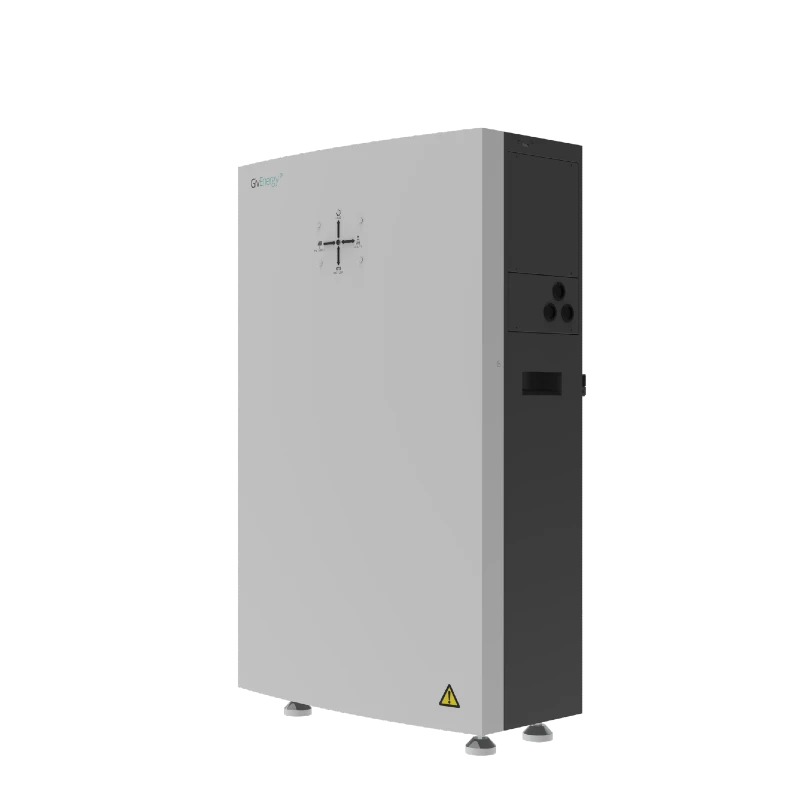
GivEnergy All-in-One 9.5kWh Battery
£5,5009.5
8.6
LFP
6000
Affiliate link — we may earn a small commission at no extra cost to you
The realistic timeline
- 2026–2027: Limited solid-state cell production for consumer electronics and pilot EV programmes
- 2028–2030: Small-scale EV production with solid-state batteries (premium vehicles)
- 2030–2033: Growing EV adoption drives manufacturing scale, costs begin to fall
- 2033+: Solid-state potentially becomes cost-competitive for home storage applications
This timeline could accelerate if there's a manufacturing breakthrough, but it could equally slip — solid-state batteries have been "5 years away" for over a decade.
The pragmatic view
For UK homeowners planning solar + battery systems in 2026:
- Buy the best available LFP battery today — GivEnergy, Tesla Powerwall, or equivalent
- It will serve you well for 10–15+ years with proven technology and solid warranties
- When you eventually replace it, solid-state or advanced sodium-ion options will likely be available and affordable
- The replacement battery in 2036–2040 will be better and cheaper — that's the natural upgrade path, not a reason to delay today's purchase
Technology always improves. The panels and batteries available today are genuinely excellent. Install, benefit, and upgrade when the time comes.
Share this article

Leading UK provider of electric car charging cables and EV accessories. Cables for all UK and EU models, with fast delivery and expert support.
Affiliate link — we may earn a small commission at no extra cost to you
Stay informed
Get free solar updates direct to your inbox
Related reading
Solar Battery Storage: Complete UK Guide 2026
Everything you need to know about adding battery storage to a UK solar installation — types, sizing, costs, and which products are worth considering in 2026.

Sodium-Ion Batteries: Cheaper Storage Coming?
Sodium-ion batteries for home solar storage — how they compare to lithium, current availability, pricing potential, and when UK homeowners might benefit.
Battery Sizing Sweet Spot: How Big Is Big Enough?
How to choose the right battery size for your UK solar system. The sweet spot between too small, too big, and just right based on your consumption patterns.


Switch to Octopus Energy
Get 50 credit when you switch. We get 50 too — win-win.
What does this mean for YOUR home?
Design your perfect solar setup in under 3 minutes. Free, no sign-up required.
Build Your Solar System