This page contains affiliate links. If you purchase through them we may earn a small commission at no extra cost to you. Learn more
Standing Charges: What You're Paying Before Using a Single kWh

What is a standing charge?
Every electricity bill has two components:
- Unit rate — the price per kWh of electricity you use (~24.5p/kWh in April 2026)
- Standing charge — a daily fixed fee just for having a grid connection (~55p/day in April 2026)
The standing charge covers the cost of maintaining the electricity network — the wires, poles, substations, and infrastructure that connect your home to the grid. You pay it whether you use 1 kWh or 100 kWh that day. It appears on your bill as a separate line item.
In April 2026, the price cap electricity standing charge is around 55p/day. That's:
- £3.85/week
- £16.75/month
- £201/year
For gas, there's a separate standing charge of around 30–35p/day, adding another £110–128/year.
Combined, you're paying roughly £311–329/year just for the privilege of being connected to the gas and electricity networks — before consuming anything.
Why standing charges matter for solar households
Here's the frustrating reality: solar panels reduce your electricity consumption from the grid, but they cannot eliminate your standing charge.
Consider a household with 4kWp of solar panels and a battery. In an ideal month (July), they might import zero electricity from the grid. Their bill for that month?
- Electricity used from grid: 0 kWh × 24.5p = £0.00
- Standing charge: 31 days × 55p = £17.05
You've generated all your own electricity, used none from the grid, and still owe £17.05. Across a year, even a highly self-sufficient solar household pays the full £201 standing charge.
This is why payback calculations should always account for standing charges. Your solar panels save you money on the unit rate, but the fixed costs remain.
The standing charge debate
Standing charges are controversial. Consumer groups argue they're regressive — a flat daily fee hits low-usage households (often pensioners and vulnerable people) harder proportionally than high-usage households.
In 2023, Ofgem considered reforming standing charges. Options discussed included:
- Reducing standing charges and increasing unit rates
- Means-testing standing charges
- Eliminating them entirely and rolling costs into unit rates
As of 2026, standing charges remain largely unchanged, though some suppliers now offer zero standing charge tariffs (more on those below).
For solar households, lower standing charges and higher unit rates would actually be beneficial — you'd pay more per kWh on the small amount you import, but save the £219 annual fixed cost. Since solar reduces your unit consumption significantly, the net effect would be positive.
Factor standing charges into your solar payback calculation
When calculating how long your solar panels take to pay back, don't forget that standing charges remain. Your saving is the reduction in unit costs plus any SEG income, minus the standing charge you still pay. Some online calculators ignore this, making payback look faster than reality.
Zero standing charge tariffs
Several suppliers now offer tariffs with no daily standing charge. The trade-off: a higher unit rate.
How they work:
- Standing charge: £0/day
- Unit rate: typically 28–32p/kWh (vs ~24.5p on a standard tariff)
Who benefits:
- Very low-usage households — if you use less than ~2,500 kWh/year from the grid, the zero standing charge can save money despite the higher unit rate
- Solar households with high self-consumption — if your grid imports are small, avoiding the £201 annual standing charge outweighs the higher per-kWh cost
The break-even point: If the standing charge is 55p/day (£201/year) and the unit rate premium is 5p/kWh, you break even at about 4,020 kWh/year of grid import. Import less than that, and the zero standing charge tariff saves money.
A solar + battery household importing 1,500–2,500 kWh/year from the grid is well below this threshold. For these households, a zero standing charge tariff can save £50–150/year.
Check the maths for your specific usage
Zero standing charge tariffs only save money if your grid imports are low enough. If you have a high-consumption household (EV charging, heat pump, large family), the higher unit rate quickly wipes out the standing charge saving. Run the numbers with your actual import figures before switching.
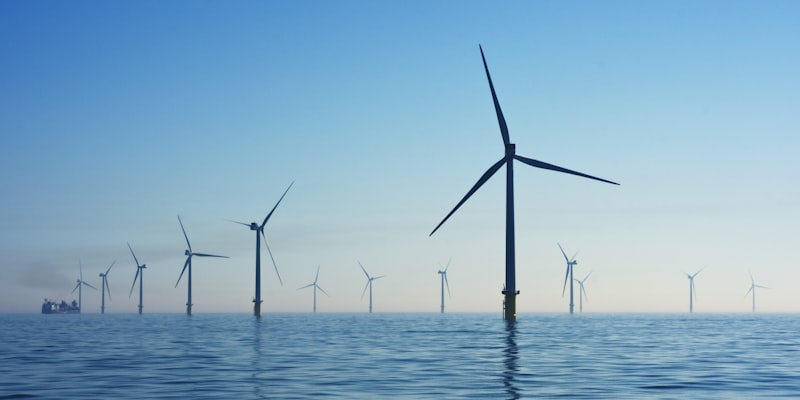
Can you avoid standing charges entirely?
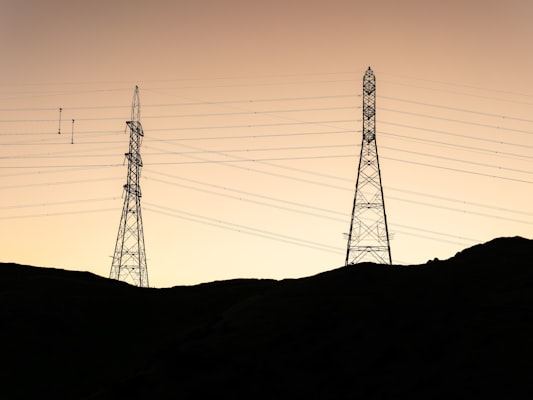
The only way to eliminate electricity standing charges completely is to disconnect from the grid — go fully off-grid. This is technically possible but rarely practical for UK homes:
Off-grid requirements:
- A large solar array (8–12kWp minimum)
- Substantial battery storage (30–50kWh)
- A backup generator for extended winter cloudy periods
- Modified electrical installation (no grid connection)
- Planning permission considerations
The reality: The UK's latitude and climate mean solar generation drops dramatically in winter. December and January might produce only 10–15% of summer output. You'd need enormous battery capacity to bridge multi-day cloudy periods, or a petrol/diesel generator as backup.
The cost of a system large enough to go reliably off-grid (£30,000–50,000+) far exceeds the £201/year standing charge you'd avoid. It's a lifestyle choice, not a financial one.
For virtually all UK households, staying grid-connected and paying the standing charge while minimising unit costs through solar is the rational approach.
Standing charges and dual fuel
If you have gas central heating, you're paying a gas standing charge (~32p/day, ~£117/year) on top of your electricity standing charge.
Solar panels don't affect your gas standing charge at all. However, if you switch to a heat pump and disconnect your gas supply entirely, you eliminate the gas standing charge AND the gas unit costs — though your electricity consumption increases.
The maths often works out favourably:
- Gas standing charge eliminated: -£110–128/year
- Gas unit costs eliminated: -£600–900/year (depending on usage)
- Extra electricity for heat pump: +£300–600/year (much of which solar can offset)
- Net saving: £200–500/year
This is a broader decision than just standing charges, but it illustrates why solar + heat pump combinations are increasingly popular.
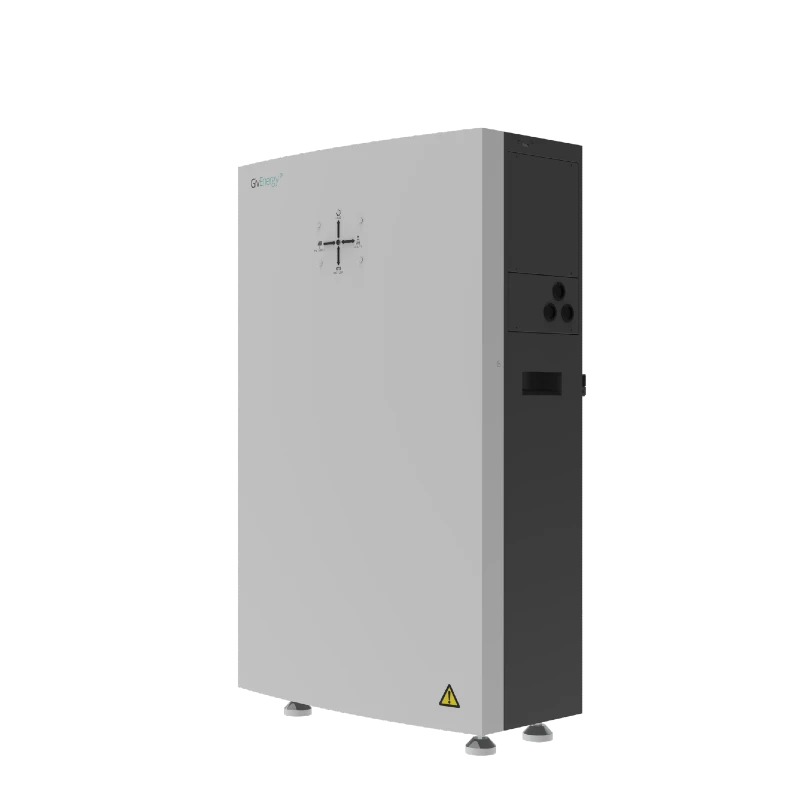
GivEnergy All-in-One 9.5kWh Battery
£5,5009.5
8.6
LFP
6000
Affiliate link — we may earn a small commission at no extra cost to you
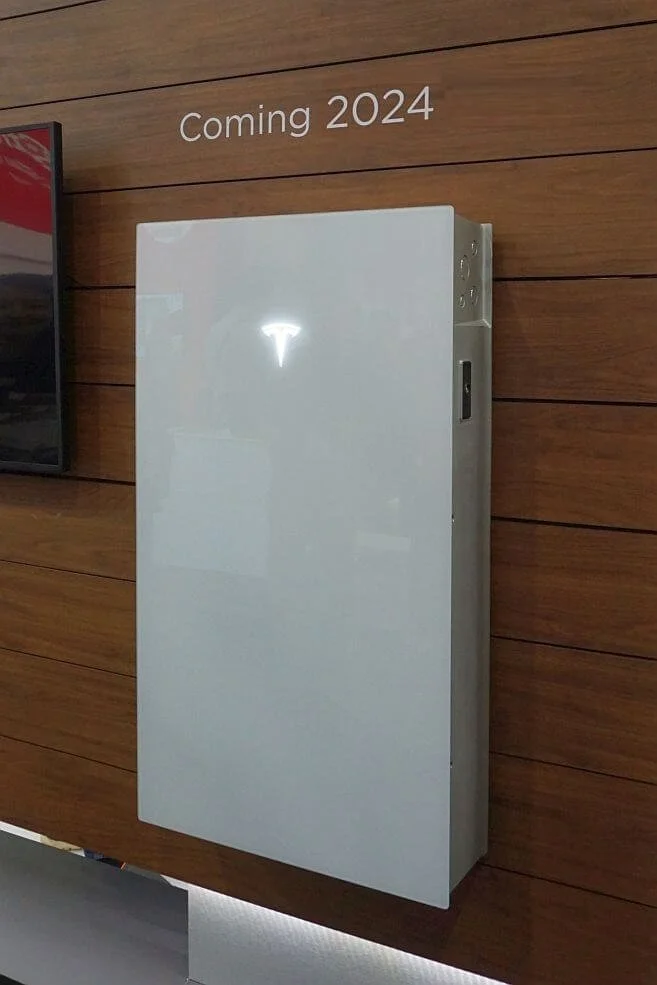
Tesla Powerwall 3
£8,50013.5
13.5
LFP
4000
Affiliate link — we may earn a small commission at no extra cost to you
How to minimise the impact of standing charges
- Maximise self-consumption — the less you import, the more the standing charge dominates your bill (proportionally), but the lower your absolute costs
- Consider zero standing charge tariffs — if your grid imports are low, these can save money
- Combine gas and electricity standing charges — dual-fuel discounts still exist with some suppliers
- Review regularly — standing charges vary between suppliers and tariffs. They're not always prominently advertised, so check the fine print
- Factor into solar ROI — when calculating your solar panel payback, include the standing charge as an ongoing cost that solar doesn't eliminate
Share this article

OVO has carefully selected trusted teams across the UK to install solar panels and heat pumps. Enjoy the personal touch of a local expert with the peace of mind of a household name.
Affiliate link — we may earn a small commission at no extra cost to you
Stay informed
Get free solar updates direct to your inbox
Related reading

How Much Do Solar Panels Cost in the UK in 2026?
Realistic UK solar panel costs broken down by system size, installation, and what actually affects the price you'll be quoted.
Smart Export Guarantee (SEG) Explained
How the Smart Export Guarantee works in the UK, which suppliers pay the best SEG rates, and how to maximise your solar export income in 2026.

Solar Panel Finance Options UK
A clear-eyed look at every way to finance solar panels in the UK — personal loans, green loans, 0% finance, green mortgages, and whether paying outright is always better.


Switch to Octopus Energy
Get 50 credit when you switch. We get 50 too — win-win.
What does this mean for YOUR home?
Design your perfect solar setup in under 3 minutes. Free, no sign-up required.
Build Your Solar System