This page contains affiliate links. If you purchase through them we may earn a small commission at no extra cost to you. Learn more
Three-Phase Solar Installations: Extra Costs and Complications
What is three-phase electricity?
Most UK homes have a single-phase electricity supply — one live wire carrying 230V AC from the grid. Three-phase supplies have three live wires, each carrying 230V but offset from each other in timing (120 degrees apart). Between any two phases, the voltage is 400V.
Three-phase is common in:
- Larger detached houses (especially newer builds over ~3,000 sq ft)
- Properties with high electrical loads (workshops, pools, large heating systems)
- Farms and rural properties
- Commercial buildings
- Homes that have been upgraded for EV chargers, heat pumps, or other high-power equipment
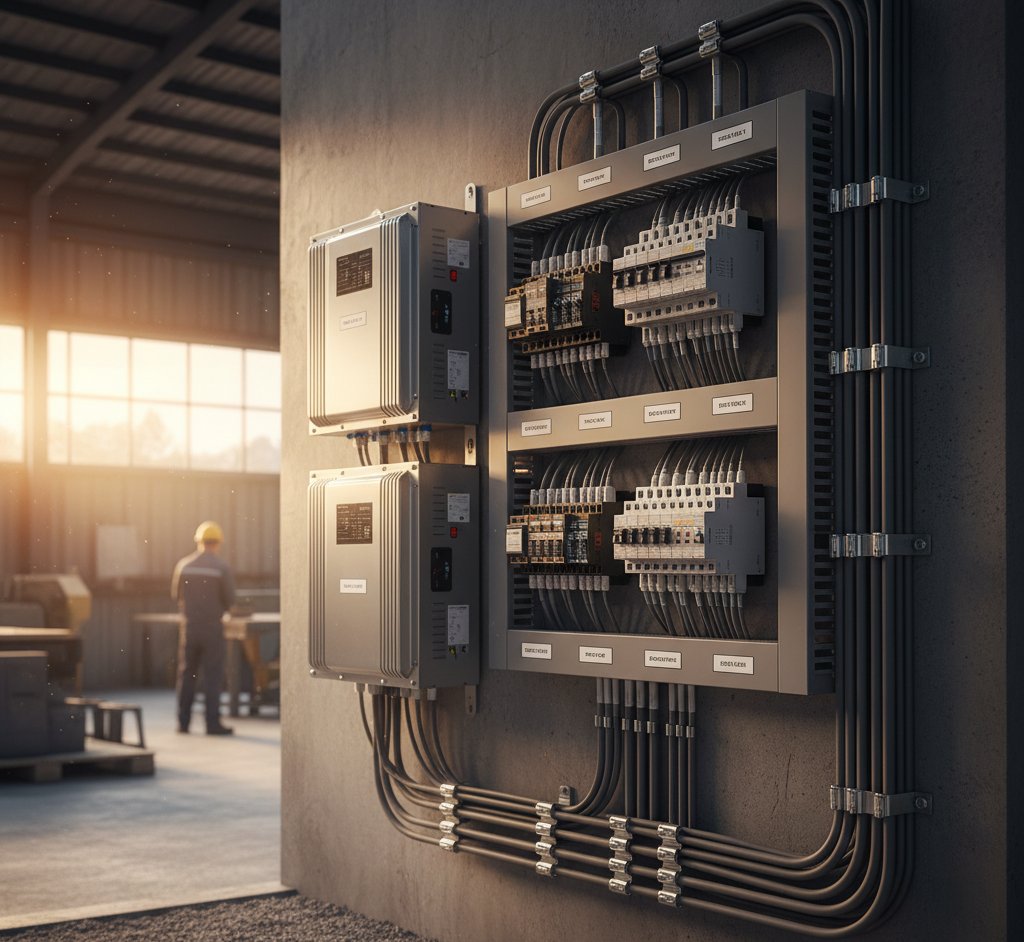
You can check your supply type by looking at your consumer unit — three-phase has three main switches/RCDs rather than one, and three separate busbars. Your electricity meter will also be labelled as three-phase.
Why three-phase complicates solar
Inverter choice
A single-phase inverter can only connect to one phase. On a three-phase property, this creates imbalance — generation appears on one phase while consumption may be on another.
A three-phase inverter distributes output across all three phases, maintaining balance. Most solar installers for three-phase properties will recommend a three-phase inverter.
Cost impact: Three-phase hybrid inverters typically cost £200–£500 more than single-phase equivalents. Not enormous, but a factor.
Phase balancing and metering
Here's where it gets technical and potentially costly:
UK smart meters measure import and export per phase in 30-minute settlement periods. However, your DNO and energy supplier may settle your account on either a net per phase or net across all phases basis.
Per-phase settlement: If Phase 1 exports 2kW while Phase 2 imports 2kW, you're counted as both exporting and importing 2kW simultaneously. You pay for the import AND receive less for the export. A three-phase inverter helps avoid this by generating on all phases.
Net settlement (across phases): The 2kW export and 2kW import cancel out to zero net flow. This is more favourable for solar owners.
The settlement approach depends on your meter type and supplier. SMETS2 meters are gradually moving towards more granular (per-phase) measurement, making three-phase inverters increasingly important.
Check your metering arrangement
Before installing solar on a three-phase supply, ask your installer how your meter settles import/export across phases. If it's per-phase settlement, a three-phase inverter is almost essential. If it's net across phases, a single-phase inverter on the highest-consumption phase can work, though a three-phase inverter is still preferable for future-proofing.
Three-phase inverter options
| Brand | Model | Power | Battery compatible | Approx. cost |
|---|---|---|---|---|
| GivEnergy | 3PH Hybrid | 5–10kW | GivEnergy batteries | £1,200–£2,000 |
| Sunsynk | 3PH Hybrid | 5–12kW | Multiple brands | £1,000–£1,800 |
| Fox ESS | H3 Pro | 5–12kW | Fox ESS batteries | £1,000–£1,600 |
| Solis | RHI-3P | 5–10kW | Multiple brands | £900–£1,500 |
| Growatt | MOD TL3 | 5–10kW | Multiple brands | £900–£1,400 |
All major UK solar inverter brands now offer three-phase hybrid models, so product availability is not an issue.
The G99 angle
Three-phase properties typically have a higher capacity grid connection, which can simplify the G99 application process. Some three-phase properties can install larger systems (up to 11kW per phase = 33kW total) without the grid constraints that limit single-phase homes.
However, the G98/G99 thresholds still apply based on export capacity:
- Up to 3.68kW export per phase (11.04kW total three-phase): G98 notification only
- Above these limits: G99 application required
For most residential three-phase installations (5–10kW), you'll be well within G98 limits — actually easier than single-phase systems that hit the 3.68kW ceiling sooner.

Installation considerations
Consumer unit setup
Three-phase consumer units are more complex, with separate RCDs and MCBs for each phase. Your installer needs to:
- Connect the inverter across all three phases
- Ensure CT clamps monitor all three phases for accurate measurement
- Configure the inverter's phase balancing settings correctly
CT clamp configuration
Accurate monitoring on three-phase requires either three individual CT clamps (one per phase on the meter tails) or a single three-phase CT clamp. Getting this wrong leads to incorrect generation/consumption data and potentially suboptimal battery management.
Cable sizing
Three-phase inverters may require larger cable cross-sections due to higher total current capacity. Your electrician will specify this based on the inverter's requirements and cable run lengths.
Not all electricians are comfortable with three-phase
Three-phase wiring is more complex than single-phase. Ensure your installer has specific experience with three-phase solar installations. A miswired three-phase system can result in incorrect metering, poor self-consumption, or even safety issues. Ask for references from previous three-phase installations.
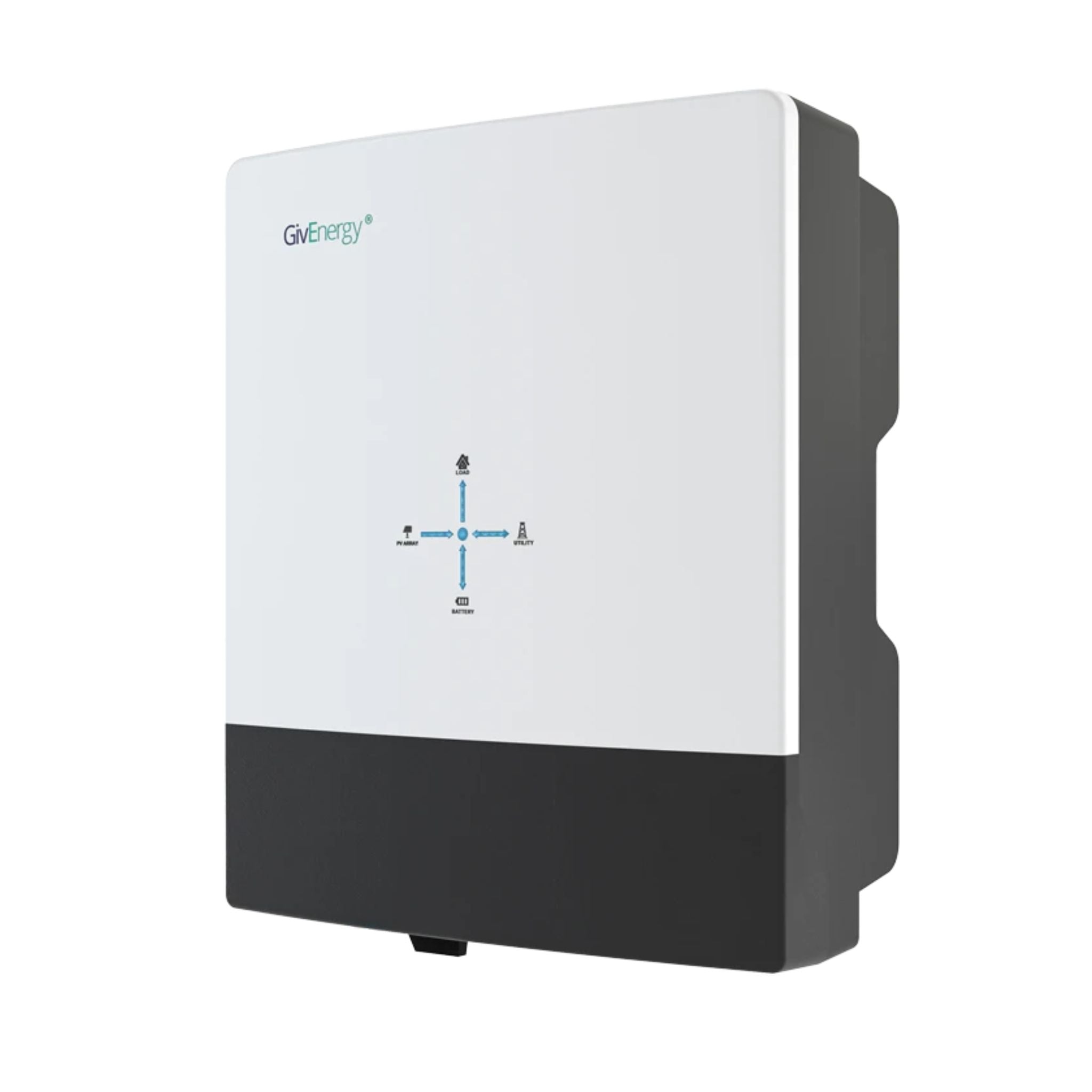
GivEnergy All-in-One 5kW Hybrid Inverter
£1,2005
7.5
2
48V
Affiliate link — we may earn a small commission at no extra cost to you
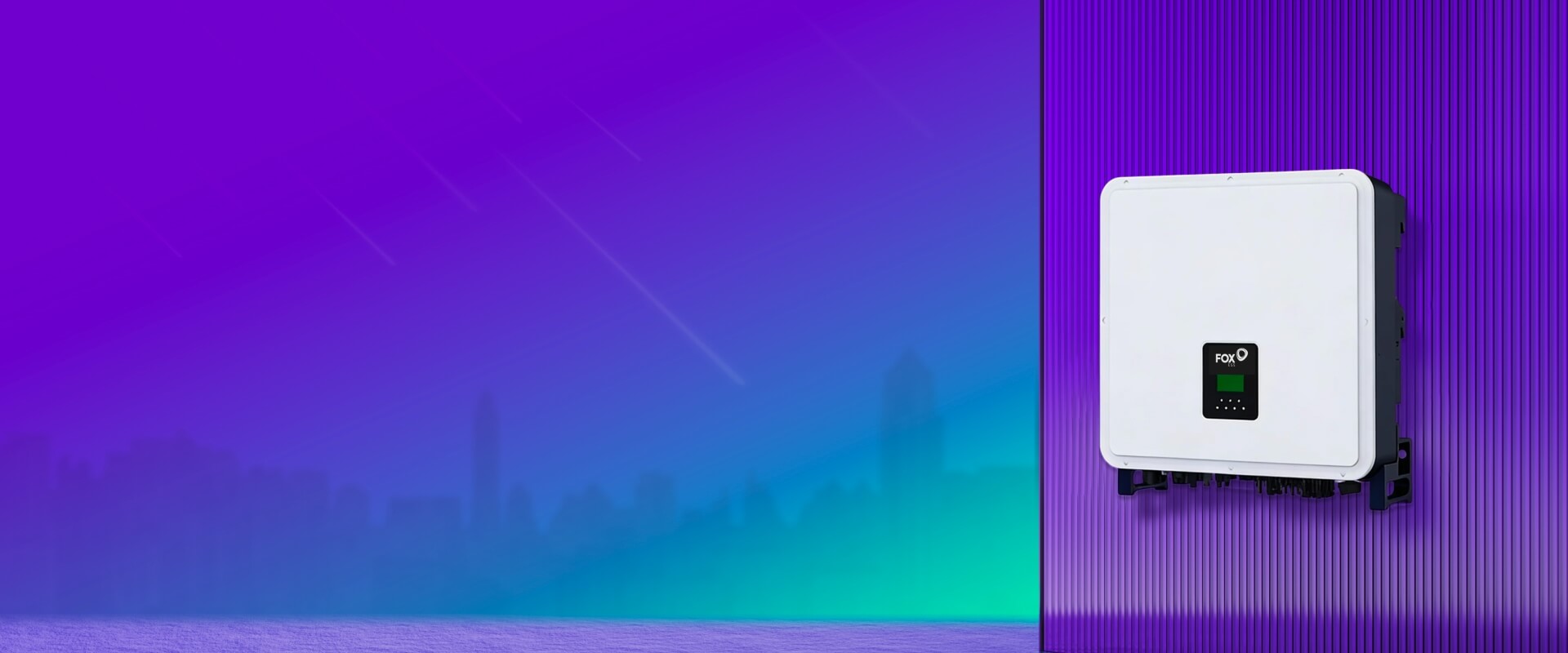
Fox ESS H3 PRO 5kW Hybrid Inverter
£1,0505
10
2
48V
Affiliate link — we may earn a small commission at no extra cost to you
Is three-phase a problem?
No — it's a complication, not a problem. The extra cost is modest (£200–£500 for the inverter premium plus perhaps £100–£200 in additional installation complexity). The functionality of the system is identical, and in some ways better — three-phase inverters can deliver more power for EPS backup and accommodate larger future loads.
If your property has three-phase supply, work with an installer experienced in three-phase systems. The technology exists, the products are available, and the extra cost is manageable. Don't let a three-phase supply deter you from solar.
Share this article

OVO has carefully selected trusted teams across the UK to install solar panels and heat pumps. Enjoy the personal touch of a local expert with the peace of mind of a household name.
Affiliate link — we may earn a small commission at no extra cost to you
Stay informed
Get free solar updates direct to your inbox
Related reading
Solar Inverters Explained: Types, Sizing, and Real-World Limits
String, micro, and hybrid inverters explained clearly — plus the critical G98/G99 threshold at 3.68kW and what it means for what you can run simultaneously.

How Much Do Solar Panels Cost in the UK in 2026?
Realistic UK solar panel costs broken down by system size, installation, and what actually affects the price you'll be quoted.
Consumer Unit Upgrades for Solar: When and Why
When and why a consumer unit upgrade is needed for a UK solar installation. Costs, regulations, what triggers a replacement, and what to expect.


Switch to Octopus Energy
Get 50 credit when you switch. We get 50 too — win-win.
What does this mean for YOUR home?
Design your perfect solar setup in under 3 minutes. Free, no sign-up required.
Build Your Solar System