This page contains affiliate links. If you purchase through them we may earn a small commission at no extra cost to you. Learn more
Consumer Unit Upgrades for Solar: When and Why
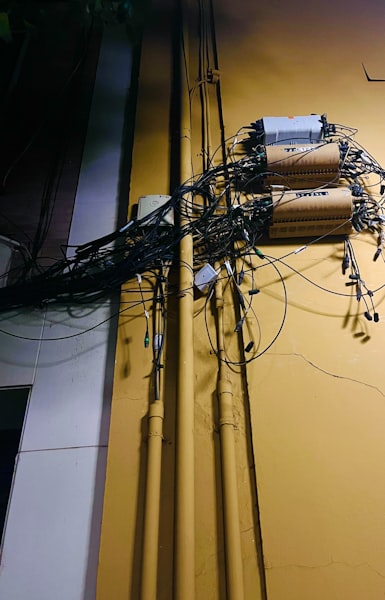
What is a consumer unit?
The consumer unit (commonly called a fuse box or distribution board) is the box where your electricity supply splits into individual circuits — one for the kitchen ring, one for the upstairs lights, one for the shower, and so on. Each circuit is protected by an MCB (miniature circuit breaker) or RCBO (residual current breaker with overcurrent protection).
When solar panels are installed, the inverter's AC output needs to connect to the consumer unit. This may require modifications or a full replacement.
When an upgrade is needed
Insufficient spare ways
A solar installation typically needs 2–3 new circuits in the consumer unit:
- Inverter AC output — a dedicated MCB/RCBO for the inverter's grid connection
- Generation meter circuit — if required by your SEG provider
- EPS circuit (optional) — if you want backup power from your battery
- Diverter circuit (optional) — if installing an Eddi or iBoost
If your consumer unit is full (no spare ways), you need either a larger unit or a secondary board (sub-panel) for the solar circuits.
Non-compliant unit
Current regulations (BS 7671 18th Edition, Amendment 2) require:
- Metal consumer units (not plastic) — for fire safety. If yours is plastic, it should be replaced.
- RCD protection on all circuits — older boards may have some circuits without RCD coverage
- RCBO protection is increasingly preferred (individual RCD+MCB per circuit), though split-load boards with RCDs are still acceptable
If your consumer unit doesn't meet current standards, a solar installer (or any electrician doing notifiable work) is obliged to bring it up to standard. This isn't specific to solar — any electrical work that triggers an inspection may require a board upgrade.
Poor condition
Consumer units deteriorate over time. Corrosion, heat damage, loose connections, or obsolete fuse wire holders all justify replacement. An installer conducting a pre-installation survey will assess the board's condition.
Check your consumer unit before getting quotes
Open the cover of your consumer unit (the outer cover only — never the inner cover protecting live busbars) and note: Is it metal or plastic? How many spare ways are there? Are there labels on each circuit? When was it last inspected (there may be a sticker)? This information helps when discussing quotes with installers.
What a replacement involves
The installation
A consumer unit replacement takes 4–8 hours and involves:
- Power off — your electricity is disconnected for most of the day
- New board mounted — the new metal consumer unit is installed (same location or nearby)
- Circuits transferred — each existing circuit is transferred from the old board to the new one
- Solar circuits added — new MCBs/RCBOs installed for solar-related circuits
- Testing — comprehensive testing of all circuits (insulation resistance, earth fault loop impedance, RCD trip times)
- Certification — an Electrical Installation Certificate (EIC) or Minor Works Certificate is issued
- Building control notification — the work must be notified to building control (your installer handles this if they're registered under a competent person scheme like NICEIC, NAPIT, or ELECSA)
Costs

| Scenario | Typical cost |
|---|---|
| New consumer unit (domestic, 12–16 ways) | £350–£600 |
| As part of a solar installation (may be discounted) | £250–£500 |
| Sub-panel for solar circuits only | £150–£300 |
| RCBO upgrade only (keeping existing board) | £150–£250 |
If the consumer unit upgrade is required as part of your solar installation, the installer should include it in the overall quote. Some installers absorb part of the cost; others itemise it separately.
Don't decline a necessary upgrade
If your installer says the consumer unit needs replacing, take it seriously. This isn't an upsell — it's a regulatory and safety requirement. An outdated or non-compliant board poses a genuine fire and electrocution risk. The solar installation is actually doing you a favour by triggering this upgrade, which would be needed eventually regardless.
When an upgrade isn't needed
If your consumer unit:
- Is a metal enclosure
- Was installed or upgraded in the last 8–10 years
- Has RCD or RCBO protection on all circuits
- Has 2–3 spare ways
- Is in good physical condition
...then you probably won't need a replacement. The solar installer simply adds the new circuits to the existing spare ways. This is a minor modification, not a full replacement.
Sub-panels as an alternative
If your main consumer unit is modern and compliant but has no spare ways, a small sub-panel (also called a way box or distribution board) can be installed specifically for solar circuits. This is cheaper and less disruptive than replacing the entire main board.
A typical solar sub-panel has 4–6 ways and houses the inverter MCB, generation meter, EPS circuits, and diverter circuits. It's fed from a spare way on the main board or from the meter tails directly.
Cost: £150–£300 installed.
What to ask your installer
- "Will my consumer unit need replacing?" — they should assess this during the site survey
- "Is the cost included in the quote?" — get clarity on whether it's included or an extra
- "How many spare ways will be left after installation?" — ensure there's room for future additions (EV charger, heat pump, etc.)
- "Will you issue an Electrical Installation Certificate?" — this is required for consumer unit work
- "Are you registered with a competent person scheme?" — NICEIC, NAPIT, ELECSA, etc. This ensures building control notification is handled
When upgrading your consumer unit, ensure your inverter is compatible. This is the most popular hybrid inverter for UK installations:
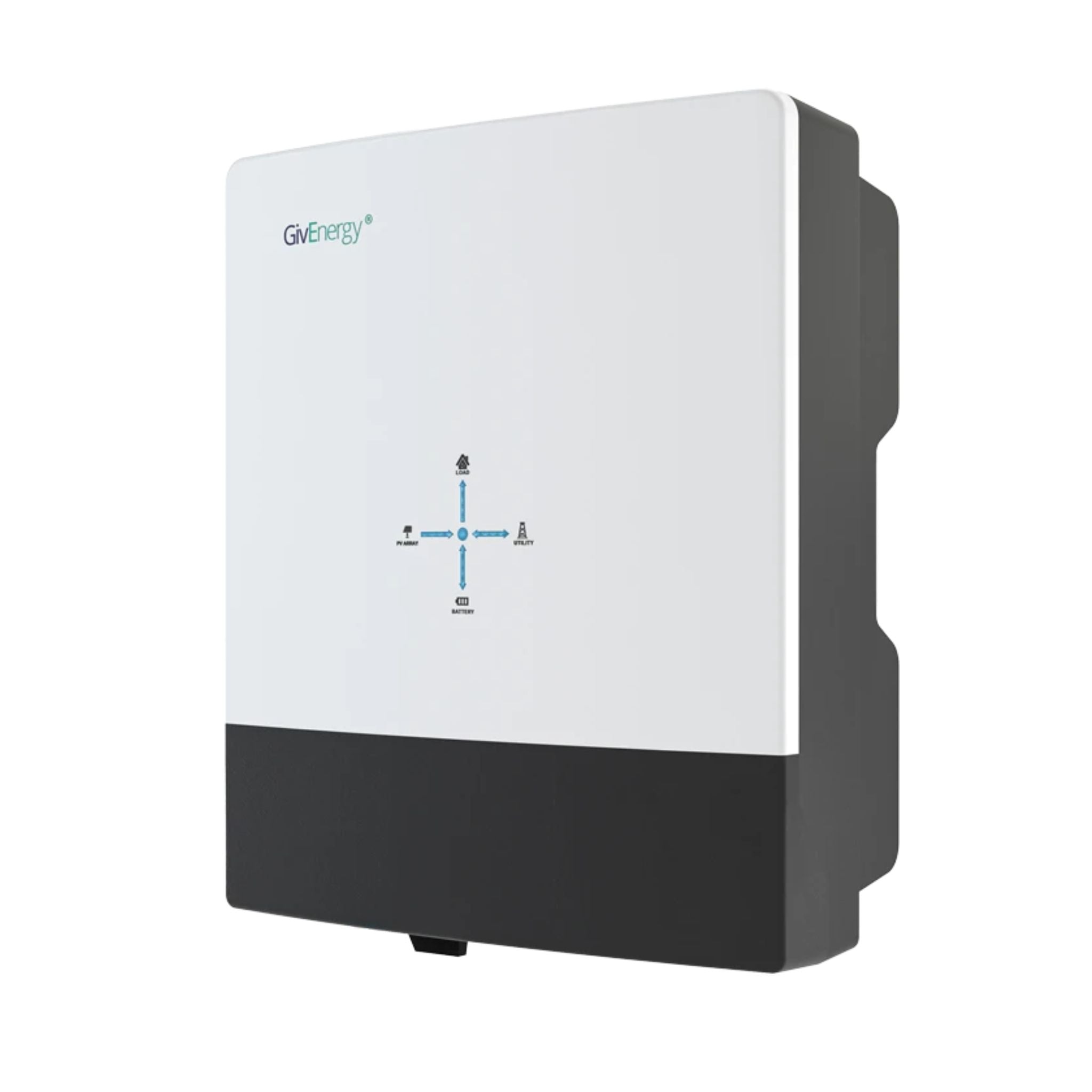
GivEnergy All-in-One 5kW Hybrid Inverter
£1,2005
7.5
2
48V
Affiliate link — we may earn a small commission at no extra cost to you
For a complete solar + battery system that integrates cleanly with modern consumer units:
GivEnergy All-in-One 5kW Hybrid Inverter
£1,2005
7.5
2
48V
Affiliate link — we may earn a small commission at no extra cost to you
Share this article

OVO has carefully selected trusted teams across the UK to install solar panels and heat pumps. Enjoy the personal touch of a local expert with the peace of mind of a household name.
Affiliate link — we may earn a small commission at no extra cost to you
Stay informed
Get free solar updates direct to your inbox
Related reading

How Much Do Solar Panels Cost in the UK in 2026?
Realistic UK solar panel costs broken down by system size, installation, and what actually affects the price you'll be quoted.
Solar Inverters Explained: Types, Sizing, and Real-World Limits
String, micro, and hybrid inverters explained clearly — plus the critical G98/G99 threshold at 3.68kW and what it means for what you can run simultaneously.
Three-Phase Solar Installations: Extra Costs and Complications
What three-phase electricity means for your UK solar installation. Extra costs, inverter options, balancing requirements, and whether it's actually a problem.


Switch to Octopus Energy
Get 50 credit when you switch. We get 50 too — win-win.
What does this mean for YOUR home?
Design your perfect solar setup in under 3 minutes. Free, no sign-up required.
Build Your Solar System