This page contains affiliate links. If you purchase through them we may earn a small commission at no extra cost to you. Learn more
Transparent Solar Windows: Science Fiction or Near Future?

How can a window generate electricity?
It sounds paradoxical — solar panels are opaque because they absorb light to generate electricity. If light passes through, it's not being absorbed. So how can a window be both transparent and solar-generating?
The answer lies in selective absorption. The visible light spectrum (what we see) is only part of the sunlight hitting a surface. Ultraviolet (UV) and near-infrared light are invisible to us but still carry energy. A transparent solar cell can:
- Absorb UV and infrared wavelengths to generate electricity
- Transmit visible light so the window remains see-through
The trade-off is fundamental: the more light you capture for electricity, the less transparent the window becomes. And the visible spectrum contains the majority of solar energy, so transparent cells that avoid capturing it are inherently limited in efficiency.
Current technologies
Organic photovoltaics (OPV)
Organic molecules can be engineered to absorb specific wavelengths while remaining transparent to visible light. These can be deposited as thin films on glass. Michigan State University's research group has achieved ~10% efficiency with semi-transparent organic cells, though fully transparent versions are below 5%.
Luminescent solar concentrators (LSC)
A different approach: the glass contains luminescent particles that absorb UV/infrared light and re-emit it as a different wavelength, guided to the edge of the glass by total internal reflection. Solar cells at the edges of the glass convert this concentrated light to electricity.
LSCs can be quite transparent but efficiency is typically 1–3%. The advantage is that the solar cells are only at the edges, so the main glass area can be high-quality architectural glass.
Perovskite-based transparent cells
Semi-transparent perovskite cells can be tuned to absorb specific wavelengths. They've achieved 12–15% efficiency in semi-transparent configurations, but at this efficiency they're noticeably tinted (usually brownish or greyish), reducing visible light transmission to 20–40%.
CdTe (cadmium telluride) thin film
Some manufacturers produce semi-transparent CdTe panels for building facades. These are typically 10–20% transparent and 8–12% efficient — a compromise between power generation and light admission.
Transparency vs efficiency: the fundamental trade-off
There's a hard physics limit. A perfectly transparent window captures no visible light and can only use UV and infrared — perhaps 5–8% efficiency at best. As you reduce transparency (adding tinting that captures visible light), efficiency increases but the window gets darker. The sweet spot depends on the application: offices might tolerate some tinting, residential windows less so.
What's available in 2026
Commercial BIPV (building-integrated PV)
Semi-transparent solar glass for building facades is commercially available from several manufacturers:
- Onyx Solar (Spain) — coloured and semi-transparent PV glass for facades, canopies, and skylights
- Polysolar (UK) — transparent PV glass for cladding and glazing applications
- Swiss Inso / Solaxess — white solar modules that look like conventional white cladding
- Ubiquitous Energy (US) — truly transparent PV coatings, though very early commercial stage
These products are used primarily in new commercial buildings where architects want solar generation integrated into the building envelope. Costs are significantly higher than standard glazing + separate rooftop panels.
Residential products
For UK homeowners: there are essentially no cost-effective transparent solar window products available in 2026 for retrofit onto existing homes. The technology exists but the economics don't work at residential scale.
Some solar-integrated conservatory or skylight products exist, using semi-transparent panels, but they're niche and expensive.
The maths problem
A south-facing UK roof can accommodate roughly 8–12 conventional panels producing 3–5kW. These panels operate at 22–24% efficiency and cost £5,000–£8,000 installed.
The same surface area covered in transparent solar glass at 5% efficiency would produce roughly one-fifth of the electricity — about 600W–1kW equivalent — at potentially twice the cost of conventional glazing.
For this to make sense, you'd need:
- Roof space already exhausted — you can't fit any more conventional panels
- Large south-facing window area — significant glass surface to compensate for low efficiency
- Willingness to pay a premium for integrated aesthetics over raw performance
In most cases, adding one or two extra conventional panels (if space allows) generates more electricity at lower cost than replacing all your windows with solar glass.
Don't replace windows for solar generation
Replacing existing windows with solar-generating glass is not cost-effective for UK homes in 2026. The cost of new glazing units plus the solar technology far exceeds the value of the modest electricity generated. If your windows need replacing anyway, solar glass might be worth investigating — but never replace functional windows solely for solar generation.
Where transparent solar makes sense today
New-build commercial architecture
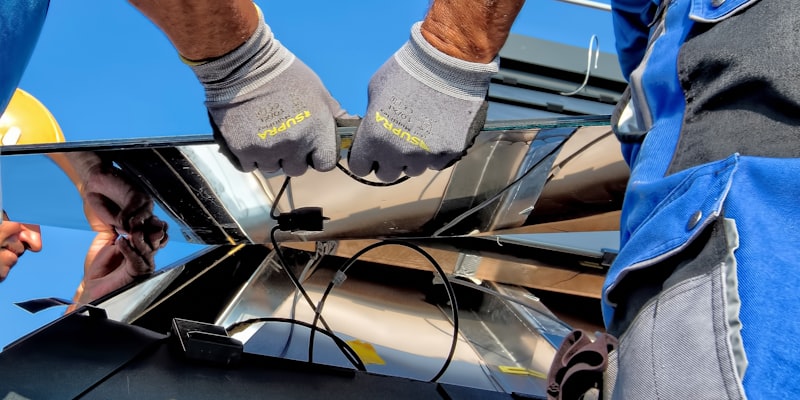
For new office buildings, transparent solar facades can replace conventional solar shading glass at a modest premium while generating useful electricity. The additional cost is offset against the shading glass that would have been installed anyway.
Skylights and atriums
Semi-transparent solar panels work well as skylight material — they reduce solar heat gain (a benefit in commercial buildings) while generating electricity. The slight tinting is often desirable to reduce glare.
Agricultural greenhouses
Solar panels on greenhouse roofs that filter out some wavelengths while transmitting others needed for plant growth is an active research area. This could allow food production and electricity generation on the same land.
Bus shelters and canopies
Small-scale transparent PV canopies are appearing in urban environments, providing shade and generating modest amounts of electricity for lighting or information displays.
The future for UK homes
2026–2030
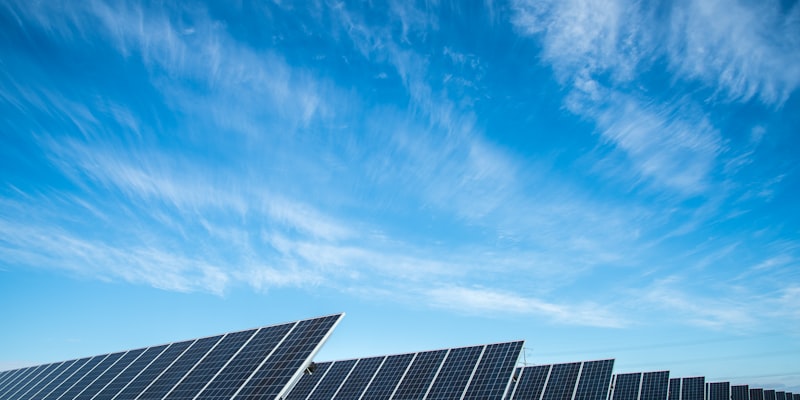
Transparent solar windows remain a niche, premium product. Early adopters of BIPV in new-build homes may incorporate semi-transparent solar glass in conservatories or feature windows, but it won't be mainstream.
2030–2035
As perovskite-based transparent cells mature and manufacturing costs fall, semi-transparent solar glazing could become cost-competitive with premium architectural glass. New-build homes designed with solar-integrated glazing could become common, particularly in developments aiming for net-zero energy certification.
2035+
If efficiency reaches 10–12% while maintaining good transparency, retrofit solar film applied to existing windows could become practical. This is the scenario most homeowners are hoping for — a stick-on film that turns existing windows into modest electricity generators.
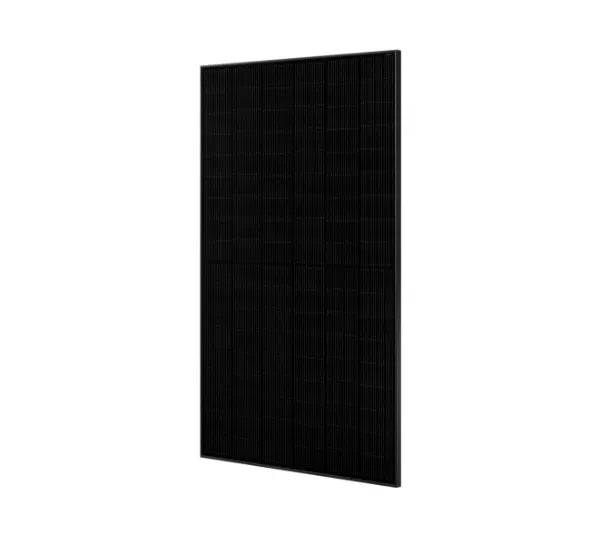
JA Solar JAM54D41 450W N-type TOPCon
£82450
22.8
1722 x 1134 x 30
21.5
Affiliate link — we may earn a small commission at no extra cost to you
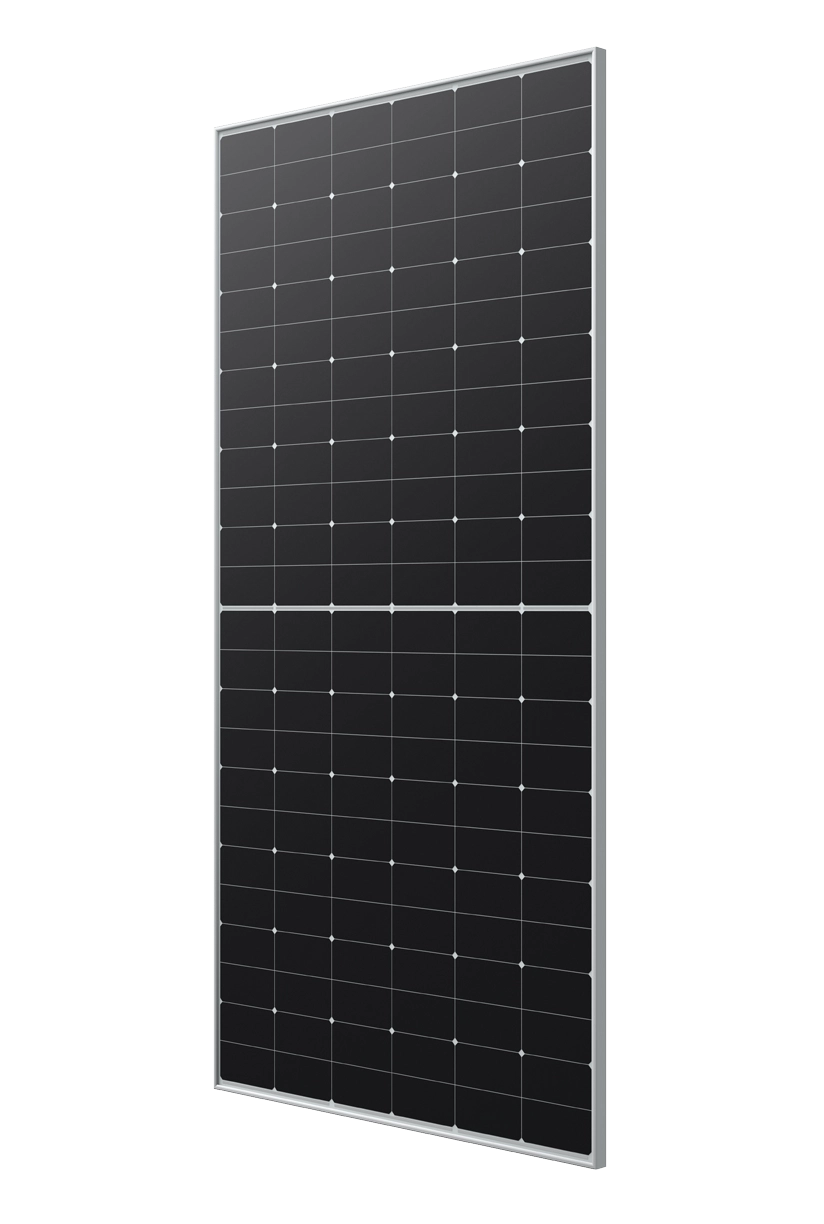
LONGi Hi-MO X6 450W
£85450
23
1722 x 1134 x 30
21.3
Affiliate link — we may earn a small commission at no extra cost to you
The honest verdict
Transparent solar windows are fascinating technology with genuine long-term potential. But for UK homeowners in 2026:
- Conventional rooftop panels are 4–5 times more efficient per square metre
- The cost per watt is many times higher for transparent solar
- Product availability for residential retrofit is essentially zero
The right approach: install conventional panels on your roof now. If transparent solar windows become practical and affordable in the future, they'll supplement your rooftop system — adding generation from window surfaces that currently contribute nothing. They're an addition to conventional solar, not a replacement for it.
Share this article

Leading UK provider of electric car charging cables and EV accessories. Cables for all UK and EU models, with fast delivery and expert support.
Affiliate link — we may earn a small commission at no extra cost to you
Stay informed
Get free solar updates direct to your inbox
Related reading

Perovskite Solar Panels: The Next Generation?
Perovskite solar panels explained — what they are, current efficiency records, durability challenges, and when UK homeowners might actually buy them.
Solar Panel Efficiency: What It Means and Why It's Not Everything
Panel efficiency explained plainly — what the percentage actually means, why the gap between 20% and 22% barely matters for most UK homes, and what you should actually be comparing.

How Do Solar Panels Work? A Simple Explanation
A plain-English explanation of the photovoltaic effect, how solar electricity gets from your roof into your home, and what happens at night or on cloudy days.


Switch to Octopus Energy
Get 50 credit when you switch. We get 50 too — win-win.
What does this mean for YOUR home?
Design your perfect solar setup in under 3 minutes. Free, no sign-up required.
Build Your Solar System