This page contains affiliate links. If you purchase through them we may earn a small commission at no extra cost to you. Learn more
Virtual Power Plants: How Your Battery Can Earn from the Grid

What is a virtual power plant?
A virtual power plant (VPP) isn't a building or a physical location. It's a network — thousands of home batteries, electric vehicles, and smart devices connected via software and controlled collectively as if they were a single large power station.
From National Grid's perspective, that network of household batteries can look and behave like a small gas peaker plant: available on demand, able to inject power into the grid or soak up excess electricity within seconds of a signal. The difference is that it's distributed across thousands of homes instead of located in one place.
Individual home batteries are too small to participate in grid balancing markets directly. A 10kWh battery has no meaningful influence on a national grid that moves gigawatts. But aggregate 50,000 of those batteries and you have a 500MW flexible resource — and that's commercially significant. Aggregators do exactly this: they handle the market access, the control systems, and the complexity, then share the resulting payments with participating homeowners.
How grid service events work
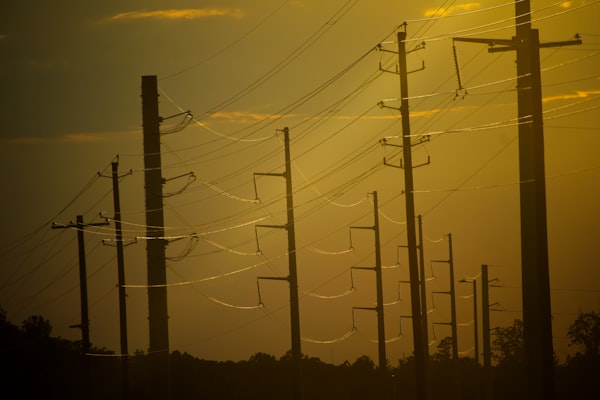
When National Grid needs to balance supply and demand — perhaps because a large power station has tripped unexpectedly, or because wind generation has fallen sharply — it sends a signal to aggregators, who dispatch their pooled devices.
For your battery, this typically means one of two things:
Discharge event: Your battery exports electricity into the grid (or powers your home, freeing grid electricity that would otherwise serve you). This helps at times of high demand or low supply.
Charge event (demand turn-up): Your battery charges rapidly from the grid. This absorbs excess renewable electricity, helping balance the system when there's too much supply.
Events are not frequent or prolonged. Based on current UK schemes, homeowners typically see around 4–6 events per month, each lasting 1–2 hours. You won't be asked to give up your battery daily — it's an occasional call on a resource that's otherwise sitting idle.
Critically, you set a minimum state of charge (SoC) floor — typically 20–30% — and the aggregator can only dispatch energy above that floor. If you've set a 20% minimum and your battery is at 40%, the VPP can use the top 20%, but your reserved 20% remains untouched throughout the event. Your home isn't left without backup power.
Set your SoC floor carefully
Most aggregator apps let you configure your minimum battery floor. A floor of 20–25% is a reasonable balance for most households — it gives the VPP enough to work with while ensuring you retain meaningful backup capacity. If you're on Octopus Agile and regularly arbitrage overnight charges, you may want to coordinate your floor with your overnight discharge schedule.
What you can realistically earn
The honest answer: it depends on which scheme you join, what battery size you have, and how many events occur in a given year.
As a directional ballpark, participating in a VPP scheme adds approximately £200–£400/year to the overall financial case for a VPP-compatible battery. This figure is based on current operator programme structures as of April 2026 — treat it as indicative, not guaranteed.
What drives the variation:
- Battery size: A larger usable capacity means more energy to dispatch per event, and therefore higher payments per event. A 5kWh battery earns less per event than a 10kWh one.
- Event frequency and magnitude: Grid events vary year to year. An unusually volatile year (major weather events, generation outages) may generate more events and higher payments.
- Scheme terms: Payment structures differ significantly between operators. Some pay a guaranteed monthly floor plus per-event rates; others pay purely on dispatch.
£200–£400
approximate annual VPP income on top of tariff savings
Find out what your battery could earnOne thing worth emphasising: VPP income sits on top of your normal tariff savings. It doesn't replace arbitrage or self-consumption — it's an additional revenue stream from capacity that's otherwise idle between your scheduled charge and discharge windows.
Current UK VPP schemes
The UK VPP market has matured considerably since 2023. As of April 2026, the main options for residential battery owners are:
Octopus Energy / Kraken
Octopus operates one of the UK's largest flexibility networks, with over 2GW of pooled capacity and 500,000+ enrolled devices. Their VPP functionality is embedded into tariffs like Agile and Flux rather than being a separate sign-up — event credits appear on your bill. Broad device compatibility makes this accessible to many households.
Axle Energy
Axle supports Fox ESS, GivEnergy, and Sigenergy batteries. Their structure is more explicit: a guaranteed minimum of £10/month plus £1/kWh for energy dispatched during events. This transparency makes it easier to model your likely income, though actual returns depend on event frequency.
Tesla (Powerwall VPP)
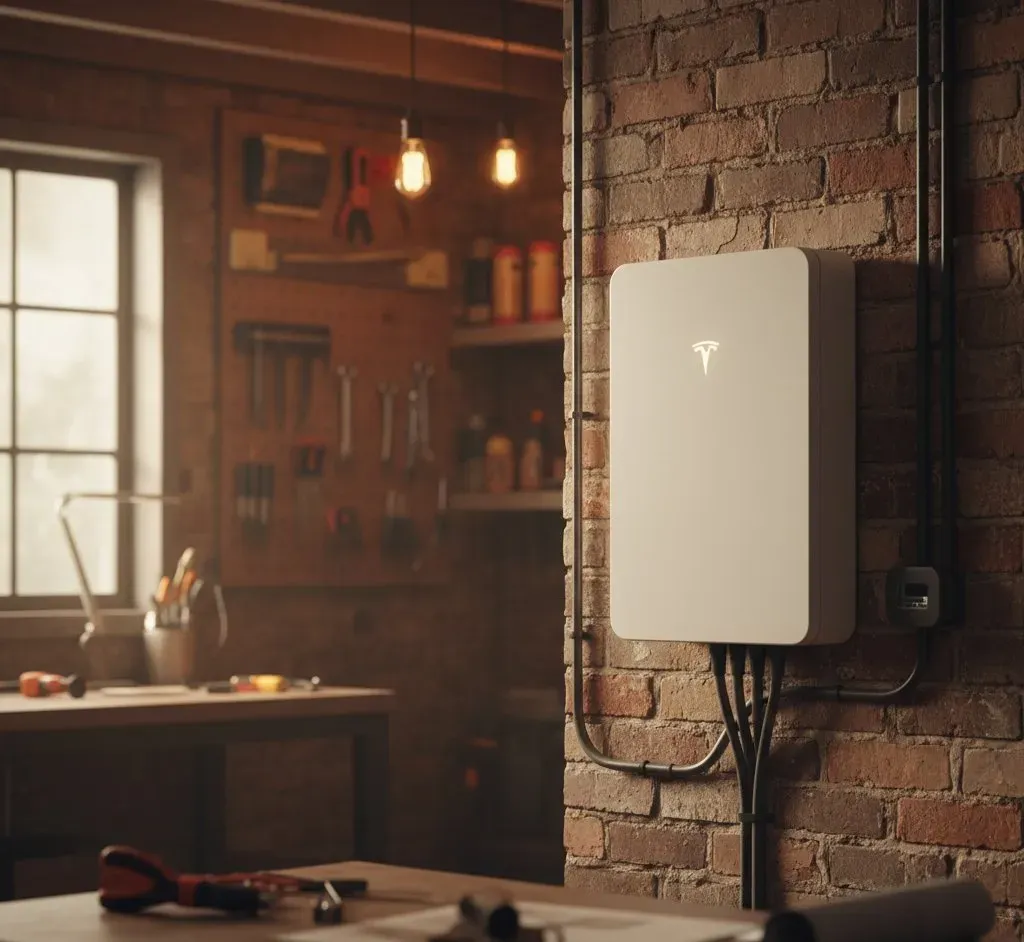
Tesla operates a VPP specifically for Powerwall owners. Payment varies by event type and timing. Compatible with Powerwall 2 and Powerwall 3.
EDF and Kaluza
EDF has run flexibility trials, and Kaluza (formerly OVO's technology arm) operates demand response programmes that can include home batteries. These are worth checking if you're an EDF or OVO customer.
Operator terms change frequently
The VPP market is moving fast. Payment rates, compatible device lists, and programme availability all change — sometimes substantially. The figures and operators listed here reflect April 2026. Before enrolling, verify current terms directly with the operator. Don't base a purchasing decision on VPP income projections alone.
Requirements to join
To participate in a UK VPP scheme, you typically need:
A compatible battery system. Not all inverters and batteries can be remotely dispatched. GivEnergy, Tesla Powerwall, and Fox ESS are the most widely supported. Sunsynk and some Solis systems are gaining compatibility. Check your specific model against your chosen scheme's compatibility list — it can vary by firmware version.
A reliable internet connection. The aggregator needs to communicate with your battery in near real-time. A stable broadband connection is essential; if your internet drops during an event, the dispatch may fail.
A smart meter. Most UK schemes require a SMETS2 smart meter for accurate half-hourly settlement. If you don't have one, your energy supplier can arrange a free installation.
An inverter with remote dispatch capability. Your battery's inverter firmware must support external dispatch commands. This is usually handled through a manufacturer's cloud platform (GivEnergy's portal, Tesla's app, Fox ESS cloud). Some older firmware versions may not support it — check with your installer.
Impact on battery life and warranty
This is a common concern, and it deserves a straightforward answer.
VPP events are infrequent and typically short. The additional cycling from 4–6 monthly events, each lasting 1–2 hours, is small compared to the daily cycling you're already doing for arbitrage or self-consumption. Current evidence suggests the marginal degradation from VPP participation is not a significant concern for most homeowners.
On warranty: most manufacturers (GivEnergy, Tesla, others) don't void warranties for VPP participation, provided it occurs through their approved aggregator programme. Axle Energy, for example, operates within GivEnergy's approved framework. However, unofficial or third-party dispatch methods that bypass the manufacturer's cloud may create warranty complications — worth checking if you're using any non-standard control software.
If your battery is warrantied for 6,000 cycles over 10 years, a few hundred extra VPP cycles spread across the decade won't materially change the outcome.
VPP vs manual tariff arbitrage
These aren't competing approaches — they're complementary. But it's worth understanding the distinction:
In practice, most battery owners who can do arbitrage should also explore VPP enrolment. The two revenue streams don't significantly interfere with each other — VPP events are rare enough that they're unlikely to prevent your normal overnight charging or daytime solar self-consumption.
The main tension: if you're on Agile and an event fires at exactly your cheap overnight charging window, the VPP may temporarily redirect your battery. Aggregators are generally aware of this conflict and some will suppress events during periods with low grid electricity prices, since the financial signal for a demand turn-up event diminishes when prices are already cheap.
Is it worth it?
For most battery owners with a compatible system, enrolling in a VPP scheme is worth exploring. The income is modest but essentially passive — you set your SoC floor, enrol, and let the aggregator handle the rest. There's no ongoing management required beyond occasional monitoring.
The caveats:
- Don't buy a battery specifically for VPP income. At £200–£400/year, it takes many years to influence the payback calculation meaningfully. Buy a battery for self-consumption and arbitrage savings first; VPP is the bonus.
- Compatibility matters more than expected. Some battery systems marketed as "smart" or "connected" turn out not to support remote dispatch. Verify before assuming.
- Schemes and rates will change. The VPP market will look quite different after MHHS (Market-Wide Half-Hourly Settlement) rolls out in 2027, which is expected to open up more sophisticated grid service products for residential batteries. Income could increase — or the mix of available services could shift.
If you're purchasing a new battery system and VPP participation is important to you, choosing a GivEnergy or Tesla Powerwall at the outset is the most straightforward path to compatibility with the widest range of current UK schemes.
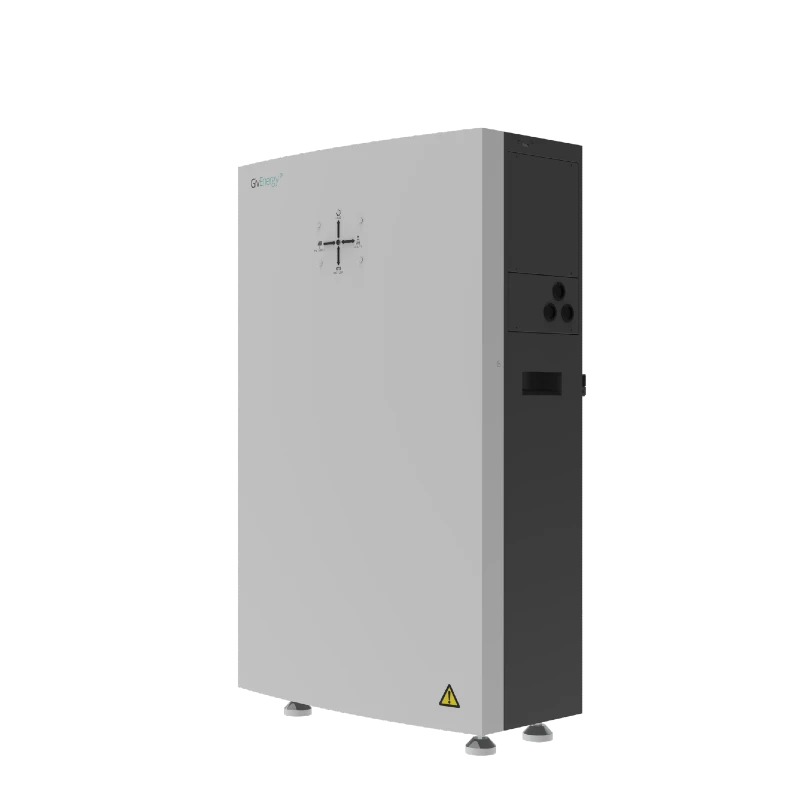
GivEnergy All-in-One 9.5kWh Battery
£5,5009.5
8.6
LFP
6000
Affiliate link — we may earn a small commission at no extra cost to you
Share this article

OVO has carefully selected trusted teams across the UK to install solar panels and heat pumps. Enjoy the personal touch of a local expert with the peace of mind of a household name.
Affiliate link — we may earn a small commission at no extra cost to you
Stay informed
Get free solar updates direct to your inbox
Related reading

Battery Arbitrage: Buy Low, Sell High with Solar
How battery arbitrage works with time-of-use tariffs in the UK. Charge cheap, discharge expensive, and boost your solar savings with smart battery trading.
Solar Battery Storage: Complete UK Guide 2026
Adding battery storage to a UK solar installation — types, sizing, costs, and which products are worth considering in 2026.
Best Smart Tariffs for Battery Storage in 2026: Head-to-Head Comparison
The best tariff for battery storage in the UK compared side by side — Octopus Go, Agile, Flux, Cosy, E.ON Drive, and Tesla Energy Plan rated for 2026.


Switch to Octopus Energy
Get 50 credit when you switch. We get 50 too — win-win.
What does this mean for YOUR home?
Design your perfect solar setup in under 3 minutes. Free, no sign-up required.
Build Your Solar System