This page contains affiliate links. If you purchase through them we may earn a small commission at no extra cost to you. Learn more
Battery Arbitrage: Buy Low, Sell High with Solar
What is battery arbitrage?
Battery arbitrage is a simple concept: buy electricity when it's cheap, store it in your battery, and use it (or export it) when electricity is expensive. The difference between the buy and sell price is your profit.
This isn't new — industrial energy traders have done this for decades with massive grid-scale batteries. What's changed is that home batteries and time-of-use (ToU) tariffs have made it accessible to UK households.
The tariffs that make it work
Arbitrage requires electricity prices that vary by time of day. In 2026, the main UK options are:
Octopus Agile
The gold standard for arbitrage. Prices change every 30 minutes based on wholesale markets, published a day ahead. Rates typically range from 5–15p/kWh overnight to 25–45p/kWh during the 4–7pm peak. Occasionally, prices go negative — you're literally paid to consume electricity.
Octopus Go / Intelligent Octopus Go
A simpler two-rate tariff: cheap overnight rate (5.5p/kWh for 4–6 hours) and a standard daytime rate (around 24p/kWh). Less volatile than Agile but more predictable for planning.
Octopus Flux
Designed specifically for solar + battery households. Three rate bands: cheap overnight (10p), standard daytime (24p), and premium export during the 4–7pm peak. Export during peak can earn 24–32p/kWh.
Economy 7 / Economy 10
The original time-of-use tariffs. Cheaper overnight rates, but the differential is usually smaller than Agile or Go, making arbitrage less lucrative.
How much can you actually make?
Let's run the numbers for the most common scenarios:
Octopus Go with a 5kWh battery
- Charge 5kWh overnight at 5.5p/kWh = 27.5p cost
- Use that 5kWh during the evening instead of importing at 24p/kWh = £1.20 saved
- Daily profit: ~92p (minus ~5% inverter losses)
- Annual profit: ~£325 (assuming daily cycling)
Octopus Agile with a 10kWh battery
Agile is more variable, but on a typical day:
- Charge 10kWh at an average of 8p/kWh overnight = 80p cost
- Discharge during 4–7pm peak at an average of 35p/kWh saved = £3.50 value
- Daily profit: ~£2.55 (minus losses)
- Annual profit: £500–£900 depending on price volatility
On exceptional days (wholesale price spikes), a single day's arbitrage can earn £5–£10.
Octopus Flux with solar + battery
Flux is designed for export during peak:
- Solar charges battery during the day (free)
- Battery exports during 4–7pm at the Flux peak export rate (24–32p/kWh)
- Battery also charges from cheap overnight grid (10p/kWh)
- Combined self-consumption + export arbitrage can yield £400–£700/year from a 10kWh battery
Setting up arbitrage on your inverter
Most modern hybrid inverters support timed charge/discharge schedules:
GivEnergy
Use the GivEnergy portal or app to set charge and discharge time slots. Enable "Eco" mode and configure:
- Charge from grid: 00:30–04:30 (matching your cheap tariff window)
- Target SoC (state of charge): 100% by end of cheap period
- Discharge to grid: optional, during peak export periods
- Reserve level: 10–20% minimum for household backup
Sunsynk / Solis / Fox ESS / Growatt
Similar time-slot scheduling available through their respective apps/portals. The specific menu names vary but the concept is identical — set a time window to charge from grid and a time window to discharge (or simply stop charging and let home consumption drain the battery).
Automate it with third-party tools
Manual scheduling works but doesn't adapt to daily Agile price changes. Tools like Predbat (a Home Assistant add-on), Batpred, or Solar Assistant can automatically read tomorrow's Agile prices and set optimal charge/discharge windows on your inverter. This can add 10–20% more value than a fixed schedule by responding to daily price variations.
Arbitrage + solar: the combined strategy
Arbitrage and solar self-consumption aren't competing strategies — they complement each other:
Morning: Battery has cheap overnight charge. Home runs on battery. Midday: Solar panels generate surplus. Battery tops up from solar (free). Afternoon/evening: Battery discharges to power the home during expensive peak hours, or exports at peak rates. Overnight: Battery charges again from cheap grid electricity.
This dual charging approach (grid overnight + solar midday) means the battery cycles roughly 1.2–1.5 times per day instead of once. That's more wear, but the additional revenue easily justifies the marginal degradation.
The costs and risks
Battery degradation
More cycles = more degradation. A battery rated for 6,000 cycles will last:
- Self-consumption only (0.5 cycles/day): ~33 years
- Self-consumption + arbitrage (1.2 cycles/day): ~14 years
- Aggressive arbitrage (2 cycles/day): ~8 years
Most batteries are warranted for 10 years regardless. If arbitrage earns you an extra £300–£500/year, that's £3,000–£5,000 over 10 years — significantly more than the cost of any accelerated degradation.
Tariff changes
The main risk. If Octopus Agile's price spread narrows, or if cheap overnight rates increase, the arbitrage profit shrinks. Energy policy changes could also affect export rates.
You can't lock in today's tariffs for 10 years. However, the trend towards more variable pricing (driven by increasing renewable generation) suggests price spreads will, if anything, widen over time.
Round-trip efficiency losses
Charging and discharging a battery isn't 100% efficient. Typical round-trip efficiency is 85–92% for lithium batteries. So for every 10kWh you charge, you get 8.5–9.2kWh back. Factor this into your calculations — it typically reduces arbitrage profits by 8–15%.
Check your tariff's export rate
Not all tariffs pay well for export. Octopus Flux pays premium export during peak hours, making grid export profitable. Octopus Go uses a basic SEG rate — reasonable but not as lucrative as Flux's 24–32p/kWh peak window. On Go, the main strategy is to use the battery to avoid importing during expensive hours rather than exporting. The distinction matters for your charging schedule.
Is arbitrage right for you?
Ideal for arbitrage:
- 5kWh+ battery with a hybrid inverter that supports scheduled charging
- Time-of-use tariff with at least 15p/kWh differential between cheap and peak periods
- Willingness to either configure schedules manually or set up automation
- Ideally solar panels too, for the combined strategy
Not ideal for:
- Flat-rate electricity tariffs (no price differential to exploit)
- Very small batteries (3kWh) where self-consumption alone fills the battery
- People who want zero-maintenance, set-and-forget solar
The bottom line: if you have a battery and you're not on a time-of-use tariff, you're leaving money on the table. The switch to Octopus Go or Agile is free and can add hundreds of pounds per year to your battery's value.
This is the battery system most UK owners are using for arbitrage — it supports scheduled charging out of the box:
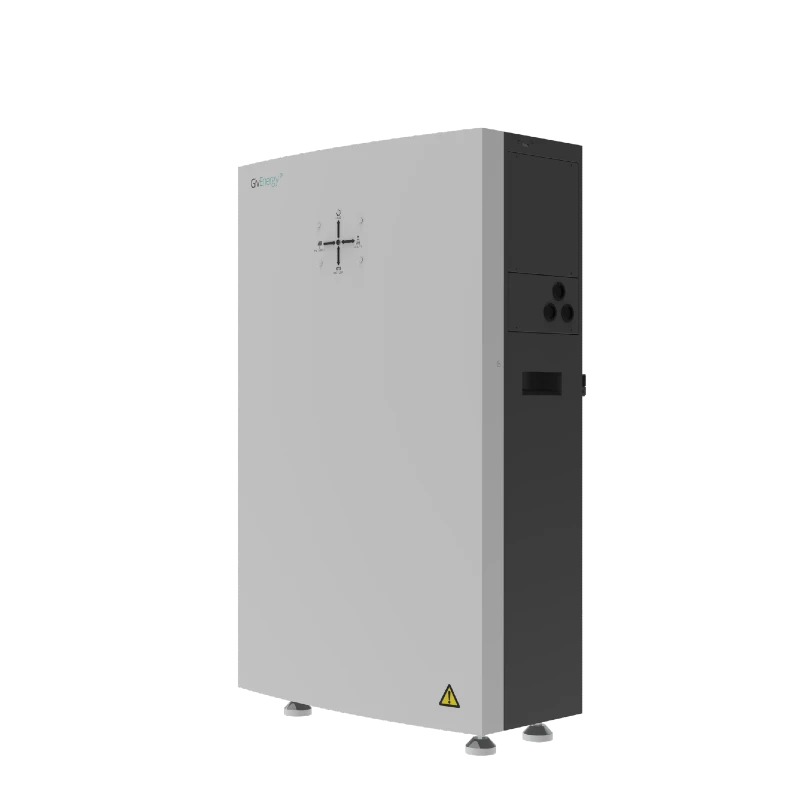
GivEnergy All-in-One 9.5kWh Battery
£5,5009.5
8.6
LFP
6000
Affiliate link — we may earn a small commission at no extra cost to you
For a larger capacity setup ideal for maximising arbitrage returns:
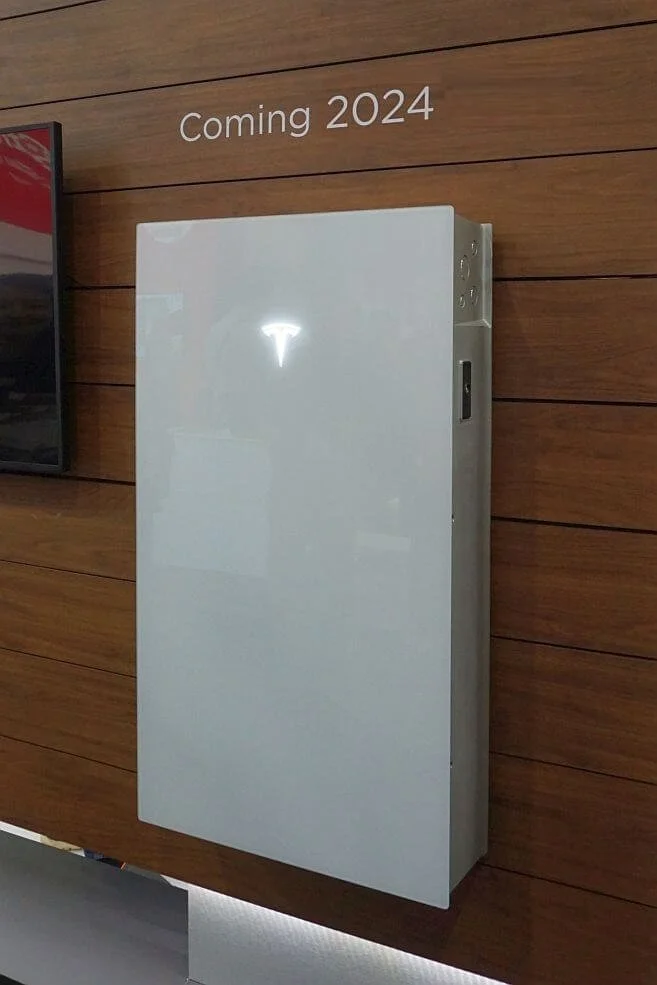
Tesla Powerwall 3
£8,50013.5
13.5
LFP
4000
Affiliate link — we may earn a small commission at no extra cost to you
Share this article

OVO has carefully selected trusted teams across the UK to install solar panels and heat pumps. Enjoy the personal touch of a local expert with the peace of mind of a household name.
Affiliate link — we may earn a small commission at no extra cost to you
Stay informed
Get free solar updates direct to your inbox
Related reading
Solar Battery Storage: Complete UK Guide 2026
Everything you need to know about adding battery storage to a UK solar installation — types, sizing, costs, and which products are worth considering in 2026.

Virtual Power Plants: Your Battery in the Grid
How virtual power plants (VPPs) work in the UK, which battery brands participate, and how much you can earn by letting the grid use your home battery.
SEG Rate Comparison: Who Pays the Most for Export?
Compare Smart Export Guarantee (SEG) rates from UK energy suppliers in 2026. Find who pays the best rate for your exported solar electricity.


Switch to Octopus Energy
Get 50 credit when you switch. We get 50 too — win-win.
What does this mean for YOUR home?
Design your perfect solar setup in under 3 minutes. Free, no sign-up required.
Build Your Solar System