This page contains affiliate links. If you purchase through them we may earn a small commission at no extra cost to you. Learn more
AC vs DC Coupled Batteries: Which Setup Suits Your Home?
What do AC and DC coupling mean?
Solar panels generate direct current (DC) electricity. Your home runs on alternating current (AC). Somewhere between the panels and your plug sockets, an inverter converts DC to AC.
When you add a battery, it has to connect somewhere in that chain. The two options are:
- AC coupling — the battery connects to the AC side, after the inverter
- DC coupling — the battery connects to the DC side, before the inverter
That connection point is the coupling method, and it shapes cost, efficiency, installation complexity, and what happens to your existing equipment.
Here is how each works in practice:
AC-coupled flow:
Panels → Solar inverter (DC to AC) → House wiring → Battery inverter/charger (AC to DC for storage, DC to AC for discharge) → House
DC-coupled flow:
Panels → Hybrid inverter (manages panels + battery together, DC to AC in one pass) → House
AC coupling explained
With AC coupling, the battery has its own built-in inverter/charger. It sits on the household wiring — the AC side of your system — and handles its own conversions independently of the solar inverter.
When your panels produce more than the house needs, the battery's inverter/charger converts that surplus AC electricity into DC to charge the battery. When the battery discharges, it converts DC back to AC for the house to use.
That means every unit of electricity stored and retrieved passes through two conversion steps: AC to DC on the way in, and DC to AC on the way out. Each step has small losses, which is why AC-coupled round-trip efficiency sits at around 90–94%.
Despite that efficiency penalty, AC coupling accounts for roughly 60–70% of battery retrofits in the UK. The reason is practical: your existing solar inverter stays in place, your existing wiring is untouched, and your MCS installation certificate is undisturbed. A separate battery unit is added alongside what you already have.
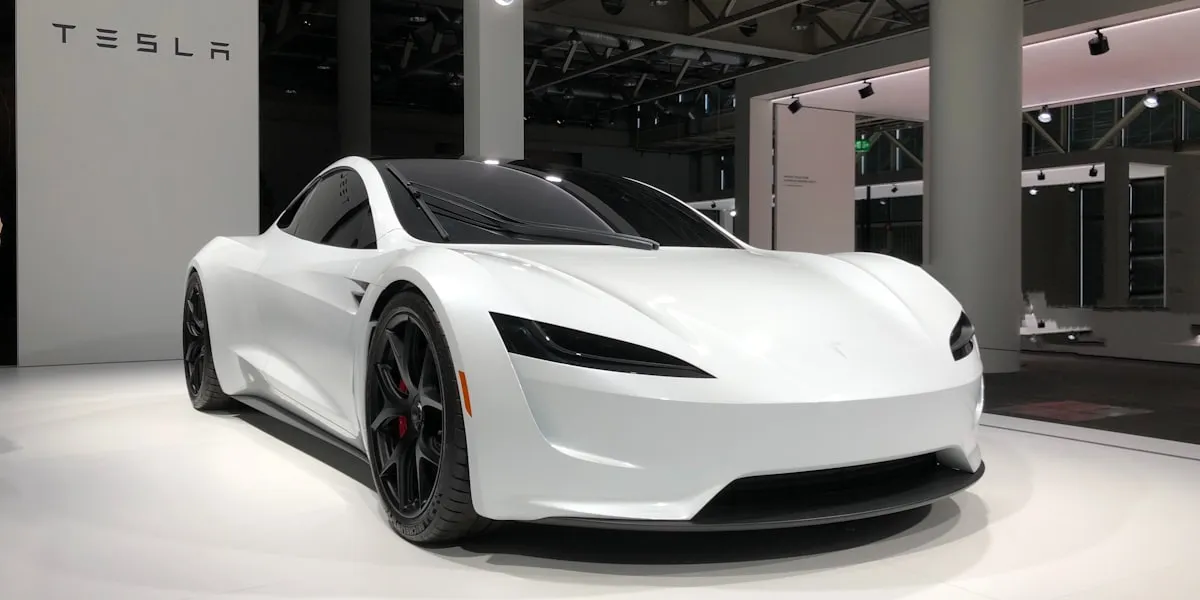
Typical AC-coupled products popular in the UK include the GivEnergy AIO, Sofar HYD series, and the Tesla Powerwall 3. Installation typically takes half a day.
AC coupling and MCS certification
When you had your solar panels installed, the system was MCS-certified. Replacing the solar inverter with a hybrid unit restarts that process — a new MCS installation record is required. AC coupling avoids this entirely because the original inverter and panels remain untouched.
DC coupling explained
With DC coupling, a single hybrid inverter manages both the solar panels and the battery. The panels feed DC electricity directly into the hybrid inverter, which charges the battery and/or converts power to AC for the house — in one pass, without the extra conversion steps.
Because DC coupling avoids the round-trip AC-DC-AC conversion, round-trip efficiency reaches approximately 98%. A greater proportion of what you generate is available to use.
DC coupling also means a simpler system in some respects: one device to monitor, one manufacturer to deal with, one point of failure rather than two. Popular hybrid inverters used in UK installations include GivEnergy hybrid units, SunSynk, Solis, and Fox ESS.
The main constraint is that DC coupling requires the hybrid inverter to be installed alongside the solar panels from the outset — or it means replacing an existing string inverter with a hybrid unit, which carries additional cost and regulatory implications.
Which is better for a retrofit?
If you already have solar panels, AC coupling is almost always the more practical route.
Here is why:
- Your existing solar inverter stays — no replacement cost (typically £800–£1,500 for the inverter alone)
- Your wiring stays — minimal disruption
- Your MCS installation record is undisturbed — no re-certification required
- Total install cost is typically £500–£1,000 less than a DC-coupled retrofit involving inverter replacement
- Installation is quicker — most AC-coupled installs complete in half a day
The only case where DC coupling makes sense as a retrofit is if your solar inverter is already near or at end-of-life — typically 10 to 15 years old, or showing faults. If you are going to replace it anyway, that is the moment to consider upgrading to a hybrid inverter and gaining DC coupling from that point forward.
If you want more detail on the retrofit process specifically — including compatibility checks, what to ask your installer, and typical costs — the adding a battery to existing solar guide covers all of that.
Which is better for a new installation?
If you are starting from scratch — no panels yet — DC coupling via a hybrid inverter is worth exploring as your default.
A hybrid inverter handles everything from day one: solar generation, battery charging and discharging, grid import and export. You get the higher efficiency, a single device to monitor, and a cleaner installation with no parallel systems.
Popular hybrid inverter options for UK new builds include:
- GivEnergy — strong UK installer network, good app, well-supported
- SunSynk — competitive pricing, flexible configuration
- Solis — reliable mid-range option with good warranty terms
- Fox ESS — growing UK presence, competitive on cost
All of the above use LiFePO4 battery chemistry when paired with compatible batteries, which is the chemistry to look for in 2026.
If you are still working out whether a battery makes sense at all alongside new panels, the solar battery storage guide is a good starting point.
The efficiency difference in practice
The gap between AC and DC coupling is real. But it is worth putting it in perspective before it becomes the dominant factor in your decision.
The round-trip efficiency difference is roughly 4–8 percentage points (90–94% for AC vs ~98% for DC).
On a 10kWh battery cycling once daily at the current standard flat rate of 24p/kWh (Q2 2026, from verified-rates.json):
- DC-coupled: 10kWh in, ~9.8kWh out — value of stored power ~£2.35/day
- AC-coupled: 10kWh in, ~9.2kWh out — value of stored power ~£2.21/day
- Daily difference: ~14p
Over a full year of daily cycling: roughly £50. Over ten years: £300–£500.
That is not trivial, but it is unlikely to be the deciding factor when the cost of achieving DC coupling on a retrofit — inverter replacement, re-certification, additional labour — can run to £1,500 or more.
This calculation assumes full daily cycling
Real-world battery use varies. In summer, a well-sized battery may cycle fully most days. In winter, partial cycling is common. Your actual efficiency gain from DC coupling will be lower than the theoretical maximum if the battery does not cycle fully every day.
What about converting an existing system to DC coupling?
It is possible, but it involves replacing your solar inverter with a hybrid unit. That means:
- The existing string inverter is decommissioned and removed
- A hybrid inverter is installed in its place
- The DC wiring from the panels is re-connected to the hybrid inverter
- The battery is wired on the DC side
- A new MCS installation record is required
The cost of the hybrid inverter itself (typically £800–£1,500 for a quality unit) plus additional labour and re-certification means this is only financially sensible if the existing inverter is already failing or at end-of-life.
If your inverter is under ten years old and working well, the payback on switching to DC coupling purely for efficiency gains is unlikely to be favourable.
25%
of UK solar homes now have battery storage — up from around 6% in 2020
Find out how to size your batteryPutting it together
The coupling decision usually makes itself based on your situation:
- Adding a battery to existing panels? AC coupling is almost certainly the right path — lower cost, no disruption, no re-certification.
- Installing solar for the first time? Consider a hybrid inverter from the outset and get DC coupling built in from day one.
- Existing inverter at end-of-life? That is the one scenario where switching to DC coupling on a retrofit is worth exploring properly.
For more background on battery storage generally, the solar battery storage guide covers chemistry, sizing, and costs. If you are already planning a retrofit, adding a battery to existing solar walks through the full process. And if you are trying to choose a specific hybrid inverter, the solar inverters explained guide and the GivEnergy inverter review are useful starting points.
This article does not constitute financial or installation advice. Consult a qualified MCS-certified installer before making changes to your system.
Share this article

OVO has carefully selected trusted teams across the UK to install solar panels and heat pumps. Enjoy the personal touch of a local expert with the peace of mind of a household name.
Affiliate link — we may earn a small commission at no extra cost to you
Stay informed
Get free solar updates direct to your inbox
Related reading
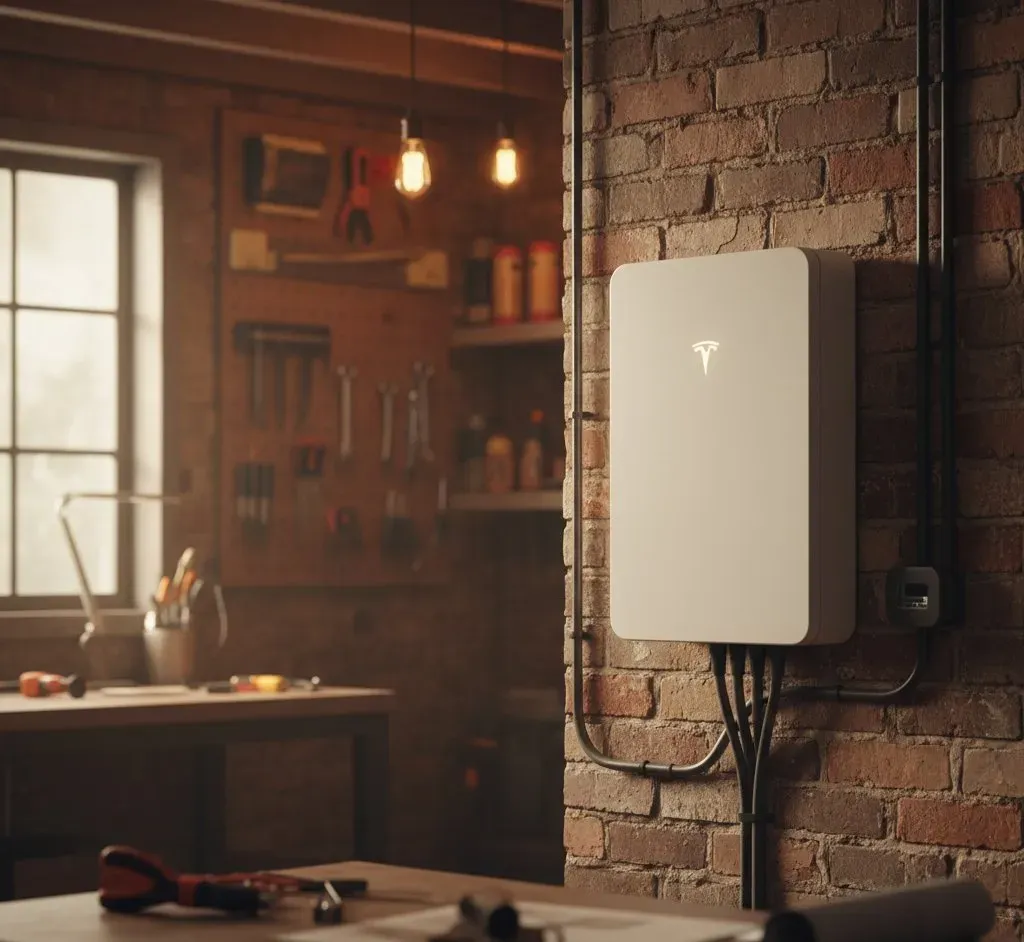
Solar Battery Storage: Complete UK Guide 2026
Adding battery storage to a UK solar installation — types, sizing, costs, and which products are worth considering in 2026.
Adding a Battery to Existing Solar: What's Involved
How to add battery storage to an existing solar panel system. Compatibility, costs, installation options, and what to ask your installer before committing.
Battery Sizing Sweet Spot: How Big Is Big Enough?
How to choose the right battery size for your UK solar system. The sweet spot between too small, too big, and just right for your consumption patterns.


Switch to Octopus Energy
Get 50 credit when you switch. We get 50 too — win-win.
What does this mean for YOUR home?
Design your perfect solar setup in under 3 minutes. Free, no sign-up required.
Build Your Solar System