This page contains affiliate links. If you purchase through them we may earn a small commission at no extra cost to you. Learn more
Adding a Battery to Existing Solar: What's Involved
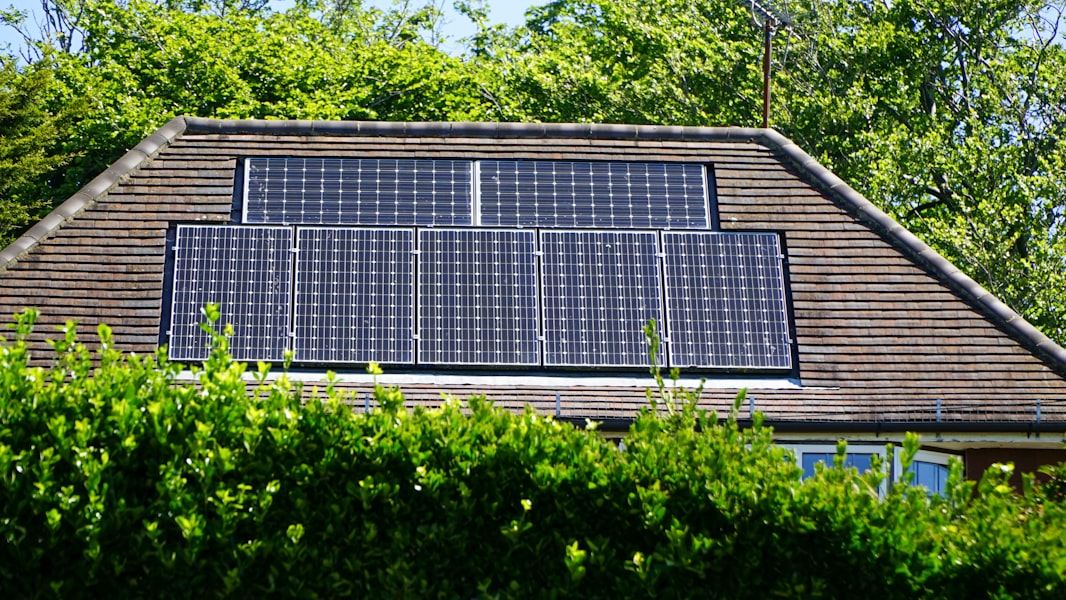
You installed solar panels a few years ago and now you're wondering about adding a battery. It's one of the most common upgrades for UK solar owners — but it's not quite as simple as just plugging one in.
Two Ways to Add a Battery
Option 1: AC-Coupled Battery (Retrofit-Friendly)
An AC-coupled battery has its own built-in inverter. It connects to your existing consumer unit (fuse board) on the AC side of your system. Your existing solar inverter stays in place.
How it works:
- Your existing solar panels and inverter generate AC electricity as normal
- The battery's built-in inverter converts AC to DC for storage, and back to AC for discharge
- The battery monitors your consumption and generation, charging from surplus and discharging when needed
Advantages:
- Works with any existing solar installation
- No changes to your existing inverter or wiring
- Simpler installation — typically half a day
- Your existing system is completely undisturbed
Disadvantages:
- Slightly less efficient (extra AC→DC→AC conversion step: ~5% loss)
- Battery + built-in inverter can cost more than DC-coupled equivalents
- Two inverters to maintain instead of one
Suitable products: Tesla Powerwall 3, GivEnergy AIO, Sofar HYD series
Option 2: DC-Coupled Battery (Inverter Replacement)
A DC-coupled battery connects directly to the DC side of your system. This requires replacing your existing string inverter with a hybrid inverter that handles both solar and battery.
How it works:
- Solar panels generate DC electricity
- The hybrid inverter manages solar DC, battery DC, and AC output to your home
- No additional conversion steps — slightly more efficient
Advantages:
- More efficient (one fewer conversion step)
- Single inverter to manage and monitor
- Often cheaper if your existing inverter was due for replacement anyway
Disadvantages:
- Requires replacing your existing (possibly perfectly working) inverter
- More complex installation — rewiring from solar panels needed
- Existing inverter's remaining lifespan is wasted
- Higher labour cost
The Age of Your Inverter Matters
If your existing inverter is 8+ years old and approaching end of life (typical string inverters last 10–15 years), replacing it with a hybrid inverter during the battery installation makes good sense. You're upgrading an ageing component and adding battery capability in one step. If your inverter is only 2–3 years old, an AC-coupled battery avoids wasting the remaining inverter lifespan.
Compatibility Checklist
Before adding a battery, check:
System Size and Generation
Is your system large enough to generate meaningful surplus? A 2kW system in the Midlands generates roughly 1,800 kWh/year — there may not be enough surplus to justify a battery. Systems of 3.5kW+ are better candidates.
Electrical Capacity
Your consumer unit needs space for additional circuits (battery connection, battery isolator). Most modern consumer units have spare ways available. If yours is full, the installer may need to add a sub-board.
Physical Space
Batteries need wall space:
- GivEnergy AIO: 600mm × 475mm × 242mm
- Tesla Powerwall 3: 1098mm × 609mm × 193mm
- Most batteries mount on a garage or utility room wall
Check ventilation requirements — some batteries need a minimum clearance for airflow.
DNO Notification
Adding a battery is a modification to your generating installation. Your installer must notify the DNO under G98 (for systems up to 3.68kW per phase). This is a notification, not an application — the DNO can't refuse, but they must be informed.
Don't Skip DNO Notification
Failing to notify the DNO about a battery addition can affect your insurance cover and may cause issues if the grid has a fault. Your installer should handle this as part of the installation, but confirm it's been done.
Costs
| Option | Battery Cost | Inverter/Installation | Total |
|---|---|---|---|
| AC-coupled 5kWh (e.g., GivEnergy AIO) | £2,500–£3,500 | £500–£1,000 | £3,000–£4,500 |
| AC-coupled 10kWh (e.g., Tesla Powerwall 3) | £5,000–£7,000 | £500–£1,000 | £5,500–£8,000 |
| DC-coupled 5kWh (new hybrid inverter + battery) | £2,000–£3,000 | £1,500–£2,500 | £3,500–£5,500 |
Labour costs depend on installation complexity and location. Simple AC-coupled installations in easily accessible locations are cheapest.
Choosing the Right Battery Size

| Household Profile | Recommended Size | Reason |
|---|---|---|
| Low usage, small system (2–3kW) | 3–5 kWh | Matches limited surplus generation |
| Average usage, 4kW system | 5–7 kWh | Covers evening self-consumption |
| High usage, 5kW+ system | 8–10 kWh | Maximises solar capture and tariff arbitrage |
| EV + heat pump, 6kW+ system | 10–15 kWh | Handles large evening loads |
Don't overbuy. A battery that's too large for your system won't cycle fully, wasting capacity and extending payback. A 5kWh battery that cycles daily is better value than a 15kWh battery that only half-cycles.
The Installation Process
Day before: Installer may visit for a site survey if they haven't already.
Installation day (typical AC-coupled):
- Mount the battery on the wall (1–2 hours)
- Wire to the consumer unit (1–2 hours)
- Install CT clamps for generation/consumption monitoring (30 minutes)
- Commission and configure the battery system (1 hour)
- Test and demonstrate to the homeowner (30 minutes)
Total: 4–6 hours for a straightforward AC-coupled installation.
DC-coupled installations with inverter replacement take longer — typically a full day.
After Installation
Configure and Monitor
Set up the battery monitoring app. Check that generation, battery charge/discharge, and grid import/export are all reading correctly. Let the system run for a week in default mode before changing settings.
Consider Switching Tariff
If you've been on a flat-rate tariff, a battery unlocks the value of time-of-use tariffs like Octopus Flux or Agile. The tariff arbitrage can significantly improve battery payback.
Set Up Automation
For maximum savings, install Home Assistant and Predbat to automate battery scheduling based on pricing and solar forecasts.
Update Insurance
Inform your home insurer about the battery addition and increase your sum insured to cover the battery's replacement cost.
What to Ask Your Installer
- "AC-coupled or DC-coupled — which do you recommend for my existing system and why?"
- "Will my existing inverter need replacing?"
- "What battery size do you recommend based on my generation and usage data?"
- "Will you handle the DNO notification?"
- "Does the battery include backup power capability, and if so, is that included in the price?"
- "What monitoring and control options come with the battery?"
- "Can I expand the battery later if I want more capacity?"
A good installer will assess your existing system, review your generation and consumption data, and recommend the most cost-effective upgrade path. Get at least three quotes and compare total installed prices for like-for-like specifications.
The most popular AC-coupled battery for retrofit installations in the UK is the GivEnergy All-in-One:
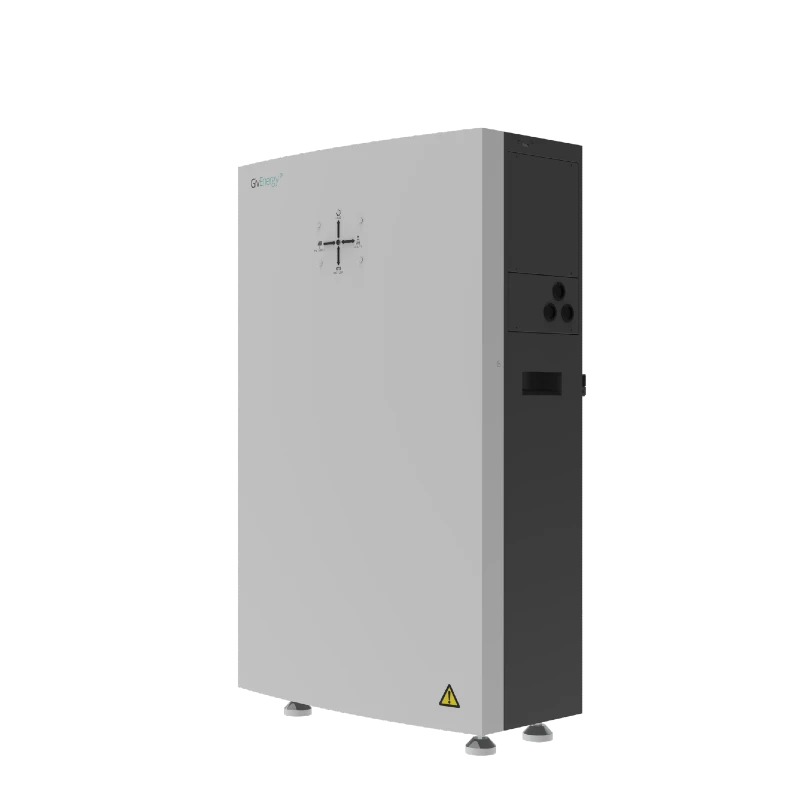
GivEnergy All-in-One 9.5kWh Battery
£5,5009.5
8.6
LFP
6000
Affiliate link — we may earn a small commission at no extra cost to you
For the premium retrofit option with the best backup power capability:
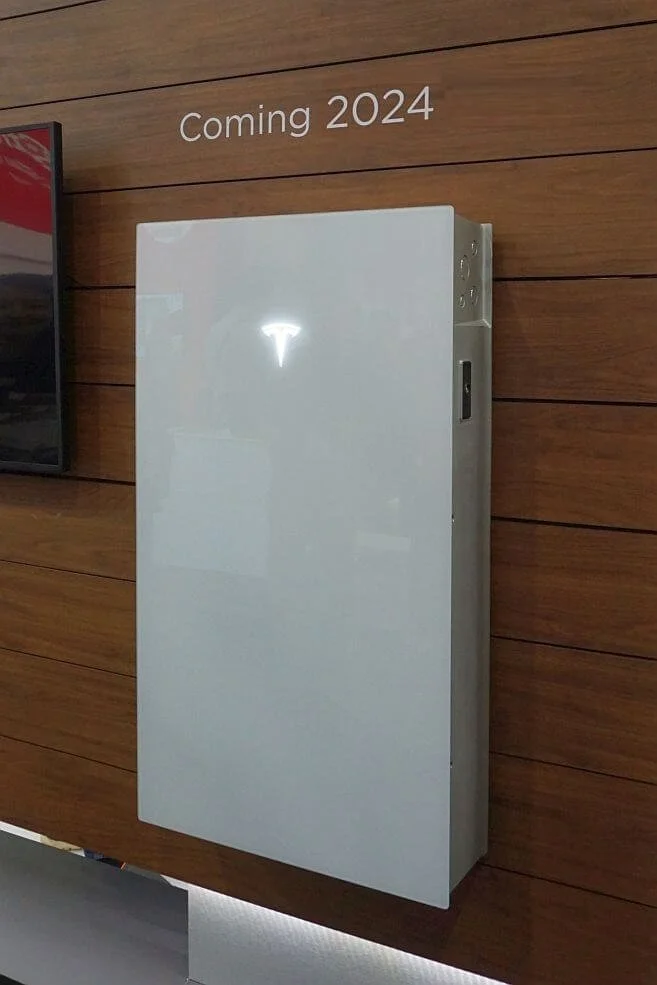
Tesla Powerwall 3
£8,50013.5
13.5
LFP
4000
Affiliate link — we may earn a small commission at no extra cost to you
For detailed battery payback calculations, see our battery payback analysis.
Self-consumption vs export
See how adding a battery shifts your solar from export to self-use. Based on a typical 4 kW system (9 x 450W panels) generating 4,200 kWh/yr.
Self-used
1,680 kWh
Worth ~£412/yr
Exported
2,520 kWh
Earns ~£302/yr
Self-consumed electricity saves you the full import rate (24.5p/kWh). Exported electricity earns only the export rate (12p/kWh) — less than half. That is why batteries make such a difference.
Share this article

EcoFlow makes portable power stations and solar panels for home backup, off-grid, and solar storage without installation. The Delta Pro is the UK community favourite.
Affiliate link — we may earn a small commission at no extra cost to you
Stay informed
Get free solar updates direct to your inbox
Related reading
Solar Battery Storage: Complete UK Guide 2026
Everything you need to know about adding battery storage to a UK solar installation — types, sizing, costs, and which products are worth considering in 2026.

Battery Storage Payback: Is It Worth the Extra Cost?
Honest analysis of battery storage payback in the UK. When batteries pay for themselves, when they don't, and the hidden factors that change the calculation.
Solar Inverters Explained: Types, Sizing, and Real-World Limits
String, micro, and hybrid inverters explained clearly — plus the critical G98/G99 threshold at 3.68kW and what it means for what you can run simultaneously.


Switch to Octopus Energy
Get 50 credit when you switch. We get 50 too — win-win.
What does this mean for YOUR home?
Design your perfect solar setup in under 3 minutes. Free, no sign-up required.
Build Your Solar System