This page contains affiliate links. If you purchase through them we may earn a small commission at no extra cost to you. Learn more
Tariff Stacking: Combining Solar, Battery, and Smart Tariffs
What is tariff stacking?
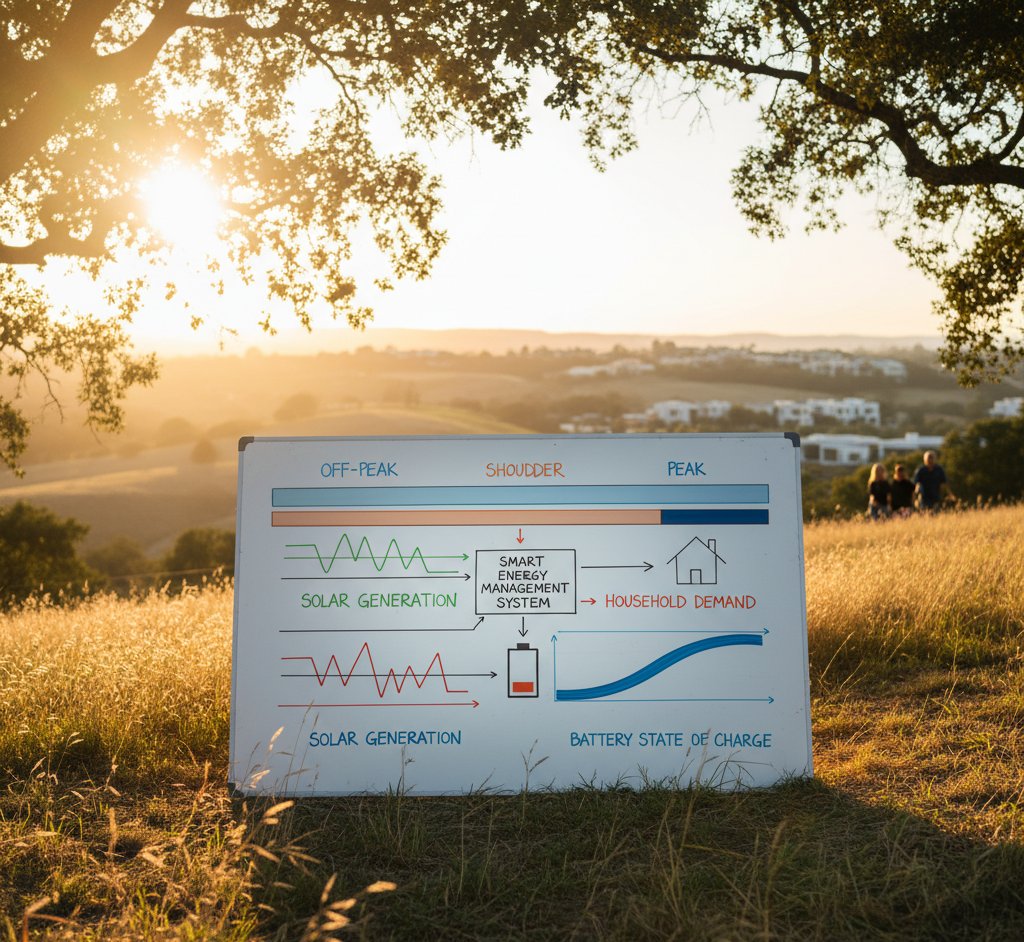
Tariff stacking is the practice of layering multiple energy cost-saving and income-generating strategies on top of each other. Each layer captures value from a different source:
- Solar self-consumption — using your own generation instead of importing (saves ~24p/kWh at the April 2026 price cap)
- Battery self-consumption — storing surplus for evening use (saves ~24p/kWh)
- Cheap grid charging — charging the battery overnight at 5.5–10p/kWh (saves vs 24p peak)
- Premium export — exporting during peak hours at 15–32p/kWh (earns more than standard SEG)
- VPP/grid services — earning from frequency response or demand events (extra £100–£400/year)
- Diverter savings — hot water from surplus solar (saves 5–7p/kWh of gas)
- EV smart charging — charging from surplus solar or cheap overnight rates
No single strategy delivers maximum value. The magic is in combining them.
The tariff stacking pyramid
Think of it as layers, each building on the one below:
Layer 1: Solar self-consumption (foundation)
Every kWh you generate and use directly saves you the full retail rate — ~24p/kWh at the April 2026 price cap. This is the most valuable layer because the saving per kWh is highest.
A 4kW system with 30–40% self-consumption rate uses roughly 1,200–1,600 kWh directly, saving £290–£384/year.
Layer 2: Battery storage
A battery increases self-consumption to 60–80% by storing daytime surplus for evening use. The additional 1,000–1,500 kWh shifted from export to self-consumption saves another £240–£450/year.
Layer 3: Smart import tariff
Moving to a time-of-use tariff (Octopus Go, Agile, Cosy) lets you charge the battery overnight at 5.5–10p/kWh instead of importing at 24p/kWh during the day. Annual saving: £150–£300 from the rate differential alone.
Layer 4: Premium export
Switching from a standard SEG rate (3.3–5.2p basic, up to 15p best fixed) to a time-of-use export tariff (Flux peak: 24–32p/kWh) increases export income. With a battery, you can shift export to peak hours. Additional annual value: £50–£200.
Layer 5: Grid services / VPP
Enrolling your battery in grid balancing services through a VPP scheme adds £50–£400/year depending on battery size and scheme type.
Layer 6: Diverter and EV
A hot water diverter saves £100–£250/year in gas/electricity. Smart EV charging from surplus solar or cheap overnight rates saves vs petrol and public charging costs.
Worked example: full stack
Household: 3,500 kWh annual consumption, 4kW solar, 10kWh battery, Eddi diverter, EV
Without solar (flat tariff at 24.5p/kWh — April 2026 price cap): £858/year electricity cost
With full tariff stack:
| Layer | Annual value |
|---|---|
| Solar self-consumption (1,400 kWh x 24p saved) | £336 |
| Battery self-consumption (1,200 kWh x 24p saved) | £288 |
| Cheap grid charging (saves 18.5p/kWh differential on 1,500 kWh) | £278 |
| Premium export (500 kWh x 15p premium over standard SEG) | £75 |
| VPP income | £150 |
| Hot water diverter (800 kWh displacing gas at 7p) | £56 |
| Total value | £1,183 |
| Net electricity cost | ~£0 to -£325 (net positive) |
This is not hypothetical — UK households with optimised systems are achieving these numbers today. The system potentially generates more value than the electricity consumed, resulting in zero or even negative net energy costs.
Which tariff combinations work best?
Octopus Agile (import + export)
- Half-hourly pricing for both import and export
- Maximum flexibility and highest ceiling for savings
- Requires automation (Predbat) to capture full value
- Best for technically engaged users
Octopus Flux
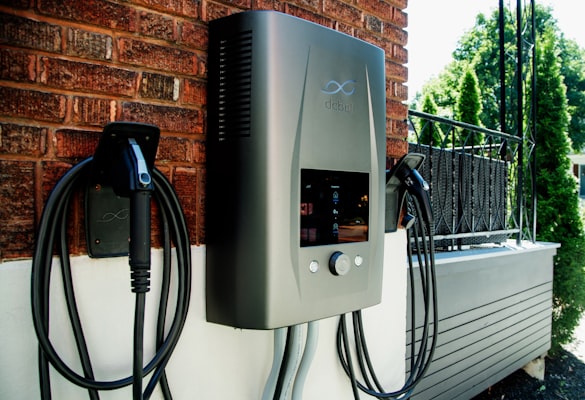
- Three-rate import (cheap/standard/peak) + three-rate export
- Premium peak export rate (24–32p/kWh) is the key feature
- Simpler than Agile — fixed daily rate bands
- Good for battery owners who want export income without complex automation
Octopus Go + separate SEG
- Simple two-rate import (cheap overnight, standard daytime)
- Pair with the best available SEG for export
- Easiest to set up — fixed charge window, no daily optimisation needed
- Good baseline with less complexity
Intelligent Octopus Go
- Cheap overnight rate with flexible charging windows for EVs
- Combines well with solar + battery for whole-home optimisation
- Octopus may charge your EV during additional cheap periods beyond the core window
Don't let perfect be the enemy of good
The biggest savings come from the first two layers (solar + battery). Together, they typically deliver 60–70% of the total possible savings. The additional layers add meaningful value, but if the complexity of Agile automation puts you off, starting with Go and a fixed charge schedule still captures most of the benefit. You can always add sophistication later.
Setting up tariff stacking
Step 1: Install solar + battery
This is the foundation. Without generation and storage, the other layers have limited value.
Step 2: Switch to a time-of-use tariff
Contact Octopus (or your preferred supplier) to switch. No cost, no contract.
Step 3: Configure battery charging
Set up overnight charging windows on your inverter to match the cheap tariff period. GivEnergy, Sunsynk, and most hybrid inverters support this.
Step 4: Add automation (optional but valuable)
Install Predbat or equivalent for Agile price optimisation. This requires Home Assistant and some technical setup.
Step 5: Add a diverter
If you have a hot water cylinder, install an Eddi or iBoost to capture surplus after the battery is full.
Step 6: Enrol in a VPP
Check whether your battery brand offers VPP participation. Enrol for additional income.
Monitor everything
Tariff stacking only works if your system is correctly configured. Monitor your app data for the first few weeks after any change — check that the battery charges during the cheap window, discharges during peak, and that export happens when intended. Misconfiguration can result in expensive charging during peak hours instead of cheap ones.
The bottom line
Tariff stacking is where solar + battery economics really sing. Each additional layer captures value from a different angle — self-consumption, rate arbitrage, export timing, and grid services. The combined effect can reduce or eliminate your electricity bill entirely.
Start with the fundamentals (solar + battery + smart tariff) and add complexity as you gain confidence. The UK energy market is increasingly designed to reward flexible, intelligent consumers — and solar + battery owners are best positioned to benefit.
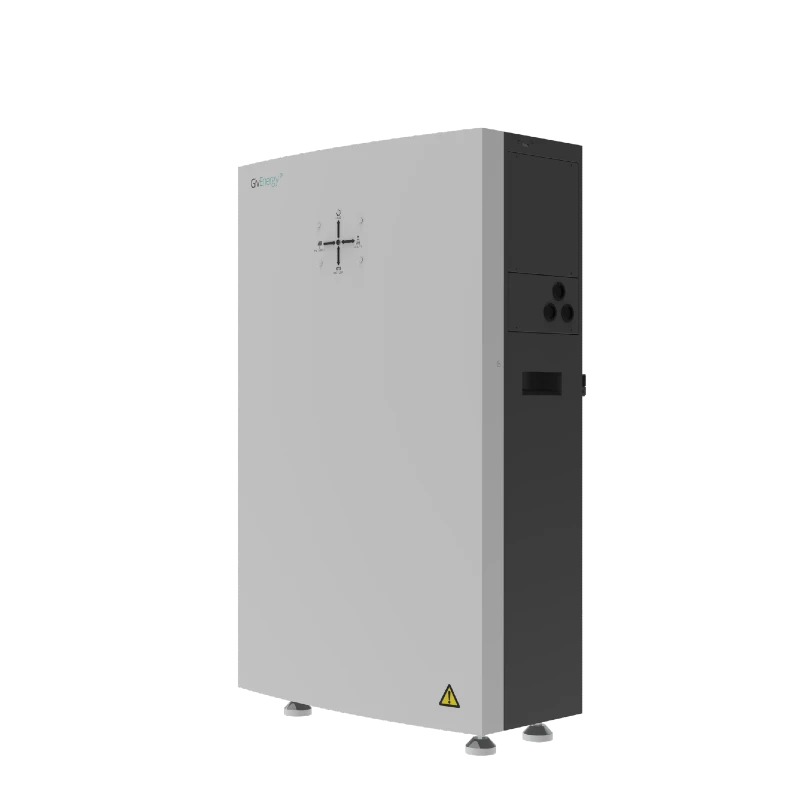
GivEnergy All-in-One 9.5kWh Battery
£5,5009.5
8.6
LFP
6000
Affiliate link — we may earn a small commission at no extra cost to you
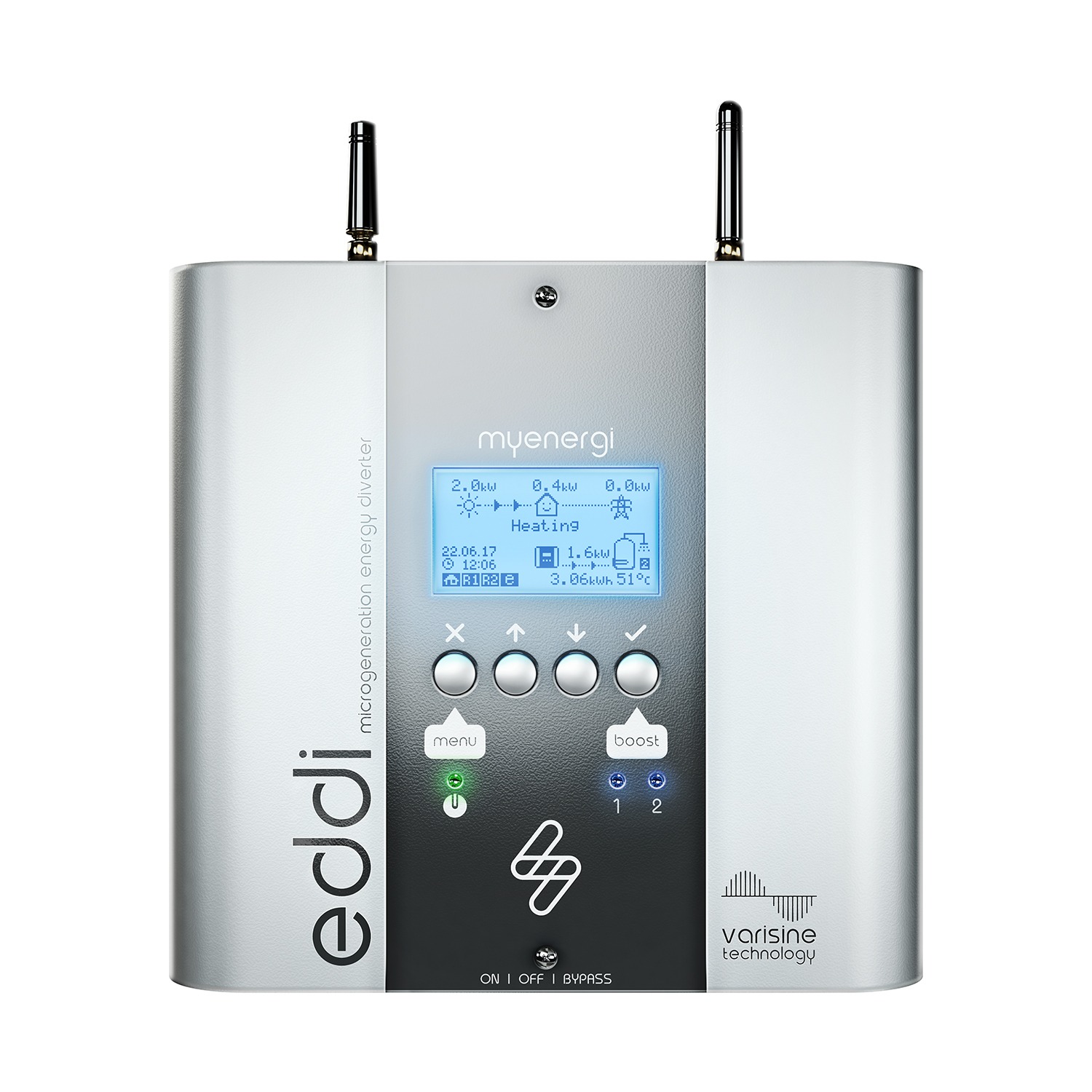
myenergi Eddi Solar Diverter
£1853000
power_divert,timed_boost
2
configurable
Affiliate link — we may earn a small commission at no extra cost to you
Share this article

OVO has carefully selected trusted teams across the UK to install solar panels and heat pumps. Enjoy the personal touch of a local expert with the peace of mind of a household name.
Affiliate link — we may earn a small commission at no extra cost to you
Stay informed
Get free solar updates direct to your inbox
Related reading

Battery Arbitrage: Buy Low, Sell High with Solar
How battery arbitrage works with time-of-use tariffs in the UK. Charge cheap, discharge expensive, and boost your solar savings with smart battery trading.

Dynamic Energy Pricing: The Future of Electricity Bills
How dynamic and time-of-use electricity pricing works in the UK, which tariffs are available, and why solar + battery owners benefit most from variable rates.
SEG Rate Comparison: Who Pays the Most for Export?
Compare Smart Export Guarantee (SEG) rates from UK energy suppliers in 2026. Find who pays the best rate for your exported solar electricity.


Switch to Octopus Energy
Get 50 credit when you switch. We get 50 too — win-win.
What does this mean for YOUR home?
Design your perfect solar setup in under 3 minutes. Free, no sign-up required.
Build Your Solar System