This page contains affiliate links. If you purchase through them we may earn a small commission at no extra cost to you. Learn more
Cleaning Solar Panels: Is It Worth It?
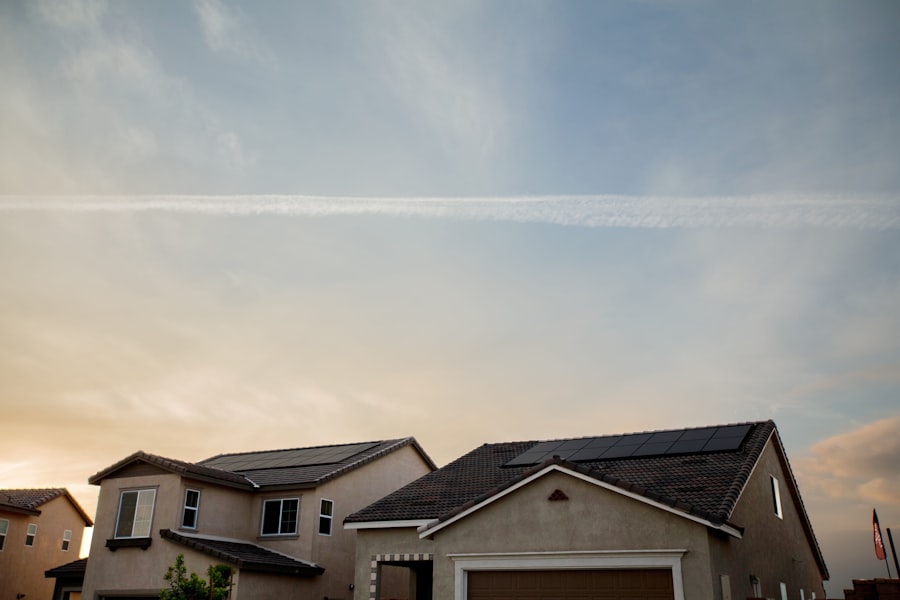
Solar panel cleaning is one of the most over-discussed and over-sold aspects of solar ownership. In most of the UK, rain does a perfectly adequate job. But there are situations where cleaning genuinely helps.
Do Solar Panels Actually Get Dirty?
Yes, but the UK climate helps. Regular rainfall washes away most dust, pollen, and light soiling. Glass-surfaced panels are designed to shed water and dirt.
What rain doesn't remove:
- Bird droppings — sticky, acidic, and can block individual cells
- Tree sap and pollen — builds up under overhanging trees
- Lichen and moss — grows slowly in persistently damp, shaded spots
- Road dust and pollution — accumulates on panels near busy roads
- Agricultural residue — panels in rural areas near farms can get dust and crop spray deposits
How Much Does Dirt Reduce Output?
Studies show:
| Level of Soiling | Typical Output Loss |
|---|---|
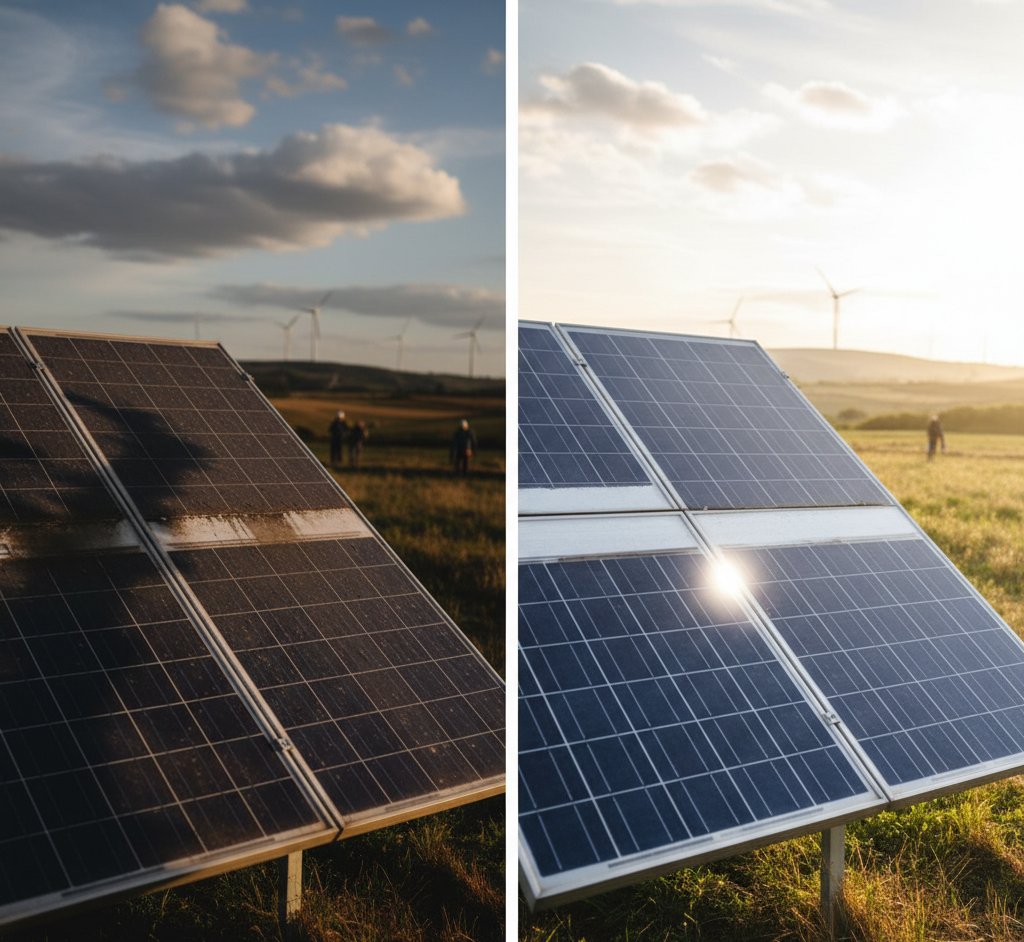
| Light dust/pollen | 1–3% |
| Moderate soiling (6+ months without rain) | 3–7% |
| Heavy soiling (bird droppings, tree sap) | 5–15% |
| Severe soiling (moss, lichen, agricultural) | 10–25% |
For a 4kW system generating £700/year, a 5% loss is £35/year. Professional cleaning costs £50–£150. The maths only works if your panels are genuinely dirty.
When Cleaning Is Worth It
Under Trees
Panels under or near deciduous trees accumulate sap, pollen, and leaf debris. Annual cleaning in spring (after pollen season) and autumn (after leaf fall) can improve output by 5–10%.
Bird Problems
If birds perch on or above your panels, droppings accumulate. A single large dropping on one cell can reduce that panel's output significantly (due to how cells are wired in series). Clean promptly if you notice concentrated droppings.
Low Roof Pitch
Panels on roofs below 15° don't self-clean well because rainwater doesn't sheet off effectively. These need more frequent cleaning.
Near Busy Roads or Construction
Panels facing a busy road or near construction sites accumulate fine dust and particulates faster than normal.
Coastal Areas
Salt spray builds up on panels in coastal locations. While rain eventually washes it off, the salt can leave mineral deposits that reduce transparency.
When Cleaning Probably Isn't Worth It
Standard Residential Roof, No Trees
If your panels are at 25°+ pitch on a normal residential roof without overhanging trees, UK rainfall keeps them sufficiently clean. Annual output loss from dirt is typically under 3% — not worth paying to fix.
You'd Need Scaffolding to Reach Them
If cleaning requires scaffolding (most two-storey houses), the cost of access (£200–£500) makes the economics terrible. Only clean from the ground or from a safe ladder position.
Never Walk on Solar Panels
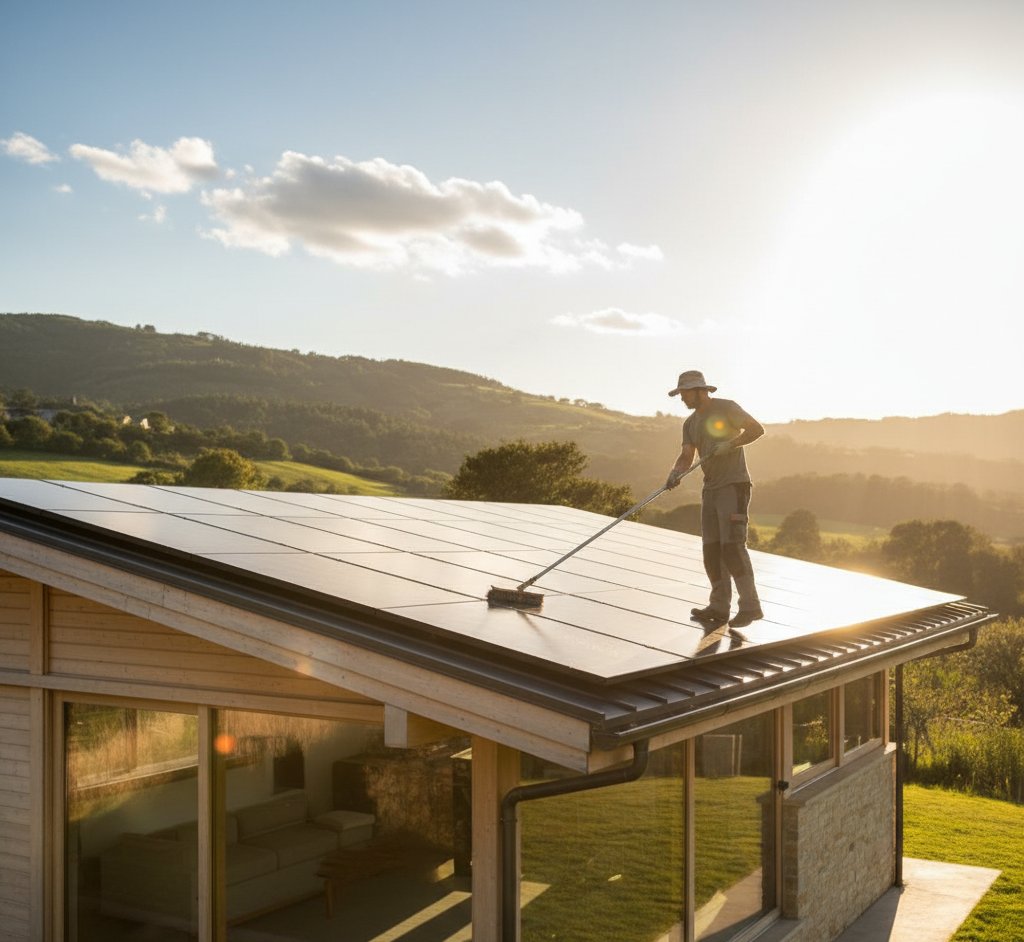
Solar panels are not designed to bear weight. Walking on them can crack cells (invisible micro-cracks that permanently reduce output) and void your warranty. Never climb onto panels or allow anyone else to. Clean from the ground with a long-handled brush or hire a professional with appropriate equipment.
How to Clean Solar Panels
DIY Cleaning (From the Ground)
What you need:
- Garden hose with a spray nozzle
- Soft-bristle brush on a telescopic pole (window-cleaning poles work well)
- Clean, plain water (no detergent)
Method:
- Clean early morning or late evening (panels are cool; cold water on hot panels can cause thermal shock)
- Rinse with the hose to remove loose dirt
- Gently brush with the soft brush to remove stubborn marks
- Rinse again
- Let dry naturally — no need to squeegee
What NOT to use:
- Washing-up liquid or detergent (leaves residue that attracts more dirt)
- Pressure washer (damages panel coatings and seals)
- Abrasive sponges or cloths (scratches the glass)
- Tap water in very hard water areas (can leave mineral deposits — use rainwater if possible)
Professional Cleaning
Professional solar panel cleaners use:
- Deionised water (no mineral deposits when it dries)
- Water-fed telescopic poles (clean from the ground)
- Soft brushes designed for solar panels
Cost: £50–£150 for a typical residential system (ground-accessible) Frequency: Once or twice a year if your panels need it
Ask for Before and After Generation Data
If you pay for professional cleaning, check your inverter readings before and after. A good clean should show a measurable improvement in generation. If there's no noticeable difference, your panels probably didn't need cleaning in the first place — save the money next time.
The Pigeon Problem
Pigeons nesting under solar panels is a common UK issue. Droppings accumulate, debris blocks ventilation, and nesting material can be a fire risk.
Solutions:
- Mesh guards: Wire mesh fitted around the panel edges prevents birds nesting underneath. Cost: £200–£400 for a typical system. Best fitted at installation time but can be retrofitted.
- Plastic clips: Cheaper than mesh, clip to the panel edges. Less durable.
- Spikes: Fitted along the panel edges or on the roof ridge above.
If pigeons are a problem, mesh guards are the best long-term solution. Cleaning alone won't fix the root cause.
Annual Maintenance vs Cleaning
Cleaning is just one part of panel maintenance. A more valuable annual check includes:
- Visual inspection from the ground (cracks, discolouration, debris)
- Inverter check (error codes, performance data)
- Generation review (is output declining faster than expected?)
- Wiring check (visible damage or wear)
See our maintenance checklist for a complete annual routine.
The Bottom Line
For most UK solar panel owners:
- Don't pay for routine cleaning unless you have specific soiling problems
- Do clean if you have bird droppings, tree sap, or visible heavy soiling
- Never use anything but water and a soft brush
- Monitor your generation data — if output drops unexpectedly, dirty panels may be the cause
- Consider bird mesh if pigeons are nesting under your panels
The UK's regular rainfall is your free cleaning service. Let it do the work, and only intervene when there's a clear problem.
Panels with a quality anti-soiling glass coating stay cleaner for longer. Here's what we'd recommend:
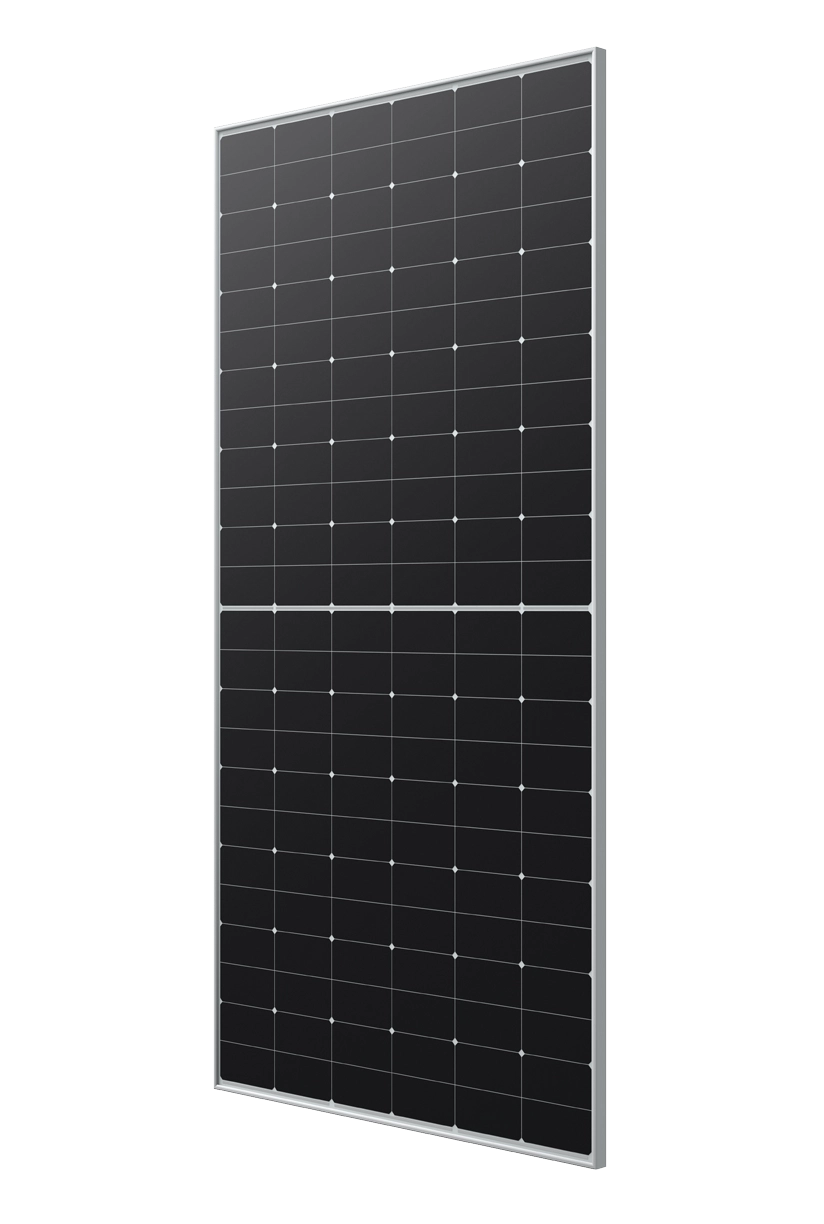
LONGi Hi-MO X6 450W
£85450
23
1722 x 1134 x 30
21.3
Affiliate link — we may earn a small commission at no extra cost to you
Another excellent option with a durable, easy-clean glass surface:
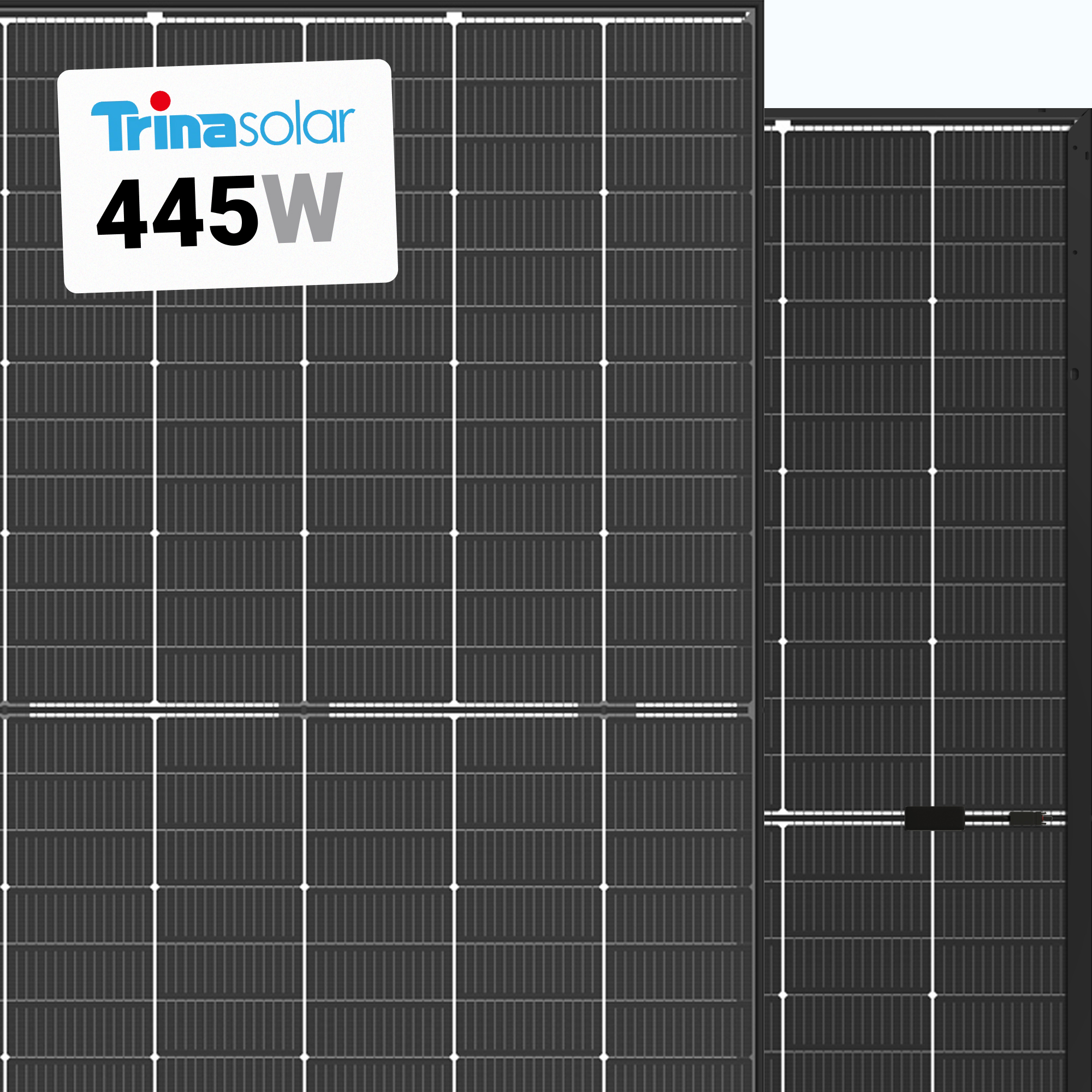
Trina Solar Vertex S+ 445W
£75445
22.5
1762 x 1134 x 30
21.8
Affiliate link — we may earn a small commission at no extra cost to you
Share this article

EcoFlow makes portable power stations and solar panels for home backup, off-grid, and solar storage without installation. The Delta Pro is the UK community favourite.
Affiliate link — we may earn a small commission at no extra cost to you
Stay informed
Get free solar updates direct to your inbox
Related reading
Solar Panel Maintenance: What's Actually Needed?
The honest guide to solar panel maintenance in the UK — spoiler: it's less than you think. What you actually need to do, and what you can safely skip.
Solar Panel Efficiency: What It Means and Why It's Not Everything
Panel efficiency explained plainly — what the percentage actually means, why the gap between 20% and 22% barely matters for most UK homes, and what you should actually be comparing.
How Long Do Solar Panels Last? The Honest Answer
Solar panels are rated for 25–30 years, but what does that actually mean? Degradation rates, warranty types, what happens after 25 years, and why inverters are the weak link.


Switch to Octopus Energy
Get 50 credit when you switch. We get 50 too — win-win.
What does this mean for YOUR home?
Design your perfect solar setup in under 3 minutes. Free, no sign-up required.
Build Your Solar System