This page contains affiliate links. If you purchase through them we may earn a small commission at no extra cost to you. Learn more
Deemed vs Metered Export: Which Pays More?
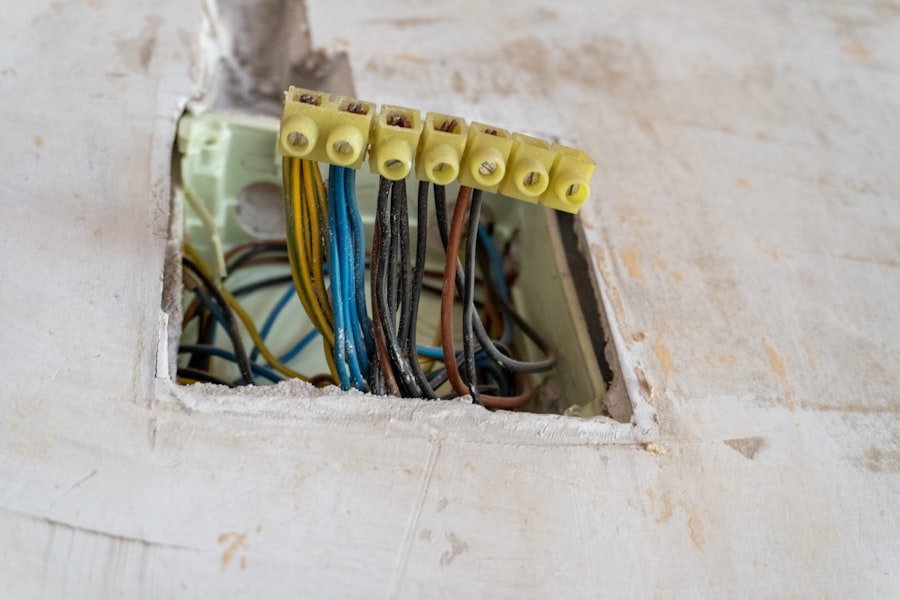
When you generate more solar electricity than you use, the surplus goes to the grid. You can be paid for this export in two ways: deemed (estimated) or metered (actual). The right choice can make a meaningful difference to your annual payments.
How Deemed Export Works
Under deemed export, your energy supplier calculates your export payment based on an assumed percentage of your total generation — typically 50%.
Example:
- Your system generates 3,600kWh per year
- Deemed export: 50% = 1,800kWh
- At an export rate of 12p/kWh: £216 per year
This payment is the same regardless of how much you actually export. If you only export 1,000kWh because you're at home all day using solar electricity, you still get paid for 1,800kWh. Conversely, if you actually export 2,500kWh, you only get paid for 1,800kWh.
How Metered Export Works
With metered export, a smart meter (SMETS2) or dedicated export meter measures exactly how much electricity you send to the grid. You're paid for that precise amount.
Example:
- Your system generates 3,600kWh per year
- Actual measured export: 2,200kWh
- At an export rate of 12p/kWh: £264 per year
The payment varies based on your real consumption pattern, season, and whether you have a battery.
Which Pays More?
It depends entirely on your self-consumption rate — the percentage of solar electricity you use directly rather than exporting.
| Self-Consumption Rate | Actual Export (of 3,600kWh) | Deemed Payment (1,800kWh) | Metered Payment | Better Option |
|---|---|---|---|---|
| 30% (low — away all day) | 2,520kWh (70%) | £216 | £302 | Metered |
| 40% | 2,160kWh (60%) | £216 | £259 | Metered |
| 50% (typical) | 1,800kWh (50%) | £216 | £216 | Equal |
| 60% (home during day) | 1,440kWh (40%) | £216 | £173 | Deemed |
| 70% (battery + home use) | 1,080kWh (30%) | £216 | £130 | Deemed |
| 80% (large battery) | 720kWh (20%) | £216 | £86 | Deemed |
Assumes 12p/kWh export rate for illustration
The crossover point is at 50% self-consumption. Above 50%, deemed pays more. Below 50%, metered pays more.
Know Your Self-Consumption Rate
If you already have solar with monitoring, check your actual self-consumption rate in the app or portal. Many monitoring systems show this directly. If you don't have solar yet, estimate based on your daytime occupancy: working from home or retired = 40–60% self-consumption; out at work all day = 25–35%.
Smart Export Guarantee (SEG) and Export Measurement
Under the SEG (which replaced the Feed-in Tariff for new installations), energy suppliers can offer either deemed or metered export payments. Most now prefer metered export using SMETS2 smart meters, because it gives them accurate data about grid flows.
Some SEG tariffs are only available with a smart meter (metered export). Others accept deemed export for customers without smart meters.
Getting a Smart Meter
If you don't have a SMETS2 smart meter and want one:
- Contact your energy supplier to request an installation
- Smart meters are free — there's no charge for the meter or installation
- Installation typically takes 1–2 hours
- Make sure you request a SMETS2 meter (second generation), not a SMETS1
SMETS1 vs SMETS2
First-generation smart meters (SMETS1) often don't measure export correctly, or lose functionality when you switch energy supplier. If you have a SMETS1 meter, request an upgrade to SMETS2 before relying on metered export for SEG payments. Some suppliers won't offer metered export with a SMETS1 meter.
Impact of Battery Storage
A battery significantly changes the calculation:
Without a battery, a typical household self-consumes 30–50% of solar generation. With a 5kWh battery, self-consumption typically rises to 60–80%. This means:
- Without battery: metered export may be comparable to deemed
- With battery: deemed export almost certainly pays more (you're exporting less but getting paid for 50%)
If you have a battery or plan to get one, deemed export is usually the financially better choice.
Feed-in Tariff Specifics
For legacy FIT recipients, the deemed vs metered question was set at the time of registration:
- Most domestic FIT installations use deemed export at 50%
- Some (particularly larger systems) had export meters fitted and use metered export
- You generally cannot switch between deemed and metered on an existing FIT installation without your licensee's agreement
If you're on FIT with deemed export and your self-consumption is high (using a lot of solar directly), the deemed arrangement benefits you. If you export most of your generation, you might be losing out — but changing is difficult.
Switching Between Deemed and Metered
SEG
Under the SEG, you can potentially switch between deemed and metered export by changing your SEG tariff or supplier. Check with your supplier what options they offer.
FIT
Switching from deemed to metered (or vice versa) on FIT is not straightforward. Your FIT licensee may not allow it, and the process involves installing or removing an export meter. Generally, it's not worth the hassle unless the financial difference is very large.
The Best Strategy
- Estimate your self-consumption rate based on your lifestyle and whether you have a battery
- If self-consumption is above 50%: Stick with or opt for deemed export
- If self-consumption is below 50%: Opt for metered export with a smart meter
- If you plan to add a battery: Deemed export will likely be better going forward
- Check tariff rates: Some metered export tariffs offer higher per-kWh rates than deemed tariffs, which can offset lower export volumes
Adding a battery boosts self-consumption and makes deemed export more valuable. This is the model most UK installers are fitting:
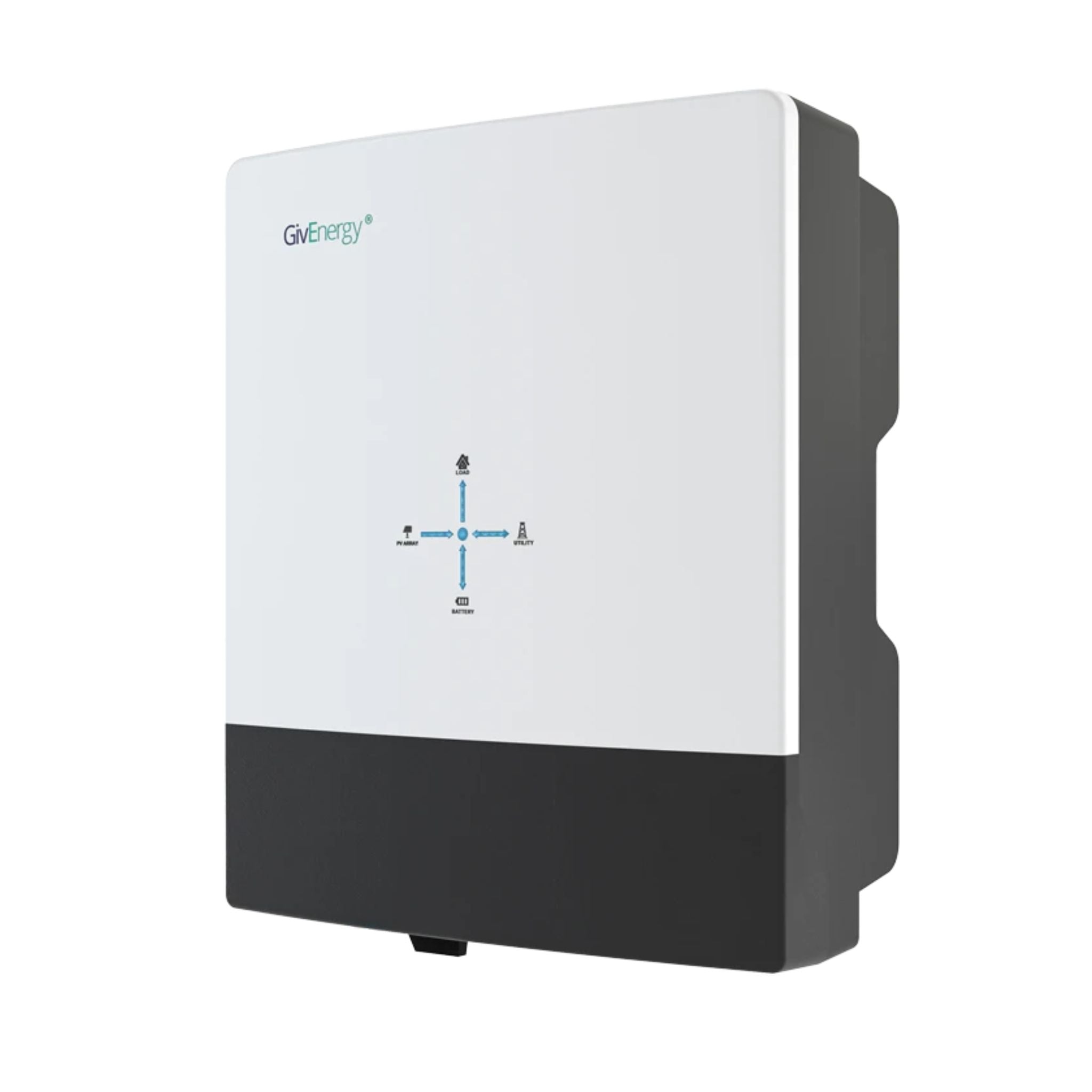
GivEnergy All-in-One 5kW Hybrid Inverter
£1,2005
7.5
2
48V
Affiliate link — we may earn a small commission at no extra cost to you
For panels that maximise generation and therefore your export income:
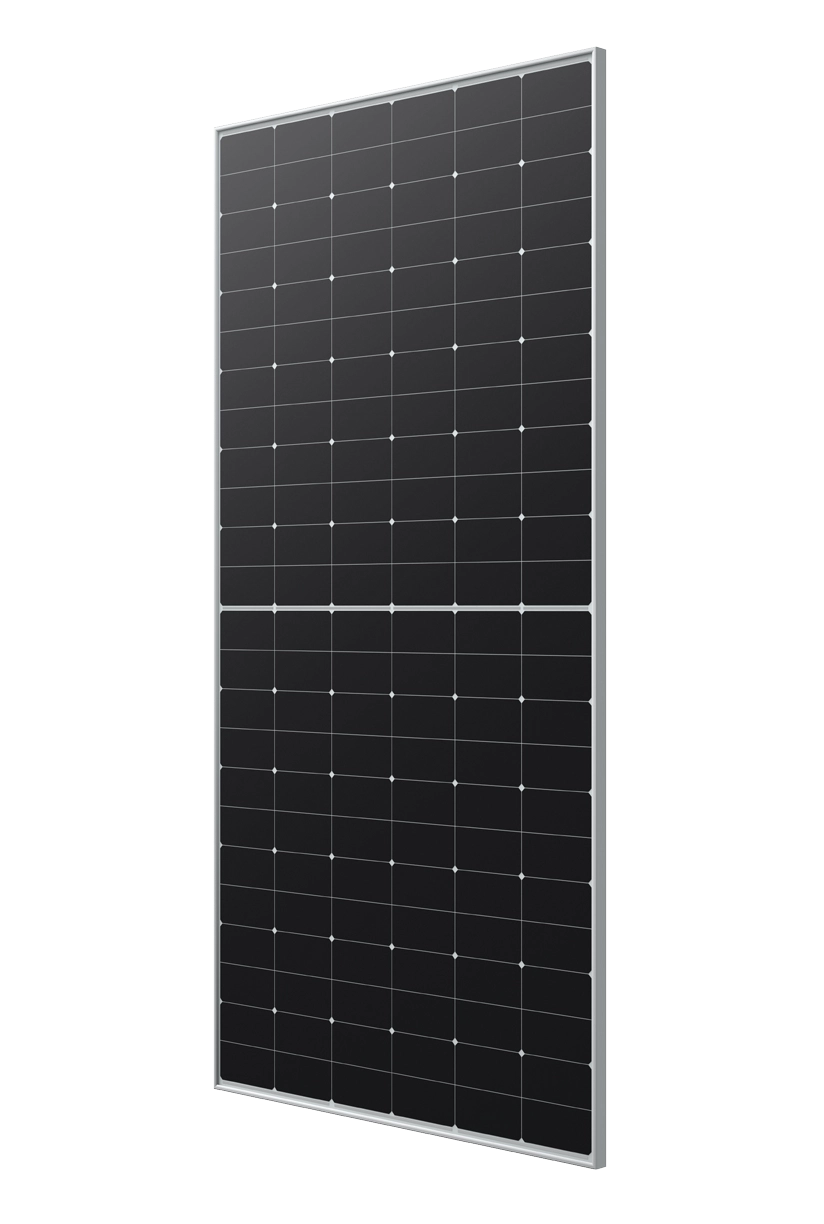
LONGi Hi-MO X6 450W
£85450
23
1722 x 1134 x 30
21.3
Affiliate link — we may earn a small commission at no extra cost to you
Self-consumption vs export
See how adding a battery shifts your solar from export to self-use. Based on a typical 4 kW system (9 x 450W panels) generating 4,200 kWh/yr.
Self-used
1,680 kWh
Worth ~£412/yr
Exported
2,520 kWh
Earns ~£302/yr
Self-consumed electricity saves you the full import rate (24.5p/kWh). Exported electricity earns only the export rate (12p/kWh) — less than half. That is why batteries make such a difference.
Share this article

OVO has carefully selected trusted teams across the UK to install solar panels and heat pumps. Enjoy the personal touch of a local expert with the peace of mind of a household name.
Affiliate link — we may earn a small commission at no extra cost to you
Stay informed
Get free solar updates direct to your inbox
Related reading
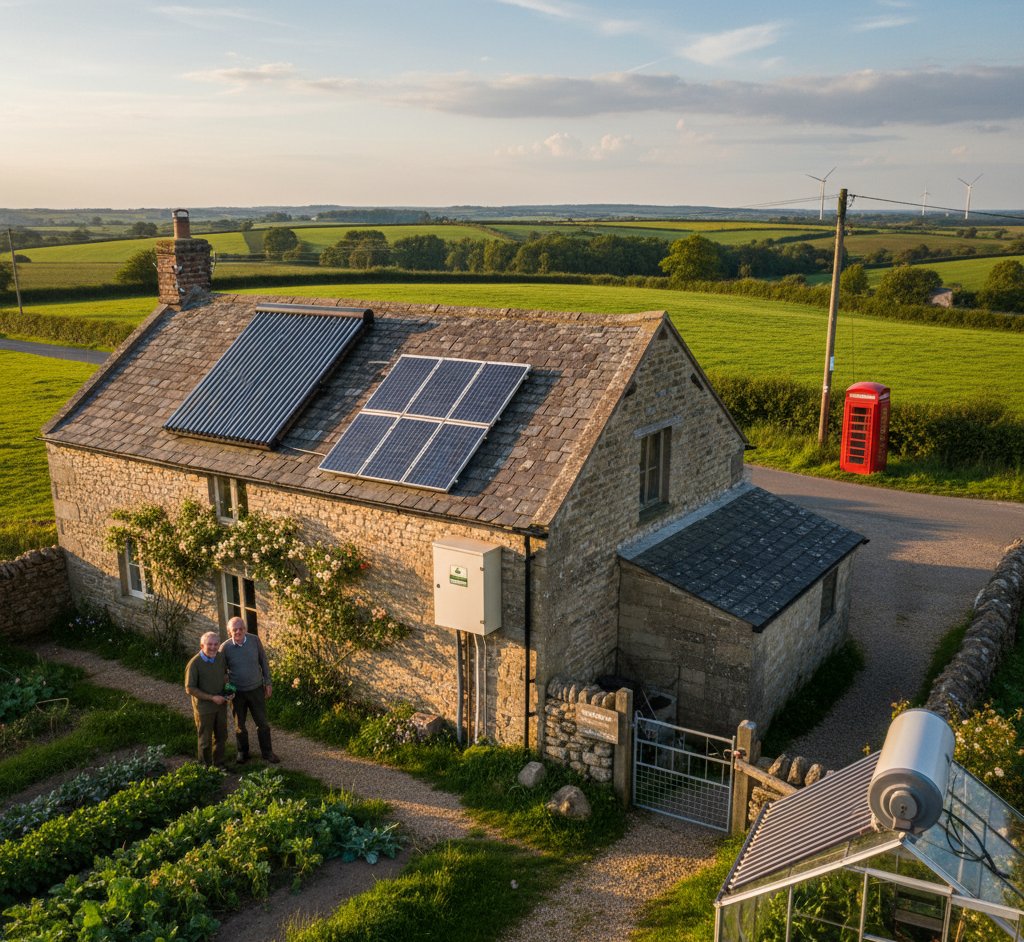
Feed-in Tariff (FIT): Legacy Scheme Explained
The Feed-in Tariff closed to new applicants in 2019 but existing recipients still benefit. How FIT works, what it pays, and what happens when it ends.
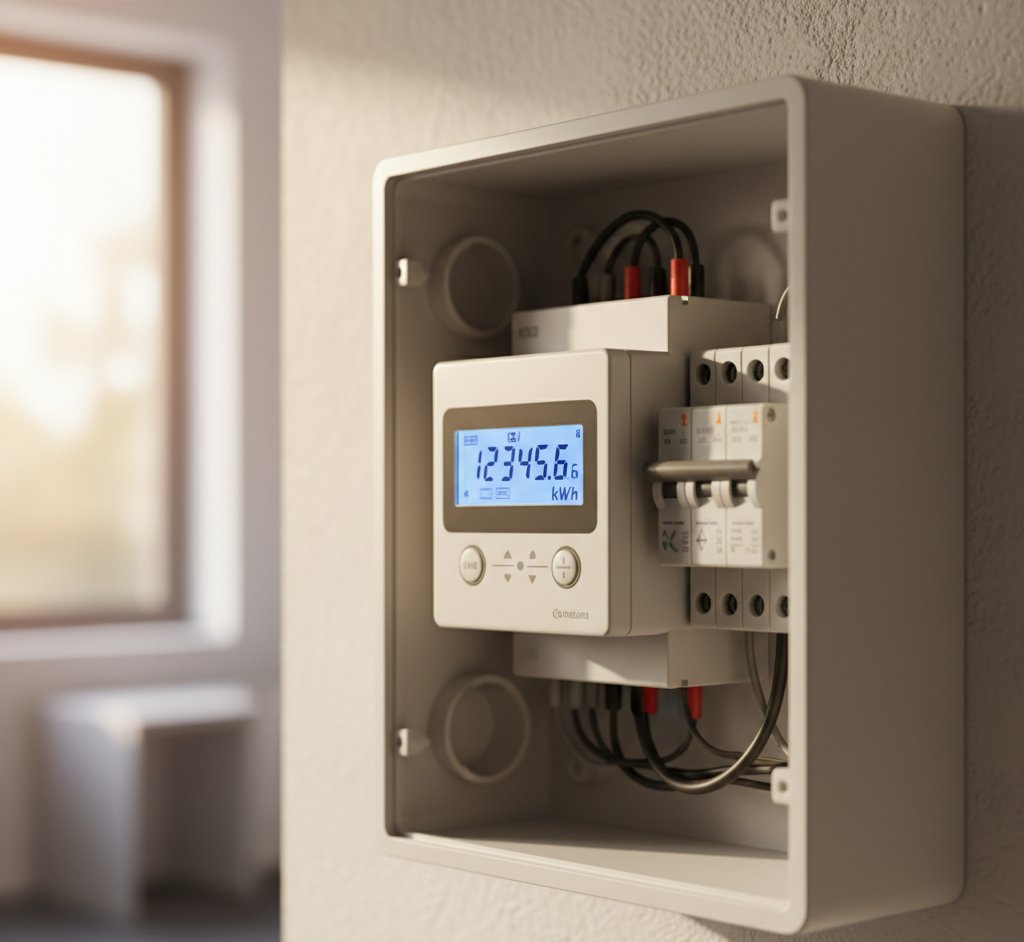
Solar Generation Meters: What They Show and Why It Matters
What a solar generation meter measures, why it matters for export payments and monitoring, and the difference between generation and export meters.
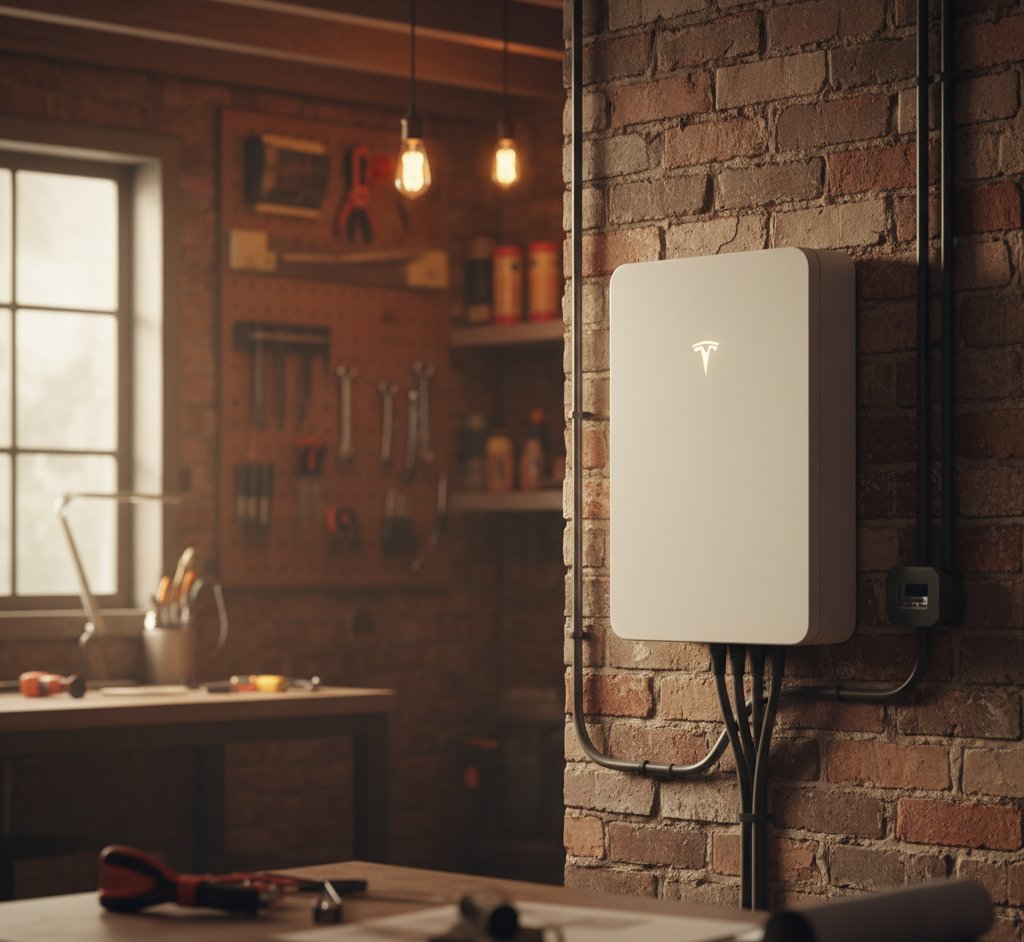
Solar Battery Storage: Complete UK Guide 2026
Everything you need to know about adding battery storage to a UK solar installation — types, sizing, costs, and which products are worth considering in 2026.


Switch to Octopus Energy
Get 50 credit when you switch. We get 50 too — win-win.
What does this mean for YOUR home?
Design your perfect solar setup in under 3 minutes. Free, no sign-up required.
Build Your Solar System