This page contains affiliate links. If you purchase through them we may earn a small commission at no extra cost to you. Learn more
Feed-in Tariff (FIT): Legacy Scheme Explained
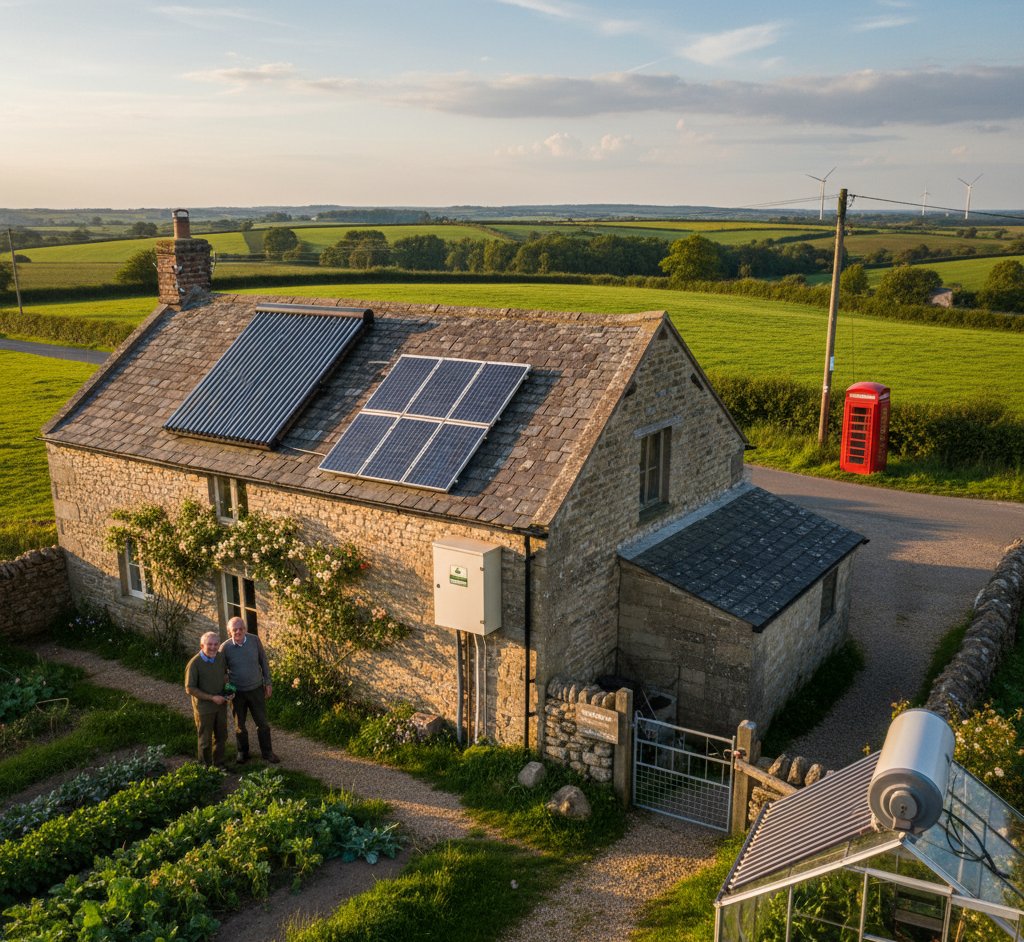
The Feed-in Tariff (FIT) was the UK's most successful solar incentive. It closed to new applicants on 31 March 2019, but hundreds of thousands of existing recipients continue to receive payments. If you're on FIT, or considering buying a property with FIT panels, here's what you need to know.
What Was the Feed-in Tariff?
The Feed-in Tariff was a government scheme that paid homeowners for every unit of electricity their solar panels generated, plus an additional payment for electricity exported to the grid. It launched in April 2010 and ran until March 2019.
The scheme was hugely successful — it drove the majority of residential solar installations in the UK during its lifetime and transformed the solar industry from a niche product to a mainstream home improvement.
How FIT Payments Work
FIT has two components:
1. Generation Tariff
You receive a payment for every kWh your system generates, regardless of whether you use that electricity yourself or export it. You read your generation meter quarterly and submit readings to your FIT licensee (your energy supplier or a specialist company).
2. Export Tariff
You receive an additional payment for electricity exported to the grid. For most domestic FIT installations, export is "deemed" at 50% of generation (unless you have a separate export meter).
Payment Example
A homeowner who installed a 4kW system in 2015 at a generation tariff of 12.47p/kWh and export tariff of 4.91p/kWh (both now higher due to RPI indexation):
- Annual generation: 3,600kWh
- Generation payment: 3,600 x current indexed rate
- Export payment (deemed): 1,800 x current indexed rate
- Plus: savings from using free solar electricity directly
At 2026 indexed rates, this homeowner likely receives £600–900 per year in FIT payments alone, on top of electricity bill savings.
RPI Indexation
FIT rates are linked to the Retail Price Index (RPI). Each year on the anniversary of the scheme quarter, rates increase in line with RPI. Given the high inflation of 2022–2024, FIT rates have increased significantly for existing recipients.
This means:
- Early adopters (2010–2012) with the highest initial rates now receive very generous payments
- Even later entrants (2017–2019) with lower initial rates have seen meaningful increases
- The real value of FIT payments has been broadly maintained or increased
Keep Submitting Readings
FIT recipients must submit generation meter readings quarterly to continue receiving payments. If you miss readings, your licensee may estimate your generation — usually conservatively. Set a quarterly reminder and submit readings on time.
What Tariff Rate Do You Get?
FIT rates varied significantly depending on when you registered:
| Registration Period | Generation Rate (at registration) | Export Rate |
|---|---|---|
| April 2010 – March 2012 | 31.4–43.3p/kWh | 3.1p/kWh |
| April 2012 – March 2014 | 14.9–21.0p/kWh | 4.5p/kWh |
| April 2014 – March 2016 | 12.5–14.4p/kWh | 4.8p/kWh |
| April 2016 – March 2019 | 3.8–4.1p/kWh | 5.2p/kWh |
All rates shown are pre-indexation. Current actual rates are higher due to cumulative RPI increases since registration.
Early adopters who registered in 2010–2012 at 43.3p/kWh now receive the equivalent of 55–65p/kWh after years of RPI increases. This is extraordinarily generous — significantly more than the retail electricity rate.
How Long Do Payments Last?

FIT payments continue for a fixed period from the date your system was registered:
- Systems registered before August 2012: 25 years
- Systems registered from August 2012 onwards: 20 years
After this period, FIT payments stop. You still own and benefit from the panels (free electricity), but the additional generation and export payments end. At that point, you'd register for the Smart Export Guarantee to receive export payments.
Buying a Property with FIT Panels
If you're buying a house with existing solar panels that are on the Feed-in Tariff, the FIT registration can transfer to you as the new owner. Key considerations:
- FIT transfers with the property — The seller and buyer need to notify the FIT licensee of the change of ownership
- Remaining FIT term — Check how many years of payments are left
- System condition — Assess whether panels and inverter are in good working order
- Valuation impact — FIT income should add value to the property, but not all estate agents or mortgage lenders account for this adequately
Confirm FIT Transfer on Purchase
If you're buying a property with FIT panels, make sure the FIT registration is formally transferred to you during the conveyancing process. This requires the seller to contact their FIT licensee with a transfer form. If this isn't done, you may miss out on payments or face difficulty claiming them later. Your solicitor should handle this, but check that it's on their list.
What Happens When FIT Ends?
When your FIT payments expire:
- You keep the panels — The system continues generating free electricity for as long as it works (typically 25–30+ years)
- Register for SEG — The Smart Export Guarantee provides export payments (lower than FIT export rates, but still something)
- Self-consumption becomes key — Without generation payments, the value of solar is entirely in the electricity you use directly and the export payments you receive
- Consider adding a battery — If you didn't have one before, a battery maximises self-consumption and the value of your post-FIT system
If you're looking to add a battery to maximise your FIT system's value, these are popular options:
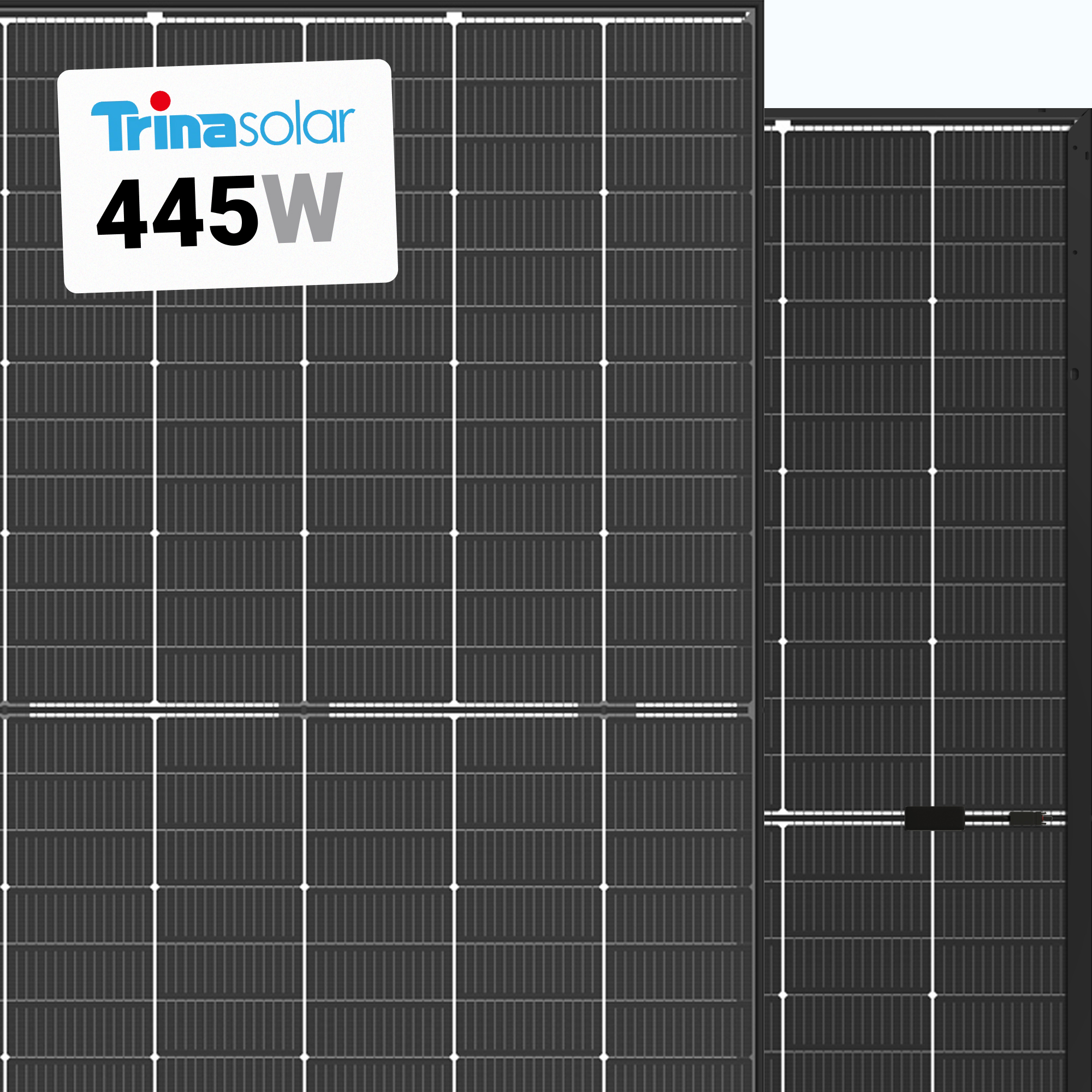
Trina Solar Vertex S+ 445W
£75445
22.5
1762 x 1134 x 30
21.8
Affiliate link — we may earn a small commission at no extra cost to you
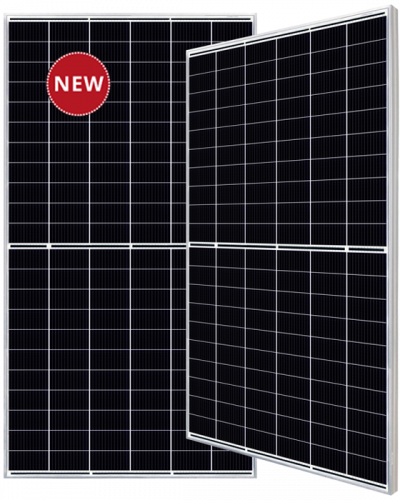
Canadian Solar HiKu7 455W
£80455
22.9
1762 x 1134 x 30
22
Affiliate link — we may earn a small commission at no extra cost to you
Can You Add to a FIT System?
If you have an existing FIT system and want to add more panels:
- Adding panels to the same system may affect your FIT registration
- You generally cannot claim FIT on additional capacity
- Additional panels can be registered for the Smart Export Guarantee separately
- Consult your FIT licensee before making any changes to avoid jeopardising existing payments
Share this article

OVO has carefully selected trusted teams across the UK to install solar panels and heat pumps. Enjoy the personal touch of a local expert with the peace of mind of a household name.
Affiliate link — we may earn a small commission at no extra cost to you
Stay informed
Get free solar updates direct to your inbox
Related reading
Deemed vs Metered Export: Which Pays More?
Should you use deemed or metered export for solar panel payments? How each works, which pays more in different scenarios, and how to choose.
Solar Panel Grants and Funding UK 2026
A plain-English guide to every solar grant, scheme, and funding route available in the UK in 2026 — including ECO4, GBIS, HUG2, BUS, and devolved schemes.
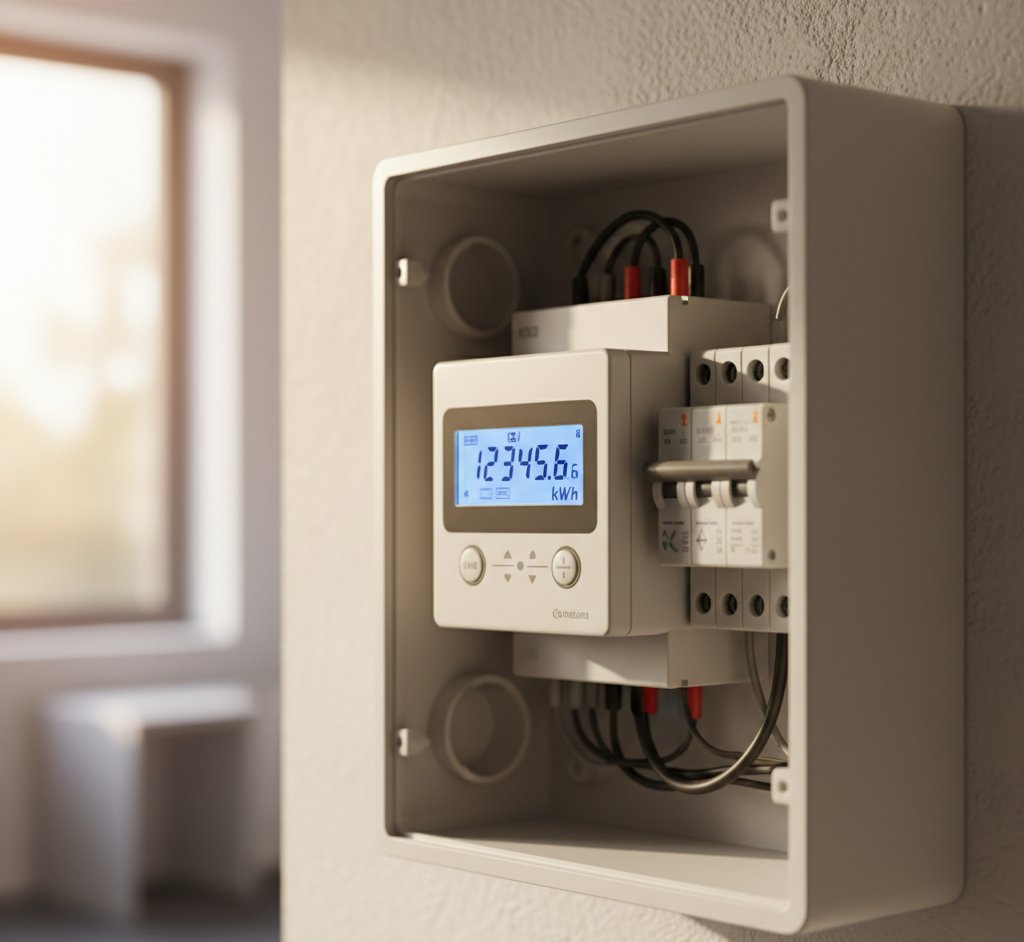
Solar Generation Meters: What They Show and Why It Matters
What a solar generation meter measures, why it matters for export payments and monitoring, and the difference between generation and export meters.


Switch to Octopus Energy
Get 50 credit when you switch. We get 50 too — win-win.
What does this mean for YOUR home?
Design your perfect solar setup in under 3 minutes. Free, no sign-up required.
Build Your Solar System