This page contains affiliate links. If you purchase through them we may earn a small commission at no extra cost to you. Learn more
EPS and Backup Power: Will Solar Keep the Lights On?
The basic question
When the grid goes down, will your solar panels and battery keep your lights on? The answer depends entirely on your equipment and how it's configured.
Solar panels alone (no battery): No. Without a battery, your inverter is required to disconnect from the grid during an outage (anti-islanding protection). Your panels shut down even though the sun is shining.
Solar panels + standard hybrid inverter: Maybe. If your inverter has EPS capability and it's been properly configured with the right switchgear, your battery can power selected circuits.
Solar panels + hybrid inverter + EPS wiring: Yes, for selected circuits and limited power draw.
What EPS mode actually does
When the grid fails, an EPS-capable inverter:
- Detects the grid outage (within milliseconds to seconds)
- Disconnects from the grid (mandatory anti-islanding)
- Switches to island mode — the inverter creates its own AC supply from the battery
- Powers the EPS output circuit — a separate wiring circuit connected to your essential loads
- Continues charging the battery from solar (during daylight) — this is the key advantage, as solar can sustain the battery for extended outages
The switchover typically takes 10–20 milliseconds for inverters with built-in EPS, or 5–15 seconds for those requiring an external automatic transfer switch (ATS). During the switchover gap, your loads lose power briefly.
The switchover gap matters
Most EPS systems have a brief power interruption during switchover. This means anything requiring uninterrupted power — a desktop computer mid-task, a medical device like a CPAP machine — may restart or lose data. If you need truly uninterrupted power, you need a UPS (uninterruptible power supply) between the EPS circuit and the critical device to bridge the switchover gap.
What can EPS run?
EPS output is limited by two factors: the inverter's EPS power rating and your battery capacity.
Power rating (kW)
Most residential hybrid inverters provide 3–5kW of EPS output. This determines what you can run simultaneously:
| Load | Typical power draw |
|---|---|
| LED lighting (whole house) | 100–300W |
| Fridge/freezer | 100–200W (running), 400–800W (starting) |
| Internet router | 15–30W |
| Phone chargers | 10–25W each |
| TV | 60–150W |
| Laptop | 30–80W |
| Kettle | 2,000–3,000W |
| Oven/hob (electric) | 2,000–8,000W |
| Washing machine | 500–2,500W |
| Immersion heater | 3,000W |
With a 5kW EPS output, you can comfortably run lights, fridge, router, and electronics simultaneously. You can also run a kettle — but not at the same time as many other loads.
You cannot run an electric oven, electric shower, or multiple high-draw appliances simultaneously on a typical EPS circuit.
Battery capacity (kWh)
A 10kWh battery at 90% SOC provides roughly 8.5kWh of usable energy (accounting for inverter efficiency and minimum SOC). That's enough for:
- Lights + fridge + router + TV for approximately 15–24 hours
- Add a washing machine cycle and it drops to 10–15 hours
- Add cooking and heating and it drops to 4–6 hours
With solar panels generating during the day, the battery can recharge while running loads — potentially sustaining essential circuits indefinitely during daylight hours in summer.
How EPS is wired
Option 1: Dedicated EPS circuits
The most common approach. Your electrician creates a separate consumer unit (or sub-board) for essential circuits — typically lights, fridge, a few sockets, and your internet router. This EPS consumer unit is connected to the inverter's EPS output.
During normal operation, these circuits are powered by the grid (via the inverter). During an outage, the inverter seamlessly powers them from the battery.
Pros: Clean separation, easy to understand, reliable Cons: Requires rewiring selected circuits to the EPS board (additional installation cost of £200–£500)
Option 2: Whole-home backup with ATS
An automatic transfer switch (ATS) sits between the grid supply and your main consumer unit. During an outage, the ATS disconnects the grid and connects the inverter's output to the entire consumer unit.
Pros: All circuits have backup power Cons: You must manage your total load carefully — if you draw more than the inverter's EPS rating, it will trip. Higher cost. You might accidentally run the oven and blow the backup.
Option 3: No EPS wiring (software only)
Some inverters can provide limited backup through a standard socket on the inverter unit itself. This is minimal — enough to charge a phone or power a lamp, but not a whole-circuit solution.
Plan EPS circuits at installation time
Adding EPS wiring to an existing solar installation is possible but disruptive and more expensive than including it in the original install. If backup power matters to you, discuss EPS circuit design before your system is installed. The additional cost at installation time is typically £200–£400 — much cheaper than retrofitting.
Which inverters support EPS?
| Inverter | EPS type | Max EPS output | Switchover time |
|---|---|---|---|
| GivEnergy 5kW | With external ATS | 5kW | 5–15 seconds |
| Sunsynk 5kW | Built-in | 5kW | Under 20ms |
| Fox ESS H3 | Built-in | 5kW | Under 20ms |
| Solis RHI 5kW | Optional (with ATS) | 5kW | 10–15 seconds |
| Growatt SPH5000 | Built-in | 5kW | Under 20ms |
| Tesla Powerwall 3 | Built-in (whole home) | 11.5kW | Under 20ms |
The Tesla Powerwall 3 stands out with whole-home backup capability and high power output — but at a premium price.
If backup power is important to you, these battery systems offer EPS capability:
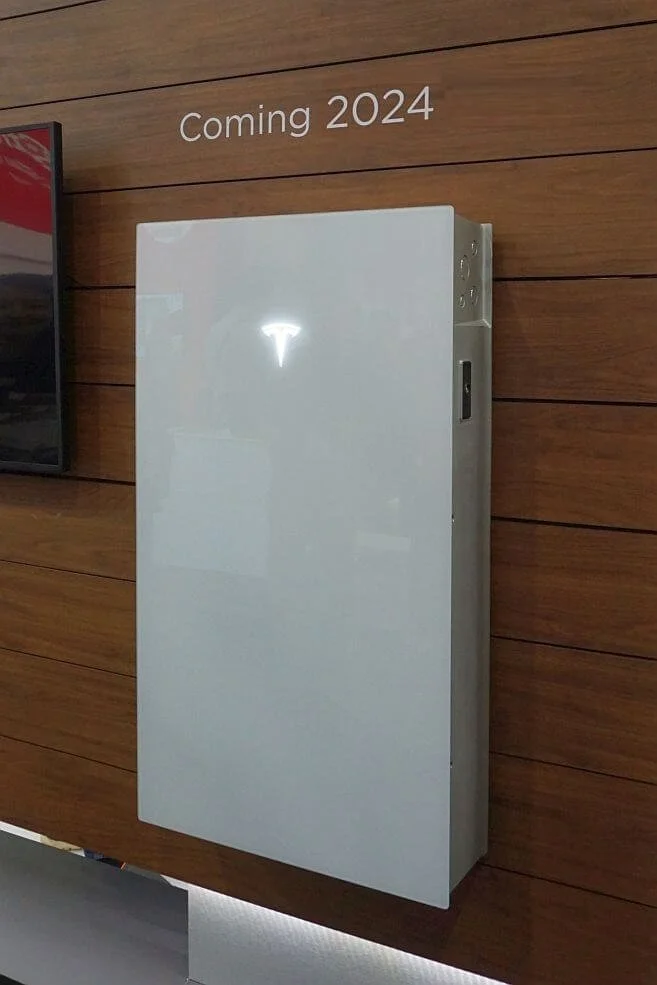
Tesla Powerwall 3
£8,50013.5
13.5
LFP
4000
Affiliate link — we may earn a small commission at no extra cost to you
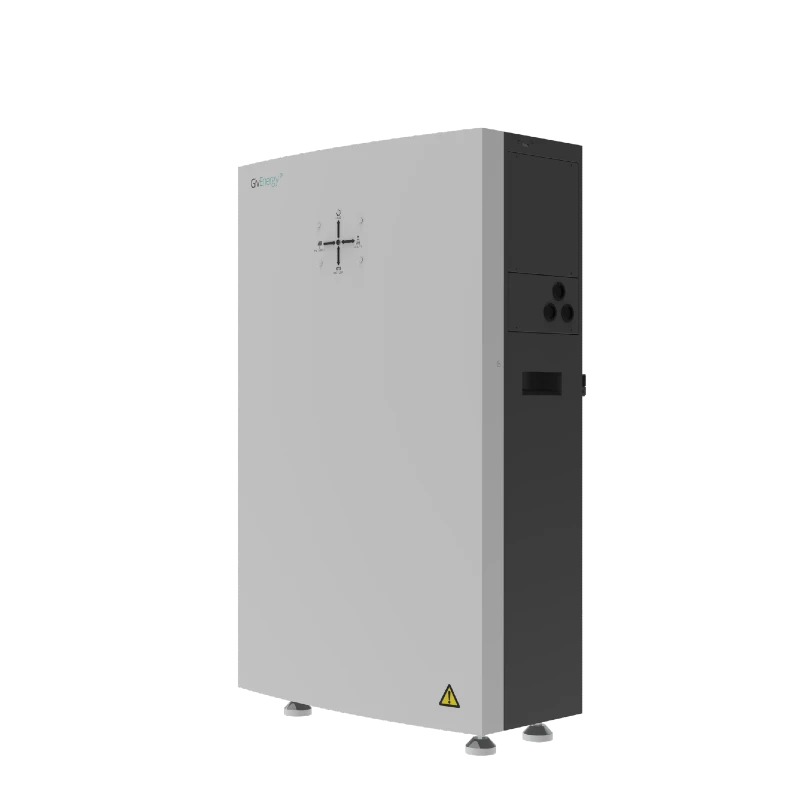
GivEnergy All-in-One 9.5kWh Battery
£5,5009.5
8.6
LFP
6000
Affiliate link — we may earn a small commission at no extra cost to you
Do UK homes actually need backup?
Grid reliability in the UK is high — the average household experiences 30–60 minutes of power cuts per year. Extended outages (lasting days) are rare and typically caused by severe storms.
For most UK households, backup power is a nice-to-have rather than a necessity. The exceptions:
- Medical equipment — if someone depends on powered medical devices
- Rural areas — more vulnerable to extended outages from storm damage
- Home offices — if a power cut means lost income
- Cold weather resilience — if your heating relies on electricity (heat pump, electric heating)
If you're installing a battery anyway, adding EPS capability costs relatively little and provides peace of mind. But don't let the backup power feature drive your battery purchase decision — the financial case for a battery should stand on self-consumption and tariff arbitrage alone.
Share this article

OVO has carefully selected trusted teams across the UK to install solar panels and heat pumps. Enjoy the personal touch of a local expert with the peace of mind of a household name.
Affiliate link — we may earn a small commission at no extra cost to you
Stay informed
Get free solar updates direct to your inbox
Related reading
Solar Battery Storage: Complete UK Guide 2026
Everything you need to know about adding battery storage to a UK solar installation — types, sizing, costs, and which products are worth considering in 2026.
Solar Inverters Explained: Types, Sizing, and Real-World Limits
String, micro, and hybrid inverters explained clearly — plus the critical G98/G99 threshold at 3.68kW and what it means for what you can run simultaneously.
Battery Sizing Sweet Spot: How Big Is Big Enough?
How to choose the right battery size for your UK solar system. The sweet spot between too small, too big, and just right based on your consumption patterns.


Switch to Octopus Energy
Get 50 credit when you switch. We get 50 too — win-win.
What does this mean for YOUR home?
Design your perfect solar setup in under 3 minutes. Free, no sign-up required.
Build Your Solar System