This page contains affiliate links. If you purchase through them we may earn a small commission at no extra cost to you. Learn more
GivEnergy vs Tesla Powerwall: Battery Comparison
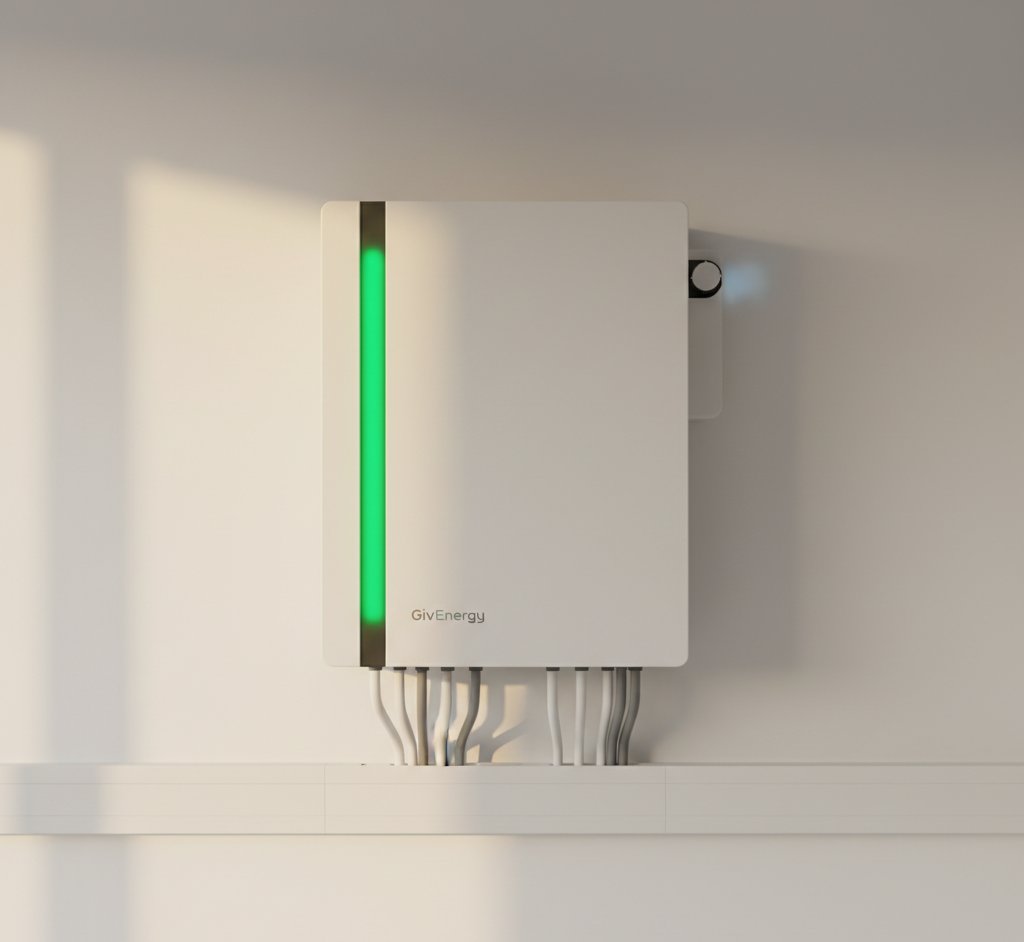
GivEnergy and Tesla are the two most popular home battery brands in the UK. They take very different approaches — GivEnergy offers modular, installer-friendly systems with open APIs; Tesla offers a premium, integrated product with a polished app. Here's how they compare in practice.
Specification Comparison
| Feature | GivEnergy All-in-One 9.5kWh | Tesla Powerwall 3 |
|---|---|---|
| Usable capacity | 9.5 kWh | 13.5 kWh |
| Includes inverter? | Yes (hybrid) | Yes (integrated) |
| Max charge/discharge | 3.6 kW | 5 kW continuous |
| Expandable? | Yes (add battery modules) | Yes (up to 3 units) |
| Backup power? | Optional (with gateway) | Yes (built-in) |
| Typical installed cost | £5,000–£7,000 | £8,000–£11,000 |
| Warranty | 10 years | 10 years |
| Cycle warranty | 6,000 cycles | Unlimited (10yr) |
| API access | Open, local & cloud | Cloud only (limited) |
| UK support | UK-based (Newcastle) | US-based |
Price
GivEnergy is significantly cheaper. A GivEnergy All-in-One 9.5kWh system including a hybrid inverter typically costs £5,000–£7,000 installed. The Tesla Powerwall 3 with its integrated inverter is £8,000–£11,000 installed.
The price gap is partly because GivEnergy is a UK company (headquartered in Newcastle) with a direct-to-installer supply chain, while Tesla products carry a premium brand markup and must be installed by Tesla-certified installers.
For most homeowners, the GivEnergy system offers better value per kWh of storage.
Capacity and Performance
Tesla's 13.5 kWh usable capacity is larger than GivEnergy's standard 9.5 kWh. In practice:
- 9.5 kWh covers a typical evening's electricity use (4–10pm) for most UK households
- 13.5 kWh provides more buffer for high-usage evenings or days with poor solar generation
If 9.5 kWh isn't enough, GivEnergy lets you add extra battery modules (in 2.6 kWh increments) to any capacity you need. Tesla expands by adding entire additional Powerwall units — a more expensive way to scale.
The Powerwall 3's 5 kW continuous charge/discharge rate is higher than GivEnergy's 3.6 kW. This matters if you have high instantaneous loads (kettles, ovens, EV chargers) that you want to serve from battery. In practice, 3.6 kW is adequate for most households; 5 kW is better for homes with heat pumps or fast-changing loads.
App and Monitoring
Tesla app: Polished, intuitive, excellent visualisation of energy flows. Shows real-time generation, consumption, battery state, and grid interaction. The best consumer energy app on the market. However, data export and third-party integration are limited.
GivEnergy app: Functional but less polished than Tesla's. Shows the same core data but the interface is less refined. However, GivEnergy compensates with the GivEnergy portal (web-based) which offers more detailed data and control.
For most users who just want to see their system working, Tesla's app wins. For users who want to control their system programmatically, GivEnergy wins by a wide margin.
Smart Tariff Integration
This is where GivEnergy pulls ahead significantly for UK owners.
GivEnergy + Octopus = Powerful Combination
GivEnergy systems work natively with Octopus Energy's smart tariffs (Flux, Agile, Intelligent). The GivEnergy cloud service can automatically charge the battery overnight at cheap rates and discharge during peak periods. For Octopus Flux users, this can save £400–£600/year. Combined with community tools like Predbat and GivTCP, the automation possibilities are extensive.
Tesla's Powerwall can also work with time-of-use tariffs through its "Time-Based Control" mode, but the integration is less granular and doesn't have the same UK community ecosystem. Tesla's Storm Watch feature (charging before predicted bad weather) is US-focused and less useful in the UK.
API and Local Control
GivEnergy: Open API documentation, local inverter access via Modbus, and the community-developed GivTCP project enables full local control without cloud dependency. This means:
- Home Assistant integration
- Predbat automated scheduling
- Custom automations based on solar forecast, tariff pricing, and usage patterns
Tesla: Limited cloud API with no official local access. Third-party tools exist but are less reliable and not supported by Tesla. For tech-savvy users who want to automate their energy system, this is Tesla's biggest weakness.
Installation and Availability
GivEnergy: Available through any MCS-certified installer who is GivEnergy-approved. Wide installer network across the UK. Shorter lead times. Multiple installer options mean competitive pricing.
Tesla: Must be installed by a Tesla-certified installer (Tesla itself or an approved partner). Fewer installer options, potentially longer wait times, and less competitive pricing due to limited installer choice.
Backup Power
Tesla Powerwall 3: Built-in backup capability. When the grid fails, the Powerwall automatically switches to backup mode and powers essential circuits. Seamless transition. This is a genuine selling point for homes that experience power cuts.
GivEnergy: Backup power requires an additional EPS (Emergency Power Supply) switch/gateway. This adds £300–£500 to the installation cost. Once fitted, it provides similar functionality but isn't as seamlessly integrated as Tesla's approach.
Reliability and Support
GivEnergy: UK-based support team in Newcastle. Generally responsive. The large UK installer and owner community (active Facebook groups, forums) provides additional peer support. Some early firmware issues were reported with initial product launches, but these have been largely resolved.
Tesla: Support is primarily US-based, which can mean slower response times for UK-specific issues. Tesla's support reputation is mixed across all their product lines. The product itself is very reliable — few hardware failures are reported.
Both systems are available for comparison:
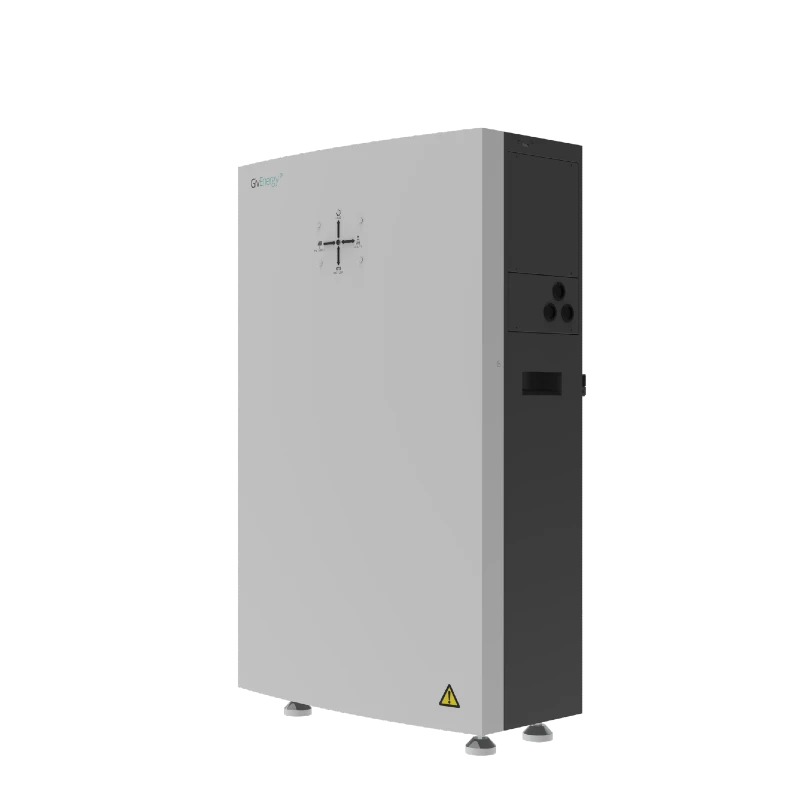
GivEnergy All-in-One 9.5kWh Battery
£5,5009.5
8.6
LFP
6000
Affiliate link — we may earn a small commission at no extra cost to you
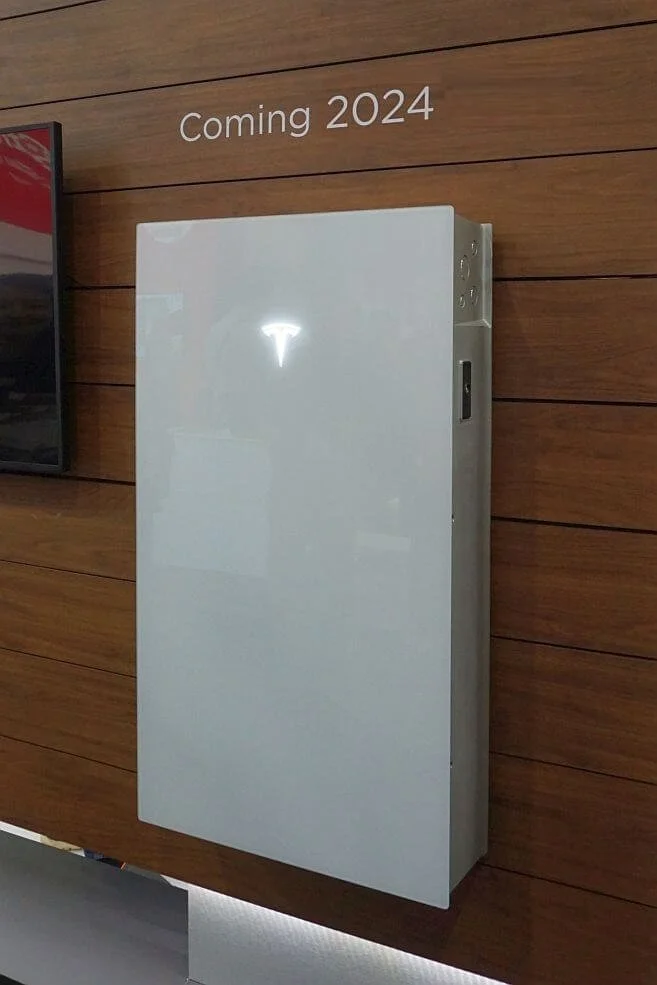
Tesla Powerwall 3
£8,50013.5
13.5
LFP
4000
Affiliate link — we may earn a small commission at no extra cost to you
Which Should You Choose?
Choose GivEnergy If:
- Budget matters — it's significantly cheaper per kWh
- You want smart tariff automation (Octopus Flux, Agile)
- You're tech-inclined and want Home Assistant / Predbat integration
- You want flexibility to expand capacity incrementally
- You prefer dealing with UK-based support
Choose Tesla If:
- You want the best consumer app experience
- Built-in backup power without additional components is important
- You prefer a premium, integrated product with a known brand
- You have higher continuous power needs (5kW vs 3.6kW)
- You want the largest single-unit capacity (13.5 kWh)
Our View
For most UK homeowners in 2026, GivEnergy offers better value and better integration with the UK energy ecosystem. The lower price, open API, smart tariff compatibility, and UK-based support make it the more practical choice. Tesla wins on polish and brand, but the premium is hard to justify on pure value.
For a broader view of battery options, see our battery storage guide.
Share this article

OVO has carefully selected trusted teams across the UK to install solar panels and heat pumps. Enjoy the personal touch of a local expert with the peace of mind of a household name.
Affiliate link — we may earn a small commission at no extra cost to you
Stay informed
Get free solar updates direct to your inbox
Related reading
Solar Battery Storage: Complete UK Guide 2026
Everything you need to know about adding battery storage to a UK solar installation — types, sizing, costs, and which products are worth considering in 2026.

Battery Storage Payback: Is It Worth the Extra Cost?
Honest analysis of battery storage payback in the UK. When batteries pay for themselves, when they don't, and the hidden factors that change the calculation.

Solar Inverters Explained: Types, Sizing, and Real-World Limits
String, micro, and hybrid inverters explained clearly — plus the critical G98/G99 threshold at 3.68kW and what it means for what you can run simultaneously.


Switch to Octopus Energy
Get 50 credit when you switch. We get 50 too — win-win.
What does this mean for YOUR home?
Design your perfect solar setup in under 3 minutes. Free, no sign-up required.
Build Your Solar System