This page contains affiliate links. If you purchase through them we may earn a small commission at no extra cost to you. Learn more
G100 Export Limitation: What It Is and How It Affects You
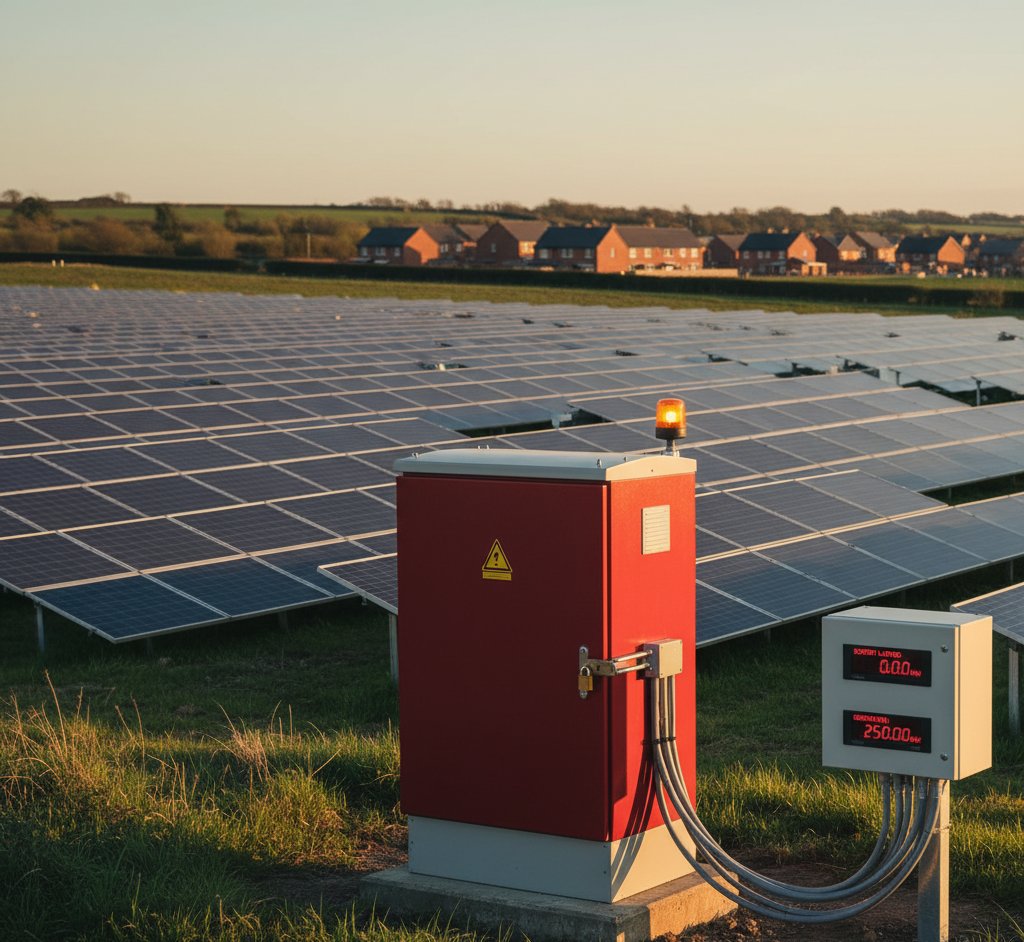
If your DNO can't accept the full export from your solar system, they may impose a G100 export limitation. This caps the amount of electricity you can feed back to the grid, potentially wasting some of your generation. Here's what it means in practice and how to work around it.
What Is G100?
G100 (Engineering Recommendation G100) defines the technical requirements for export limiting schemes on customer-owned generation equipment. In plain English: it's the standard that governs how your inverter is configured to cap the power flowing back to the grid.
When a DNO approves your solar installation with a G100 condition, your inverter is programmed with a maximum export limit. If your panels are generating more than your home needs and the surplus exceeds the export limit, the inverter throttles back to stay within the cap.
When Does G100 Apply?
G100 export limits are imposed when:
- The local grid infrastructure (cables, transformers) can't safely handle additional power flowing back from your property
- The area already has significant generation connected (many homes with solar, or a nearby solar farm)
- Your system is larger than the local grid can accommodate without reinforcement
- You're in a rural area with limited grid capacity
G100 conditions are becoming more common as solar penetration increases. Areas in Cornwall, East Anglia, and parts of Scotland are particularly affected.
Types of Export Limit
Fixed Export Limit
The most common type. Your inverter is set to never export more than a fixed amount:
- 3.68kW: You can export up to 3.68kW (the G98 threshold)
- 2kW: A more restrictive limit
- 0kW (zero export): No electricity can be sent to the grid at all
Dynamic Export Limit
A newer approach where the export limit varies in real-time based on grid conditions, communicated via smart meter or other signals. This is less common but becoming more available.
How Export Limiting Works Technically
Your inverter uses a CT clamp (current transformer) on your grid connection to measure electricity flow. When the CT clamp detects export exceeding the limit, the inverter reduces its output to stay within bounds.
The process is automatic and instantaneous. You won't notice it happening. The only sign is that on a sunny day, your inverter may show lower output than your panels could theoretically produce.
Example
You have a 5kW system with a 3.68kW export limit. At midday on a sunny day:
- Panels generate: 4.5kW
- Your home uses: 1kW
- Potential export: 3.5kW (below the 3.68kW limit — no curtailment)
Later, your home usage drops to 0.5kW:
- Panels generate: 4.5kW
- Your home uses: 0.5kW
- Potential export: 4.0kW (above the 3.68kW limit)
- Inverter curtails to: 4.18kW total (0.5kW home + 3.68kW export)
- Energy wasted: 0.32kW
Self-Consumption Is Unaffected
An export limit only restricts electricity flowing to the grid. You can still use all the solar electricity you need within your home. If your house is consuming 3kW and your panels generate 5kW, there's no curtailment because only 2kW is being exported. Export limits primarily affect surplus generation during low-consumption periods.
How Much Generation Do You Actually Lose?
The impact of an export limit depends on your consumption pattern and system size:
For a 4kW System with 3.68kW Export Limit
Annual generation curtailed: typically 1–3% of total. This is minimal because a 4kW system rarely exports more than 3.68kW after subtracting home consumption.
For a 5kW System with 3.68kW Export Limit
Annual curtailment: typically 3–7%. More noticeable on summer afternoons when generation peaks and consumption is low.
For a 5kW System with Zero Export (0kW)
Annual curtailment: 30–50% without a battery. This is a significant impact — half your potential generation could be wasted during times when you're not using it.
Zero Export Is Significant
If your DNO imposes a zero export condition, the economics of solar change substantially. Without a battery, you'll waste a large portion of your generation. With a battery, you can capture and use more — but the combination needs to be carefully sized to be cost-effective. Get a detailed analysis before proceeding with a zero-export installation.
Strategies to Minimise Export Limit Impact
1. Battery Storage
A battery stores electricity that would otherwise be curtailed, releasing it when the sun goes down. For systems with export limits, batteries are more financially compelling because the alternative isn't exporting at 12p/kWh — it's wasting the electricity entirely.
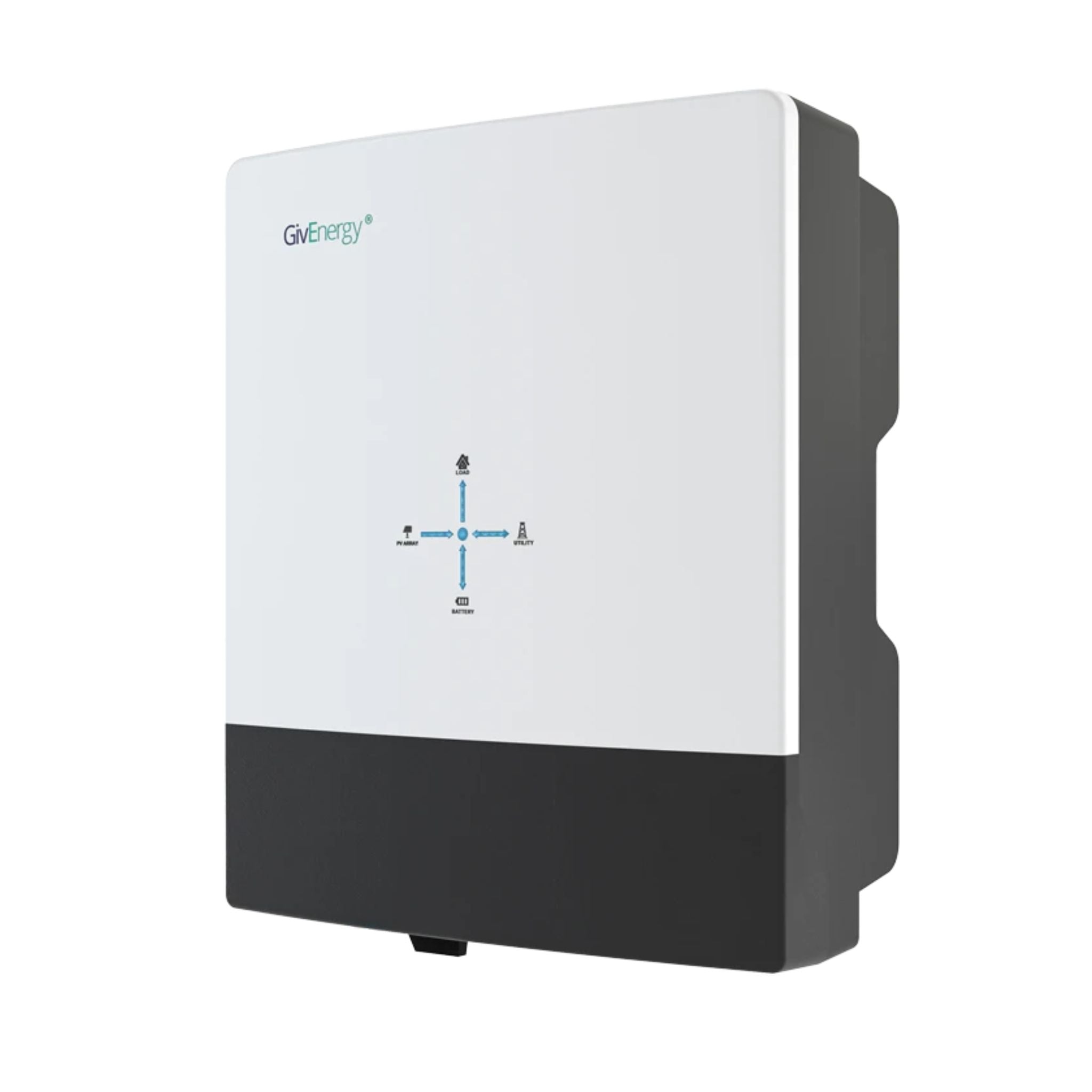
GivEnergy All-in-One 5kW Hybrid Inverter
£1,2005
7.5
2
48V
Affiliate link — we may earn a small commission at no extra cost to you
2. Solar Diverter
A solar diverter sends surplus electricity to your immersion heater, heating your hot water tank with electricity that would otherwise be curtailed. This is a cost-effective way to use surplus generation.
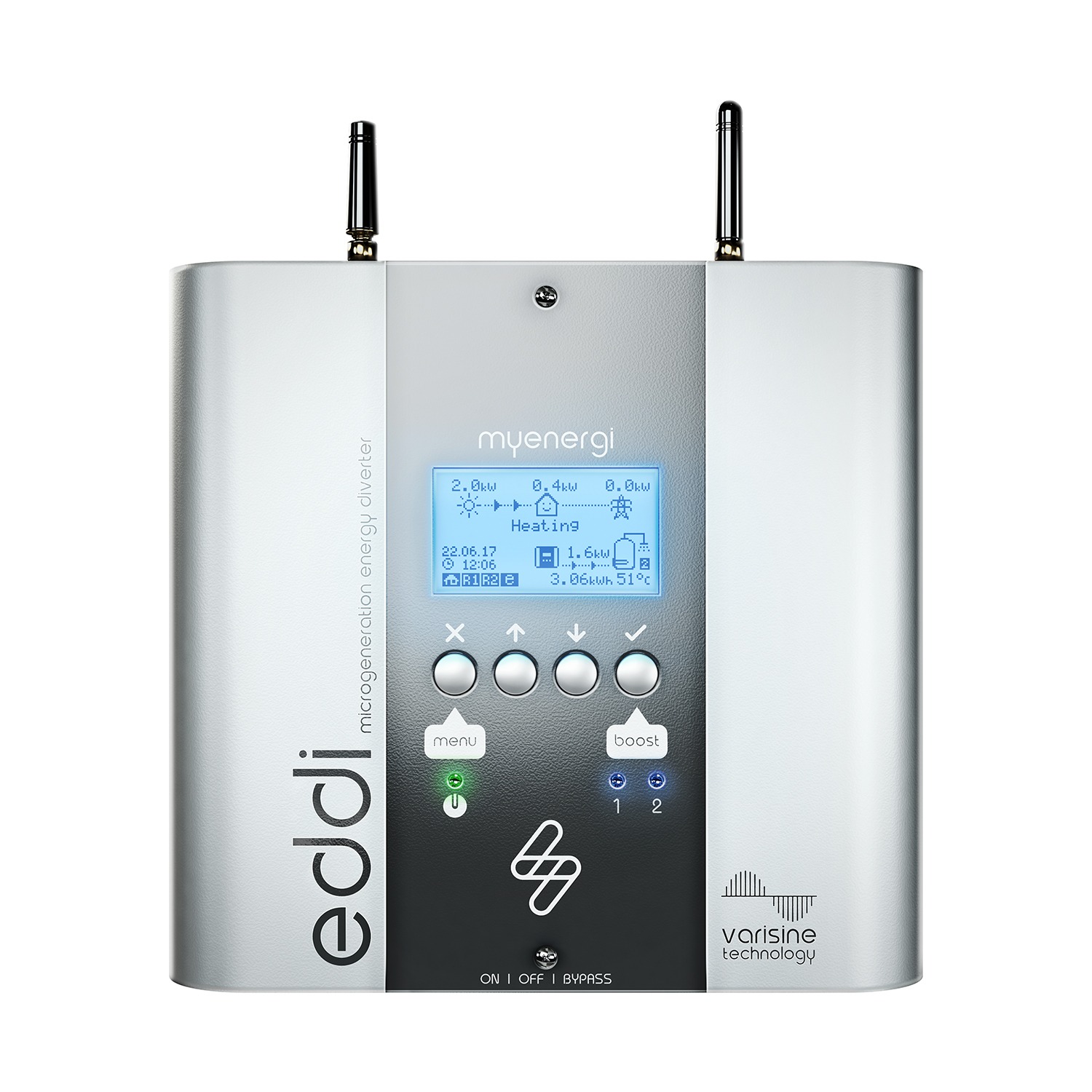
myenergi Eddi Solar Diverter
£1853000
power_divert,timed_boost
2
configurable
Affiliate link — we may earn a small commission at no extra cost to you
3. EV Charging
If you have an electric vehicle, a smart charger (like the Zappi) can automatically use surplus solar generation for charging. This converts curtailed electricity into transport fuel.
4. Shift Consumption
Run high-consumption appliances (washing machine, dishwasher, tumble dryer) during peak solar hours to increase self-consumption and reduce export.
5. System Sizing
If you know an export limit will apply, it may influence your system design:
- A slightly smaller system may avoid the curtailment threshold
- Or a larger system with a battery may be more cost-effective than a mid-sized system without one
Can You Challenge an Export Limit?
If the DNO imposes an export limit you think is unreasonable:
- Ask for the technical justification — The DNO should explain which specific constraint triggers the limit
- Request paid reinforcement — In some cases, you can pay for the grid upgrade needed to remove the constraint. This is usually only cost-effective for larger commercial systems, not domestic.
- Accept and optimise — For most domestic systems, accepting the export limit and optimising self-consumption (battery, diverter, smart consumption) is the most practical approach
The Bigger Picture
Export limits are a growing issue as the UK installs more solar. The grid wasn't designed for distributed generation at the scale now being deployed. DNOs are investing in grid upgrades, but these take time. In the meantime, export limits are a pragmatic compromise that allows solar installations to proceed while keeping the grid stable.
The good news is that the trend towards batteries, smart tariffs, and flexible demand means export is becoming less important. The financial value of solar increasingly comes from self-consumption rather than export payments.
Share this article

OVO has carefully selected trusted teams across the UK to install solar panels and heat pumps. Enjoy the personal touch of a local expert with the peace of mind of a household name.
Affiliate link — we may earn a small commission at no extra cost to you
Stay informed
Get free solar updates direct to your inbox
Related reading
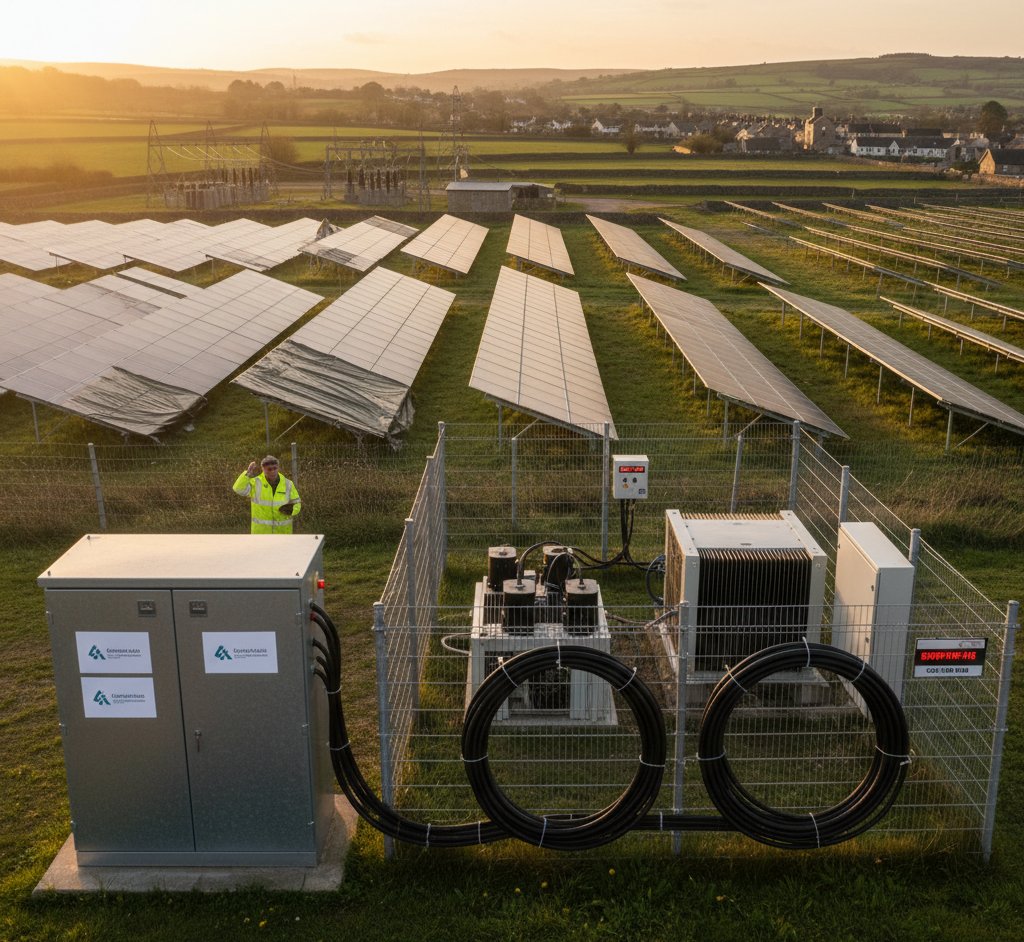
DNO Issues with Solar: G98, G99, and Export Limits
Understanding DNO requirements for solar panels in the UK. G98 notification, G99 applications, export limits, and what happens if the grid can't accept your power.
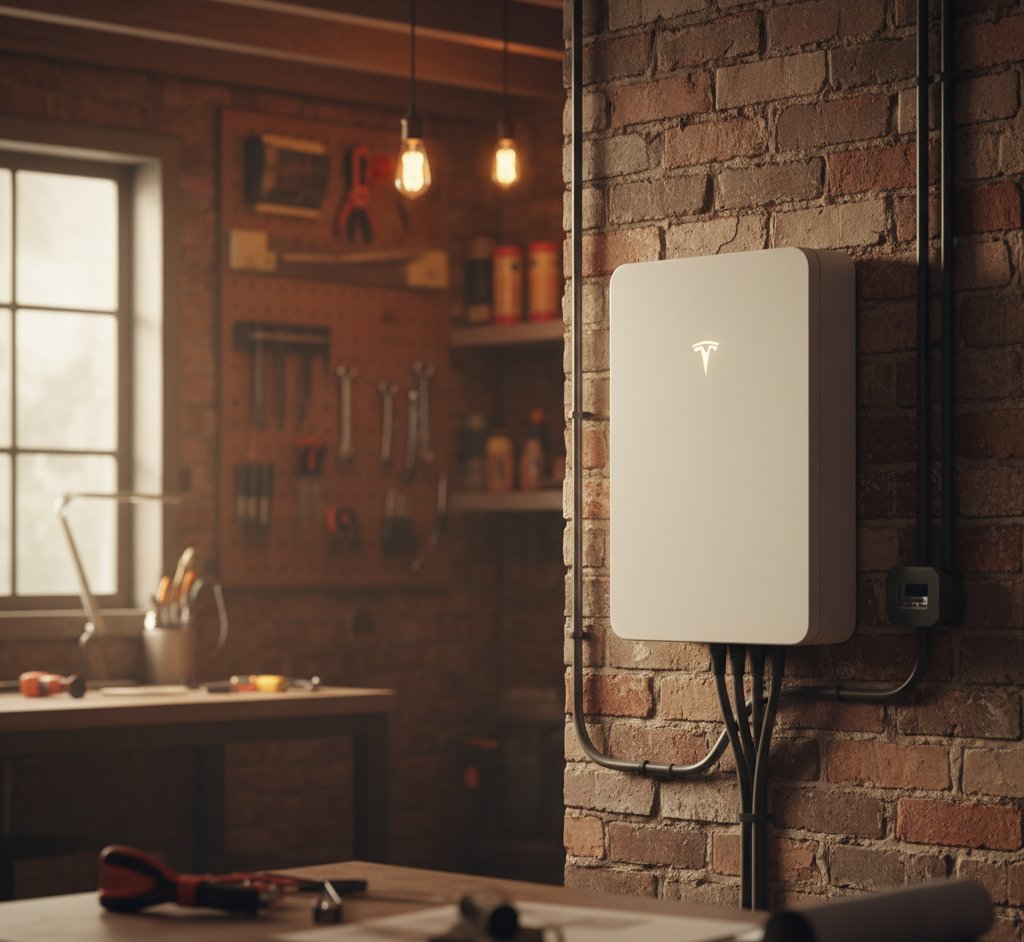
Solar Battery Storage: Complete UK Guide 2026
Everything you need to know about adding battery storage to a UK solar installation — types, sizing, costs, and which products are worth considering in 2026.
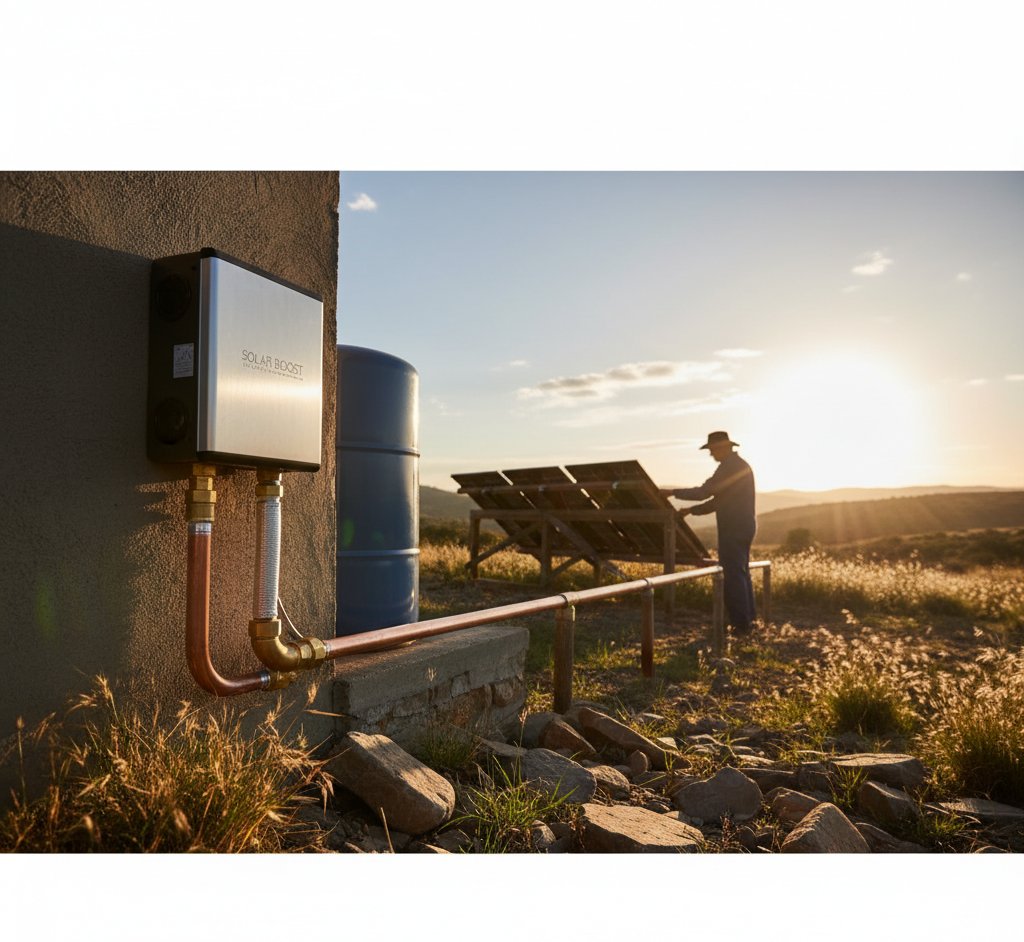
Solar Diverters: Sending Surplus Power to Hot Water
Solar diverters send surplus solar electricity to your immersion heater for free hot water. How they work, top products, costs, and whether they're worth it.


Switch to Octopus Energy
Get 50 credit when you switch. We get 50 too — win-win.
What does this mean for YOUR home?
Design your perfect solar setup in under 3 minutes. Free, no sign-up required.
Build Your Solar System