This page contains affiliate links. If you purchase through them we may earn a small commission at no extra cost to you. Learn more
Myenergi Zappi: The Solar EV Charger
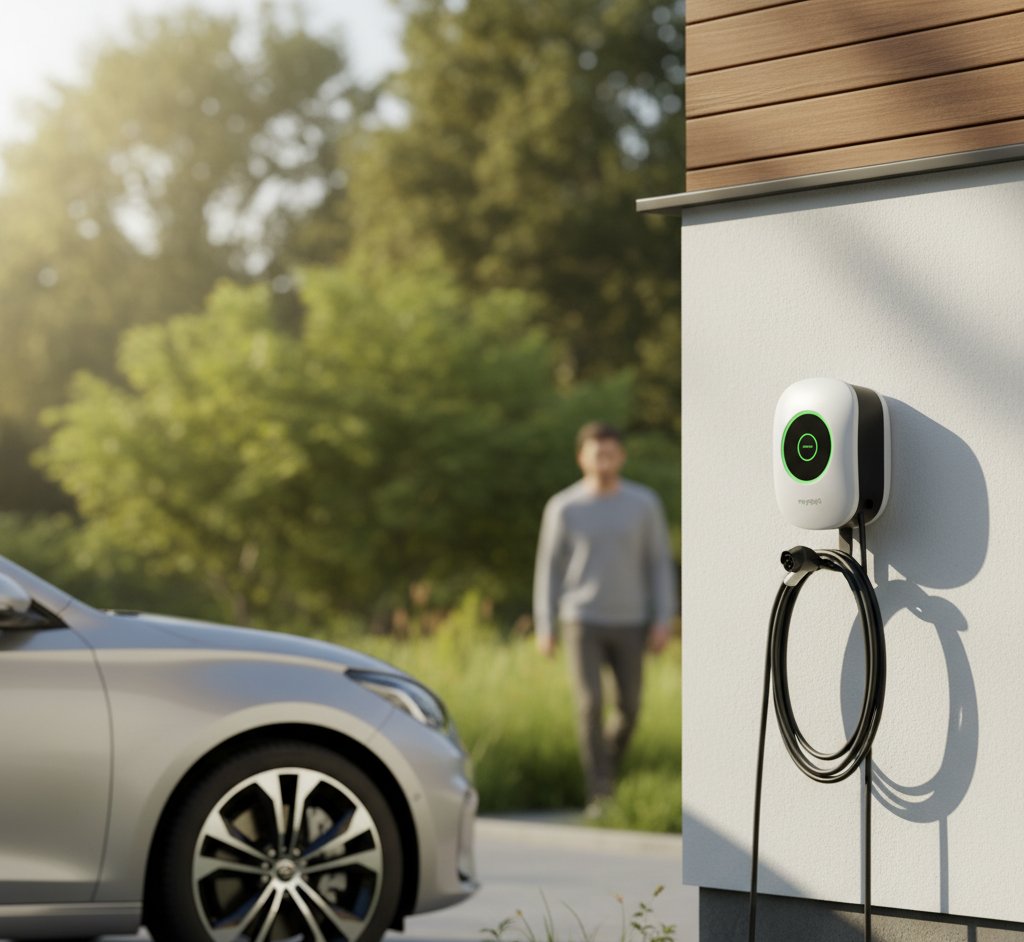
What makes the Zappi different?
Most EV chargers are simple devices: they deliver power from the grid to your car. The Myenergi Zappi does something fundamentally different — it monitors your solar generation in real time and diverts surplus solar power to your EV.
Without a Zappi (or similar solar-aware charger), your surplus solar exports to the grid at SEG rates — around 12p/kWh as of early 2026. With a Zappi in Eco+ mode, that same surplus charges your car. Since grid electricity costs ~24p/kWh, every kWh diverted to your EV instead of exported saves you 12–14p.
Over a year, for a typical solar household with an EV, this can add up to meaningful savings — and a much lower cost per mile.
The three charging modes
Fast mode
Full-power charging from the grid, ignoring solar generation entirely. Use this when you need the car charged quickly and don't care about optimisation. The Zappi draws the maximum your supply allows (7kW single-phase, up to 22kW three-phase).
Eco mode
The Zappi uses surplus solar first, then tops up from the grid to maintain a minimum charge rate. This is the practical everyday mode. If your panels are generating 2kW surplus, the Zappi uses that 2kW from solar and draws ~4kW from the grid to maintain a steady charge.
The minimum charge rate is 1.4kW (6A at 230V) — below this, EV charging protocols won't function. Eco mode ensures you always charge at least this minimum.
Eco+ mode (pure solar)
The Zappi only charges when there's enough surplus solar to meet the minimum 1.4kW threshold. No grid electricity is used at all. When a cloud passes and surplus drops below 1.4kW, charging pauses. When the sun returns, charging resumes.
This mode maximises your use of free solar electricity but charges more slowly and unpredictably. On a sunny summer day with a 4kWp system, you might add 15–25 kWh to your EV (50–80 miles of range). On a cloudy day, you might add very little.
Eco mode is usually the sweet spot
Pure Eco+ sounds ideal, but the stop-start charging can be slow. Eco mode is more practical for most people — you get significant solar contribution while maintaining a steady charge rate. Switch to Eco+ only when you have no time pressure and want maximum free-solar charging.
How the CT clamp works
The Zappi needs to know how much solar surplus is available. It gets this information from a CT (current transformer) clamp — a small sensor that clips around your main electricity supply cable.
The CT clamp measures the net flow of electricity at your meter point:
- Negative flow = you're exporting (surplus solar) → Zappi can use this for charging
- Positive flow = you're importing (using more than panels generate) → Zappi knows not to draw grid power in Eco+ mode
Installation of the CT clamp is straightforward but must be done by a qualified electrician, usually as part of the Zappi installation.
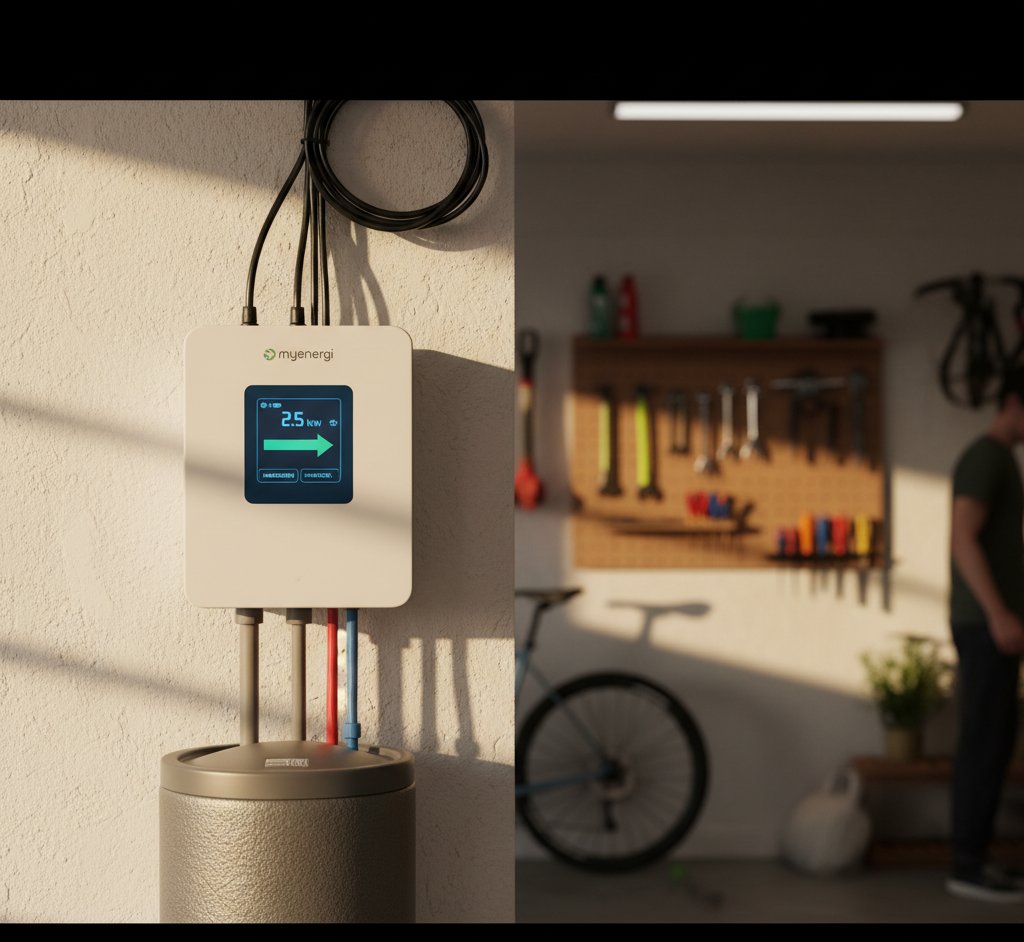
If you have a Myenergi Eddi (hot water diverter) as well as a Zappi, they share the CT clamp and prioritise surplus solar between them based on your configured priorities.
Specifications and versions
| Feature | Zappi v2 (7kW) | Zappi v2 (22kW) |
|---|---|---|
| Power output | 7.4kW (single-phase) | 22kW (three-phase) |
| Connector type | Type 2 | Type 2 |
| Available as | Tethered or untethered | Tethered or untethered |
| Smart features | App control, scheduling, solar modes | Same |
| OZEV grant eligible | Yes | Yes |
| Weight | ~7kg | ~8.5kg |
Most UK homes are single-phase, so the 7kW version is the standard choice. The 22kW three-phase version is for homes with a three-phase supply — typically larger properties or those with specific electrical requirements.
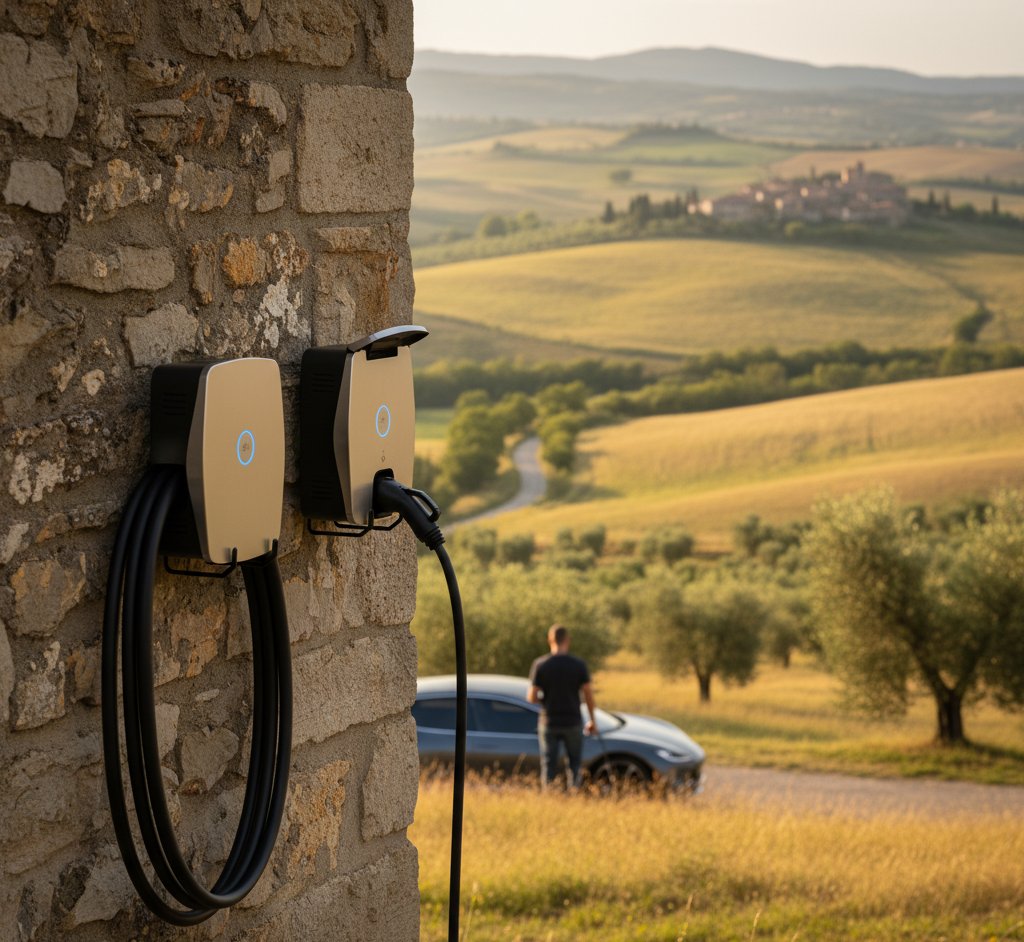
Tethered vs untethered: The tethered version has a permanently attached cable — more convenient (no plugging in a cable each time). The untethered version has a socket — better if you have multiple vehicles with different connector types, or want a tidier look when not in use. See our full comparison.
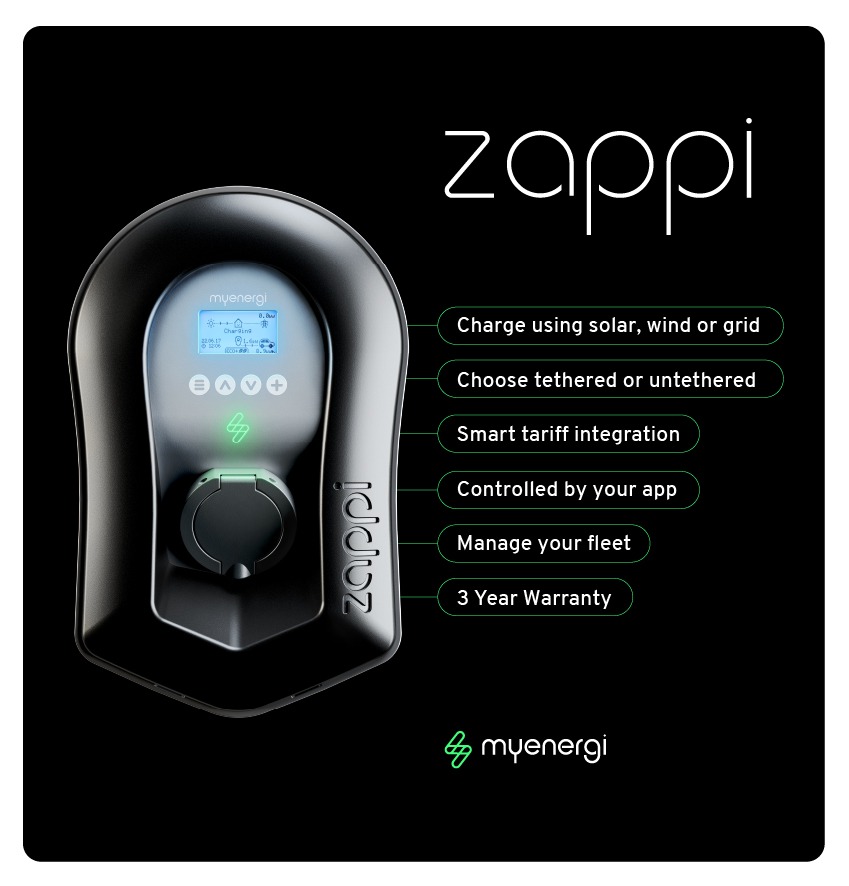
myenergi Zappi 22kW EV Charger
£78022
7.4
22
fast,eco,eco_plus
Affiliate link — we may earn a small commission at no extra cost to you
Installation and costs
Unit cost: £800–£1,100 depending on version and retailer Installation cost: £300–£500 depending on cable run distance and electrical work needed Total installed cost: £1,100–£1,600
Installation must be done by a qualified electrician and should comply with BS 7671 (IET Wiring Regulations). The OZEV grant can contribute up to £350 toward the cost if you qualify.
The installation includes:
- Mounting the Zappi on an external wall (usually near your consumer unit or driveway)
- Running the electrical supply from your consumer unit
- Installing the CT clamp on your main supply cable
- Configuring the Myenergi Hub for smart features and app connectivity
- Testing and commissioning
The Myenergi Hub is essential for smart features
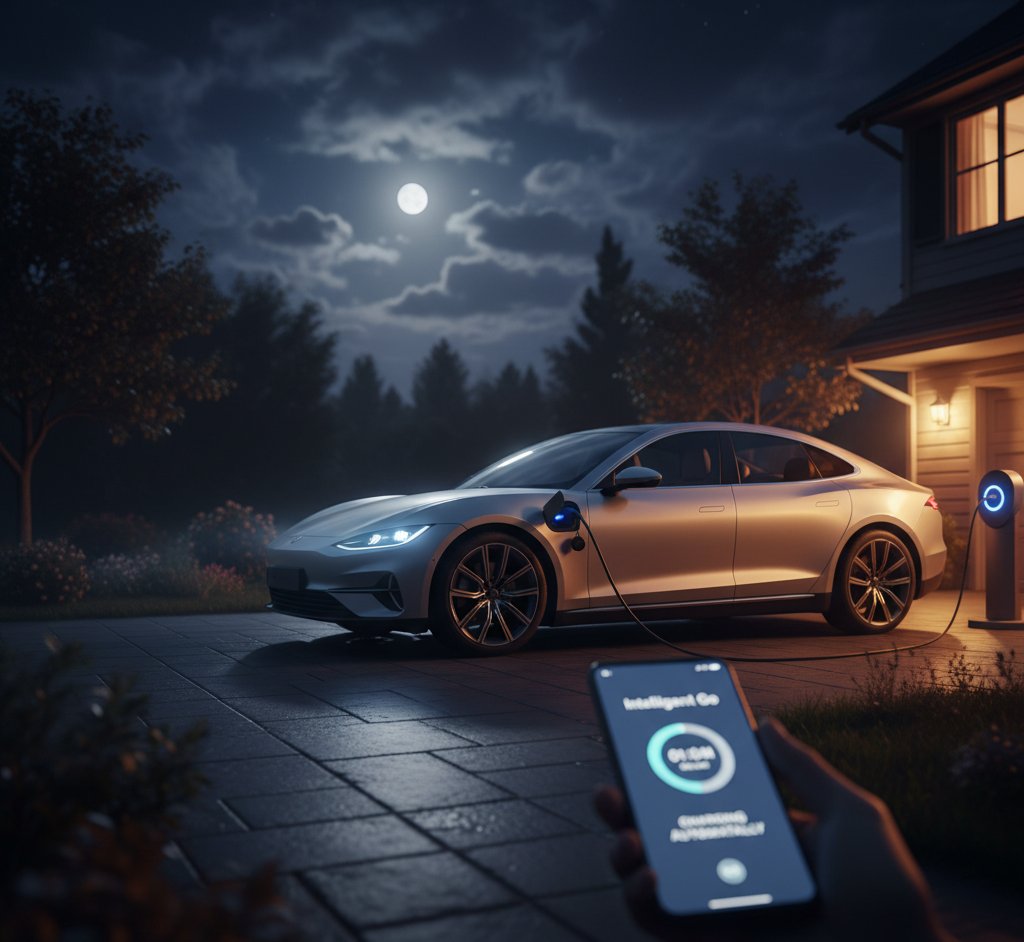
The Zappi's smart features (app control, remote scheduling, Intelligent Go integration) require a Myenergi Hub — a small device connected to your home broadband. Without the Hub, the Zappi works as a solar charger but can't be controlled remotely or participate in smart tariff schemes. The Hub costs around £50 and is sometimes included in bundles.

Real-world solar charging performance
Summer scenario (4kWp system, sunny day):
- Solar generation: 20kWh over the day
- Household consumption: 8kWh
- Surplus available for EV: 12kWh
- Zappi Eco+ charges: ~12kWh (about 40 miles of range)
- Cost: £0
Winter scenario (4kWp system, overcast):
- Solar generation: 3kWh
- Household consumption: 10kWh
- Surplus: 0kWh
- Zappi in Eco+ mode: no charging
- Switch to Eco or Fast mode, charge from grid
Annual solar EV charging on a 4kWp system: approximately 1,200–1,800 kWh (depending on your driving pattern and how often the car is home during solar hours). At avoided grid rates of ~24p/kWh, that's £288–£432 of free fuel per year.
Zappi vs standard EV chargers
A basic 7kW charger costs £400–£700 installed. The Zappi costs £1,100–£1,600. Is the premium worth it?
The £400–700 premium buys you:
- Solar-aware charging (Eco and Eco+ modes)
- Smart scheduling via app
- Integration with Intelligent Octopus Go
- Energy monitoring
- Compatibility with Eddi for whole-home solar management
Payback on the premium: If the Zappi diverts 1,500 kWh of solar to your EV annually (instead of exporting at 12p), the value of that diverted solar is ~1,500 × 12p (24p saved minus 12p lost export) = £180/year. The £500 premium pays back in under three years.
Complete your myenergi solar ecosystem with the Eddi for hot water diversion:
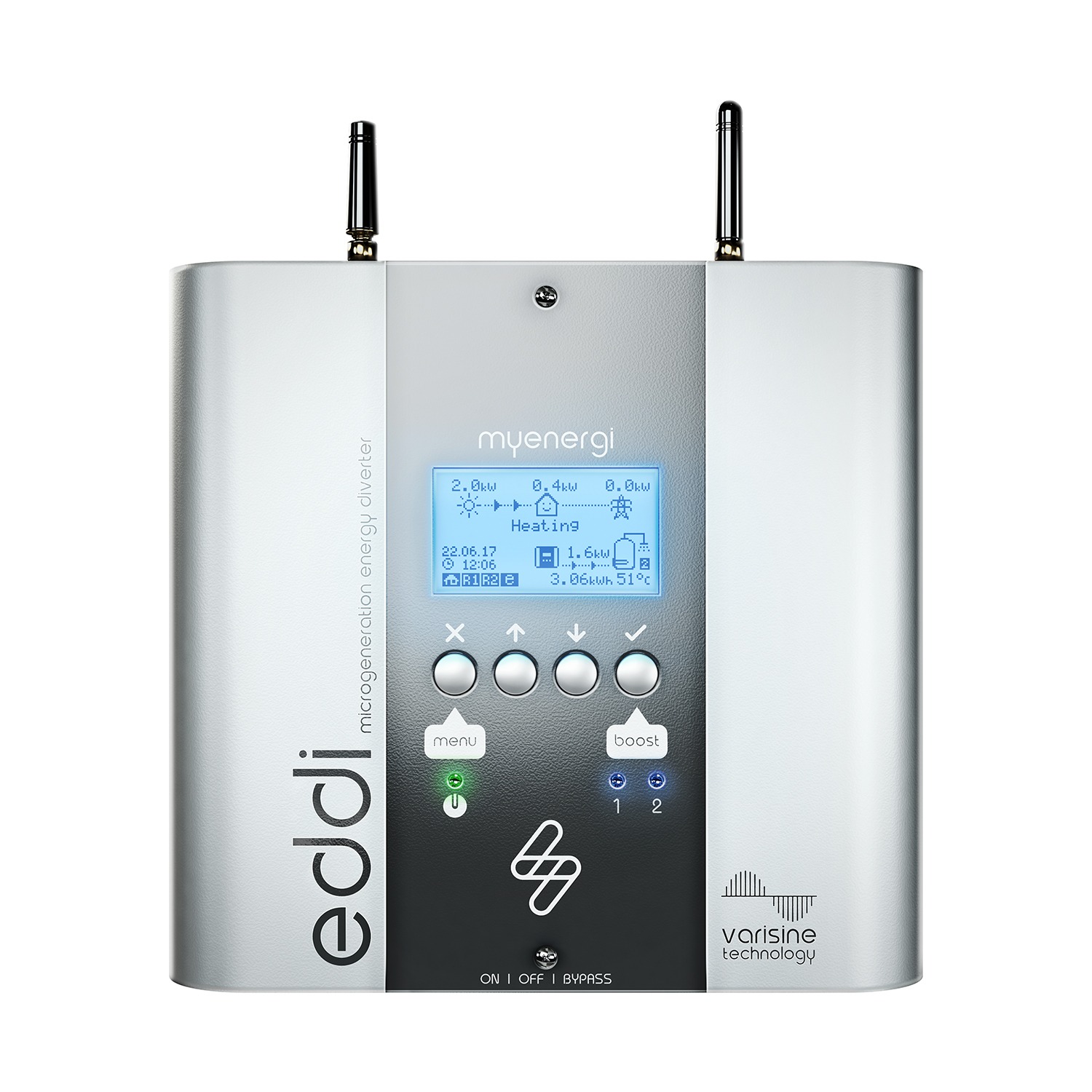
myenergi Eddi Solar Diverter
£1853000
power_divert,timed_boost
2
configurable
Affiliate link — we may earn a small commission at no extra cost to you
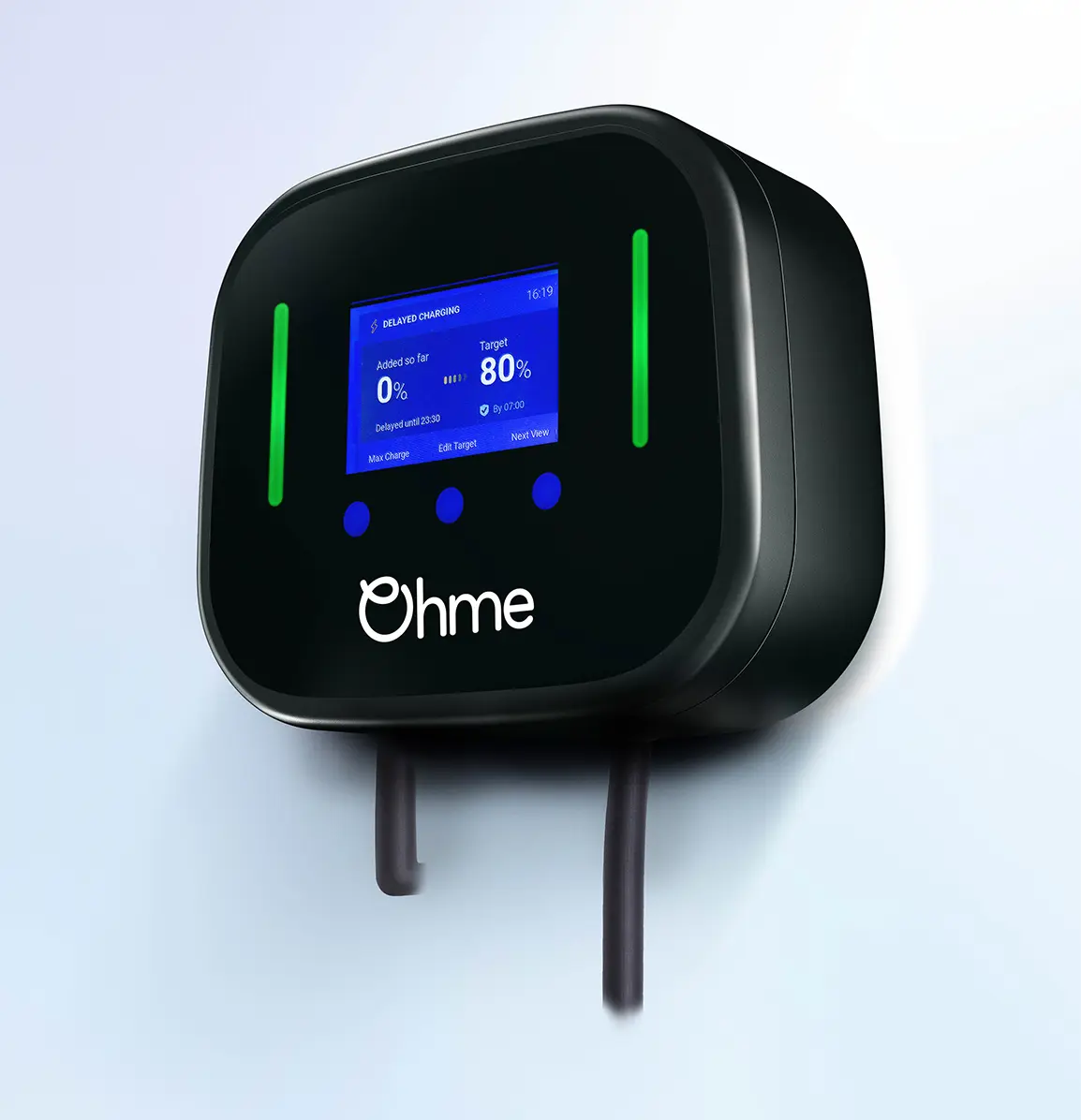
Ohme Home Pro 7.4kW EV Charger
£6007.4
smart,scheduled,manual
false
true
Affiliate link — we may earn a small commission at no extra cost to you
Tips for Zappi owners
- Park your EV during peak solar hours — if you work from home or can charge during the day, Eco+ mode harvests the most free solar
- Use scheduling for overnight top-ups — if solar didn't fully charge the car, schedule a grid top-up during cheap overnight tariff hours
- Set priorities with Eddi — if you have both a Zappi and an Eddi, decide which gets surplus solar first. EV charging is typically more valuable than hot water heating
- Connect the Hub — don't skip the Myenergi Hub. Remote monitoring and smart tariff integration add real value
- Keep firmware updated — Myenergi regularly releases updates that improve solar tracking algorithms and add new features
Share this article

Leading UK provider of electric car charging cables and EV accessories. Cables for all UK and EU models, with fast delivery and expert support.
Affiliate link — we may earn a small commission at no extra cost to you
Stay informed
Get free solar updates direct to your inbox
Related reading
Myenergi Eddi: Solar Hot Water Diverter
Full review of the Myenergi Eddi solar hot water diverter — how it works, installation costs, savings potential, and how it compares to the iBoost.
Tethered vs Untethered EV Chargers
Tethered or untethered EV charger? A practical guide for UK solar households — pros, cons, costs, and which option suits your setup in 2026.
Intelligent Octopus Go: Solar + EV Charging
How Intelligent Octopus Go optimises EV charging for UK solar households — compatible chargers, smart scheduling, and real savings vs standard Go.


Switch to Octopus Energy
Get 50 credit when you switch. We get 50 too — win-win.
What does this mean for YOUR home?
Design your perfect solar setup in under 3 minutes. Free, no sign-up required.
Build Your Solar System