This page contains affiliate links. If you purchase through them we may earn a small commission at no extra cost to you. Learn more
Hot Water Tank Integration with Solar
To use solar energy for hot water, you need a hot water cylinder — there's no way around it. If you currently have a combi boiler and no cylinder, adding one is the first step. If you already have a cylinder, it may need modification. Here's the practical guide.
Do You Need a Hot Water Cylinder?
If you want to heat water with solar, yes. Here's why:
Solar energy is intermittent — the sun shines during the day but you use hot water at various times. A cylinder stores hot water generated during peak solar hours for use in the morning, evening, and night.
Without a cylinder, there's nowhere to store the heat. A combi boiler heats water on demand and has no storage capacity. You'd need to use hot water precisely when the sun is shining, which isn't practical.
Cylinder Types for Solar
Standard Indirect Cylinder
A basic hot water cylinder heated by a coil connected to your boiler. Has an immersion heater element as backup.
Solar compatibility: Good. Add a PV diverter (Eddi, iBoost+) to the existing immersion heater and solar surplus will heat the water.
Twin-Coil Cylinder
Has two heat exchange coils — one for the boiler and one for a secondary heat source (solar thermal or heat pump).
Solar compatibility: Excellent. The lower coil connects to solar thermal panels. The upper coil connects to the boiler for top-up. Also works with an immersion heater + diverter.
Unvented (Pressurised) Cylinder
Sealed system running at mains pressure. No header tank needed. Delivers hot water at mains pressure (better shower pressure).
Solar compatibility: Good, but installation requires a G3-qualified installer. More expensive than vented cylinders.
Vented (Low Pressure) Cylinder
Open-vented system with a header tank in the loft. Lower pressure but simpler and cheaper.
Solar compatibility: Good. The existing immersion element works with a diverter. Lower pressure may require a pump for showers.
Cylinder Sizing for Solar
A bigger cylinder stores more solar-heated water. This matters because:
- A standard 120L cylinder may reach maximum temperature by midday in summer, meaning surplus solar after that is exported
- A 200L cylinder stores more energy and absorbs solar generation across a longer period
- A 250L+ cylinder maximises solar hot water storage but takes more space and more energy to heat fully
| Household Size | Minimum Cylinder | Recommended for Solar | Ideal for Solar + Heat Pump |
|---|---|---|---|
| 1–2 people | 120L | 150–180L | 200L |
| 3–4 people | 150L | 200–250L | 250L |
| 5+ people | 200L | 250–300L | 300L |
Go Bigger If You Can
The marginal cost of a larger cylinder is small (£50–£100 more for an extra 50 litres), but the extra storage capacity means more solar energy captured and less grid electricity needed for evening hot water. If space allows, err on the side of a larger cylinder.
Adding a Cylinder to a Combi Boiler Home
If you currently have a combi boiler and no cylinder, here's what's involved:
Option 1: Add a Cylinder and Keep the Combi
Install a hot water cylinder with an immersion heater, plumbed into the hot water system in parallel with the combi. The immersion (via solar diverter) heats water during the day; the combi tops up when needed.
Complexity: Moderate. A plumber can install this in half a day to a day. Cost: £500–£1,200 (cylinder + installation)
Option 2: Replace the Combi with a System Boiler + Cylinder
A system boiler heats water into a cylinder rather than on demand. This is more compatible with solar thermal (twin-coil cylinder) and heat pumps.
Complexity: High. Requires new boiler, new cylinder, and replumbing. Cost: £2,000–£4,000 (boiler + cylinder + installation) Best for: Homes planning to add solar thermal or a heat pump later.
Option 3: Install a Mini Heat Pump Tank
A combined heat pump + cylinder unit that replaces the need for a separate boiler for hot water.
Complexity: Moderate. Cost: £1,500–£3,000 Best for: Homes prioritising efficiency. See our mini heat pump tank guide.
Immersion Heater Requirements
For PV diverter integration, your cylinder needs an immersion heater element:
- Position: Ideally mid-cylinder (heats from the middle up, leaving cooler water at the bottom for more efficient solar heating)
- Rating: 3 kW is standard; some diverters work with any rating
- Thermostat: Should have a thermostat to prevent overheating (set to 60–65°C)
- Electrical supply: Needs a dedicated 15A or 20A circuit from your consumer unit
Most UK cylinders already have an immersion heater element — even if you've never used it. Check for the round access plate on the side of the cylinder. If present, there's likely an immersion heater installed.
Legionella Prevention
Hot water must be stored at 60°C or above to prevent Legionella bacteria growth. If your solar setup heats water to less than 60°C (common in winter), your boiler or immersion heater must boost the temperature to 60°C at least once daily. Most modern controls handle this automatically, but check your setup.
Insulation
Cylinder insulation is critical for solar integration. Stored hot water loses heat through the cylinder walls:
- Uninsulated cylinder: Loses 2–3 kWh/day — the solar gains disappear overnight
- Factory-insulated (50mm foam): Loses 0.5–1 kWh/day — most solar heat retained
- Additional insulation jacket: Adds £20–£30, reduces heat loss further
If your cylinder has no factory insulation and only a thin jacket, upgrading to a modern pre-insulated cylinder saves more energy than you might expect.
Plumbing Configuration
For optimal solar integration, the hot water system should be configured so that:
- Solar heats the bottom of the cylinder — either via a low-positioned coil (solar thermal) or the immersion heater
- Boiler heats the top of the cylinder — via the upper coil or a separate immersion element
- Hot water is drawn from the top — this is standard
This stratification means the boiler only needs to heat a small amount of water at the top if the solar hasn't reached the top of the cylinder. The lower, cooler water stays ready for efficient solar heating the next day.
These diverters work excellently with hot water cylinders for solar integration:
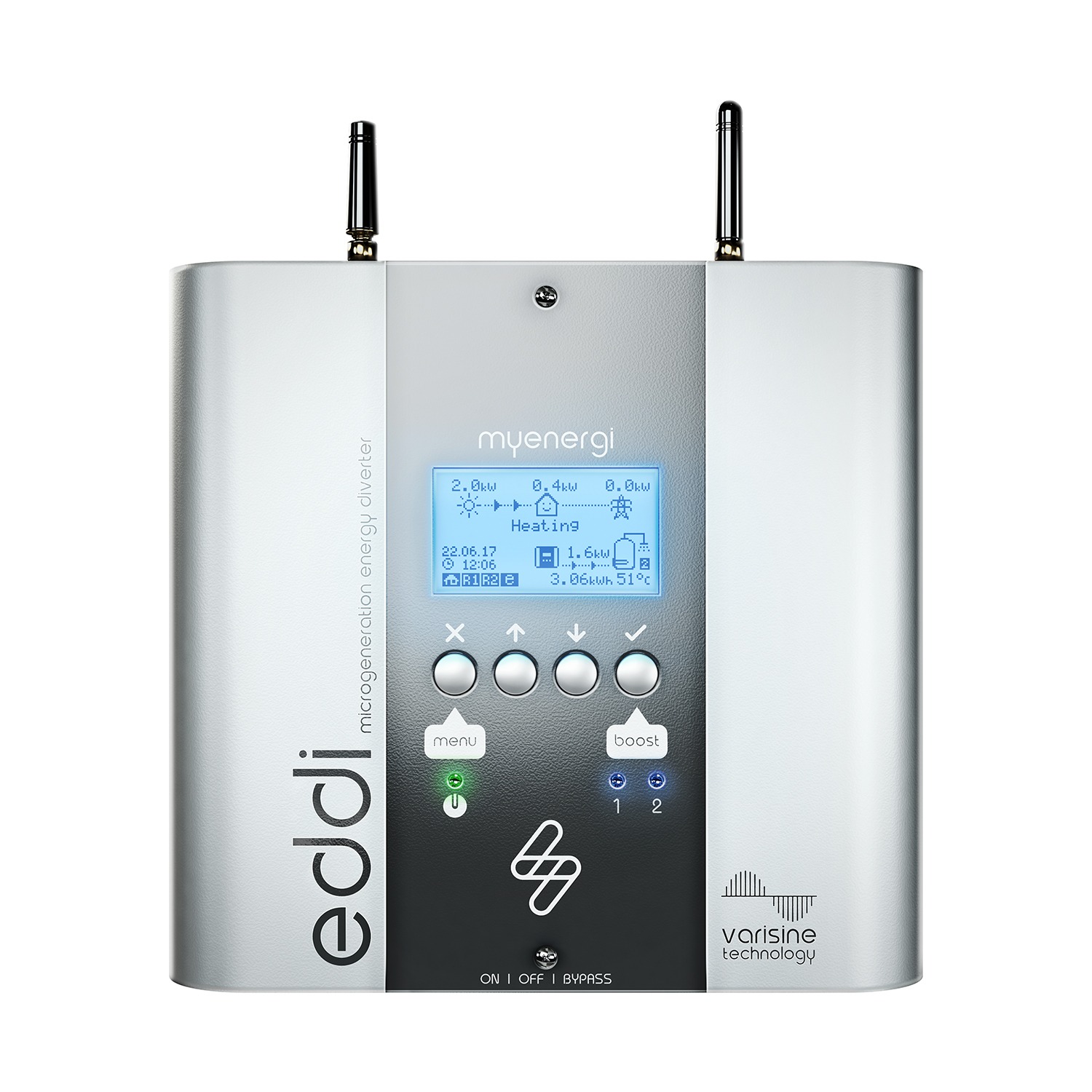
myenergi Eddi Solar Diverter
£1853000
power_divert,timed_boost
2
configurable
Affiliate link — we may earn a small commission at no extra cost to you
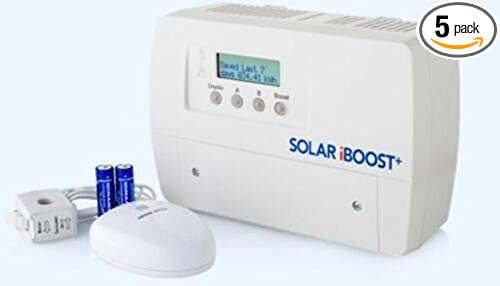
Solar iBoost+ Immersion Heater Controller
£1503000
auto_divert,manual_boost
1
true
Affiliate link — we may earn a small commission at no extra cost to you
What to Ask Your Installer
When getting quotes for a solar system with hot water integration:
- "Do I need a new cylinder, or can we use my existing one?"
- "What size cylinder do you recommend for my household and system size?"
- "Does the cylinder have an immersion heater element, and is it suitable for a diverter?"
- "Should I get a twin-coil cylinder for future heat pump compatibility?"
- "How will the legionella boost cycle work with the solar setup?"
- "What insulation level does the cylinder have?"
A good installer will address all of these proactively. If they don't mention hot water integration at all, ask — it's an important part of maximising your solar investment.
For more on diverter options and solar hot water strategies, see our solar hot water guide.
Share this article

OVO has carefully selected trusted teams across the UK to install solar panels and heat pumps. Enjoy the personal touch of a local expert with the peace of mind of a household name.
Affiliate link — we may earn a small commission at no extra cost to you
Stay informed
Get free solar updates direct to your inbox
Related reading
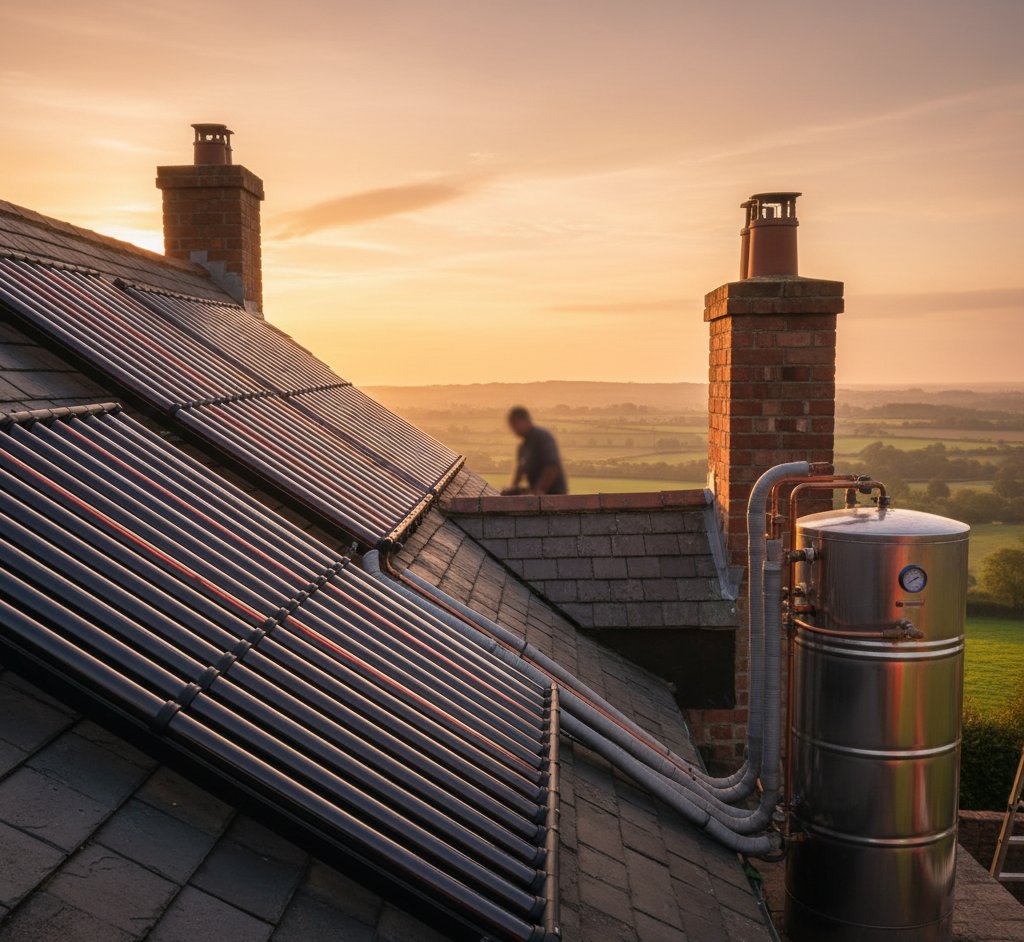
Solar Hot Water: Thermal Panels vs PV Diverters
How to heat your hot water with solar energy in the UK. Compare solar thermal panels, PV diverters like the Eddi and iBoost+, and which approach makes sense in 2026.
Heatable Mini Heat Pump Tanks: Worth It with Solar?
Heatable mini heat pump hot water tanks reviewed for UK homes with solar panels. How they work, what they cost, and whether they're a smart addition to a solar setup.
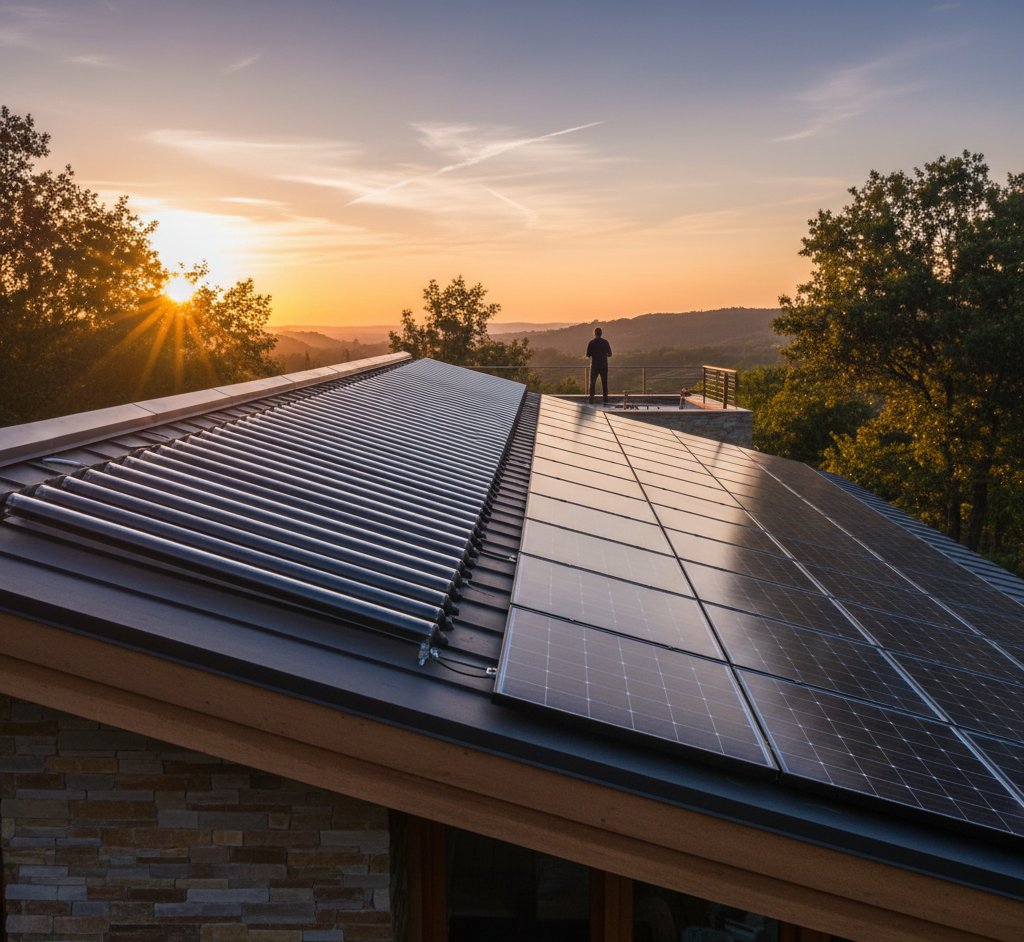
Solar Thermal vs Solar PV: Which Is Better?
Solar thermal panels vs solar PV: compare costs, efficiency, and practicality for UK homes. Why PV has largely won the argument — and when thermal still makes sense.


Switch to Octopus Energy
Get 50 credit when you switch. We get 50 too — win-win.
What does this mean for YOUR home?
Design your perfect solar setup in under 3 minutes. Free, no sign-up required.
Build Your Solar System