This page contains affiliate links. If you purchase through them we may earn a small commission at no extra cost to you. Learn more
Ground-Mounted Solar Panels UK: When and Why
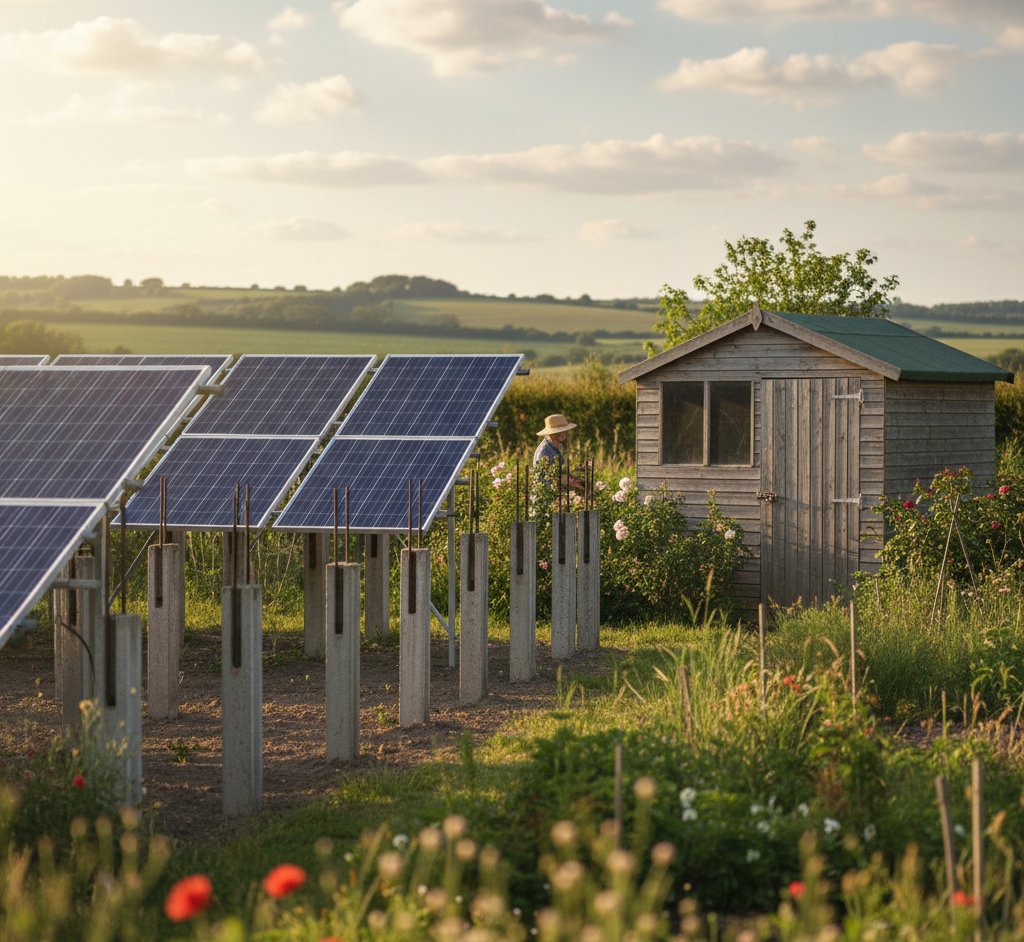
Not every property has a suitable roof for solar panels. Whether your roof faces the wrong direction, is heavily shaded, or is structurally unsuitable, ground-mounted solar is an alternative worth considering if you have the garden space.
When Does Ground-Mount Make Sense?
Ground-mounted solar is the right choice when:
- Your roof is unsuitable — North-facing, heavily shaded, structurally weak, or made of materials that can't support panel fixings
- Your roof is too small — You want a larger system than your roof can accommodate
- You have a listed building — Where roof-mounted panels aren't permitted, ground mount in the garden may be acceptable
- You have available land — Typically you need a clear area of at least 25–30m² for a meaningful system
- You prefer easy access — Ground-mounted panels are simpler to maintain and clean
It's less suitable for small urban gardens, properties where the garden is shaded by trees or neighbouring buildings, or situations where planning permission is unlikely.
Types of Ground Mount Systems
Fixed Frame
The most common residential option. Metal frames are concreted into the ground or secured with ground screws, and panels are mounted at a fixed angle (typically 30–35° facing south).
Cost: £800–2,000 for the mounting system (on top of panel and inverter costs) Durability: 25+ years with galvanised steel or aluminium frames
Pole Mount
A single pole supports a smaller array (2–6 panels). These take up less ground space and can sometimes be manually adjusted seasonally. More common for off-grid or remote applications.
Tracker Systems
Motorised mounts that follow the sun across the sky. These increase generation by 15–25% compared to fixed systems but cost significantly more and have moving parts that require maintenance. Rarely cost-effective for residential UK installations.
Costs
Ground-mounted solar typically costs 10–20% more than roof-mounted, primarily due to the mounting structure and groundwork:
| System Size | Roof-Mounted Cost | Ground-Mounted Cost |
|---|---|---|
| 3kW (8 panels) | £4,500 | £5,200–5,800 |
| 4kW (10 panels) | £6,000 | £6,800–7,500 |
| 6kW (16 panels) | £8,500 | £9,500–11,000 |
Additional costs may include:
- Trenching for cables (from the array to your house): £200–600 depending on distance
- Concrete foundations: £300–800
- Fencing (to protect the array from children, pets, or livestock): £200–500
Ground Screws vs Concrete
Ground screw foundations are faster to install, cause less garden disruption, and can be removed without trace if needed. Concrete foundations are cheaper but permanent. For most residential ground-mount systems, ground screws are the better option. Ask your installer about both.
Planning Permission
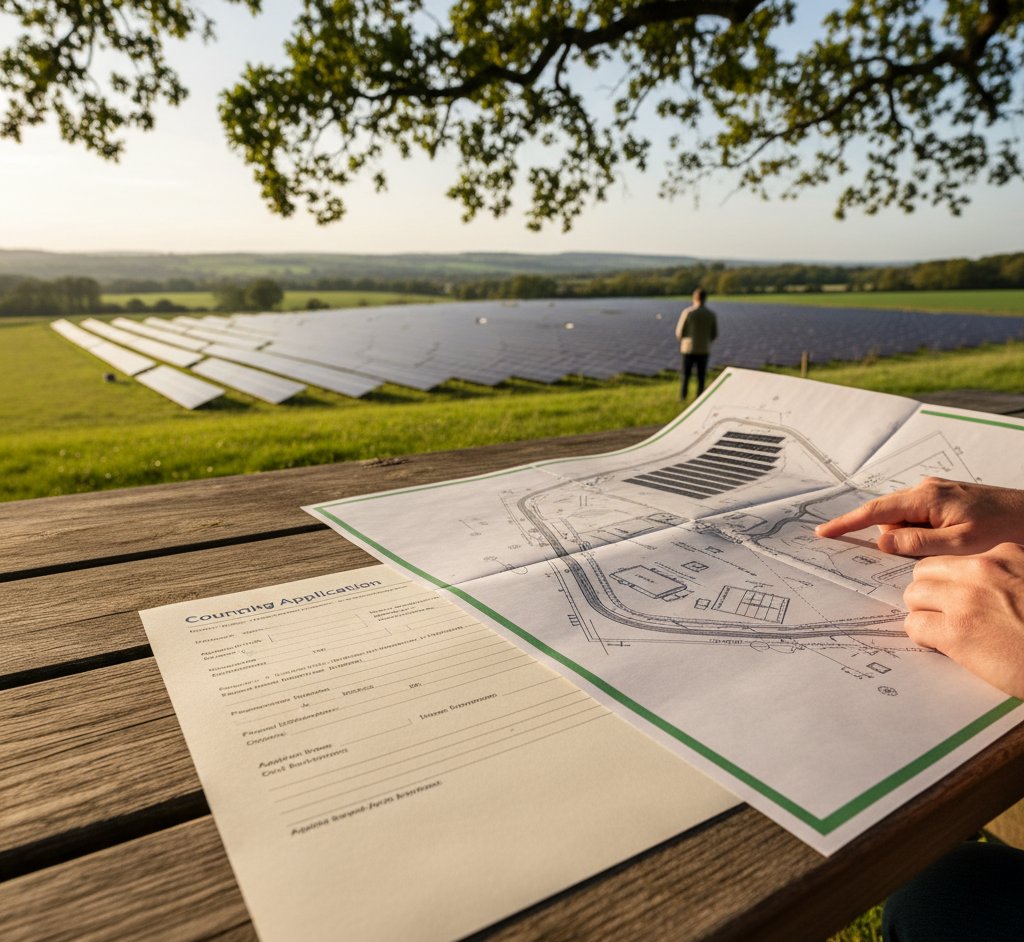
This is the critical difference from roof-mounted solar. Ground-mounted panels in your garden are not covered by permitted development rights in most cases. You will usually need planning permission from your local council.
The key rules:
- Permitted development allows standalone solar equipment within the grounds of a dwelling, provided it's not more than 4 metres high, not within 5 metres of the boundary of the property, and the total area of all standalone equipment doesn't exceed 9m²
- If your array exceeds 9m² (which most useful systems do), you need full planning permission
- In conservation areas, additional restrictions apply
- Listed buildings require listed building consent
Planning applications for ground-mount solar are generally straightforward and often approved, but they add 8–12 weeks and £200–300 in application fees.
Check Before You Build
Installing ground-mounted solar panels without required planning permission is a planning breach. Your council can order you to remove them. Always confirm with your local planning department before proceeding, even if you think the system falls within permitted development limits.
Practical Considerations
Cable Runs
The electricity generated by ground-mounted panels needs to get to your house. This means burying an armoured cable from the array to your consumer unit. The longer the run, the higher the cost and (marginally) the greater the power losses.
- Up to 20 metres: straightforward, minimal loss
- 20–50 metres: still fine, slightly higher cable cost
- 50+ metres: increased cable cost and voltage drop may become a factor
Shading Analysis
One advantage of ground mount is that you can choose exactly where to place the array. Walk your garden at different times of day and note shadows from trees, fences, and buildings. The ideal spot has unobstructed sun from east to west, particularly between 9am and 3pm.
Your installer should carry out a formal shading analysis to confirm the best position.
Maintenance Access
Ground-mounted panels are easy to access for cleaning and inspection. You can simply walk up to them. This is a genuine advantage over roof-mounted systems where you'd need scaffolding or cherry-picker access.
Security
Ground-mounted panels are more accessible to thieves than roof-mounted ones. Consider:
- Tamper-resistant fixings
- Security fencing if the array isn't visible from your house
- CCTV or motion-sensor lighting nearby
- Insurance — make sure your home insurance covers the array
Garden Impact
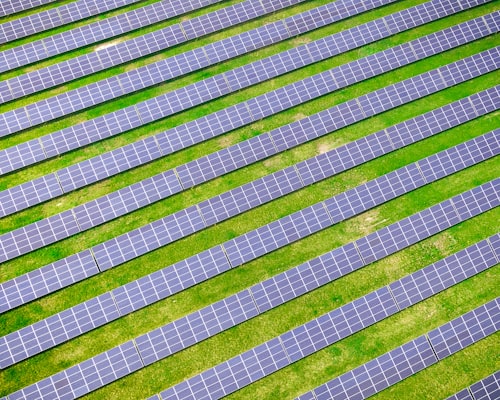
A 4kW ground-mounted array takes up approximately 25–30m² of garden space (including spacing between rows). This is a significant chunk of a typical suburban garden. Consider whether the space trade-off is worth it, or whether a partial roof + partial ground system might work better.
Ground Mount vs Roof Mount: Summary
| Factor | Roof Mount | Ground Mount |
|---|---|---|
| Cost | Lower | 10–20% more |
| Planning permission | Usually not needed | Usually needed |
| Optimal angle/direction | Limited by roof | You choose |
| Maintenance access | Difficult | Easy |
| Garden space used | None | Significant |
| Aesthetics | Visible on roof | Visible in garden |
| Security risk | Low | Higher |
These high-efficiency panels are popular choices for ground-mounted installations:
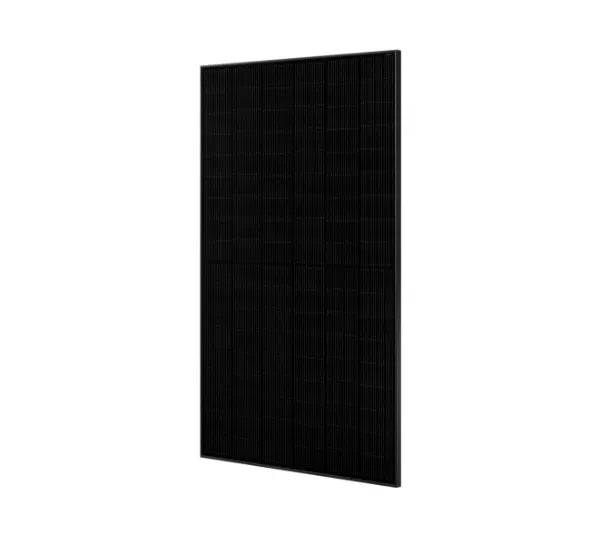
JA Solar JAM54D41 450W N-type TOPCon
£82450
22.8
1722 x 1134 x 30
21.5
Affiliate link — we may earn a small commission at no extra cost to you
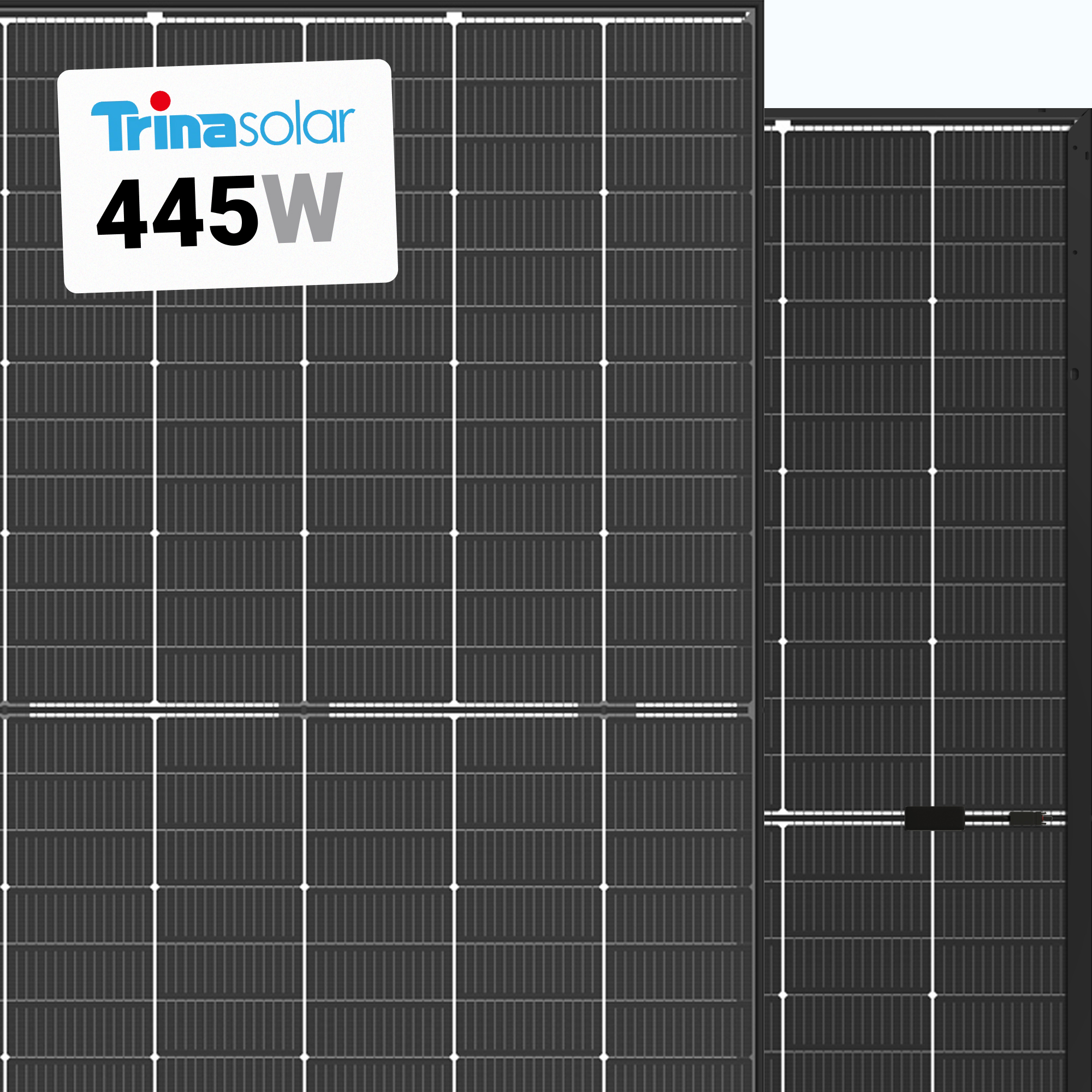
Trina Solar Vertex S+ 445W
£75445
22.5
1762 x 1134 x 30
21.8
Affiliate link — we may earn a small commission at no extra cost to you
Can You DIY Ground-Mount Solar?
Technically, you can build your own ground-mount frame and install panels yourself. However:
- DIY installations are not MCS-certified, which means no access to the Smart Export Guarantee
- 0% VAT only applies when a VAT-registered business supplies and installs
- Electrical connections must be done by a Part P-qualified electrician
- Your home insurance may not cover a DIY system
- Any planning permission issues become your responsibility alone
For most homeowners, professional installation is the sensible choice despite the higher cost.
Share this article

OVO has carefully selected trusted teams across the UK to install solar panels and heat pumps. Enjoy the personal touch of a local expert with the peace of mind of a household name.
Affiliate link — we may earn a small commission at no extra cost to you
Stay informed
Get free solar updates direct to your inbox
Related reading

Is My Roof Suitable for Solar Panels?
Find out if your roof can take solar panels — covering direction, angle, shading, structural condition, and options for tricky roofs.
Solar Panel Planning Permission UK: What You Need to Know
Do you need planning permission for solar panels in the UK? Clear guide to permitted development rules, when you need to apply, and what happens in special areas.

How Much Do Solar Panels Cost in the UK in 2026?
Realistic UK solar panel costs broken down by system size, installation, and what actually affects the price you'll be quoted.


Switch to Octopus Energy
Get 50 credit when you switch. We get 50 too — win-win.
What does this mean for YOUR home?
Design your perfect solar setup in under 3 minutes. Free, no sign-up required.
Build Your Solar System