This page contains affiliate links. If you purchase through them we may earn a small commission at no extra cost to you. Learn more
Negative Pricing: When the Grid Pays You to Use Electricity
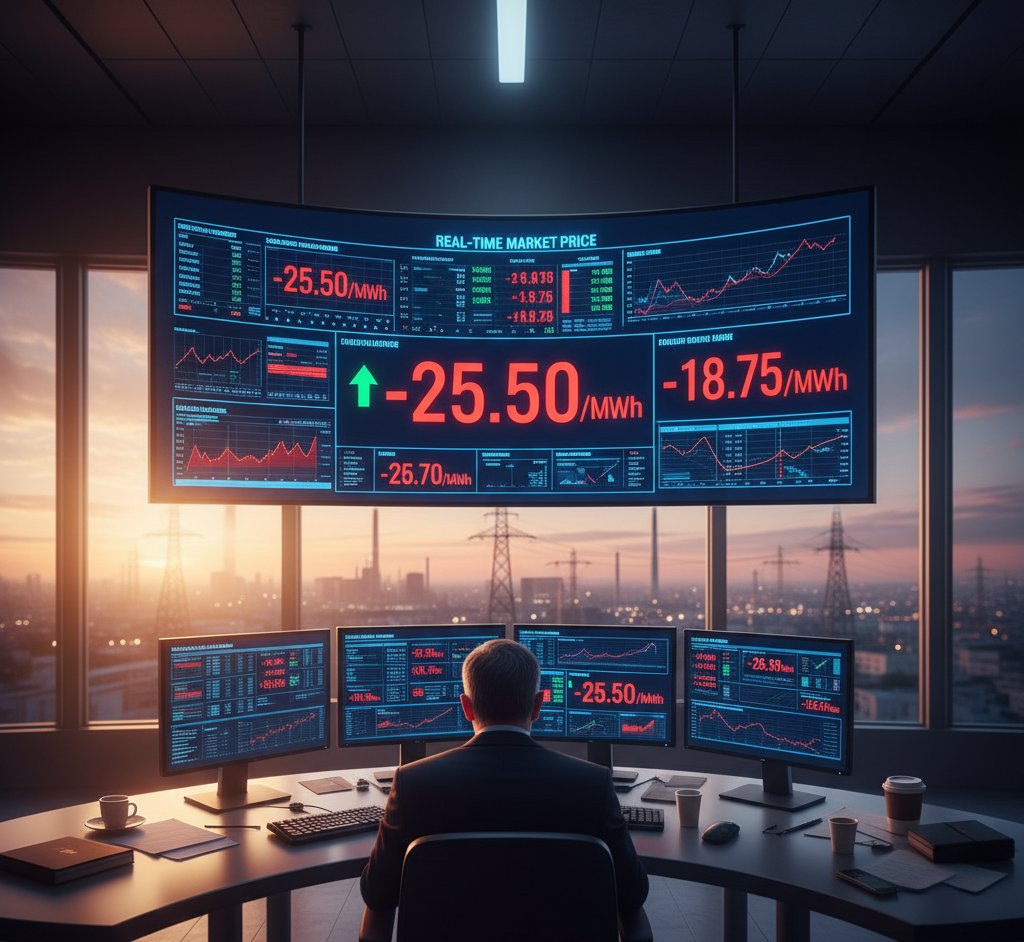
What is negative electricity pricing?
Negative pricing sounds like a fantasy, but it's a real and increasingly common feature of the UK electricity market. It happens when there's more electricity being generated than the country needs.
When supply exceeds demand, the wholesale price of electricity drops. Sometimes it drops below zero. At that point, generators are effectively paying to offload their electricity — and on certain retail tariffs, that negative price is passed on to you.
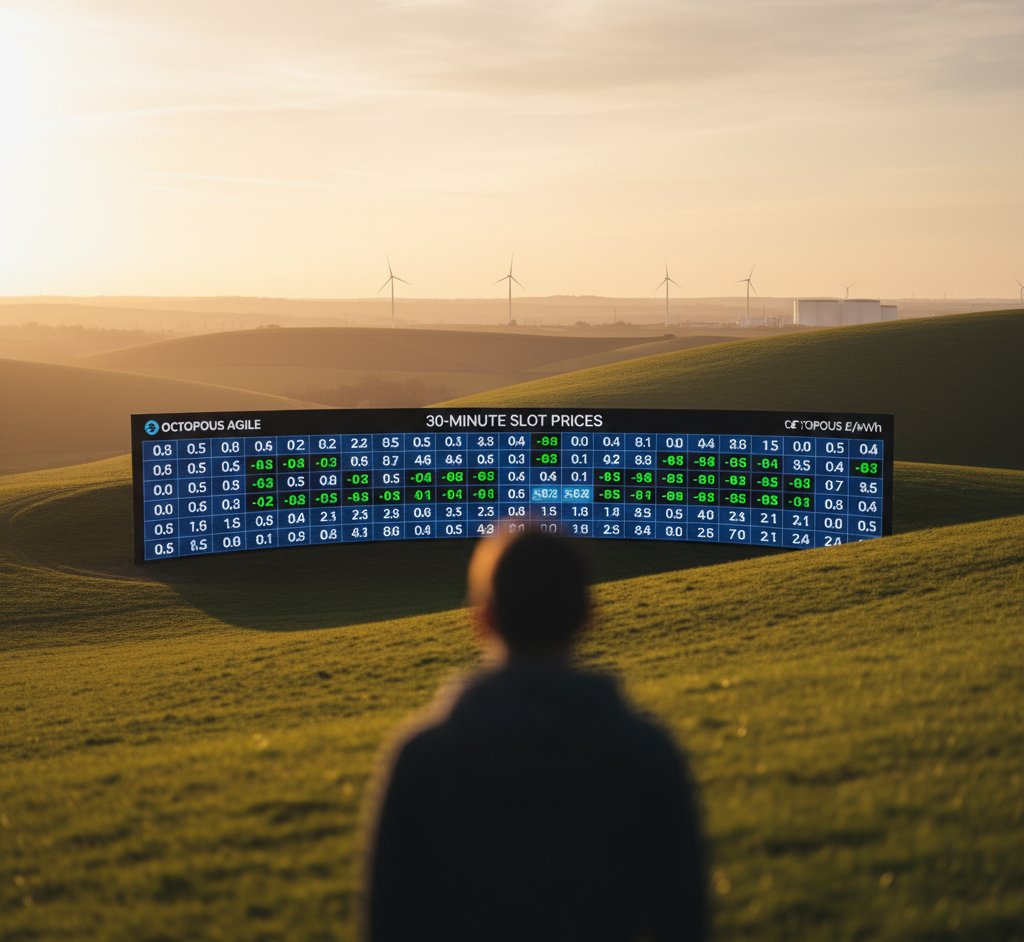
On Octopus Agile, for example, a negative half-hourly price of -5p/kWh means Octopus pays you 5p for every kWh you consume during that slot. Run your washing machine, charge your EV, fill your battery — and get paid for it.
Why does it happen?
Several factors combine to create negative pricing:
Too much renewable generation
Wind turbines and solar farms can't easily dial down their output. When a storm system delivers gale-force winds on a Saturday afternoon and demand is low (nobody's at the office, factories are closed), wind farms generate far more than the grid needs.
Inflexible baseload generation
Nuclear power stations run continuously — they can't ramp up and down quickly. If nuclear is generating 6GW and demand drops to 20GW while renewables are producing 18GW, there's a 4GW surplus. Something has to give.
Interconnector limitations
The UK can export surplus electricity to France, Belgium, and the Netherlands via undersea cables. But these interconnectors have limited capacity. When they're full and there's still surplus generation, negative pricing results.
Low demand periods
Weekends, bank holidays, warm spring days (no heating needed, daylight reduces lighting), and overnight hours all see reduced demand. Combine low demand with high renewable generation and negative pricing follows.
When does negative pricing occur?
In 2025, the UK experienced approximately 200+ hours of negative wholesale pricing. Common patterns:
- Spring weekends (March–May): Moderate solar generation + strong winds + low weekend demand
- Bank holidays: Very low commercial/industrial demand
- Summer Sundays: High solar output midday, minimal demand
- Overnight in high wind: 2–5am on stormy nights
- Christmas/New Year: Extended low-demand period
The frequency is increasing year on year as the UK adds more renewable capacity. NESO (National Energy System Operator) projections suggest negative pricing will become a near-daily occurrence by the late 2020s during certain hours.
Track negative pricing in real time
The Octopus Agile rates are published at 4pm for the next day. Apps like "Octopus Watch" and websites like energy-stats.uk show current and upcoming Agile prices. If you see negative slots approaching, you can schedule heavy loads to take advantage.
How to profit from negative pricing
With Octopus Agile (import)
During negative price slots, every kWh you use earns money instead of costing it. Practical actions:
- Charge your solar battery from the grid
- Charge your EV
- Run the immersion heater to heat your water tank
- Run any high-consumption appliances
At -5p/kWh, charging a 10kWh battery earns you 50p. Modest, but it's free electricity with a bonus payment attached.
With Agile Outgoing (export)
This is where negative pricing works against you. If Agile Outgoing rates go negative, you'd pay to export. During these periods, you should:
- Stop exporting (most smart inverters handle this automatically)
- Divert surplus solar to your battery, hot water, or EV instead
- Curtail generation if all storage is full (your inverter does this automatically)
Negative export rates — check your setup
If your solar system automatically exports without checking the current rate, you could be paying to send electricity to the grid during negative pricing periods. Ensure your inverter or battery management system is configured to curtail exports when Agile Outgoing rates are negative. GivEnergy and similar platforms handle this when properly configured.
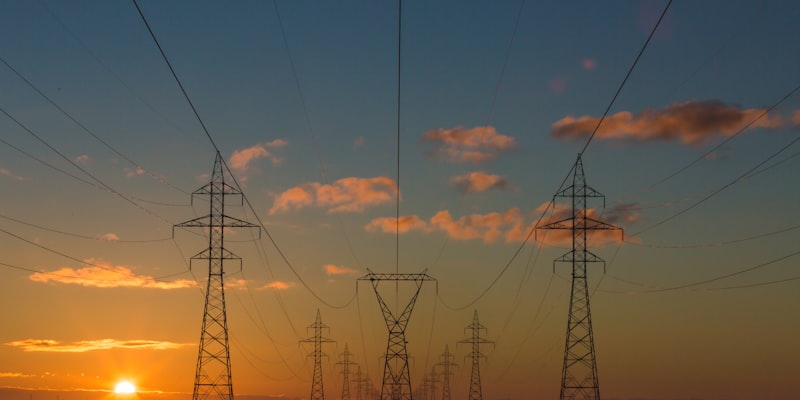
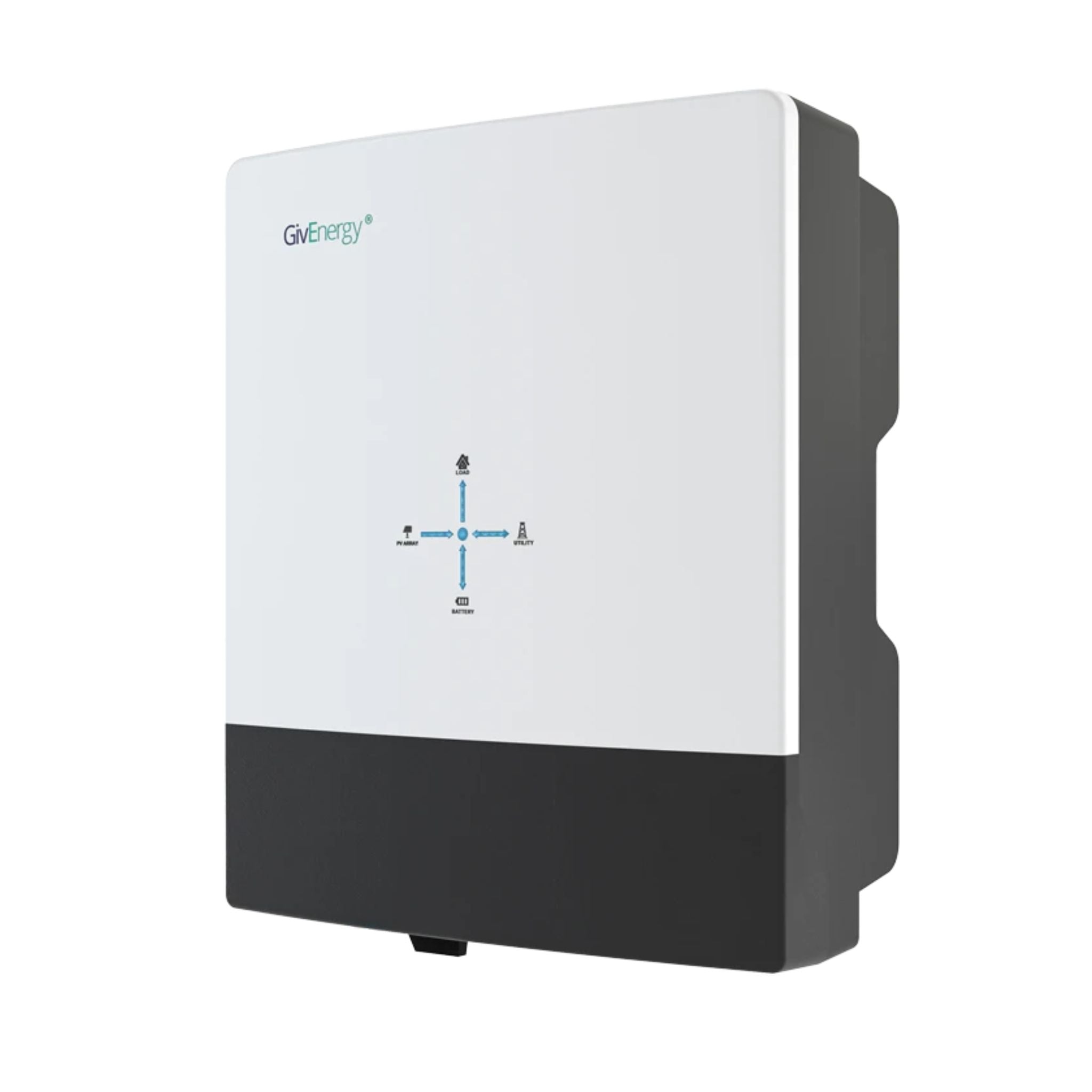
GivEnergy All-in-One 5kW Hybrid Inverter
£1,2005
7.5
2
48V
Affiliate link — we may earn a small commission at no extra cost to you
The bigger picture: why negative pricing matters

Negative pricing is a signal that the grid has a problem — not enough flexible demand to absorb renewable generation. The UK is tackling this through:
Batteries (grid-scale and domestic): Every home battery that charges during surplus periods helps balance the grid. Your battery isn't just saving you money; it's providing a service.
Demand-side response: Programmes like Octopus's "Saving Sessions" (and the reverse — using more during surplus) incentivise flexible demand. Smart tariffs like Agile automate this.
Interconnectors: New cables to Norway, Denmark, and expanded capacity to Europe will allow more surplus export. But building undersea cables takes years.
Electrification: As more homes switch to heat pumps and EVs, flexible electricity demand increases. A million EVs charging during surplus periods could absorb gigawatts of excess generation.
For solar + battery households, negative pricing represents the emerging reality of a renewable-heavy grid. Your ability to consume flexibly — charging when cheap, exporting when expensive — is genuinely valuable to the system. Tariffs like Agile reward that flexibility.
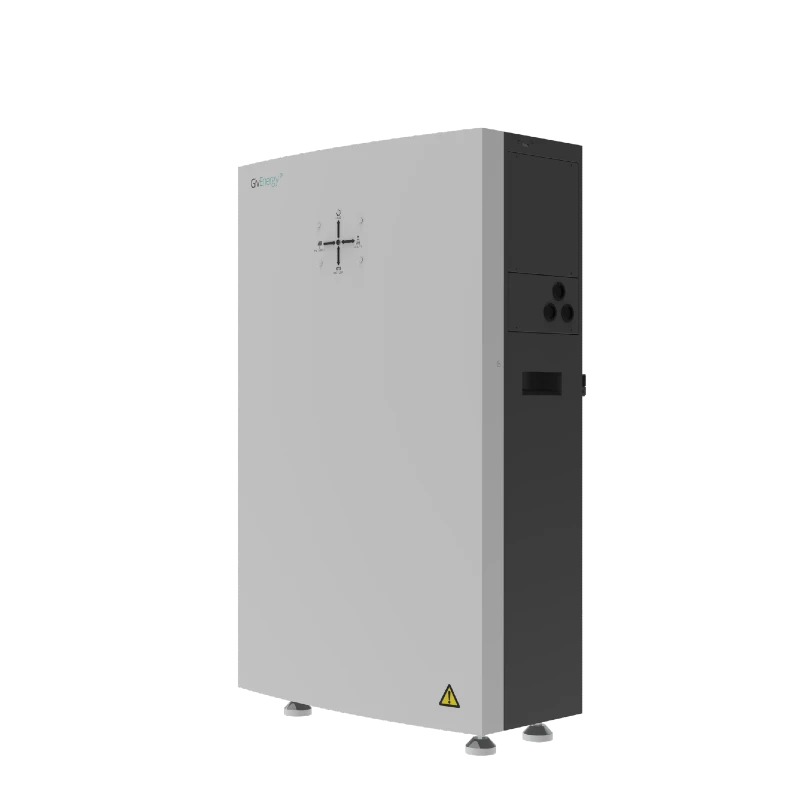
GivEnergy All-in-One 9.5kWh Battery
£5,5009.5
8.6
LFP
6000
Affiliate link — we may earn a small commission at no extra cost to you
How much can you actually earn?
Let's be realistic. Negative pricing events in 2025/26 typically:
- Last 2–6 hours per occurrence
- Occur 15–25 times per year
- Average about -3 to -8p/kWh during negative periods
Annual negative pricing income (Agile import, with battery):
- ~150 hours of negative pricing per year
- Average rate: -4p/kWh
- Battery absorbs: ~5 kWh per event (limited by capacity and existing charge)
- Direct saving/income: ~£30/year from negative pricing alone
It's not a fortune. The real value is indirect — negative pricing events are surrounded by very cheap (but positive) slots. The 2am slot might be -4p, but the 1am and 3am slots might be 1p and 2p. Your battery filling at these near-zero rates across the whole overnight period saves far more than just the negative slots.
Preparing for more negative pricing
As the UK approaches 50GW+ of renewable capacity (projected by 2030), negative pricing will become routine during certain hours. Solar + battery households are well-positioned:
- Get on a variable tariff — Agile or similar, so you benefit from low and negative prices
- Ensure your battery can charge from the grid — not all systems are configured for grid charging by default
- Automate your response — set up your inverter/battery to charge when prices drop below a threshold
- Consider a hot water diverter — devices like the Myenergi Eddi can dump cheap electricity into your hot water tank
- Right-size your battery — larger batteries can absorb more cheap/free electricity, increasing the value of negative pricing events
The transition to a renewable-dominant grid creates both challenges and opportunities. Negative pricing is one of the more tangible opportunities for households that have invested in solar, batteries, and smart energy management.
Share this article

OVO has carefully selected trusted teams across the UK to install solar panels and heat pumps. Enjoy the personal touch of a local expert with the peace of mind of a household name.
Affiliate link — we may earn a small commission at no extra cost to you
Stay informed
Get free solar updates direct to your inbox
Related reading
Octopus Agile Tariff: Is It Worth It with Solar?
A detailed look at the Octopus Agile tariff for UK solar households — how half-hourly pricing works, real savings potential, and who should avoid it.
Agile Outgoing: Getting Paid More for Export
How Octopus Agile Outgoing works for UK solar exports — variable rates, peak export strategy, and how to maximise your income from surplus solar.
Solar Battery Storage: Complete UK Guide 2026
Everything you need to know about adding battery storage to a UK solar installation — types, sizing, costs, and which products are worth considering in 2026.


Switch to Octopus Energy
Get 50 credit when you switch. We get 50 too — win-win.
What does this mean for YOUR home?
Design your perfect solar setup in under 3 minutes. Free, no sign-up required.
Build Your Solar System