This page contains affiliate links. If you purchase through them we may earn a small commission at no extra cost to you. Learn more
Octopus Agile Tariff: Is It Worth It with Solar?
What is Octopus Agile?
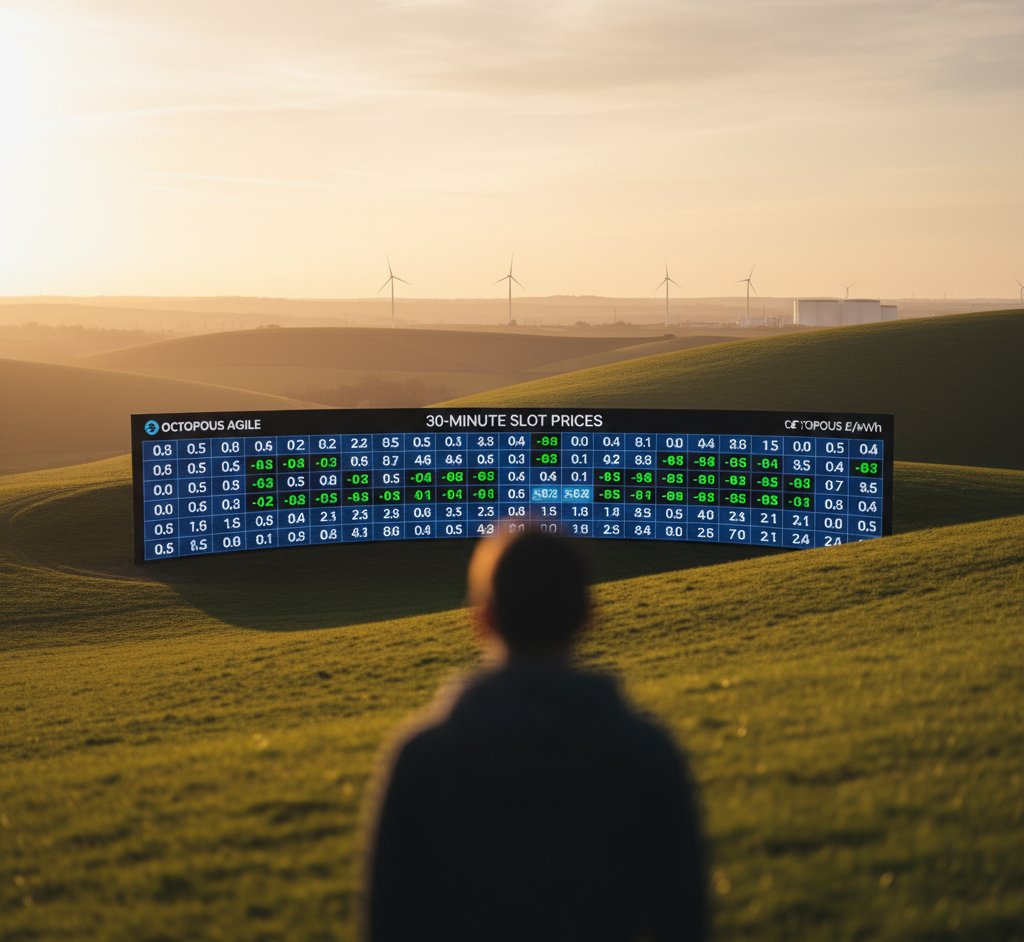
Octopus Agile is a time-of-use electricity tariff from Octopus Energy where the price you pay changes every 30 minutes. Unlike a standard flat-rate tariff (say, 24p/kWh all day), Agile tracks the day-ahead wholesale electricity market.
Every day at 4pm, Octopus publishes the next day's prices for every half-hour slot from 11pm that night to 11pm the following day. You can see exactly what you'll pay in advance and shift your usage accordingly.
In practice, Agile prices in April 2026 typically range from:
- Overnight (midnight–5am): 5–12p/kWh
- Daytime off-peak: 15–25p/kWh
- Peak (4–7pm): 25–45p/kWh
- Occasional extremes: negative rates to 80p+ during supply crunches
How Agile works with solar panels
If you have solar panels, Agile becomes interesting because you're already generating free electricity during daylight hours — exactly when Agile prices are moderate. You barely interact with the grid between 9am and 4pm on a sunny day.
The real benefit comes in how you handle the evening peak. Between 4pm and 7pm, Agile prices regularly hit 30–45p/kWh. Without solar (or a battery), you'd be buying at those rates. With solar generation covering your daytime needs, you've already avoided the moderate-priced slots.
But here's the key question: what do you do at 5pm when prices spike and your panels have stopped generating?
Without a battery
You're exposed to peak pricing every evening. Your solar covered the daytime, but evenings and mornings still cost full whack. For many households, 40–50% of electricity use falls in peak or shoulder periods. Agile without a battery is a gamble — you need to be disciplined about shifting usage.
With a battery
This is where Agile really shines. Your battery charges from solar during the day (free electricity). At 5pm when Agile hits 40p/kWh, you drain the battery instead of buying from the grid. If your battery runs flat, you can recharge overnight at 5–8p/kWh.
The effective saving per kWh from your battery on Agile is the peak price you avoid minus the overnight price you charge at: often 25–35p/kWh of value per cycle. That's substantially better than the ~12–15p spread on a flat tariff.
Automate it or don't bother
The full benefit of Agile requires automation. Systems like GivEnergy and Solis have built-in Agile integration that automatically adjusts charge/discharge schedules based on tomorrow's prices. Without automation, you'll need to manually check prices daily and adjust — most people give up within a month.
Real-world savings: Agile vs flat rate
Let's model a typical solar household (4kWp panels, 10kWh battery):
On a 24p flat tariff:
- Annual import: ~1,800 kWh at 24p = £432
- SEG export income: ~£50
- Net cost: ~£382
On Agile (with battery automation):
- Annual import: ~1,800 kWh at an average of 10p (optimised timing) = £180
- Evening peaks avoided by battery: ~£150 saved vs flat rate
- Net cost: ~£180
That's roughly £200/year additional saving from switching to Agile — on top of your solar savings. But this assumes good automation and consistent battery management.
Agile has risks
Wholesale market volatility means Agile can be more expensive than a fixed deal for weeks or months at a stretch. Solar helps hedge this risk (free daytime power), but you need to understand you're trading predictability for potential savings. With the April 2026 price cap at 24.5p/kWh, Agile's average can exceed that during high-demand periods.
Agile price cap and negative pricing
Octopus caps Agile at 100p/kWh — you'll never pay more than that in a single slot. In practice, prices above 50p are rare and usually only last for one or two 30-minute windows.
On the other end, negative pricing happens several times a year, typically on windy spring weekends when demand is low and renewables are flooding the grid. During these periods, you literally get paid to use electricity. A -5p/kWh slot means running your dishwasher earns you money.
With a battery, negative pricing is free charging. Your system tops up the battery at negative cost, ready to discharge during the next peak.
Who should use Octopus Agile?
Agile is a great fit if you have:
- Solar panels plus a battery with Agile-compatible automation
- Flexible daytime usage (work from home, EV charging flexibility)
- A willingness to engage with your energy setup, at least initially
- A household that uses most electricity outside the 4–7pm peak
Agile is probably not for you if:
- You have no battery and can't shift usage
- You run high loads in the evening that can't be moved (electric heating, cooking at fixed times)
- You want a simple, predictable energy bill
- Volatility stresses you out
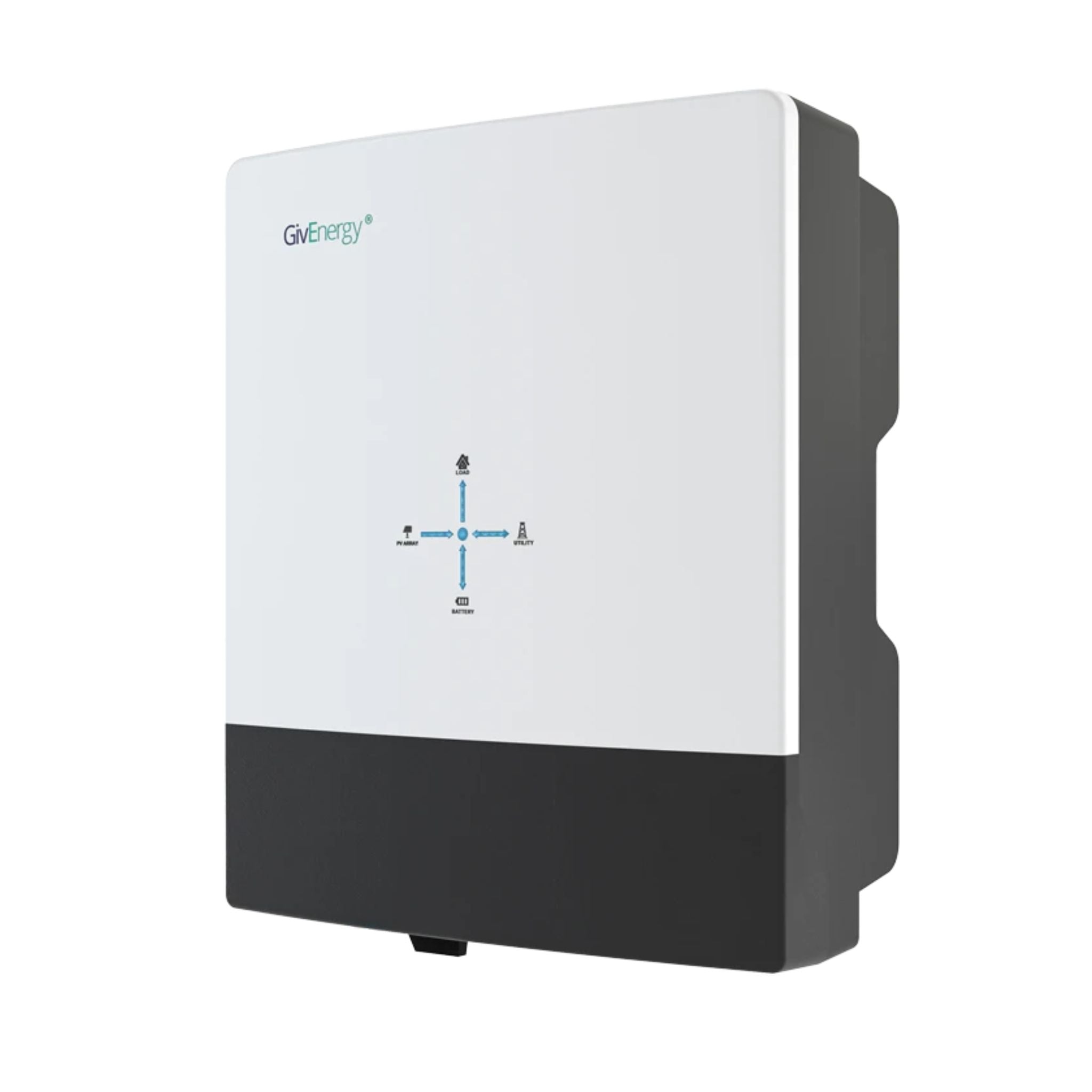
GivEnergy All-in-One 5kW Hybrid Inverter
£1,2005
7.5
2
48V
Affiliate link — we may earn a small commission at no extra cost to you
How to sign up
You need to be an Octopus Energy customer with a SMETS2 smart meter. You can switch to Agile from your Octopus account dashboard — it typically takes effect within a day or two.
There's no exit fee. If Agile doesn't work out, you can switch back to a fixed tariff instantly. This makes it relatively low-risk to try.
If you're not yet with Octopus, you'll need to switch your supply first. The overall switch takes 2–3 weeks, after which you can select Agile.
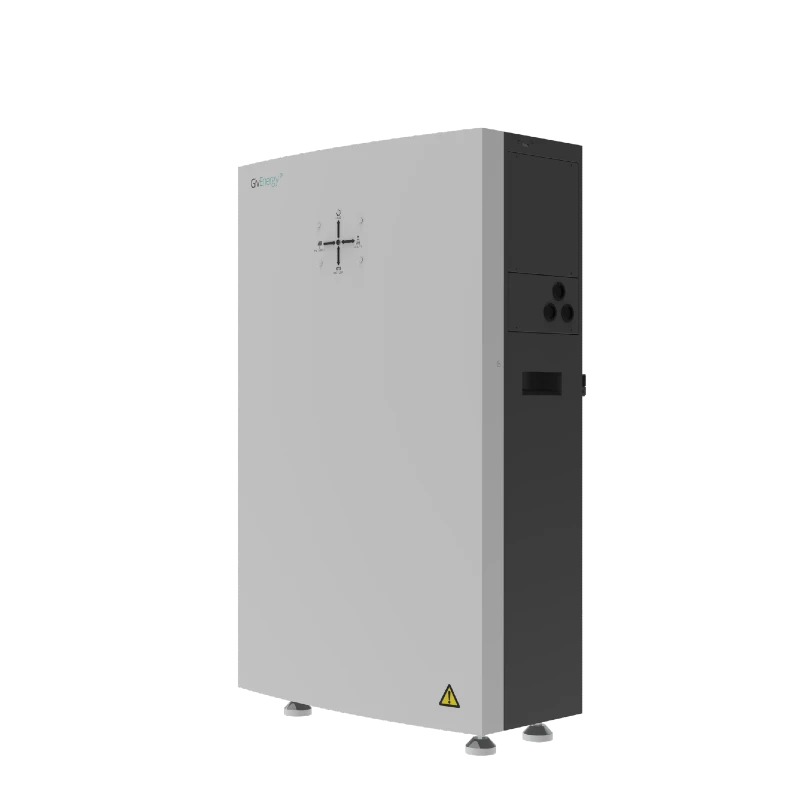
GivEnergy All-in-One 9.5kWh Battery
£5,5009.5
8.6
LFP
6000
Affiliate link — we may earn a small commission at no extra cost to you
Agile vs Flux vs Go: which Octopus tariff?
Octopus offers several tariffs aimed at solar households. Here's the quick comparison:
- Agile — maximum savings potential, maximum effort/risk, best with automation
- Flux — designed specifically for solar + battery, simpler three-rate structure, guaranteed export rate
- Go/Intelligent Go — designed for EV owners, cheap overnight rate, less solar-specific
For most solar + battery households in 2026, Flux is the safer pick with good, predictable savings. Agile offers higher ceiling but lower floor. If you enjoy optimising and have good automation, Agile rewards the effort.
Tips for getting the most from Agile
- Set up automation first — GivEnergy, Solis, and other hybrid inverters support Agile scheduling. Tools like Home Assistant can also orchestrate this.
- Charge your EV overnight — Agile overnight rates (1am–5am) are consistently cheap. Schedule EV charging for these windows.
- Run heavy appliances in cheap slots — dishwashers, washing machines, and tumble dryers are easy to schedule.
- Avoid the 4–7pm peak — this is when Agile hurts. Use battery power or reduce consumption.
- Check tomorrow's prices at 4pm — even if you have automation, it's worth a glance to spot negative or unusually expensive slots.
- Pair with Agile Outgoing — if you have surplus to export, the variable export rate can pay handsomely during peaks.
Share this article

OVO has carefully selected trusted teams across the UK to install solar panels and heat pumps. Enjoy the personal touch of a local expert with the peace of mind of a household name.
Affiliate link — we may earn a small commission at no extra cost to you
Stay informed
Get free solar updates direct to your inbox
Related reading
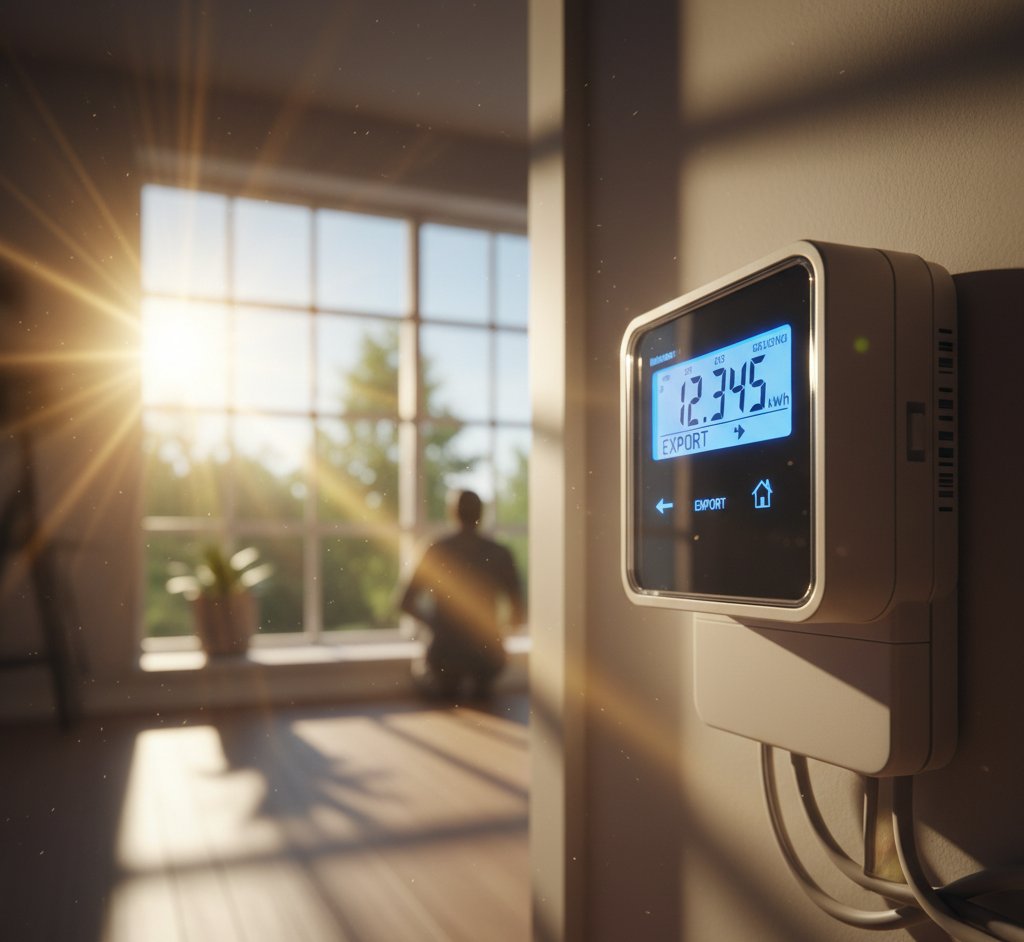
Smart Export Guarantee (SEG) Explained
How the Smart Export Guarantee works in the UK, which suppliers pay the best SEG rates, and how to maximise your solar export income in 2026.

Octopus Flux Tariff: The Best Tariff for Solar + Battery?
How Octopus Flux works for UK solar and battery owners — import/export rates, daily schedule, real savings calculations, and whether it beats Agile.
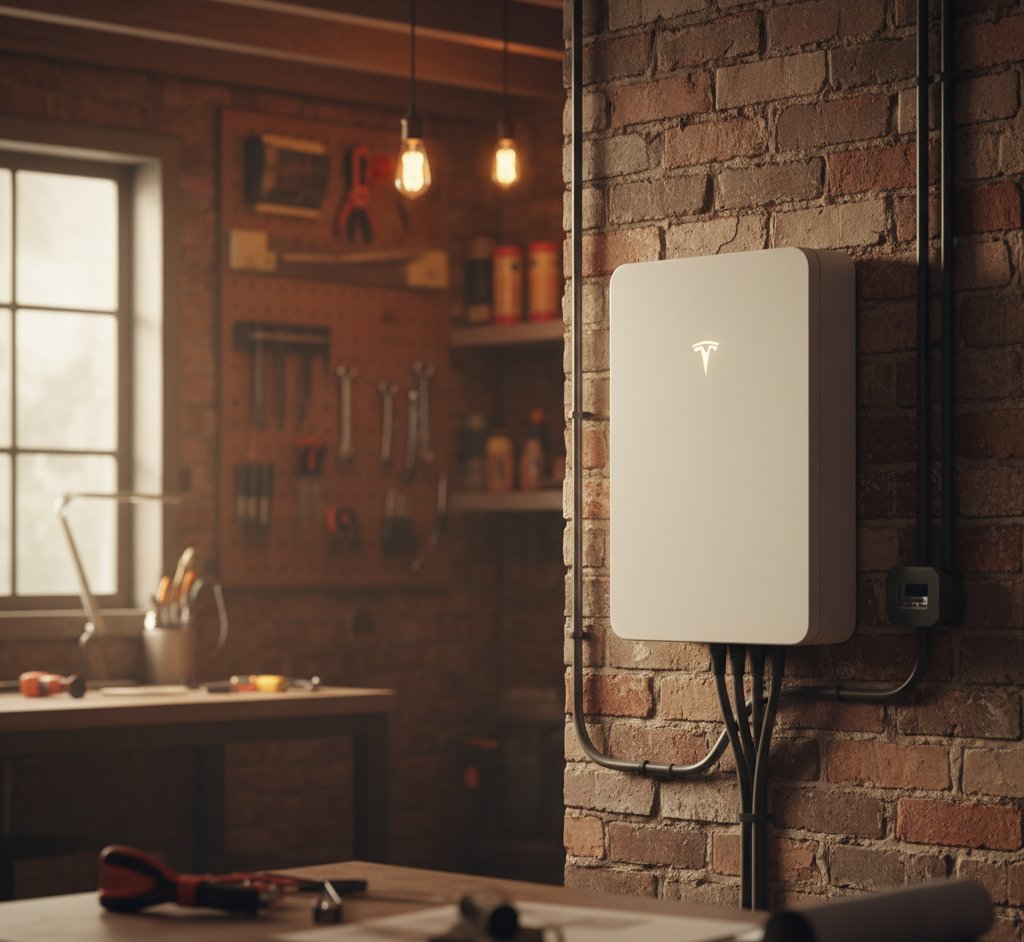
Solar Battery Storage: Complete UK Guide 2026
Everything you need to know about adding battery storage to a UK solar installation — types, sizing, costs, and which products are worth considering in 2026.

Switch to Octopus Energy
Get 50 credit when you switch. We get 50 too — win-win.
What does this mean for YOUR home?
Design your perfect solar setup in under 3 minutes. Free, no sign-up required.
Build Your Solar System