This page contains affiliate links. If you purchase through them we may earn a small commission at no extra cost to you. Learn more
Octopus Cosy: Heat Pump Tariff Explained
What is Octopus Cosy?
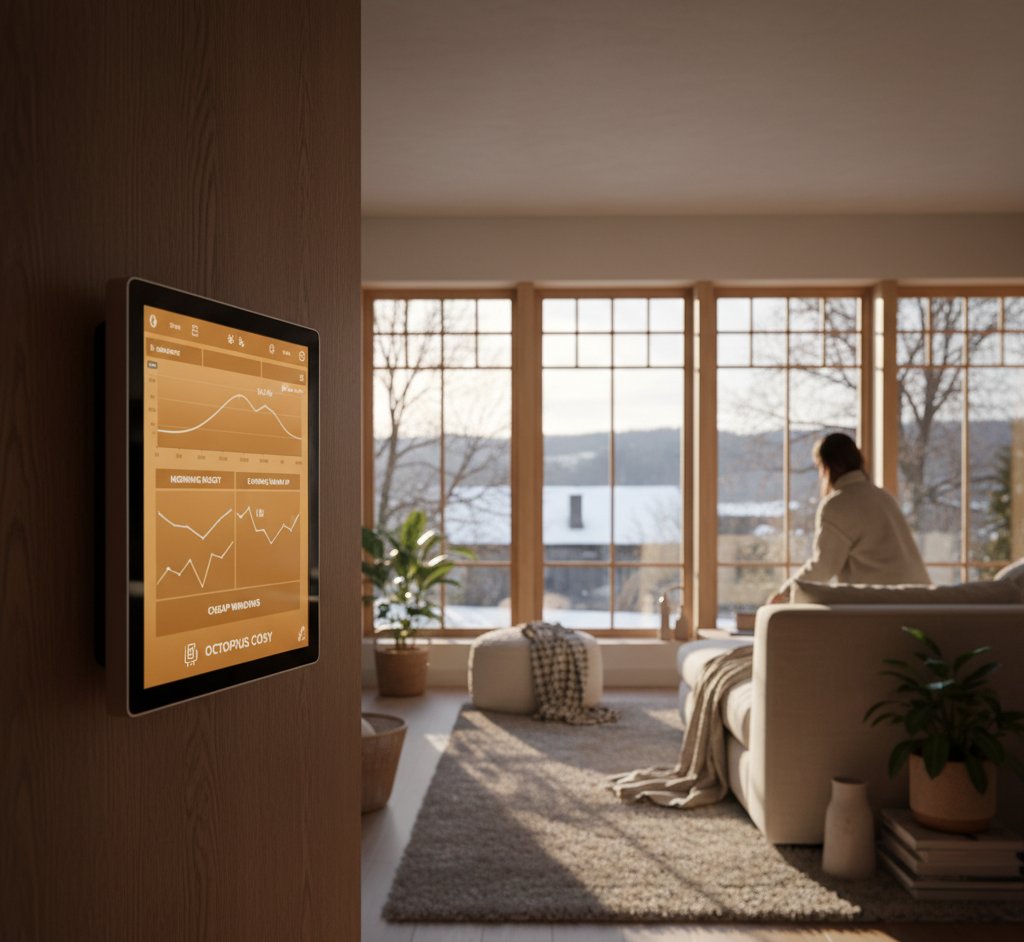
Octopus Cosy is a time-of-use tariff designed specifically for homes with heat pumps. The core idea: heat pumps are most efficient when running during specific windows, and your home's thermal mass means you can pre-heat before peak hours.
Typical Cosy rates (April 2026):
| Period | Hours | Rate |
|---|---|---|
| Cosy (cheap) | 04:00–07:00 | ~10p/kWh |
| Cosy (cheap) | 13:00–16:00 | ~10p/kWh |
| Standard | 07:00–13:00, 16:00–19:00 remainder | ~24p/kWh |
| Peak | 16:00–19:00 | ~35p/kWh |
Rates vary by region and change periodically.
The two cheap windows are strategically placed:
Morning (4–7am): Pre-heat your home before the day starts. Your heat pump runs efficiently (even in winter, early morning isn't the coldest part of the night), and by 7am your house is warm. Thermal mass carries the heat through the morning.
Afternoon (1–4pm): Top up the heat before the expensive peak window. If you're not home, your thermostat keeps the house warm enough that the heat pump barely runs during 4–7pm when electricity costs 35p/kWh.
How Cosy works with solar panels
The afternoon cheap window (1–4pm) is where solar and Cosy interact beautifully.
In spring, summer, and autumn, your solar panels are likely generating well between 1–4pm. Your heat pump runs during this window, powered partly or fully by solar. You're either paying 10p/kWh for grid imports (if needed) or nothing at all (if solar covers it).
In winter, solar generation is lower during these hours, but you still get the cheap grid rate. And on those bright winter days with clear skies, you might get 1–2kWh of solar contribution even in January.
The morning cheap window (4–7am) is pre-sunrise, so solar doesn't help there. But at 10p/kWh, it's cheap enough to be worthwhile.
The peak-avoidance strategy:
The real savings come from avoiding the 4–7pm peak at 35p/kWh. A well-insulated home pre-heated at 1–4pm will maintain a comfortable temperature through the peak window without the heat pump running. Your thermostat might not call for heat again until 7pm when the standard rate resumes.
For a poorly insulated home, this strategy is less effective — the house loses heat faster, and the heat pump may need to run during peak hours regardless. If you're considering Cosy, the state of your insulation matters as much as the tariff rate.
Thermal mass is your friend
Homes with thick walls, concrete floors, or underfloor heating hold heat longer. A well-insulated Victorian terrace pre-heated to 21°C at 4pm might only drop to 19.5°C by 7pm. A poorly insulated 1960s semi might drop to 17°C. The former barely needs the heat pump during peak; the latter will be running it at 35p/kWh.
Cosy + solar + battery: does the combination work?
It can, but the tariff interactions get complex:
Battery charging: Cosy's cheap windows (10p) are reasonable for battery charging, but not as cheap as Go's overnight rate (5.5p). If battery optimisation is your priority, Go or Flux may be better.
Battery discharging during peak: If you have a battery, you can discharge it from 4–7pm to avoid the 35p peak rate. This is similar to the Flux strategy but with Cosy's rate structure.
Solar + heat pump synergy: The afternoon cheap window and solar generation overlap, meaning your heat pump may run largely on free solar power between 1–4pm. This is genuinely excellent economics.
The challenge: Cosy doesn't have a dedicated overnight cheap window as low as Go's 5.5p. The morning cheap window starts at 4am, which is late for overnight battery/EV charging. If you need cheap overnight electricity for an EV, Go or Intelligent Go is better.
Cosy isn't great for EV charging
If you have both a heat pump and an EV, Cosy optimises for the heat pump but doesn't give you the ultra-cheap overnight rate that Octopus Go provides for EV charging. You may need to prioritise: which costs more, your heating or your driving? For most heat pump homes, heating is the bigger expense, making Cosy the pragmatic choice.
How much does Cosy save?

Typical heat pump home (12,000 kWh/year for heating + hot water):
On a flat 24p tariff (April 2026 price cap):
- 12,000 kWh × 24p = £2,880/year for heating
- Plus household electricity ~3,000 kWh × 24p = £720
- Total: £3,600/year
On Cosy (optimised scheduling):
- 8,000 kWh in cheap windows × 10p = £800
- 3,000 kWh at standard rate × 24p = £720
- 1,000 kWh at peak × 35p = £350 (unavoidable heating during peak)
- Household electricity: mix of rates ~£700
- Total: £2,570/year
Saving: ~£1,030/year — assuming good scheduling and decent insulation.
Add solar panels generating 3,400 kWh and offsetting a chunk of the afternoon heating and daytime household use, and you could save another £400–600 on top.

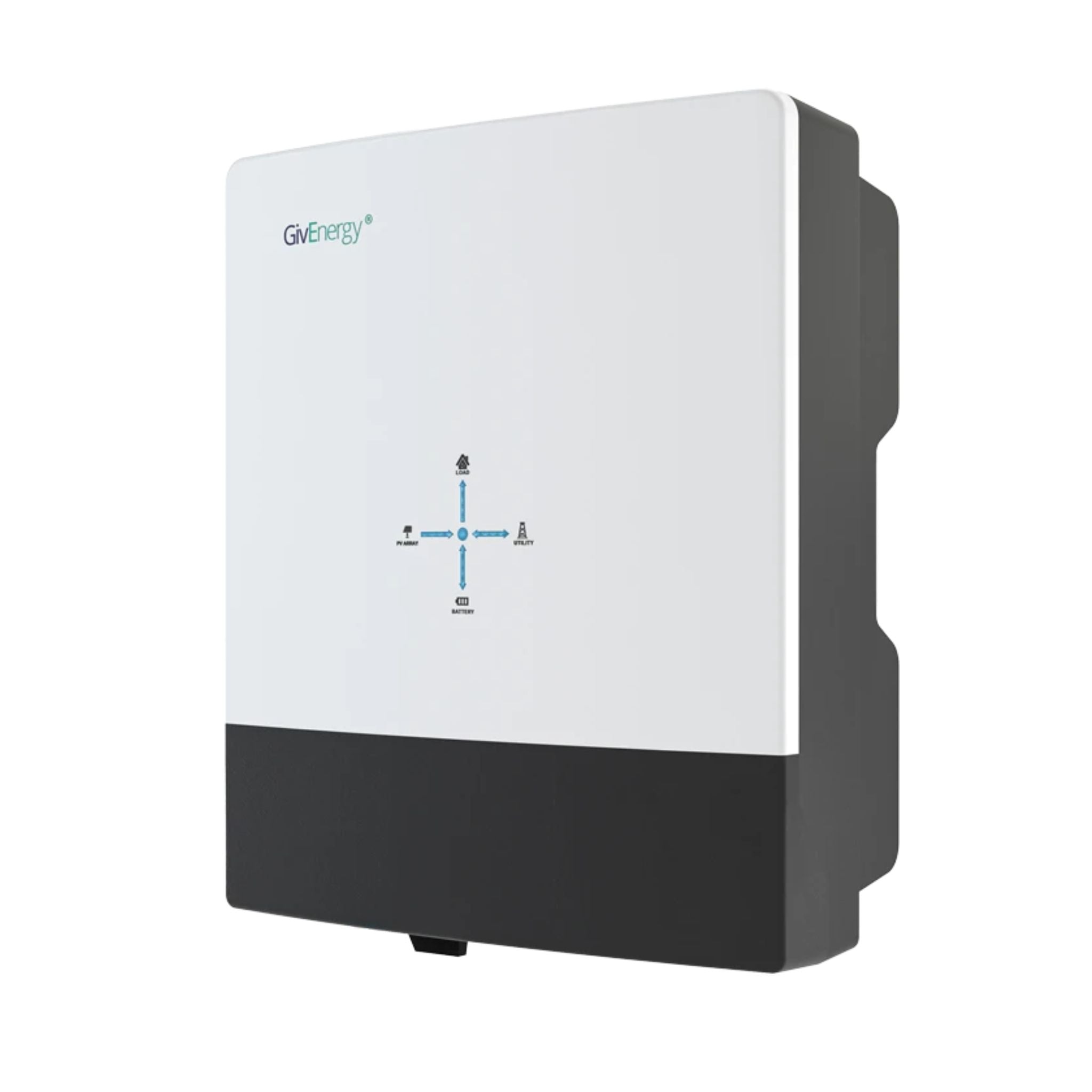
GivEnergy All-in-One 5kW Hybrid Inverter
£1,2005
7.5
2
48V
Affiliate link — we may earn a small commission at no extra cost to you
Who should choose Cosy?
Cosy is ideal if:
- You have a heat pump (air source or ground source)
- Heating is your biggest electricity expense
- Your home has reasonable insulation and thermal mass
- You don't have an EV (or it's a secondary concern)
- You want a set-and-forget tariff — program your heat pump schedule once and leave it
Consider other tariffs if:
- EV charging is a bigger expense than heating — look at Go/Intelligent Go
- You have a large solar system and want premium export rates — look at Flux
- You want maximum optimisation flexibility — look at Agile
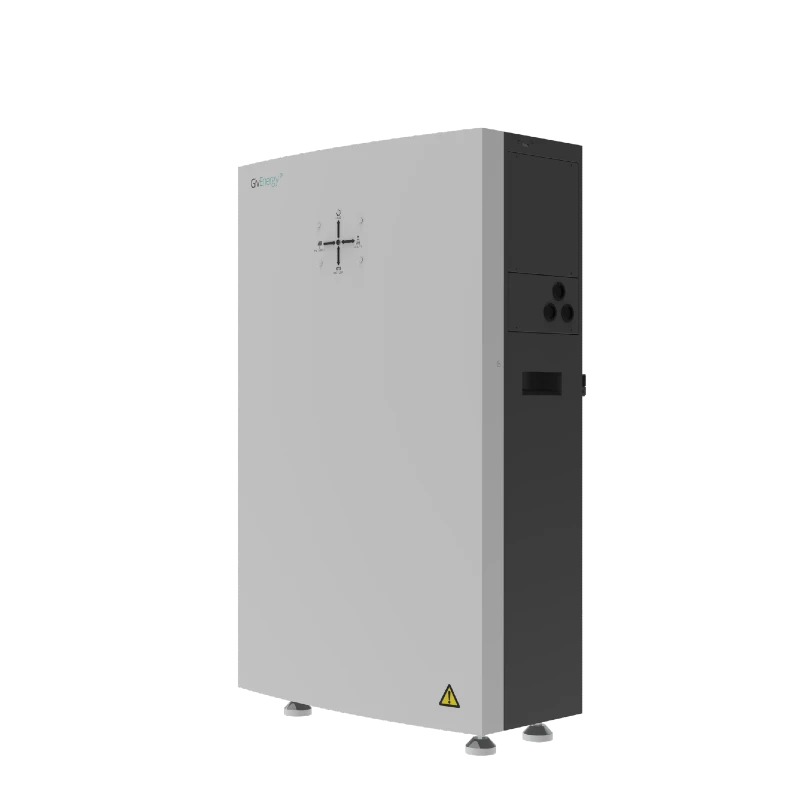
GivEnergy All-in-One 9.5kWh Battery
£5,5009.5
8.6
LFP
6000
Affiliate link — we may earn a small commission at no extra cost to you
Setting up Cosy
- Eligibility check — you need a heat pump and a SMETS2 smart meter. Octopus may ask for proof of heat pump installation.
- Switch or apply — if you're already with Octopus, request Cosy through your dashboard. Otherwise, switch your supply first.
- Program your heat pump — set heating schedules to align with the cheap windows. Most heat pump controllers allow multiple heating periods per day.
- Monitor and adjust — use the Octopus app to track costs per time period. If you're still spending heavily during peak, adjust your pre-heating strategy.
The key to Cosy is programming your heat pump thermostat correctly. Run the heat pump hard during the cheap windows (set a slightly higher target temperature), then let it coast through peak hours. Most modern heat pump controllers make this straightforward with multi-period scheduling.
Cosy and the future of heat pump tariffs
As the UK pushes toward its 2035 decarbonisation targets, heat pump adoption is accelerating. Cosy is Octopus's current answer, but competition is growing. Other suppliers are launching heat pump tariffs, and the government has signalled support for time-of-use rates that incentivise off-peak heating.
For solar households with heat pumps, the trend is clear: the grid wants you to use electricity when it's abundant (sunny afternoons, windy nights) and reduce demand during peaks. Tariffs like Cosy, combined with solar generation, align your interests perfectly with the grid's needs. That alignment is likely to be rewarded even more generously as the energy transition progresses.
Share this article

OVO has carefully selected trusted teams across the UK to install solar panels and heat pumps. Enjoy the personal touch of a local expert with the peace of mind of a household name.
Affiliate link — we may earn a small commission at no extra cost to you
Stay informed
Get free solar updates direct to your inbox
Related reading
Octopus Go and Intelligent Go Explained
How Octopus Go and Intelligent Octopus Go work for UK households with EVs and solar panels — rates, eligibility, and real-world savings in 2026.

Octopus Flux Tariff: The Best Tariff for Solar + Battery?
How Octopus Flux works for UK solar and battery owners — import/export rates, daily schedule, real savings calculations, and whether it beats Agile.
Smart Meters and Solar Panels: What You Need to Know
How smart meters work with UK solar panels — export measurement, SEG eligibility, common problems, and why SMETS2 meters matter for solar households.


Switch to Octopus Energy
Get 50 credit when you switch. We get 50 too — win-win.
What does this mean for YOUR home?
Design your perfect solar setup in under 3 minutes. Free, no sign-up required.
Build Your Solar System