This page contains affiliate links. If you purchase through them we may earn a small commission at no extra cost to you. Learn more
Smart Meters and Solar Panels: What You Need to Know
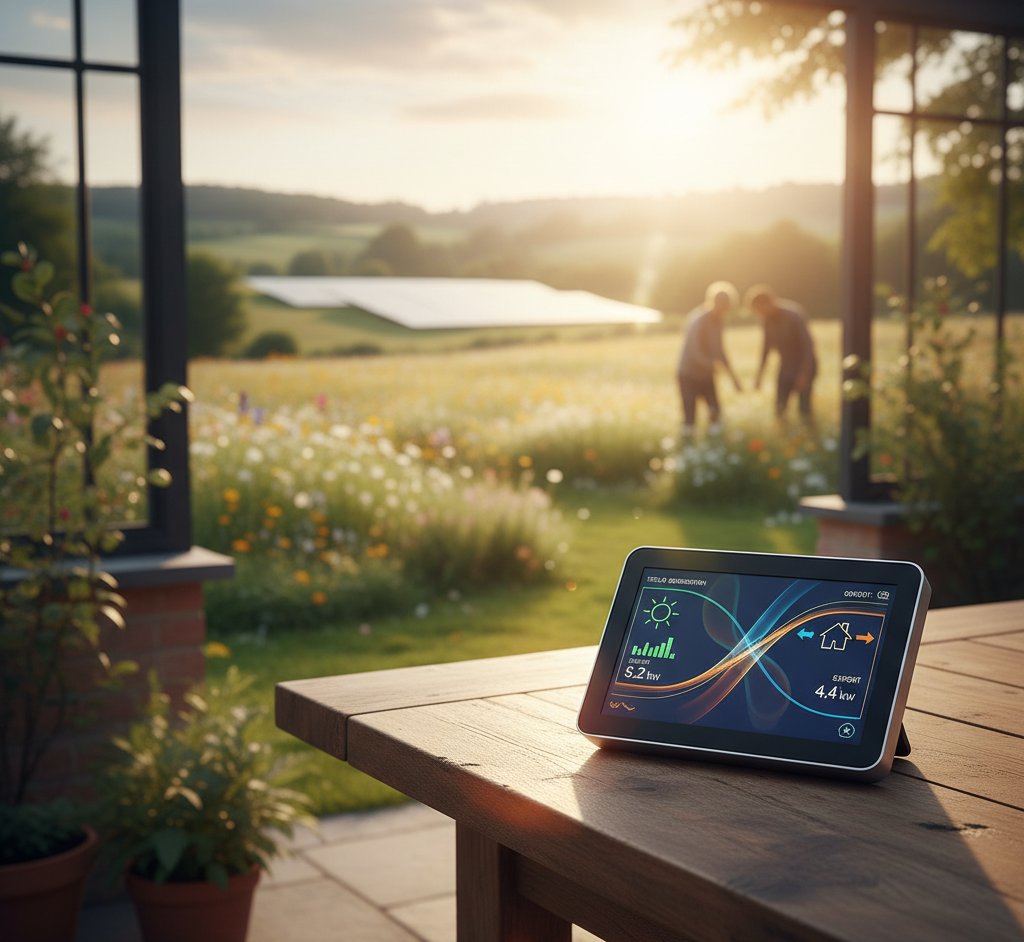
Why do solar households need a smart meter?
A smart meter measures your electricity imports and exports automatically and sends readings to your energy supplier remotely. For solar panel owners, it serves two critical functions:
- Accurate import measurement — knows exactly how much grid electricity you use (and therefore how much solar saves you)
- Export measurement — records how much surplus solar you send back to the grid, which is essential for SEG payments
Without a smart meter, your supplier has no way to verify your exports. They can't pay you for electricity they can't measure. This is why a smart meter is a mandatory requirement for the Smart Export Guarantee.
SMETS1 vs SMETS2: which do you have?
There are two generations of smart meter in the UK:
SMETS1 (first generation):
- Installed 2011–2018
- Communication via the supplier's own network
- Often lose smart functionality when you switch supplier (they "go dumb")
- May not support export measurement
- Being enrolled into the DCC network to restore functionality, but the process is slow
SMETS2 (second generation):
- Installed from 2018 onwards
- Communication via a standardised national network (DCC)
- Work with any supplier — switching doesn't break them
- Full import and export measurement
- Required for most time-of-use tariffs
How to check which you have: Look at the meter itself. SMETS2 meters typically have a label stating compliance with SMETS2 standards. Alternatively, ask your energy supplier — they can tell you immediately.
If you have a SMETS1 meter, you can request a free upgrade to SMETS2 from your current supplier. Given the benefits for solar households, this is worth doing.
SMETS1 and SEG: a common headache
Some SMETS1 meters don't measure exports at all, or lose the ability when you switch supplier. If you apply for the SEG and your meter can't record exports, your application will be rejected. Before applying for the SEG, confirm with your supplier that your smart meter is correctly measuring and reporting exports. If it isn't, request a SMETS2 upgrade.
Smart meter installation with existing solar
If you already have solar panels and need a smart meter installed, the process is straightforward but there are a few things to be aware of:
The installer needs to know you have solar. When booking your smart meter appointment, tell your supplier you have a solar PV system. The installer may need to:
- Configure the meter for bidirectional measurement (import and export)
- Ensure the CT (current transformer) clamp is correctly positioned
- Test that export readings are registering
There may be a brief power cut. During installation, your electricity supply will be off for 20–30 minutes. Your solar inverter will shut down (it's required to — inverters cannot operate without grid connection unless you have a battery with backup capability). Once the new meter is in and power restored, your solar system will restart automatically.
Your in-home display may not show generation. The IHD (that little screen on your kitchen counter) often struggles to display solar generation correctly. It might show negative consumption, confusing readings, or nothing at all for exports. This is a display limitation — your actual billing and export records are fine in the supplier's system.
Common smart meter + solar problems
"My smart meter shows I'm using electricity when my panels are generating"
This is usually a display issue, not a billing problem. Smart meters measure net flow at the meter point. When your panels generate more than you're using, the meter records an export. But the in-home display doesn't always represent this clearly.
Check your actual readings through your supplier's app or website. If imports and exports are recording correctly there, ignore the IHD.
"My solar generation isn't showing on my supplier's app"
Most supplier apps show your import data but not your generation data. Your solar generation is measured by your inverter, not your smart meter. The smart meter only sees what crosses the boundary between your home and the grid.
For generation data, use your inverter's monitoring app (GivEnergy, Solis Cloud, Huawei FusionSolar, etc.).
"My export readings seem too low"
If your smart meter is showing significantly less export than your inverter says you're generating, check:
- Self-consumption: You might be using more solar directly than you think (good news)
- CT clamp position: If incorrectly placed, the meter may not detect all exports
- SMETS1 limitations: Some first-gen meters don't record exports accurately
If you suspect a genuine metering error, ask your supplier to send an engineer to check the installation.
Use your inverter app for the full picture
Your smart meter tells you what you imported and exported. Your inverter tells you what you generated and self-consumed. Together, they give you the complete energy picture. Neither alone tells the whole story.
Smart meters and time-of-use tariffs

A SMETS2 smart meter unlocks access to time-of-use tariffs that can dramatically improve your solar economics:
- Octopus Agile — half-hourly pricing
- Octopus Flux — three-rate solar+battery tariff
- Octopus Go — cheap overnight EV charging
- E.ON Next Drive — cheap overnight EV charging
These tariffs require a smart meter because they need to know exactly when you used (or exported) each kWh. An old-fashioned meter that just counts total units can't support time-varying rates.
For solar households, time-of-use tariffs can add hundreds of pounds per year in savings on top of the basic solar benefit. The smart meter is the gateway.
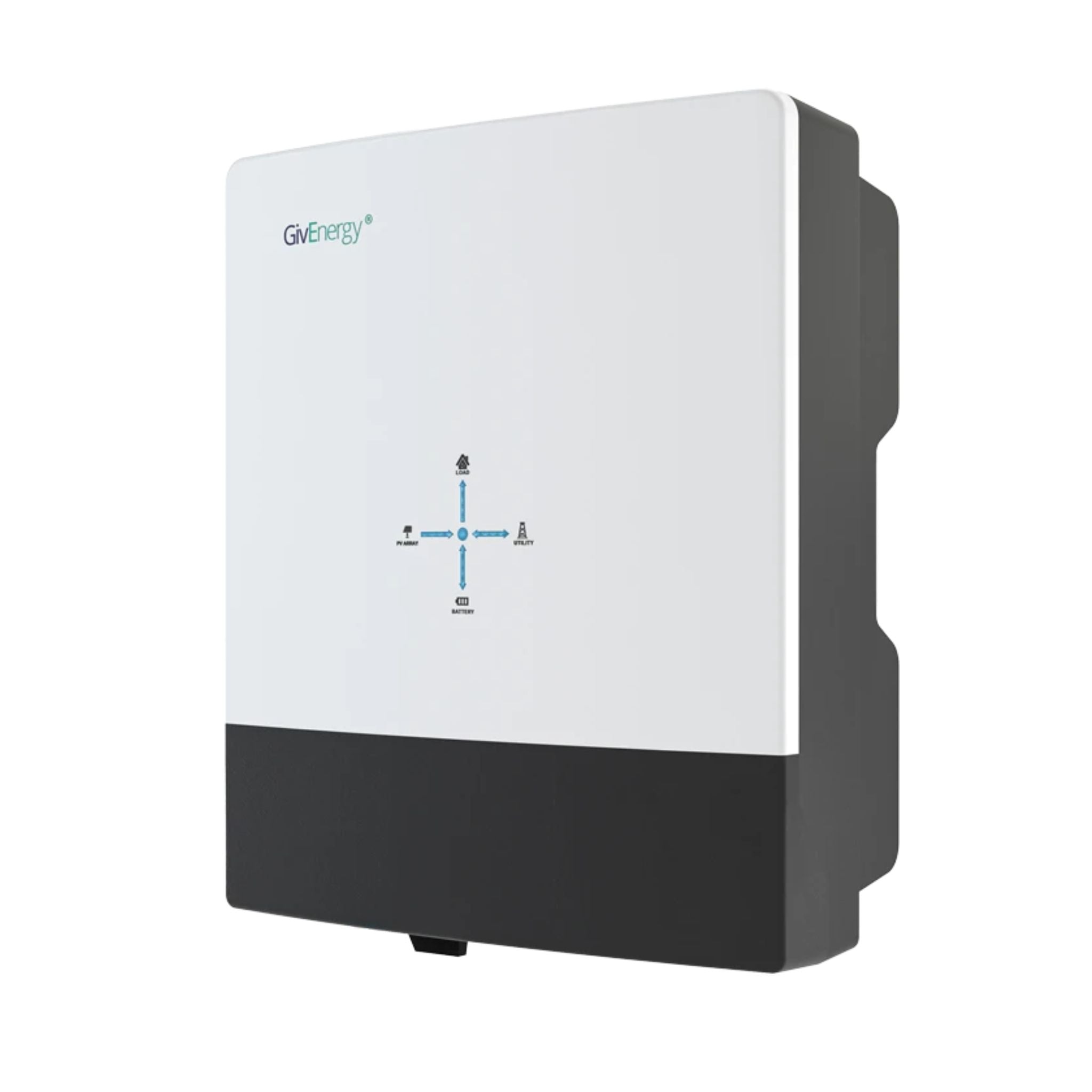
GivEnergy All-in-One 5kW Hybrid Inverter
£1,2005
7.5
2
48V
Affiliate link — we may earn a small commission at no extra cost to you
Do smart meters affect solar panel performance?
No. This is a persistent myth. Smart meters measure electricity flow — they have no effect on your solar panels' generation, your inverter's operation, or your battery's performance.
The confusion may stem from the fact that installing a smart meter sometimes coincides with a temporary drop in apparent solar production (due to the power cut during installation resetting monitoring data) or display issues on the IHD. Your panels are generating exactly the same electricity regardless of which meter is fitted.
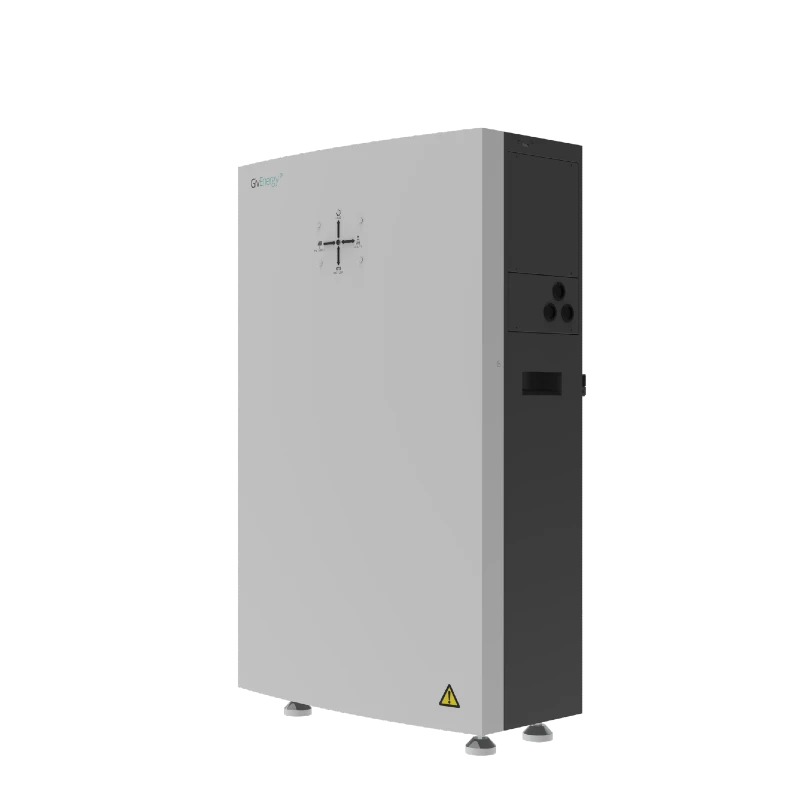
GivEnergy All-in-One 9.5kWh Battery
£5,5009.5
8.6
LFP
6000
Affiliate link — we may earn a small commission at no extra cost to you
Getting a smart meter: practical steps
- Contact your energy supplier — request a smart meter installation. It's free.
- Mention your solar panels — ensure they send an installer experienced with solar systems.
- Prepare for a brief outage — 20–30 minutes during installation.
- Check export metering afterward — once installed, verify that your supplier's portal shows export readings within a day or two.
- Apply for SEG — once you've confirmed exports are being recorded, apply for the SEG with your chosen supplier.
- Explore time-of-use tariffs — with a working SMETS2 meter, you can access tariffs like Flux, Agile, or Go.
The future of smart metering
Smart meters are becoming the backbone of the UK's flexible energy system. Future developments include:
- Half-hourly settlement — all suppliers will eventually bill based on actual half-hourly usage, making time-of-use tariffs the norm rather than the exception
- Demand flexibility services — smart meters enable suppliers to offer payments for reducing consumption during peak demand (Octopus's "Saving Sessions" already does this)
- Automated tariff switching — systems that automatically move you to the cheapest tariff based on your real usage patterns
For solar households, these developments are universally positive. The more granular and responsive the billing system becomes, the more your flexible solar + battery setup is rewarded.
Share this article

OVO has carefully selected trusted teams across the UK to install solar panels and heat pumps. Enjoy the personal touch of a local expert with the peace of mind of a household name.
Affiliate link — we may earn a small commission at no extra cost to you
Stay informed
Get free solar updates direct to your inbox
Related reading
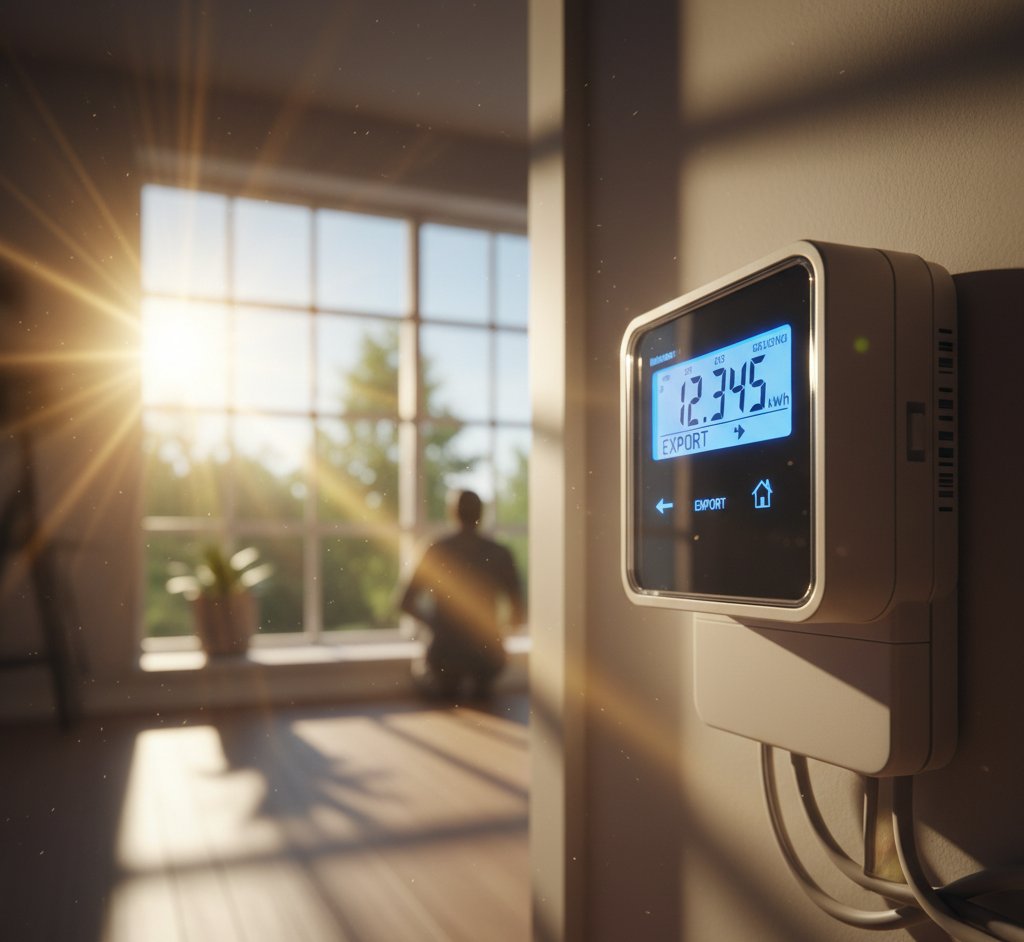
Smart Export Guarantee (SEG) Explained
How the Smart Export Guarantee works in the UK, which suppliers pay the best SEG rates, and how to maximise your solar export income in 2026.
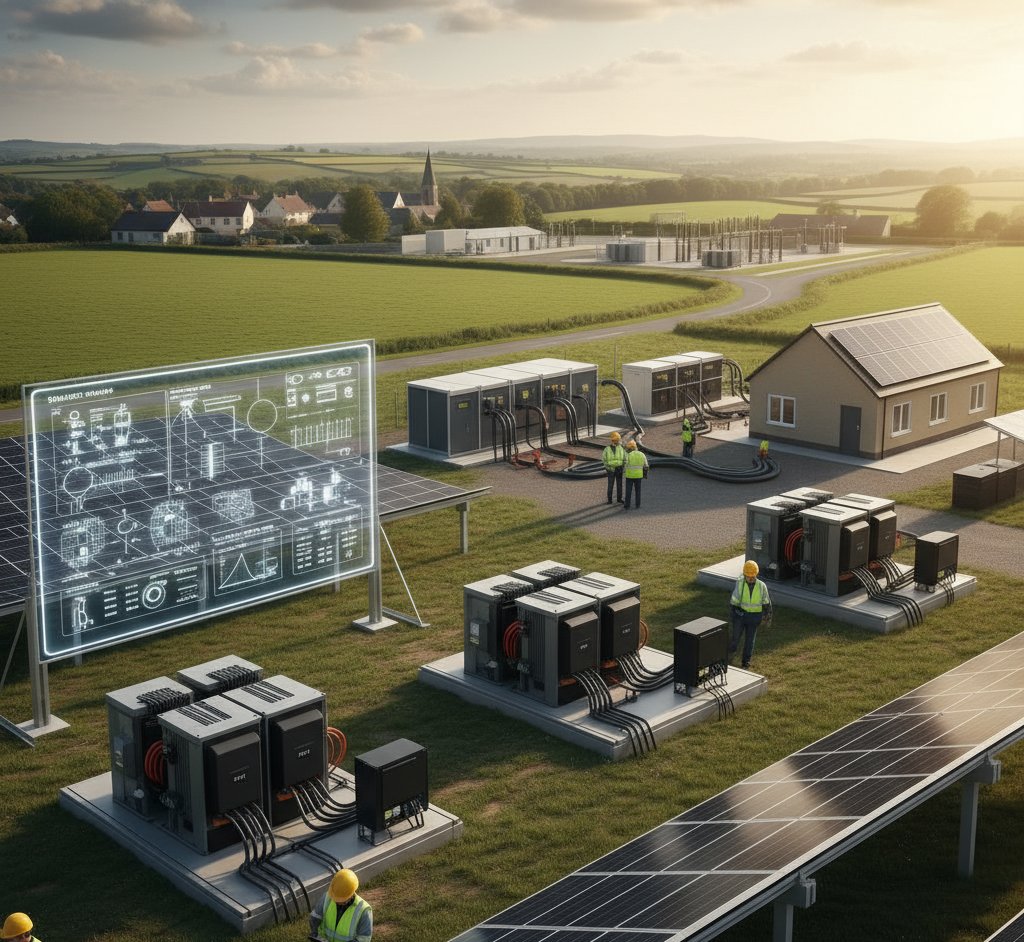
Solar Inverters Explained: Types, Sizing, and Real-World Limits
String, micro, and hybrid inverters explained clearly — plus the critical G98/G99 threshold at 3.68kW and what it means for what you can run simultaneously.
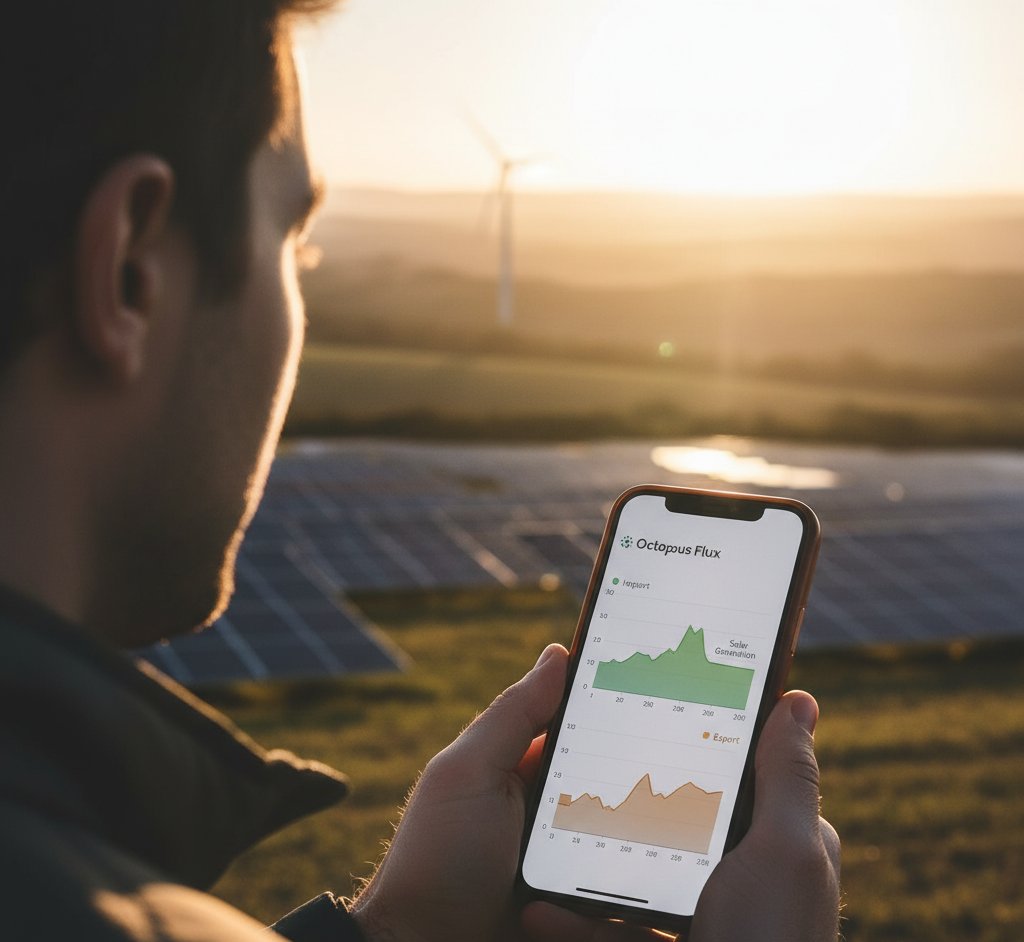
Octopus Flux Tariff: The Best Tariff for Solar + Battery?
How Octopus Flux works for UK solar and battery owners — import/export rates, daily schedule, real savings calculations, and whether it beats Agile.


Switch to Octopus Energy
Get 50 credit when you switch. We get 50 too — win-win.
What does this mean for YOUR home?
Design your perfect solar setup in under 3 minutes. Free, no sign-up required.
Build Your Solar System