This page contains affiliate links. If you purchase through them we may earn a small commission at no extra cost to you. Learn more
Octopus Flux Tariff: The Best Tariff for Solar + Battery?

What is Octopus Flux?
Octopus Flux is a time-of-use tariff built around a simple idea: electricity is worth different amounts at different times of day, and if you have solar panels and a battery, you can take full advantage.
Unlike Agile with its half-hourly price changes, Flux has three fixed daily periods:
| Time Period | Hours | Import Rate | Export Rate |
|---|---|---|---|
| Off-peak | 02:00–05:00 | ~10p/kWh | ~5p/kWh |
| Day | 05:00–16:00, 19:00–02:00 | ~24p/kWh | ~12p/kWh |
| Peak | 16:00–19:00 | ~34p/kWh | ~22p/kWh |
Rates as of early 2026 — check Octopus for current figures.
The clever part is the export rate structure. During peak hours (4–7pm), Flux pays you roughly 22p/kWh for exports. That's when the grid needs power most, and Flux rewards you for providing it.
The daily Flux cycle
Here's how a well-optimised Flux day looks:
02:00–05:00 (off-peak): Your battery charges from the grid at ~10p/kWh. This is your backstop — cheap electricity to cover the morning before solar kicks in.
05:00–16:00 (day): Solar panels generate electricity. You use what you need, store the surplus in your battery, and export any excess at ~12p/kWh.
16:00–19:00 (peak): This is the money window. Your battery — now full from solar generation — discharges to cover your home's needs AND exports surplus to the grid at ~22p/kWh. You avoid importing at 34p/kWh and potentially earn from exports.
19:00–02:00 (day): Battery covers remaining evening needs. If it runs flat, you import at the standard day rate.
Who is Flux designed for?
Flux requires:
- Solar panels (any size, but 3kWp+ makes most sense)
- A battery (essential — Flux without a battery is pointless)
- A compatible inverter/battery system — GivEnergy, Tesla Powerwall, Solis, Fox ESS, and others work with Flux
- A SMETS2 smart meter
If you have panels but no battery, look at a standard SEG tariff for exports and a competitive fixed rate for imports. Flux's entire value proposition depends on being able to store and time-shift energy.
Battery compatibility matters
Flux works best when your battery system can be automatically scheduled. Octopus has direct integration with GivEnergy, Tesla Powerwall 3, and several other systems. If your battery doesn't support automated scheduling, you'd need to manually set charge/discharge windows daily — which defeats the purpose.
Real-world Flux savings
Let's model a 4kWp solar system with a 10kWh battery on Flux:
Summer day (June, sunny):
- Solar generation: 20kWh
- Household use: 10kWh
- Battery charges fully from solar (free)
- Evening peak: battery powers home (saves ~34p/kWh import) and exports 3kWh at 22p = 66p earned
- Overnight charge: 5kWh at 10p = 50p cost
- Net daily cost: roughly -16p (you earn money)
Winter day (January, overcast):
- Solar generation: 3kWh
- Household use: 12kWh
- Battery charges partially from solar, topped up overnight at 10p
- Evening peak: battery covers 3kWh of home use (saves 34p × 3 = £1.02 vs peak import)
- Remaining imports at day rate: 6kWh at 24p = £1.44
- Net daily cost: roughly £1.44
Estimated annual picture:
- Annual grid import: ~2,000 kWh at average Flux rate of ~15p (optimised) = £300
- Annual export income: ~800 kWh at average ~16p = £128
- Net annual energy cost: ~£172
Compare this to the same household on a flat 24p tariff with basic SEG at 12p:
- Import: 2,000 kWh at 24p = £480
- Export: 800 kWh at 12p = £96
- Net cost: ~£384
That's roughly £212/year better on Flux — primarily from cheaper overnight imports and premium peak exports.
Flux vs Agile: which is better?
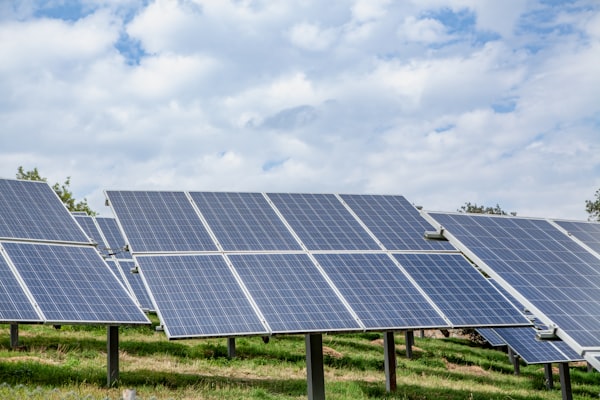
This is the question every Octopus solar customer asks. Here's an honest comparison:
Flux wins on:
- Predictability — you know exactly what each kWh costs/earns
- Simplicity — three time periods, easy to understand
- Consistency — savings are steady year-round
- Setup — configure once, leave it running
Agile wins on:
- Ceiling potential — on the best days, Agile saves more
- Negative pricing — occasional free/paid electricity
- Flexibility — 48 different price points per day
- Export potential — Agile Outgoing can pay 30p+ per kWh during peaks
The verdict for most people: Flux. It delivers 80% of Agile's savings with 20% of the effort. Agile rewards active management and perfect automation; Flux works well with basic scheduling.
If you're the kind of person who enjoys optimising, has Home Assistant running, and doesn't mind checking prices daily, Agile can edge ahead by £50–100/year. For everyone else, Flux is the sensible choice.

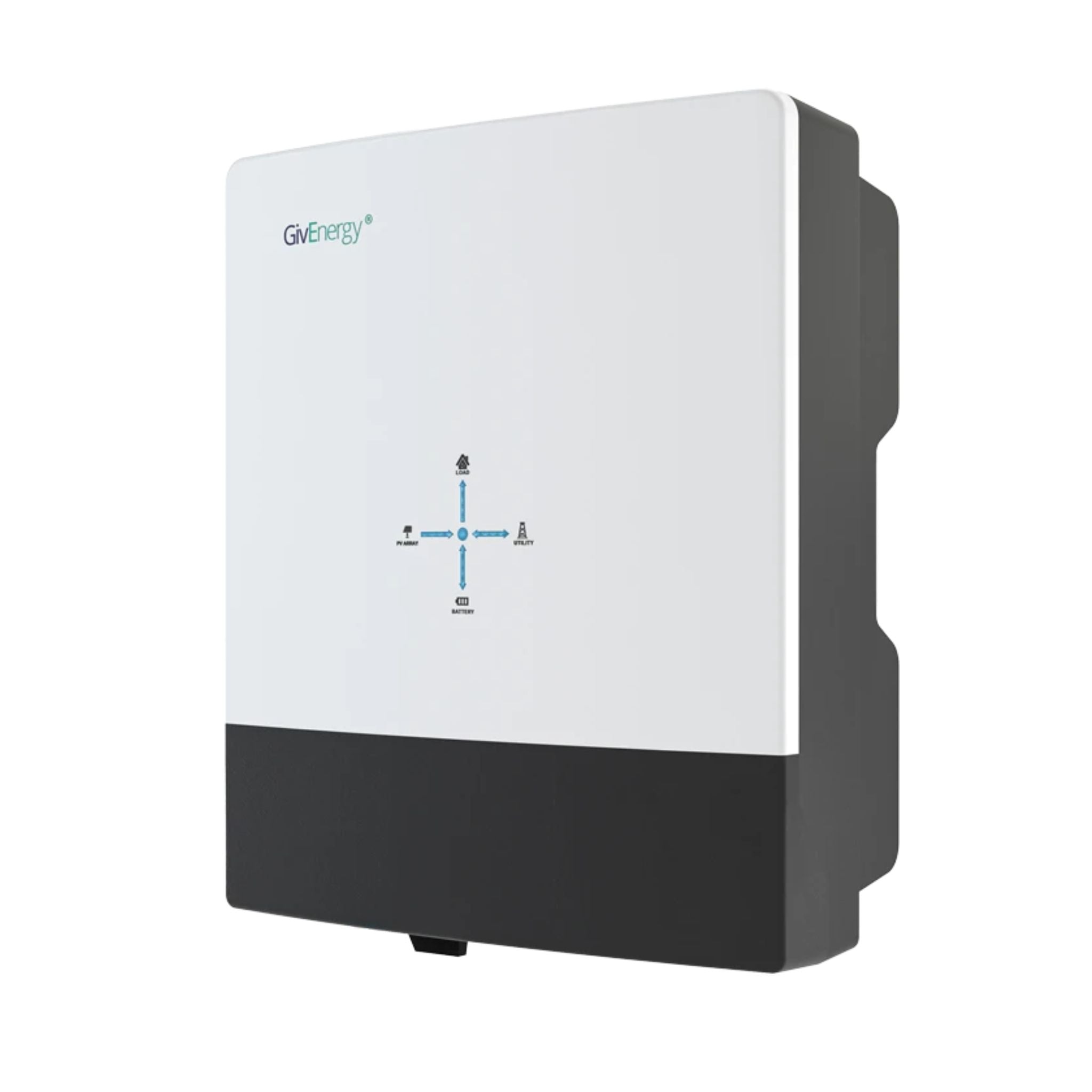
GivEnergy All-in-One 5kW Hybrid Inverter
£1,2005
7.5
2
48V
Affiliate link — we may earn a small commission at no extra cost to you
Setting up Flux
- Check compatibility — confirm your battery/inverter is on Octopus's supported list. GivEnergy and Tesla Powerwall 3 have the best integration.
- Switch to Octopus — if you're not already a customer, switch your electricity supply. Takes 2–3 weeks.
- Request Flux — apply through your Octopus dashboard or contact support. You'll need to provide details about your solar and battery setup.
- Configure your battery — set up charge windows (02:00–05:00 from grid) and discharge windows (16:00–19:00 to cover peak). With GivEnergy, Octopus can push this configuration automatically.
- Monitor and adjust — use the Octopus app to track your costs and exports. In summer, you may want to reduce overnight charging since solar will cover most needs.
Seasonal adjustment pays off
In summer, your solar generates enough to fully charge your battery. Reduce overnight grid charging to save on the 10p import. In winter, maximise overnight charging so you have stored energy for the expensive peak window. A 5-minute seasonal adjustment makes a real difference.
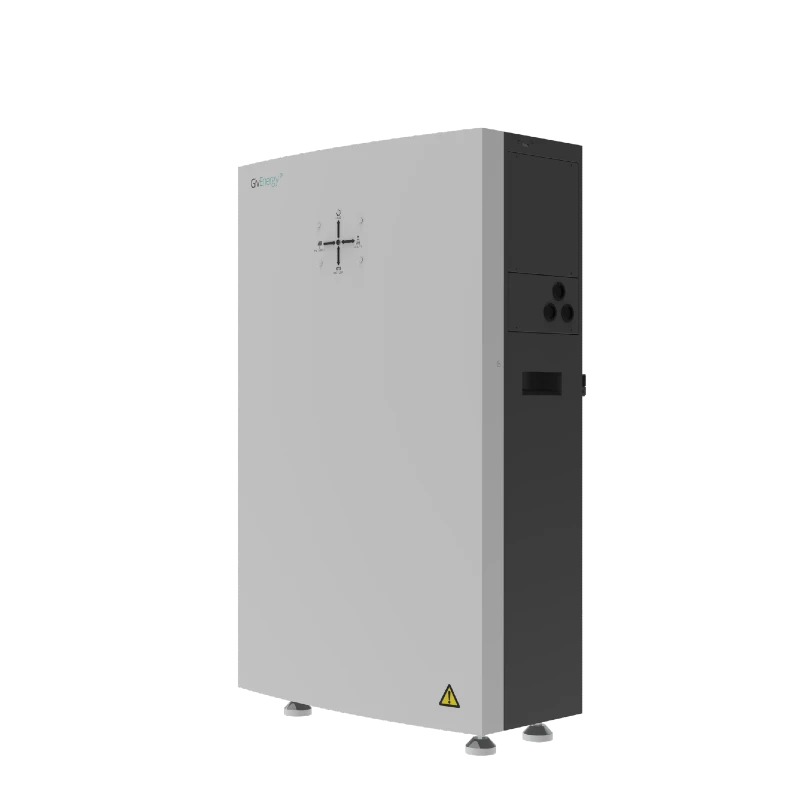
GivEnergy All-in-One 9.5kWh Battery
£5,5009.5
8.6
LFP
6000
Affiliate link — we may earn a small commission at no extra cost to you
Flux export payments vs SEG
One of Flux's best features is the export rate structure. Standard SEG tariffs pay a flat 3–6p/kWh regardless of when you export. Flux pays 22p/kWh during peak hours.
If you can time your exports to the 4–7pm window (which a programmed battery does automatically), you earn 4–5 times more per exported kWh than a basic SEG.
This makes Flux particularly attractive for larger solar systems that regularly produce more than the household needs. A 6kWp system with a 10kWh battery on Flux can generate meaningful export income during summer months.
Common Flux questions
Can I use Flux without a battery?
Technically yes, but it's a bad idea. Without a battery, you can't store cheap overnight electricity or time your exports for peak hours. You'd pay peak rates every evening with no way to avoid them.
Does Flux work with three-phase systems?
Yes, but check with Octopus about your specific setup. Three-phase installations are becoming more common and Flux supports them.
What happens if I use more than my battery stores?
You simply import from the grid at whatever Flux rate applies at that time. There's no penalty — you just lose the benefit of using stored cheap/free electricity.
Can I switch away if Flux doesn't suit me?
Yes, no exit fees. You can switch to Agile, Go, or a fixed tariff at any time through your Octopus dashboard.
Share this article

OVO has carefully selected trusted teams across the UK to install solar panels and heat pumps. Enjoy the personal touch of a local expert with the peace of mind of a household name.
Affiliate link — we may earn a small commission at no extra cost to you
Stay informed
Get free solar updates direct to your inbox
Related reading
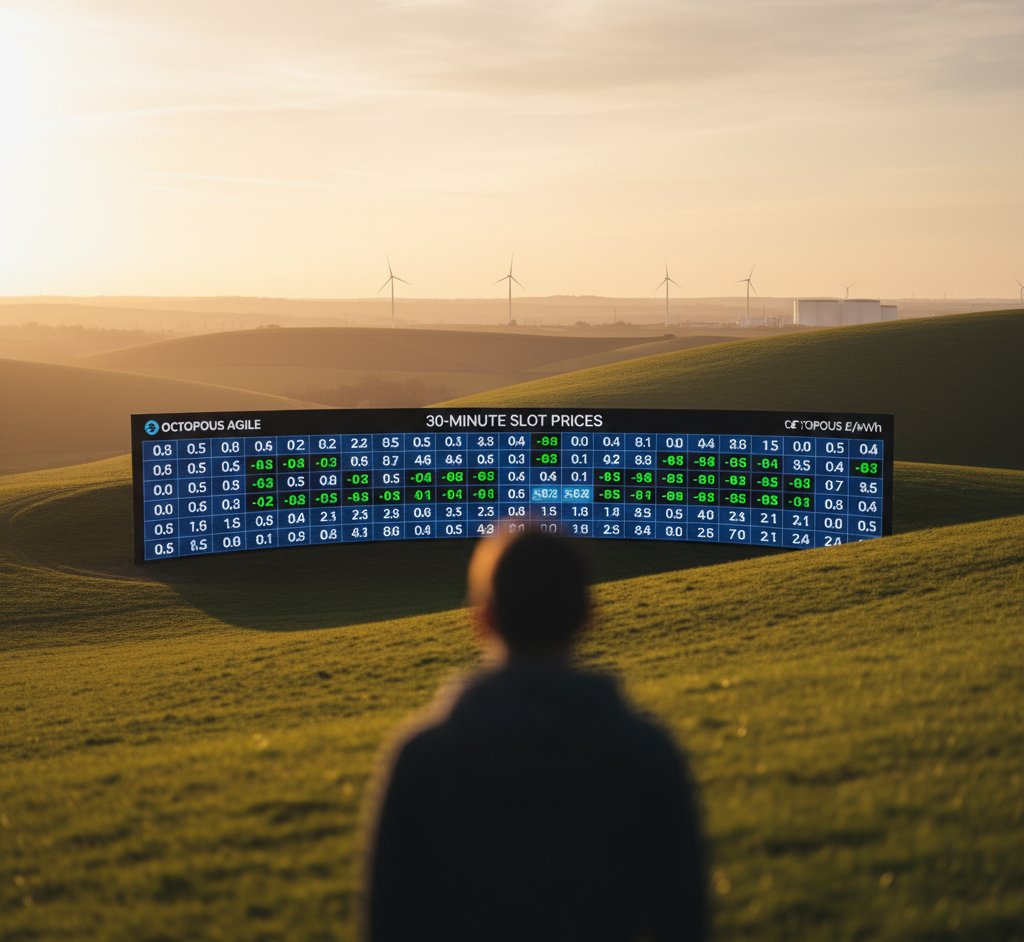
Octopus Agile Tariff: Is It Worth It with Solar?
A detailed look at the Octopus Agile tariff for UK solar households — how half-hourly pricing works, real savings potential, and who should avoid it.
Smart Export Guarantee (SEG) Explained
How the Smart Export Guarantee works in the UK, which suppliers pay the best SEG rates, and how to maximise your solar export income in 2026.
Solar Battery Storage: Complete UK Guide 2026
Everything you need to know about adding battery storage to a UK solar installation — types, sizing, costs, and which products are worth considering in 2026.


Switch to Octopus Energy
Get 50 credit when you switch. We get 50 too — win-win.
What does this mean for YOUR home?
Design your perfect solar setup in under 3 minutes. Free, no sign-up required.
Build Your Solar System