This page contains affiliate links. If you purchase through them we may earn a small commission at no extra cost to you. Learn more
Octopus Go and Intelligent Go Explained
What is Octopus Go?
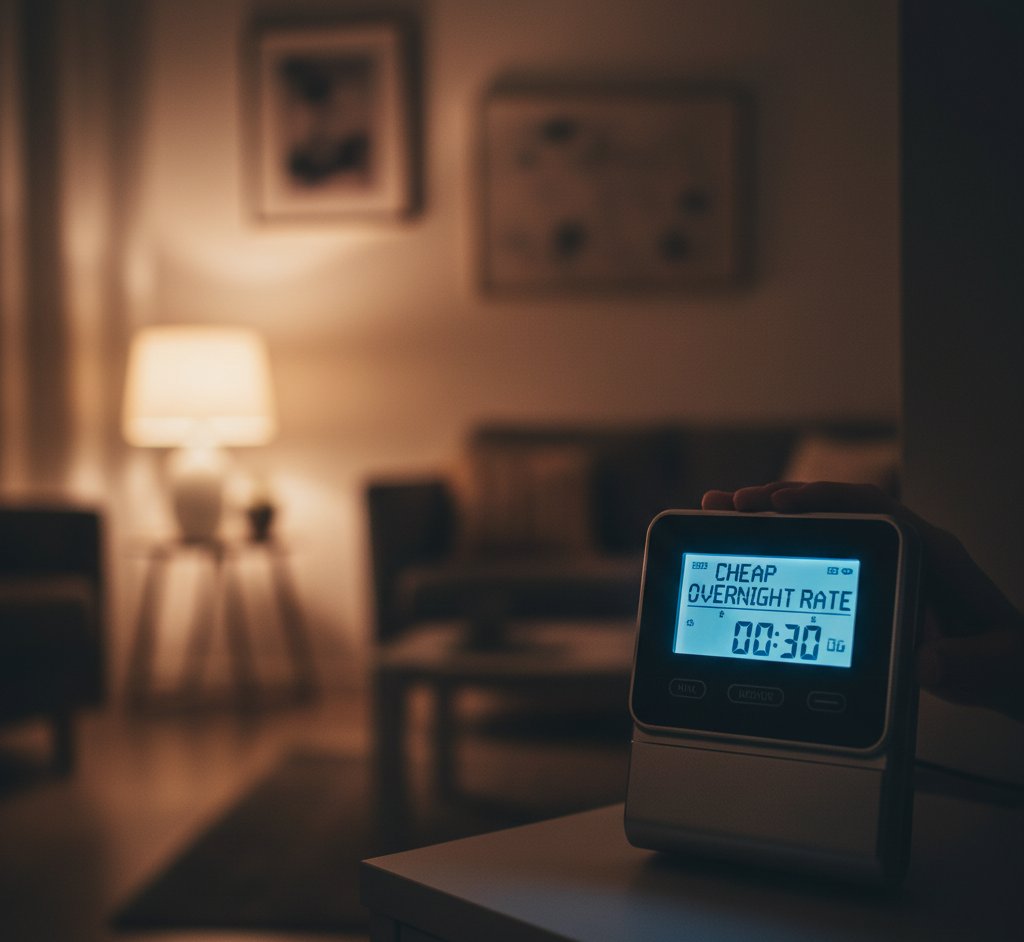
Octopus Go is a simple two-rate electricity tariff. You get a cheap overnight window and a standard (slightly higher than average) rate for the rest of the day.
Typical Octopus Go rates (April 2026):
- Off-peak (00:30–04:30): 5.5p/kWh
- Peak (all other times): 24p/kWh
The idea is straightforward: charge your EV, battery, or hot water tank overnight when electricity is cheap, then use solar during the day and stored energy in the evening.
Go was originally designed for EV owners, but anyone with a smart meter can sign up. You don't need an EV — the cheap overnight window is useful for anyone who can time-shift consumption.
Octopus Go vs Intelligent Octopus Go
The names are confusingly similar, but they're different products:
Octopus Go:
- Fixed 4-hour cheap window (00:30–04:30)
- Available to anyone with a SMETS2 smart meter
- No smart charging integration
- You manually schedule EV charging/battery charging for the cheap window
Intelligent Octopus Go:
- Cheap rate (5.5p/kWh) applies from 23:30–05:30 — a 6-hour base window
- PLUS additional cheap slots throughout the day when the grid has surplus renewable energy
- Requires a compatible smart charger or EV (more on eligibility below)
- Octopus controls when your EV charges within the cheap windows
- You set a target (e.g., "car ready by 7am with 80% charge") and Octopus handles the rest
For a deeper dive into Intelligent Go specifically, see our dedicated Intelligent Go page.
How Go works with solar panels
Solar and Go complement each other well:
Daytime (sunlight hours): Your panels generate free electricity. You use it directly and store surplus in your battery. On Go's day rate of 24p, every kWh of solar you use directly offsets grid imports.
Evening (sunset to midnight): Your battery discharges to cover household needs. If it runs out, you import at 24p — the same as a typical flat tariff.
Overnight (00:30–04:30): Your battery charges from the grid at 5.5p/kWh. Your EV charges at 5.5p/kWh. You run any other high-consumption tasks (dishwasher, washing machine) in this window.
The combination means you're paying either nothing (solar), a small amount (overnight), or a reasonable rate (evening). The 27p day rate rarely bites because solar covers most of it.
Battery charging strategy on Go
Set your battery to charge from the grid during the 00:30–04:30 window. Even if solar will charge it the next day, having a buffer of cheap overnight power ensures you're covered on cloudy mornings. In summer, reduce overnight charging since solar will handle it. In winter, charge fully overnight.
Savings calculation: Go with solar + battery + EV

Household profile:
- 4kWp solar system
- 10kWh battery
- EV doing 8,000 miles/year (~2,400 kWh)
- Total household consumption: 4,500 kWh/year (excluding EV)
On a flat 24p tariff:
- Home import (after solar offset): 1,800 kWh × 24p = £432
- EV charging: 2,400 kWh × 24p = £576
- SEG export: 800 kWh × 12p = -£96
- Total: £912/year
On Octopus Go:
- Home import (solar covers daytime): 1,800 kWh — of which 1,200 kWh overnight at 5.5p = £66, 600 kWh at 24p = £144
- EV charging (overnight): 2,400 kWh × 5.5p = £132
- SEG export: 800 kWh × 12p = -£96
- Total: £246/year
Saving vs flat rate: £666/year. Most of that comes from cheap EV charging, but the overnight battery fill contributes too.

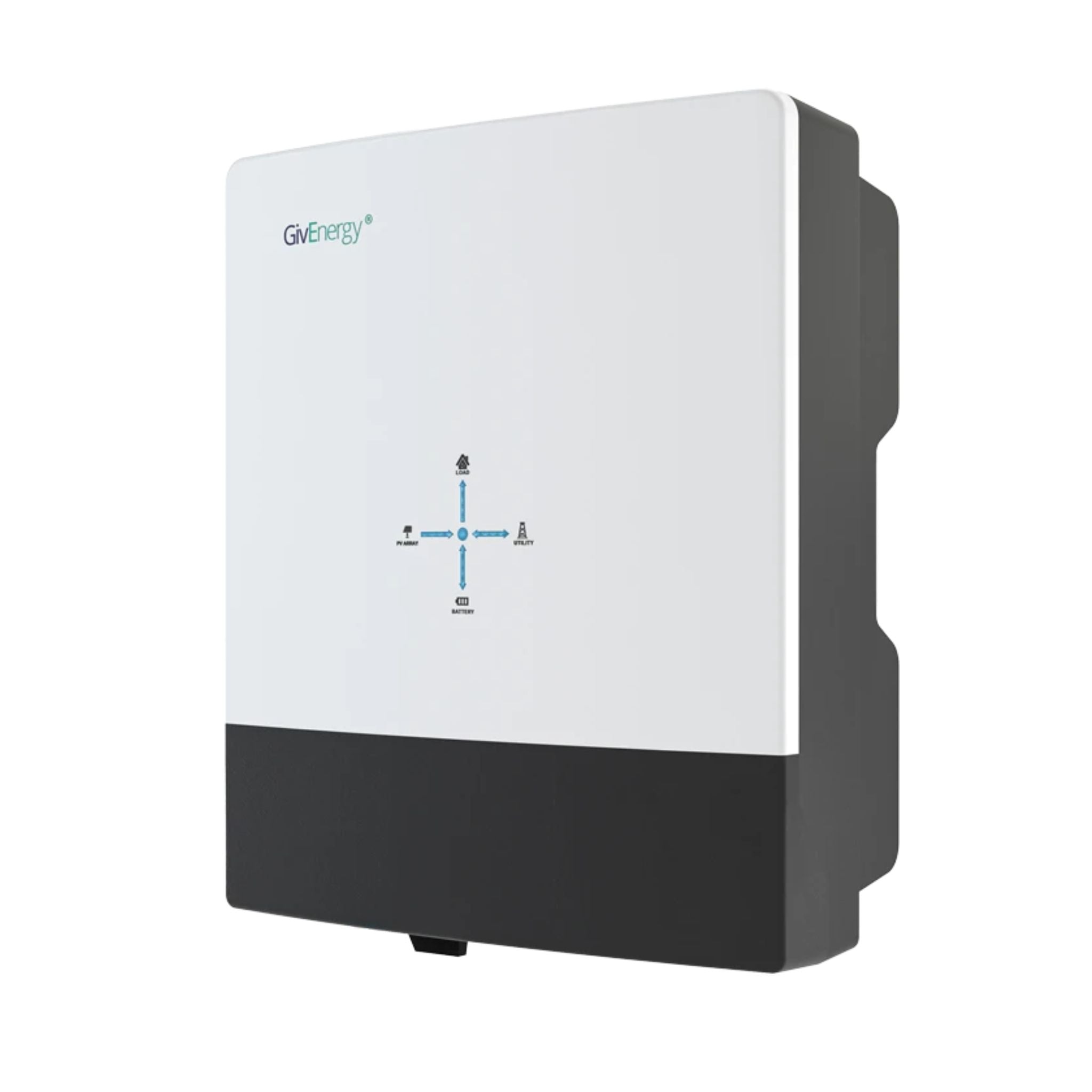
GivEnergy All-in-One 5kW Hybrid Inverter
£1,2005
7.5
2
48V
Affiliate link — we may earn a small commission at no extra cost to you
Who should choose Go vs Flux vs Agile?
| Scenario | Best tariff |
|---|---|
| Solar + battery, no EV | Flux |
| Solar + battery + EV | Go or Intelligent Go |
| Solar + battery + EV + automation | Agile |
| Solar only, no battery | Standard flat + SEG |
| EV only, no solar | Go or Intelligent Go |
Go's strength is the cheap overnight rate for EV charging. If you don't have an EV, Flux often works out better because its peak export rates add value that Go lacks.
If you have both an EV and a battery, the choice between Go and Flux depends on your priorities. Go has cheaper overnight rates but worse peak-time economics. Flux has better peak export rates but slightly more expensive overnight charging.
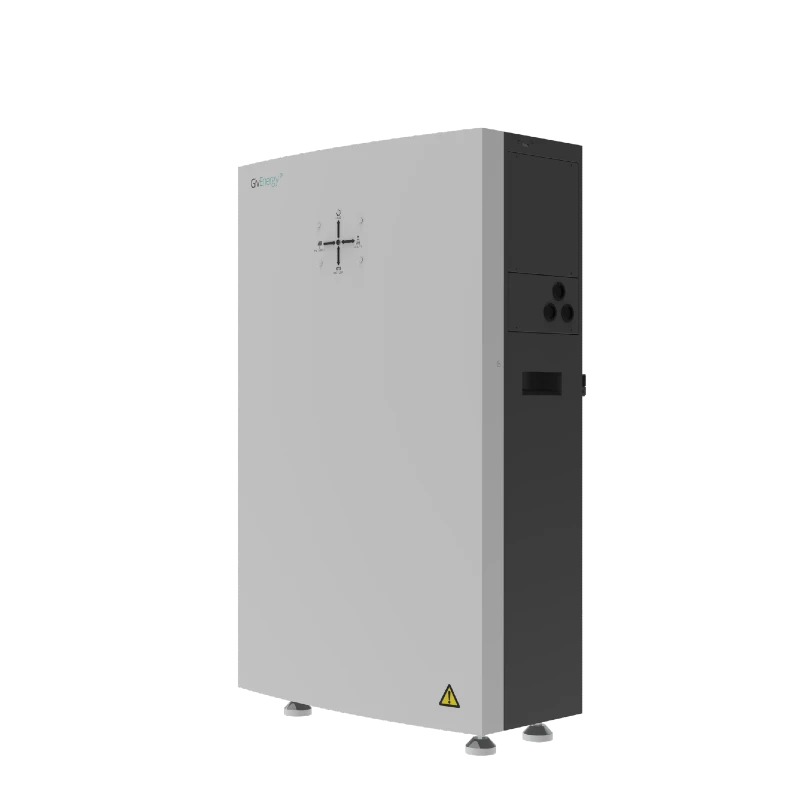
GivEnergy All-in-One 9.5kWh Battery
£5,5009.5
8.6
LFP
6000
Affiliate link — we may earn a small commission at no extra cost to you
Intelligent Go eligibility
To get Intelligent Octopus Go, you need one of:
- A compatible smart EV charger (Ohme, Zappi, Wallbox Pulsar, Indra, and others)
- A compatible EV with built-in smart charging (most Tesla models, several BMW, VW, and other brands)
The charger or vehicle communicates with Octopus's platform. You set your requirements through the Octopus app (departure time, target charge level), and the system optimises when charging happens to use the cheapest electricity.
Day rate matches the price cap
Go's day rate (~24p) aligns with the April 2026 Ofgem price cap, so you're not penalised for daytime imports compared to a flat tariff. The real saving comes from the cheap overnight rate — it works best when solar covers most daytime needs and the overnight rate handles the heavy lifting.
Practical tips for Go users
- Schedule everything overnight — EV charging, battery charging, washing machine, dishwasher, tumble dryer. Use timer plugs or built-in delays.
- Don't forget the immersion heater — if you have an electric hot water tank, a smart controller like Myenergi Eddi can heat water from solar surplus during the day and top up during the cheap overnight window.
- Monitor your day-rate usage — the Go day rate (24p) now matches a standard flat tariff. You're not penalised for daytime imports, but you're also not saving on them either.
- Consider Intelligent Go — the extra 2 hours of cheap rate and bonus cheap slots during the day add up. If your charger is compatible, it's a straightforward upgrade.
- Stack with solar — Go without solar is good. Go with solar is excellent. The combination of free daytime power and 5.5p overnight power means you're rarely paying full price for anything.
Share this article

OVO has carefully selected trusted teams across the UK to install solar panels and heat pumps. Enjoy the personal touch of a local expert with the peace of mind of a household name.
Affiliate link — we may earn a small commission at no extra cost to you
Stay informed
Get free solar updates direct to your inbox
Related reading
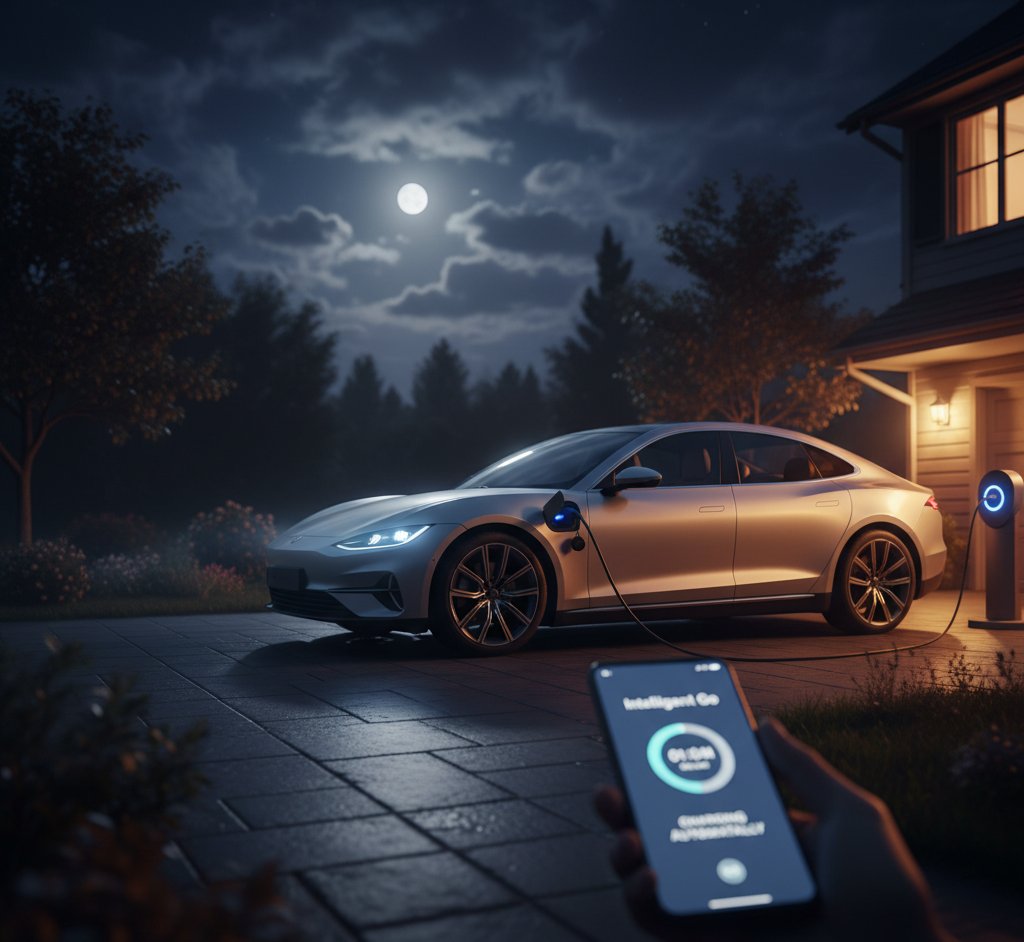
Intelligent Octopus Go: Solar + EV Charging
How Intelligent Octopus Go optimises EV charging for UK solar households — compatible chargers, smart scheduling, and real savings vs standard Go.
Octopus Flux Tariff: The Best Tariff for Solar + Battery?
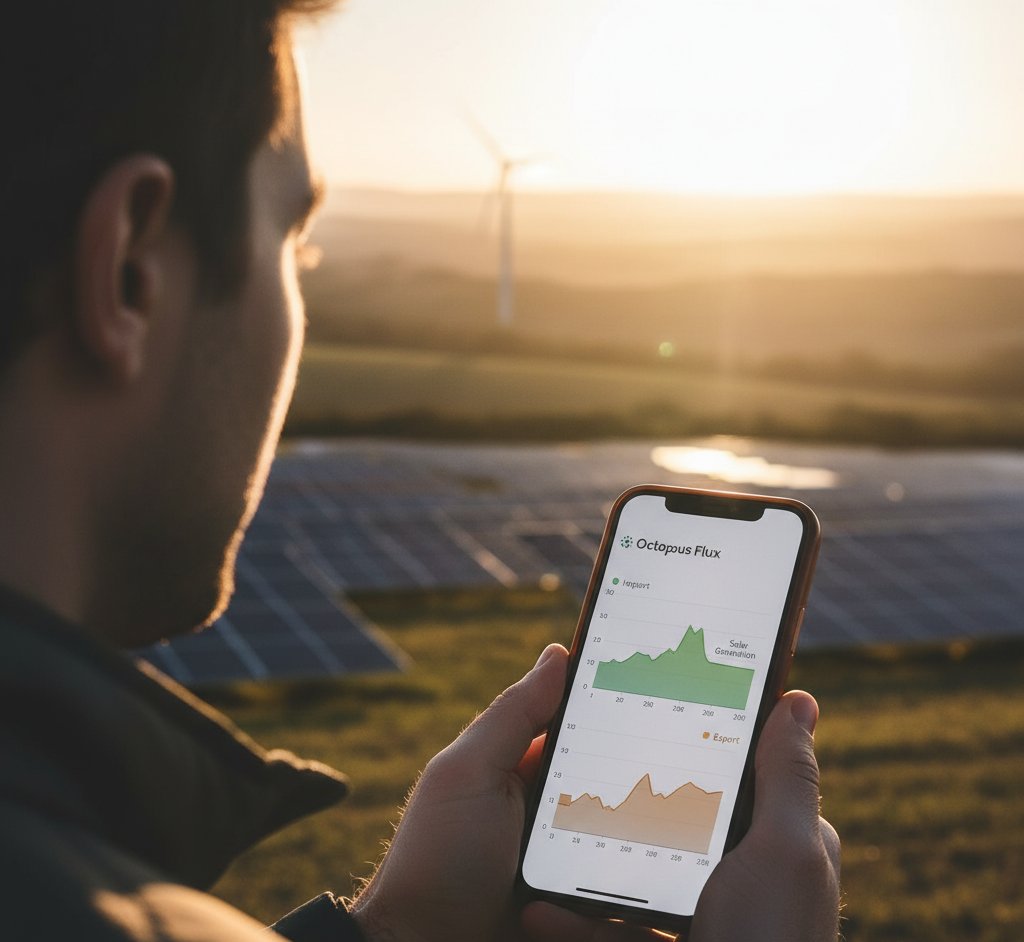
How Octopus Flux works for UK solar and battery owners — import/export rates, daily schedule, real savings calculations, and whether it beats Agile.
Smart Tariff EV Charging: Scheduling for Maximum Savings
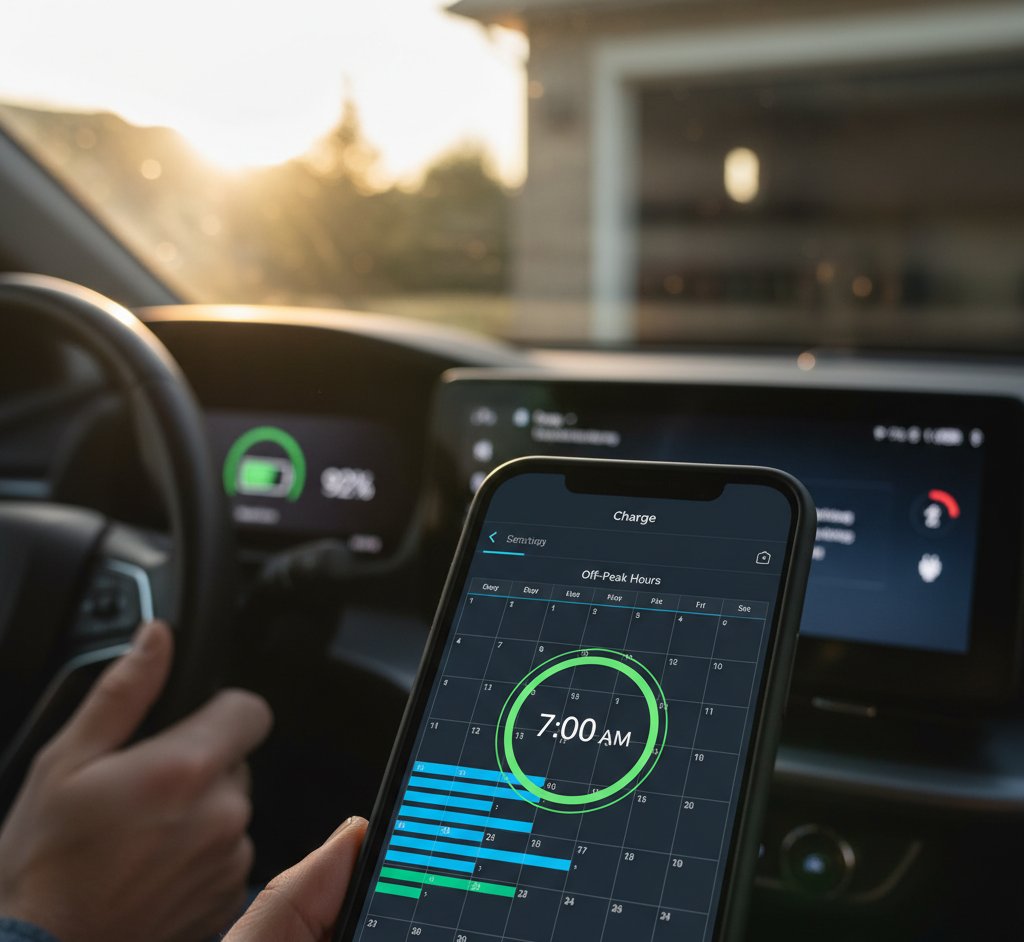
How to schedule EV charging with UK smart tariffs and solar panels — combining Octopus Go, Agile, and Flux with solar to minimise your cost per mile.


Switch to Octopus Energy
Get 50 credit when you switch. We get 50 too — win-win.
What does this mean for YOUR home?
Design your perfect solar setup in under 3 minutes. Free, no sign-up required.
Build Your Solar System