This page contains affiliate links. If you purchase through them we may earn a small commission at no extra cost to you. Learn more
OZEV EV Charger Grant: How to Claim
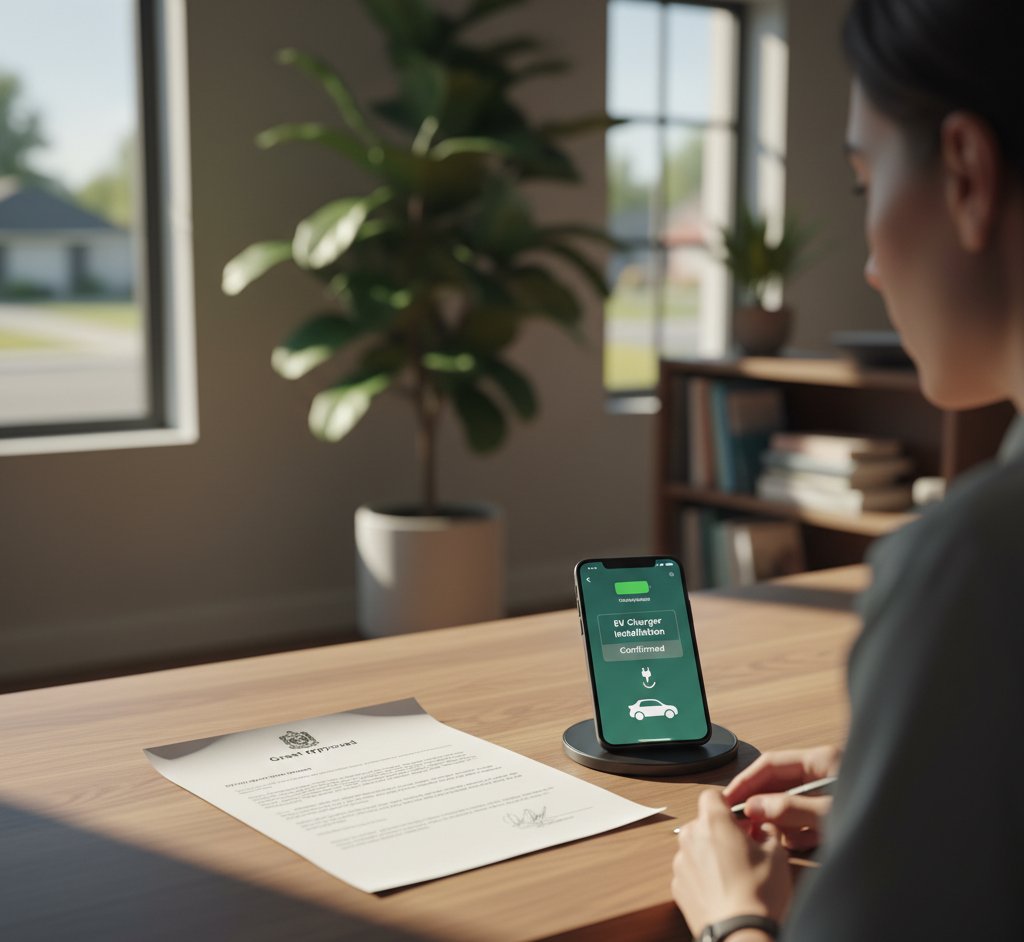
What is the OZEV EV Charger Grant?
The Office for Zero Emission Vehicles (OZEV, formerly OLEV) provides grants to reduce the cost of installing home EV chargers. The current scheme is called the EV Chargepoint Grant (sometimes still referred to by its old name, the Electric Vehicle Homecharge Scheme or EVHS).
The grant contributes up to £350 (including VAT) toward the cost of purchasing and installing a home charger, or up to 75% of the total cost — whichever is lower.
On a typical installation costing £1,000–£1,500, the £350 grant covers a meaningful portion.
Who is eligible?
This is where it gets specific. The eligibility rules changed significantly in April 2022:
Who CAN claim:
Owner-occupiers of flats (apartments):
- You own your flat in a multi-occupancy building
- You have dedicated off-street parking (or can install a charger in a communal area with permission)
Tenants (renters):
- You rent a property (flat or house)
- You have your landlord's permission
- The charger must be installed at the rented property
Landlords:
- You own a property that is rented out (or will be)
- Grant covers charger for tenant use
- Up to 200 grant-funded installations per landlord
Who CANNOT claim:
Owner-occupiers of single-occupancy houses: Since April 2022, homeowners who live in a house they own are NOT eligible. This was the most controversial change — it excludes the largest group of potential EV charger installers.
The government's reasoning: homeowners of houses can afford the installation (£800–£1,500), and the grant money is better directed at flats and rental properties where charging access is harder.
Most homeowners can't claim this grant
If you own and live in a house (detached, semi-detached, or terraced), you are NOT eligible for the OZEV EV Chargepoint Grant as of April 2022. This is a common point of confusion. The grant is now targeted at flats, rental properties, and landlords.
What does the grant cover?
The £350 (maximum) contributes toward:
- The cost of the charger unit itself
- Installation labour and materials
- Necessary electrical work (cable runs, consumer unit upgrades)
It does NOT cover:
- Groundwork (digging trenches for cables, if needed)
- Electrical supply upgrades (main fuse upgrade, three-phase installation)
- Building alterations beyond what's needed for the charger
Charger requirements
The charger must be:
-
Smart — capable of being remotely controlled and receiving/responding to signals (e.g., for demand flexibility). Basic "dumb" chargers don't qualify.
-
Rated at or below 22kW — covers all standard home chargers (7kW single-phase, 22kW three-phase).
-
Installed by an OZEV-approved installer — the installer must be registered with OZEV. Most reputable EV charger installation companies are approved.
Compatible solar chargers: The Myenergi Zappi, Ohme Home Pro, Wallbox Pulsar Plus, Easee Charge, and most other smart chargers qualify. Solar-aware features don't affect eligibility — as long as the charger meets the smart requirements, it's eligible.
How to apply
In most cases, your installer handles the application for you. The process:
- Choose your charger and installer — pick an OZEV-approved installer and the charger you want
- Get a quote — the installer provides a quote showing the grant deduction
- The installer applies — they submit the grant application to OZEV on your behalf
- Installation proceeds — the charger is installed
- Grant is deducted from your invoice — you pay the total cost minus the £350 grant
You don't need to apply to OZEV directly or wait for pre-approval. The installer manages the paperwork. Your contribution is providing the eligibility documentation.
Documentation you'll need:
For flat owner-occupiers:
- Proof of property ownership (Land Registry title or mortgage statement)
- Proof it's a flat/apartment (not a house)
- Proof of off-street parking or communal area permission
For tenants:
- Written permission from your landlord
- Proof of tenancy (tenancy agreement)
For landlords:
- Proof of property ownership
- Details of tenancy or plans to let the property
Ask your installer about the grant upfront
Any reputable OZEV-approved installer will know exactly how the grant works and handle the application seamlessly. If an installer seems unfamiliar with the grant or doesn't offer to manage the application, consider finding one who does. The grant should be a standard part of their quoting process.
Grant timeline and payment

- Application to approval: typically 2–4 weeks (handled by installer)
- Installation: scheduled after approval
- Payment: OZEV pays the installer directly; you pay the reduced amount
- Total process: 3–6 weeks from initial enquiry to installed charger

Combining with other grants and solar
The OZEV grant can be combined with:
- Solar panel installation — there's no conflict between the EV charger grant and solar panels. Install both and claim the charger grant independently.
- Solar panel grants — separate funding streams for solar (e.g., ECO4, local authority grants) can run alongside the EV charger grant.
- Energy efficiency grants — Home Upgrade Grant, Great British Insulation Scheme, etc. can be claimed alongside.
The OZEV grant CANNOT be combined with:
- The Workplace Charging Scheme (different grant for businesses)
- Any other government grant specifically for the same EV charger installation
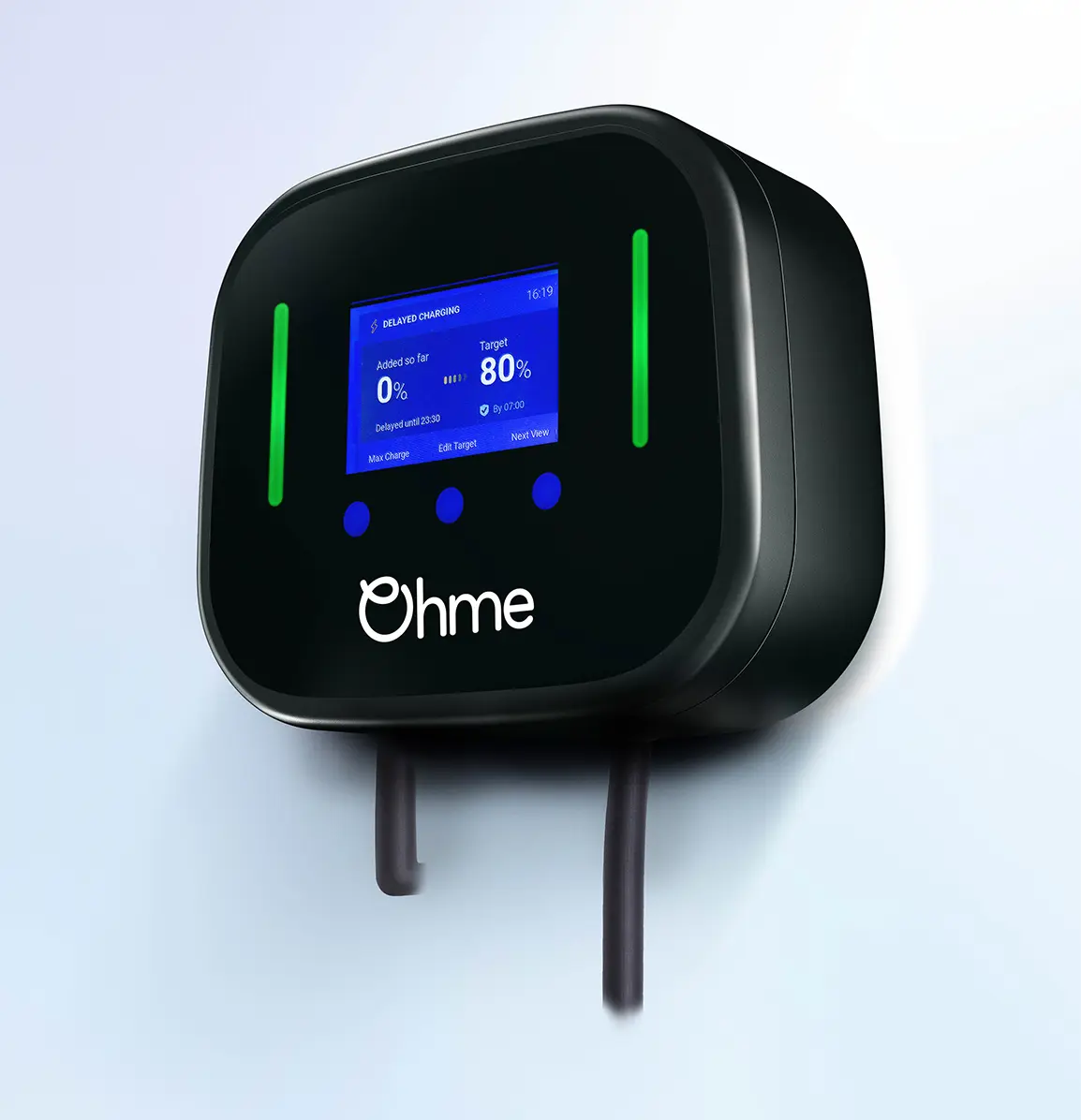
Ohme Home Pro 7.4kW EV Charger
£6007.4
smart,scheduled,manual
false
true
Affiliate link — we may earn a small commission at no extra cost to you
What if you're not eligible?
If you own a house and can't claim the grant, the charger is still a worthwhile investment:
Cost without grant: £1,000–£1,600 installed (including a solar-aware charger like the Zappi)
Annual savings from solar EV charging: £300–£500 (depending on system size and driving)
Payback without grant: 2–5 years — still excellent
The grant would reduce your initial cost by £350, shortening payback by roughly 6–12 months. Helpful, but not essential for the investment to make sense.
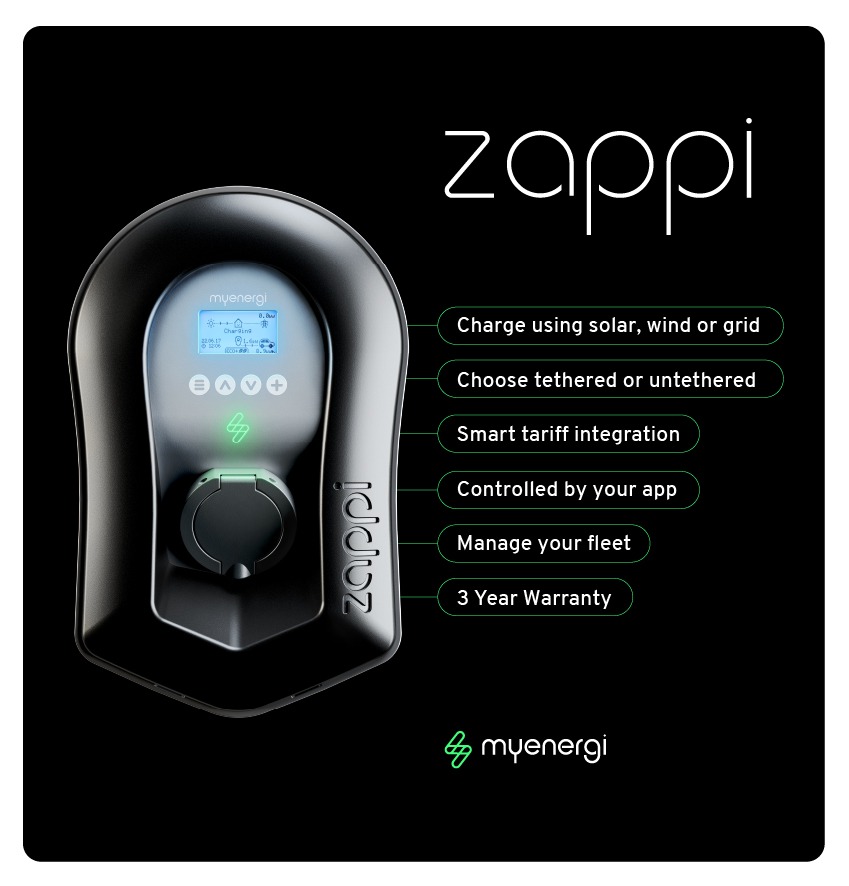
myenergi Zappi 22kW EV Charger
£78022
7.4
22
fast,eco,eco_plus
Affiliate link — we may earn a small commission at no extra cost to you
Common questions
Can I claim the grant for a second charger?
One grant per property. If you've already claimed for one charger at the same address, you can't claim for another.
Does the charger have to be new?
Yes. The grant only covers new charger installations, not upgrades or replacements of existing chargers.
Can I choose any charger I want?
Yes, as long as it meets the smart charger requirements and is installed by an OZEV-approved installer. You're not restricted to specific brands.
What if my installation costs less than £467?
The grant covers 75% of total cost (up to £350). So if your installation costs £400, the grant would be £300 (75% of £400), not £350. The £350 cap only applies when the total cost exceeds approximately £467.
Is the grant expected to continue?
Government grants are reviewed periodically. The OZEV EV Chargepoint Grant has been running in various forms since 2014 and has been renewed multiple times. However, there's no guarantee it will continue indefinitely. If you're eligible, claiming sooner rather than later is sensible.
The smart charging requirement explained
The "smart" requirement means the charger must be able to:
- Schedule charging for specific times (supporting smart tariff use)
- Respond to signals to increase, decrease, or pause charging (demand-side response)
- Randomise charging start times to prevent grid strain from thousands of chargers starting simultaneously
This requirement aligns with the UK's energy flexibility goals. Smart chargers help balance the grid by shifting EV charging to off-peak periods — exactly what time-of-use tariffs incentivise and what solar households already optimise for.
Share this article

Leading UK provider of electric car charging cables and EV accessories. Cables for all UK and EU models, with fast delivery and expert support.
Affiliate link — we may earn a small commission at no extra cost to you
Stay informed
Get free solar updates direct to your inbox
Related reading
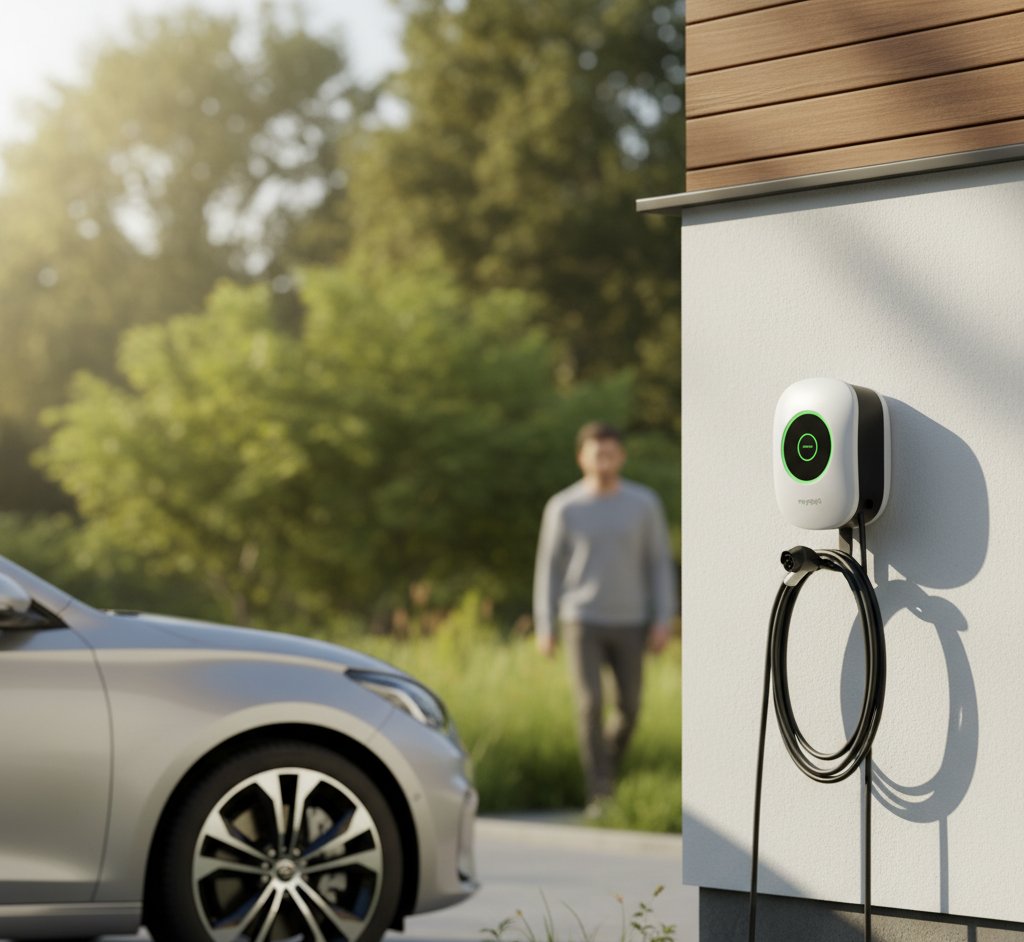
Myenergi Zappi: The Solar EV Charger
In-depth review of the Myenergi Zappi EV charger for UK solar homes — solar charging modes, installation, costs, and how it compares to standard chargers.
Tethered vs Untethered EV Chargers
Tethered or untethered EV charger? A practical guide for UK solar households — pros, cons, costs, and which option suits your setup in 2026.

Solar Panel Grants and Funding UK 2026
A plain-English guide to every solar grant, scheme, and funding route available in the UK in 2026 — including ECO4, GBIS, HUG2, BUS, and devolved schemes.


Switch to Octopus Energy
Get 50 credit when you switch. We get 50 too — win-win.
What does this mean for YOUR home?
Design your perfect solar setup in under 3 minutes. Free, no sign-up required.
Build Your Solar System