This page contains affiliate links. If you purchase through them we may earn a small commission at no extra cost to you. Learn more
Fence-Mounted Solar Panels: Budget DIY Option
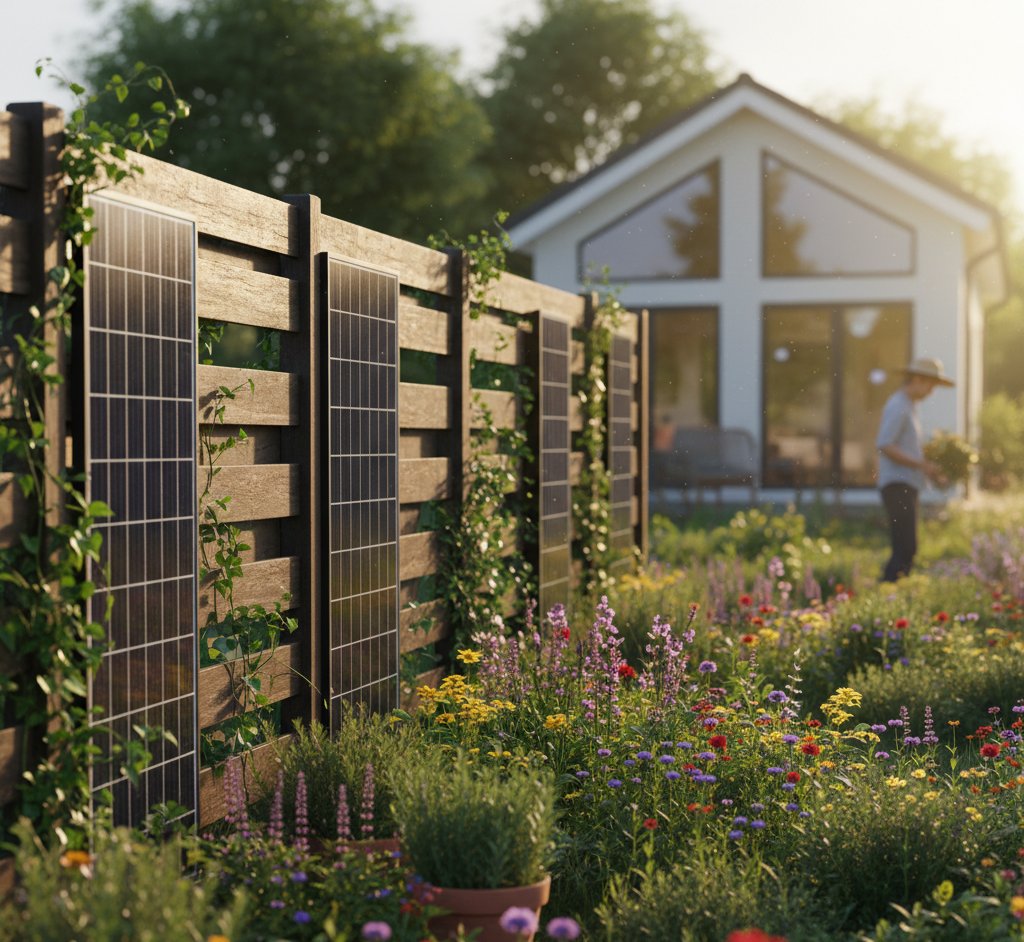
Fence-mounted solar panels have gained popularity as a budget-friendly, DIY-accessible way to generate some of your own electricity. They won't replace a full roof system, but for renters, those with limited budgets, or anyone wanting to dip a toe into solar, they're worth understanding.
What Are Fence-Mounted Solar Panels?
The concept is simple: mount one to four solar panels on your garden fence, connect them to a microinverter, and plug the output into a standard socket (or have it hardwired). These are sometimes called "balcony solar" or "plug-in solar" systems on the continent, where they're popular in countries like Germany and the Netherlands.
In the UK, fence-mounted solar is a growing niche. It appeals to people who:
- Rent and can't modify the roof
- Have a limited budget
- Want to try solar before committing to a full system
- Have fence sections that face south or southwest
How Much Do They Generate?
Let's set realistic expectations. A single 400W panel on a south-facing fence (mounted vertically at 90°) in central England will generate approximately:
- 150–200kWh per year if mounted vertically (flat against the fence)
- 200–280kWh per year if angled outward at 30° from vertical
For context, the average UK home uses about 3,500kWh of electricity per year. A single fence panel covers roughly 5–8% of that.
A two-panel setup doubles the output to 300–560kWh per year, potentially saving £45–85 annually at current electricity rates.
Why the Low Output?
Fence panels face two fundamental limitations:
- Vertical angle — As with wall-mounted solar, vertical panels receive 30–40% less sunlight than optimally tilted panels
- Shading — Fences are low down, making them susceptible to shadows from hedges, neighbouring fences, buildings, and garden structures
Equipment and Costs
A basic fence solar setup consists of:
| Component | Cost |
|---|---|
| 1x 400W solar panel | £80–150 |
| 1x microinverter (300–400W) | £80–150 |
| Mounting brackets (fence-specific) | £30–60 |
| Cables and connectors | £20–40 |
| Total (1 panel) | £210–400 |
| Total (2 panels) | £350–650 |
Some companies sell complete fence/balcony solar kits that include everything pre-matched. These typically cost £250–500 for a single-panel kit.
Microinverter Selection
For plug-in solar, you need a microinverter that converts the panel's DC output to AC that matches the grid (230V, 50Hz). Look for units specifically designed for plug-in use, with built-in G98 compliance and anti-islanding protection. Popular options include the Hoymiles HMS series and Enphase IQ7 for hardwired setups.
Installation: Can You DIY?
This is where fence solar gets interesting. Unlike a full roof system (which should always be professionally installed), a small fence-mounted setup is within DIY reach:
What You Can DIY
- Mounting the panel(s) to the fence
- Connecting the panel to the microinverter
- Running the cable to your house (externally)
What Needs Care
- Electrical connection: In March 2026, the UK government announced that plug-in solar systems under 800W can be connected directly to domestic mains sockets without an electrician. This removes the previous regulatory uncertainty for most fence-mounted setups (1-2 panels). For larger systems, or for peace of mind, having an electrician hardwire the connection to a dedicated circuit is still advisable. Formal regulations are expected by summer 2026
- G98 notification: Technically, any grid-connected generation under 3.68kW should be notified to your DNO (Distribution Network Operator). In practice, single-panel systems are rarely notified, but you should be aware of the requirement
- Fence structural integrity: Panels act as a sail in the wind. Your fence must be sturdy enough to handle the additional wind load. A standard 6-foot panel fence in good condition should cope with 1–2 solar panels, but a rotten or wobbly fence will not
Fence Strength Matters
A 400W solar panel weighs approximately 20kg and has a surface area of about 1.7m². In strong winds, the force on the panel (and therefore your fence) can be considerable. Make sure fence posts are solid and secure before mounting. If in doubt, reinforce the posts with concrete haunching. A panel blown off a fence is a safety hazard and an expensive accident.
Mounting Options
Direct Fence Mount (Vertical)
Panels are bolted flat against the fence boards using brackets. This is the simplest option but produces the least electricity due to the vertical angle.
Angled Bracket Mount
Brackets tilt the panel outward from the fence at an angle (typically 20–30°). This improves generation by 15–25% compared to vertical mounting. The downside is increased wind load and the panel protruding into your garden.
Top-of-Fence Mount
Panels are mounted along the top edge of the fence, angled like a lean-to. This gives a better sun angle but increases the fence's visual height and may require planning consideration if it exceeds 2 metres total.
Is It Worth It?
Let's look at the payback honestly:
Single panel setup (£300):
- Annual generation: ~200kWh
- Annual saving at 24p/kWh: ~£48
- Payback period: ~6 years
Two panel setup (£500):
- Annual generation: ~400kWh
- Annual saving at 24p/kWh: ~£96
- Payback period: ~5 years
These payback figures assume you use most of the generated electricity directly (self-consumption). If you export a lot of it, the saving is much less because export tariffs pay only 12–15p/kWh.
Compared to a full roof system (7–10 year payback), fence solar has comparable or even shorter payback periods because the upfront cost is so much lower.
Legal and Regulatory Considerations
- Planning permission: Fence-mounted panels are unlikely to need planning permission if the fence height (including panels) stays below 2 metres. But check with your council if you're in a conservation area or the panels are visible from a road
- DNO notification: Required for any grid-connected system, though enforcement on sub-800W systems is minimal
- Building regulations: Not usually applicable for such small systems
- Rental properties: Check your tenancy agreement. Fence-mounted panels can be removed without damage, which helps, but your landlord may still need to agree
If you're considering fence-mounted panels as a starting point, these are popular panel choices:
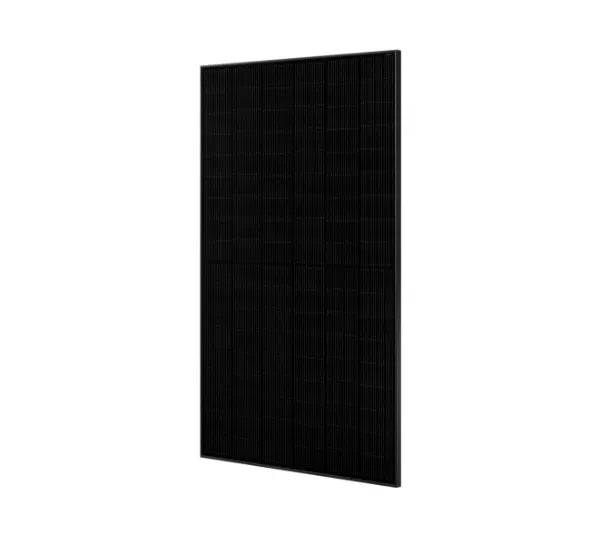
JA Solar JAM54D41 450W N-type TOPCon
£82450
22.8
1722 x 1134 x 30
21.5
Affiliate link — we may earn a small commission at no extra cost to you
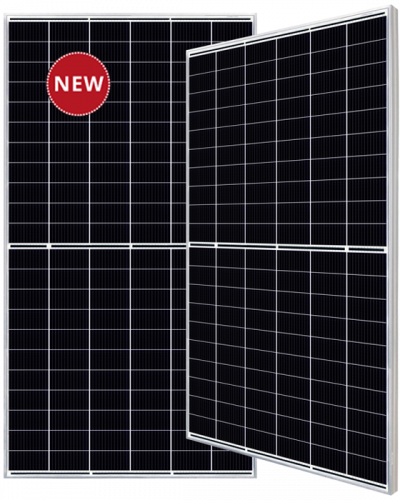
Canadian Solar HiKu7 455W
£80455
22.9
1762 x 1134 x 30
22
Affiliate link — we may earn a small commission at no extra cost to you
Fence Solar vs Full Roof System
Fence solar is not a replacement for a proper roof installation. It's a complement or a stepping stone:
| Factor | Fence Mount (2 panels) | Roof Mount (4kW) |
|---|---|---|
| Cost | £350–650 | £5,500–7,000 |
| Annual generation | 300–500kWh | 3,200–4,000kWh |
| Annual saving | £45–85 | £450–650 |
| MCS certified | No | Yes |
| SEG eligible | No | Yes |
| Professional install | Optional | Essential |
If you can afford a full system, that's always the better investment. Fence panels make sense when a full system isn't currently an option.
Share this article

OVO has carefully selected trusted teams across the UK to install solar panels and heat pumps. Enjoy the personal touch of a local expert with the peace of mind of a household name.
Affiliate link — we may earn a small commission at no extra cost to you
Stay informed
Get free solar updates direct to your inbox
Related reading
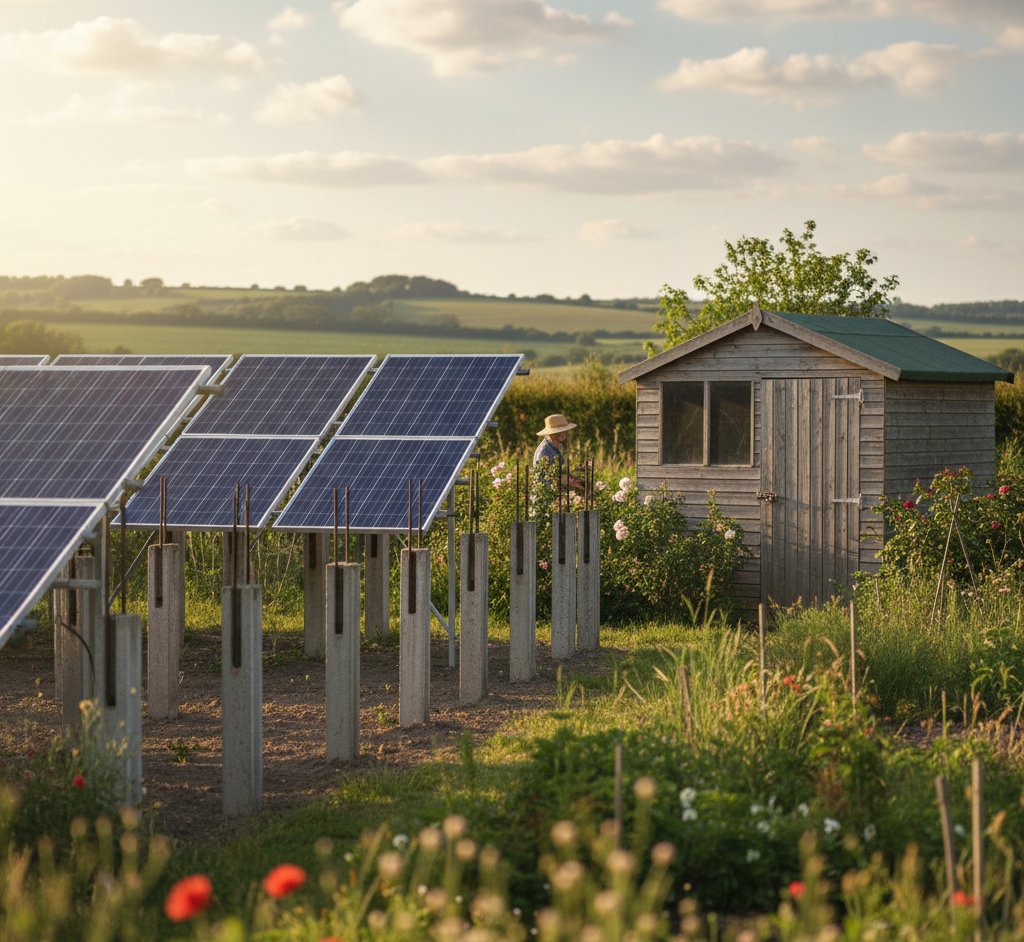
Ground-Mounted Solar Panels UK: When and Why
Ground-mounted solar panels explained for UK homeowners. When ground mount makes sense, costs, planning permission rules, and practical considerations.
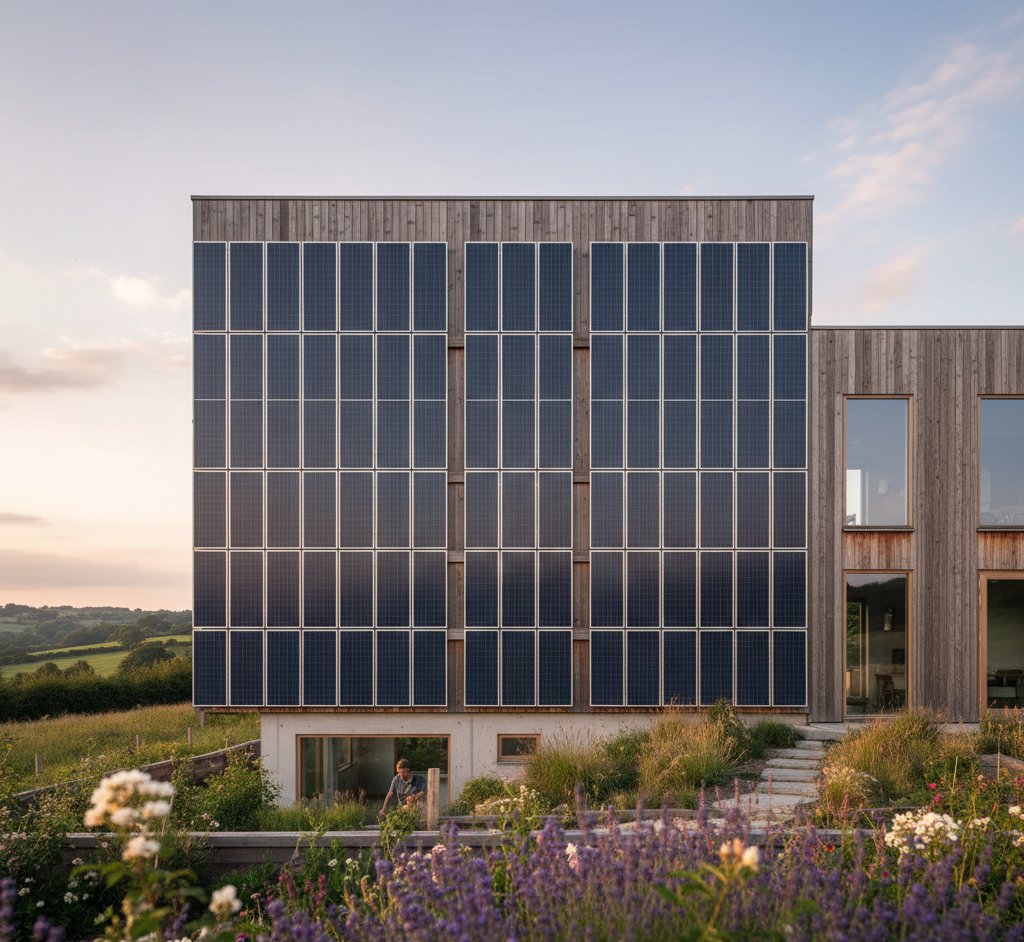
Wall-Mounted Solar Panels: A Viable Alternative?
Can you mount solar panels on a wall in the UK? When wall-mounted solar makes sense, how it performs, costs, and planning permission requirements.
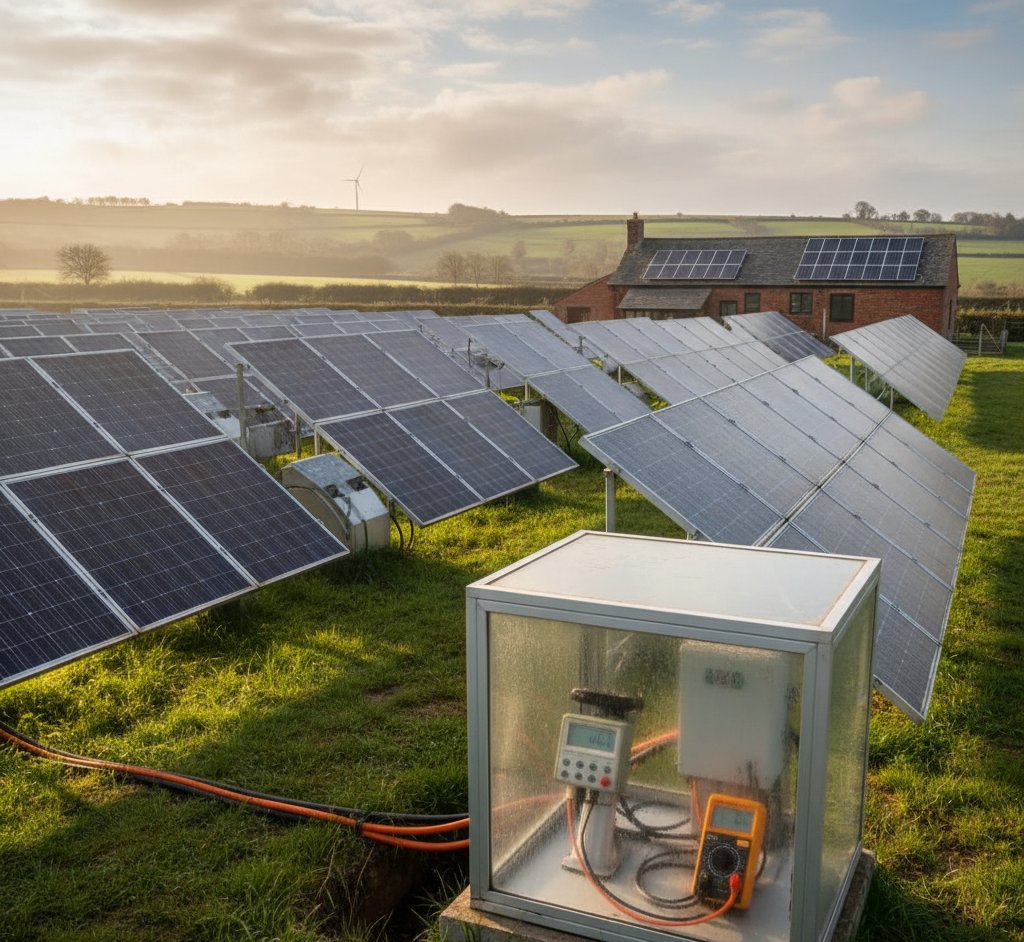
How Much Electricity Do Solar Panels Generate in the UK?
Real kWh figures for UK solar systems by size, region, and orientation — including seasonal variation, the effect of roof angle, and why real-world output differs from the spec sheet.


Switch to Octopus Energy
Get 50 credit when you switch. We get 50 too — win-win.
What does this mean for YOUR home?
Design your perfect solar setup in under 3 minutes. Free, no sign-up required.
Build Your Solar System