This page contains affiliate links. If you purchase through them we may earn a small commission at no extra cost to you. Learn more
Portable Solar Panels: Camping, Caravans, and Off-Grid
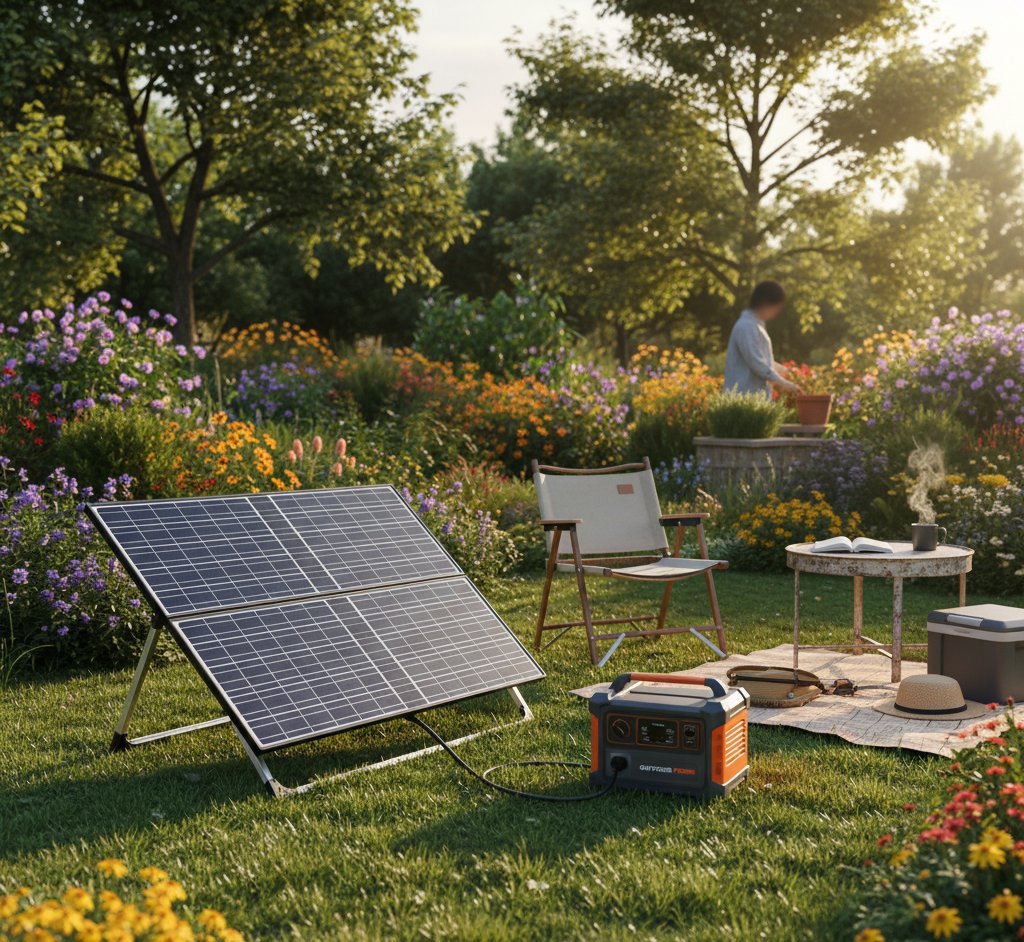
Portable solar panels let you generate electricity anywhere the sun shines. Whether you're camping, running a caravan, charging devices on the go, or building a small off-grid setup, there's a portable solar solution — but expectations need to be realistic about UK conditions.
Types of Portable Solar Panels
USB Solar Chargers (10–30W)
Small foldable panels that charge phones and small devices via USB. Lightweight, affordable (£30–£80), and genuinely useful for hiking and festivals. Don't expect to power anything bigger than a phone or tablet.
Folding Solar Panels (60–200W)
Briefcase-style panels that fold flat for transport and prop up at an angle. The workhorse of portable solar. Typically £150–£400. Good for camping, caravanning, and small off-grid setups.
Semi-Rigid Panels (100–200W)
Lightweight panels that can be temporarily mounted on a caravan or motorhome roof, or propped against a vehicle. More robust than folding panels but less portable. £100–£250.
Larger Portable Arrays (200–400W)
Multiple folding panels or a combination of fixed and portable. For serious off-grid use — garden offices, canal boats, extended van life. £300–£800.
Realistic UK Generation
Marketing materials quote generation in ideal lab conditions. UK reality is different:
| Panel Rating | Peak UK Output (Summer, Clear Day) | Typical UK Output (Average Day) | Overcast Day |
|---|---|---|---|
| 100W | 70–85W | 40–60W | 10–25W |
| 200W | 140–170W | 80–120W | 20–50W |
| 400W | 280–340W | 160–240W | 40–100W |
UK summers give roughly 6–8 hours of useful solar per day. In winter, expect 1–3 hours. An overcast day dramatically reduces output — portable panels are less efficient in diffuse light than the larger roof panels used in permanent installations.
Rough daily energy generation (summer):
| Panel Size | Summer Daily Output | Winter Daily Output |
|---|---|---|
| 100W | 400–600 Wh | 100–200 Wh |
| 200W | 800–1,200 Wh | 200–400 Wh |
| 400W | 1,600–2,400 Wh | 400–800 Wh |
Use Case: Camping
For weekend camping, a 100W folding panel paired with a small power station covers the basics:
- Phone charging: 10–20 Wh per charge
- LED camping lights: 5–10W for several hours
- Laptop: 50–80 Wh per charge
- Small fan: 20–40W
- Portable fridge: 30–50W continuous
A 100W panel generating 500 Wh/day in summer keeps all of this running comfortably. Add a power station (500–1,000 Wh capacity) to store energy for evening use.
The Power Station Is Essential
Portable solar panels without a battery/power station are limited to real-time generation. Clouds interrupt charging. Evening use is impossible. A power station (EcoFlow, Jackery, Bluetti) acts as a buffer, storing solar energy for when you need it. Budget £200–£500 for a decent 500–1,000 Wh unit.
Use Case: Caravans and Motorhomes
For caravanning, solar is transformative. It charges your leisure battery silently, letting you camp off-hook for longer.
Typical caravan electrical demand:
- LED lighting: 20–40 Wh/day
- Water pump: 30–50 Wh/day
- Phone/tablet charging: 20–40 Wh/day
- 12V TV: 100–200 Wh/evening
- Compressor fridge: 300–500 Wh/day
Total: 470–830 Wh/day
A 200W panel system generates 800–1,200 Wh/day in summer — enough to keep a caravan's leisure battery topped up and run everything without a hook-up. For motorhomes with higher demands (inverter for 240V appliances, diesel heater, more lighting), 300–400W is better.
Mounting Options for Caravans
- Roof-mounted: Permanent, always generating, no setup needed. Most efficient. Requires drilling/bonding to the roof.
- Folding panels: Set up when parked, store while driving. More flexible, no modifications to the caravan. Labour-intensive.
- Suction mount: Temporary roof mounting without drilling. Works but less secure in wind.
Use Case: Garden Offices
A garden office with a 200–400W panel system and a power station can run:
- Laptop and monitor: 100–150W
- LED desk lamp: 10W
- Router/phone charger: 20W
- Small heater: NOT feasible (1–3kW — far too much for portable solar)
Solar can power electronics in a garden office during summer. Heating, kettles, and other high-power devices are beyond portable solar's capability. For a permanent garden office solution, see our garden office solar guide.
What to Look for When Buying
Panel Efficiency
Higher efficiency means more power per unit area. Look for panels using monocrystalline cells (18–22% efficiency) rather than older polycrystalline or amorphous cells.
Build Quality
Folding panels need robust hinges, weather-resistant fabric backing, and scratch-resistant surfaces. Cheap panels degrade quickly with regular folding/unfolding.
Connectors
Most portable panels use MC4 connectors (standard solar connectors) or proprietary connectors for specific power stations. Check compatibility with your power station before buying.
Weight
A 100W folding panel weighs 4–6 kg. A 200W panel weighs 7–10 kg. For hiking, every gram matters. For car camping, weight is less critical.
Kickstand/Angle
Panels that prop up at an angle generate more than flat panels. Look for adjustable kickstands that let you angle toward the sun.
Portable Solar + Power Stations
The EcoFlow Delta series and similar products combine well with portable panels:
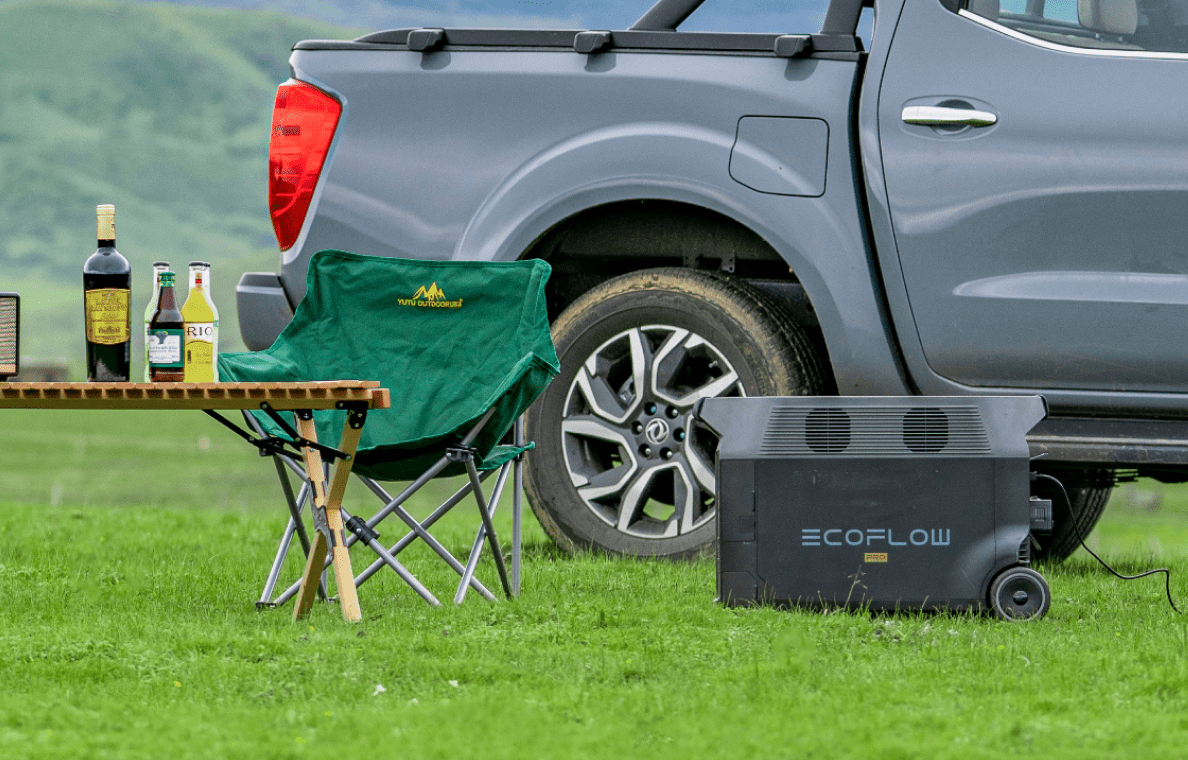
EcoFlow Delta Pro 3.6kWh Portable Power Station
£1,5003.6
3.4
LFP
3500
 View on EcoFlow UK
Affiliate link — we may earn a small commission at no extra cost to you
A power station gives you:
- Energy storage for evening/night use
- Clean AC output for standard appliances
- USB and 12V outputs for direct device charging
- Pass-through charging (use appliances while the sun charges the battery)
For most portable solar users, the power station is a more important purchase than the panels — it determines what you can actually run.
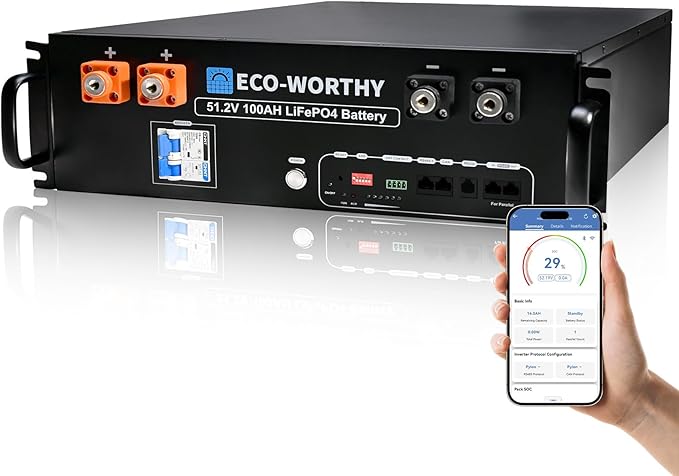
ECO-WORTHY 5.12kWh LiFePO4 Battery Module
£7005.12
4.9
LFP
4000
Affiliate link — we may earn a small commission at no extra cost to you
Limitations to Be Honest About
- UK weather is unpredictable — overcast days dramatically reduce output
- Winter generation is minimal — portable solar is primarily a spring/summer technology in the UK
- You can't run heating, cooking, or high-power appliances — portable solar is for electronics and small loads
- Theft risk — panels left out at campsites are attractive to opportunists
- Angle and orientation matter — you need to reposition panels as the sun moves for maximum output
What Not to Buy
Avoid:
- Amorphous/thin-film portable panels — much less efficient, heavy for their output
- No-brand panels from marketplace sellers — poor quality, inflated wattage claims, no warranty
- Panels without a charge controller — can damage batteries if connected directly
- Massively oversized systems — a 1kW portable system is impractical for most portable use cases
Portable solar is a genuine, useful technology for UK outdoor enthusiasts and off-grid applications — but keep expectations realistic and match the system size to your actual needs.
Share this article

OVO has carefully selected trusted teams across the UK to install solar panels and heat pumps. Enjoy the personal touch of a local expert with the peace of mind of a household name.
Affiliate link — we may earn a small commission at no extra cost to you
Stay informed
Get free solar updates direct to your inbox
Related reading
Plug-In Solar Panels: Grid-Tied Without an Installer?
Plug-in solar panels in the UK: can you really plug solar into a socket? What's legal, what works, and what the regulations actually say about DIY grid-tied solar.
Balcony Solar Panels UK: A Practical Guide
Balcony solar panels for UK flats and apartments. What's possible, what's legal, how much they generate, and whether they're worth the investment in 2026.
Solar Battery Storage: Complete UK Guide 2026
Everything you need to know about adding battery storage to a UK solar installation — types, sizing, costs, and which products are worth considering in 2026.


Switch to Octopus Energy
Get 50 credit when you switch. We get 50 too — win-win.
What does this mean for YOUR home?
Design your perfect solar setup in under 3 minutes. Free, no sign-up required.
Build Your Solar System