This page contains affiliate links. If you purchase through them we may earn a small commission at no extra cost to you. Learn more
Balcony Solar Panels UK: A Practical Guide
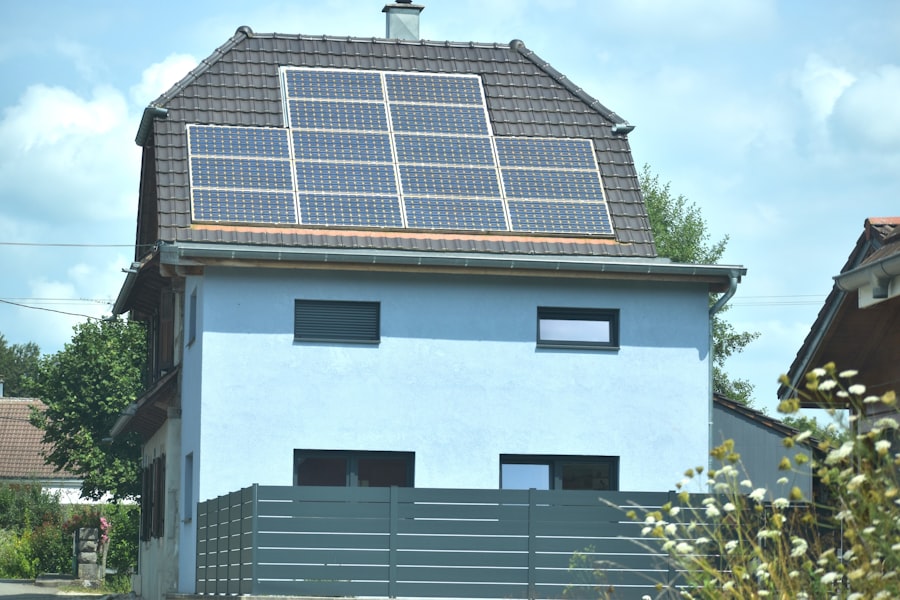
Balcony solar panels are hugely popular in Germany and growing fast across Europe. In the UK, the market is catching up — and a major regulatory shift in March 2026 has made them significantly more accessible. Here's what you need to know.
March 2026: UK Government Legalises Plug-In Solar Under 800W
As of March 2026, the UK government has announced that plug-in solar panels under 800W will be legally permitted for direct connection to domestic mains sockets — no electrician needed. Safety codes are being updated by energy regulators, with availability in shops expected by summer 2026. Source: gov.uk
What Are Balcony Solar Panels?
Balcony solar panels are small solar systems (typically 1–2 panels, 400–800W) mounted on a balcony railing or wall. They connect to a microinverter that plugs into a standard socket, feeding electricity directly into your flat.
In Germany, they're called "Balkonkraftwerk" (balcony power plants) and over 4 million have been installed. The UK is following, though with more regulatory friction.
What You Can Expect to Generate
Generation depends on your balcony's orientation and any shading:
| Setup | Annual Generation | Annual Saving (at 26p/kWh) |
|---|---|---|
| 1 panel (400W), south-facing, unshaded | 300–350 kWh | £78–£91 |
| 2 panels (800W), south-facing, unshaded | 600–700 kWh | £156–£182 |
| 2 panels (800W), east or west-facing | 400–500 kWh | £104–£130 |
| 2 panels (800W), partially shaded | 300–400 kWh | £78–£104 |
These are modest numbers compared to a full roof system, but for a flat with no roof access, they're meaningful — especially since balcony systems have high self-consumption rates (you use most of what they generate during the day).
Equipment and Costs
A typical balcony solar setup:
| Component | Cost |
|---|---|
| 1–2 solar panels (400W each) | £150–£350 |
| Microinverter (e.g., Hoymiles 600/800W) | £100–£200 |
| Mounting brackets | £50–£150 |
| Cabling and plug | £30–£60 |
| Total | £330–£760 |
At the lower end (£350 for a single panel setup generating £80/year), payback is around 4–5 years. At the higher end (£750 for two panels generating £150/year), payback is around 5 years.
Legal Requirements in the UK
This is where it gets complicated. Unlike Germany, which has streamlined regulations for small solar installations, the UK treats all grid-connected solar the same regardless of size.
DNO Notification
Any system that can export to the grid must be notified to your Distribution Network Operator (DNO). For systems under 3.68 kW (single phase), this is a notification rather than an application — they can't refuse it, but you must tell them.
Building Regulations
Electrical work connecting to the mains must comply with Part P of the Building Regulations. In March 2026, the UK government announced that plug-in solar panels under 800W can be connected directly to domestic mains sockets without a qualified electrician. Updated safety codes are expected by summer 2026 — until the formal regulations are published, using G98-certified equipment remains the safest approach.
Leasehold Permissions
If you own a leasehold flat, you'll need your freeholder's permission to:
- Mount panels on the balcony railing (external alteration)
- Drill into the building fabric for mounting
- Route cables through the building
This is often the biggest barrier. See our leaseholder guide for more on navigating permissions.
Planning Permission
Solar panels on a flat's balcony may need planning permission, particularly in conservation areas or on listed buildings. Permitted development rights for solar typically apply to houses, not flats.
Check Before You Buy
The UK government's March 2026 announcement has resolved the regulatory uncertainty around plug-in solar — panels under 800W will be legally permitted for direct mains connection. However, you still need DNO notification, potentially planning permission (for flats), and leasehold consent. Check these before buying, and note that the formal regulations are expected by summer 2026.
Installation Options
Railing Mount
Panels attach to your balcony railing using clamps. No drilling into the building. This is the least invasive option and easiest to get permission for.
Wall Mount
Panels mount on the wall above or beside the balcony. Requires drilling into the building fabric — will definitely need freeholder permission.
Floor Stand
Panels sit on the balcony floor at an angle. No attachment to the building, but takes up balcony space and may be less secure in high winds.
Wind Loading on High-Rise Balconies
Wind speeds increase with height. If your balcony is above the 4th floor, secure mounting is essential. Loose panels in high winds are dangerous. Use proper mounting equipment rated for the wind loading at your elevation. This isn't a DIY bodge job — safety matters.
Self-Consumption Is Key
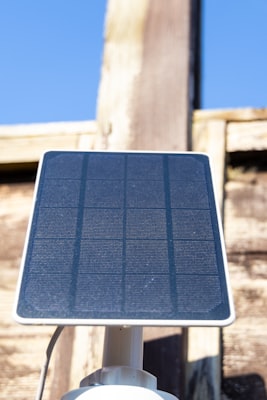
Balcony solar systems shine because of high self-consumption rates. In a flat, the panels power your fridge, router, TV on standby, laptop charger, and other daytime loads. These "base loads" run constantly and are a perfect match for steady solar generation.
A typical flat's base load is 200–400W during the day. A two-panel balcony system generating 400–600W during peak sun will cover this and more. Since you're saving at the full import rate (26p/kWh) rather than earning export rates (12–15p/kWh), the value per kWh is high.
Monitoring and Tracking
Most microinverters come with monitoring apps that show real-time generation. Hoymiles, Enphase, and APsystems all offer decent mobile apps. You can see exactly how much each panel is generating and track your production over time.
This data also helps you optimise usage: run your washing machine or dishwasher when the sun is out and your panels are generating.
Is It Worth It?
For UK flat-dwellers with a south-facing balcony and leasehold permissions (or who own the freehold), balcony solar offers:
- 5–8 year payback — competitive with roof solar
- £80–£180/year savings — meaningful for a small system
- Energy independence — even partial self-generation is satisfying
- Portability — you can take the panels when you move (if renting, with landlord agreement)
- Learning experience — great introduction to solar before committing to a full system
For renters or those without balcony access, see our renters guide for other options.
If you're looking at panels for a balcony setup, these are well-suited options due to their compact size and strong efficiency:
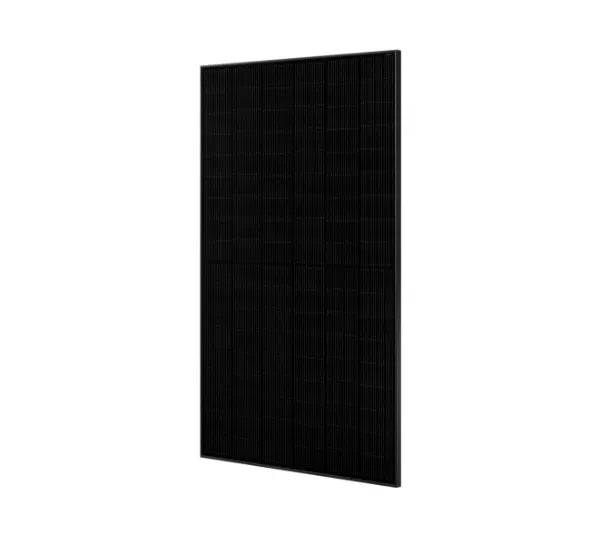
JA Solar JAM54D41 450W N-type TOPCon
£82450
22.8
1722 x 1134 x 30
21.5
Affiliate link — we may earn a small commission at no extra cost to you
For a higher-efficiency option that maximises output from limited balcony space:
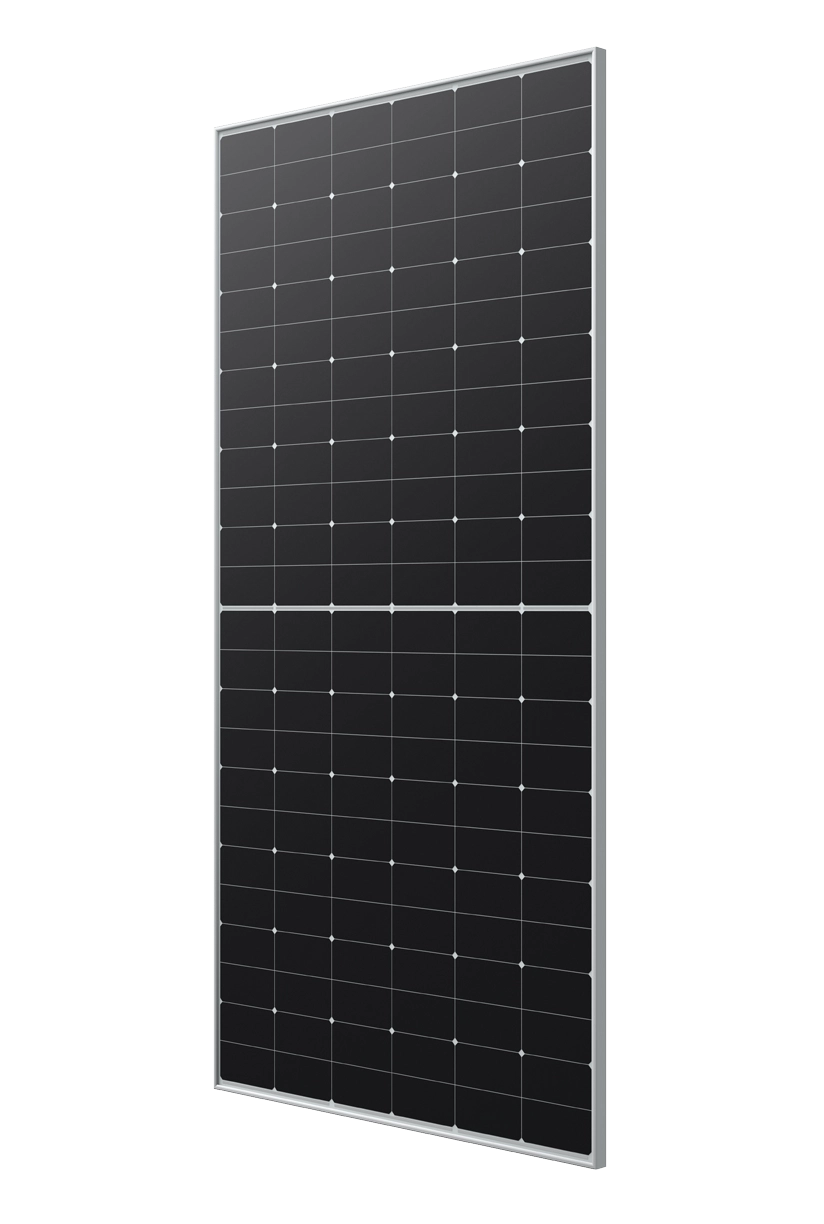
LONGi Hi-MO X6 450W
£85450
23
1722 x 1134 x 30
21.3
Affiliate link — we may earn a small commission at no extra cost to you
Balcony solar isn't going to make you energy independent, but it's a practical, affordable way to generate some of your own electricity — even without a roof.
Share this article

OVO has carefully selected trusted teams across the UK to install solar panels and heat pumps. Enjoy the personal touch of a local expert with the peace of mind of a household name.
Affiliate link — we may earn a small commission at no extra cost to you
Stay informed
Get free solar updates direct to your inbox
Related reading
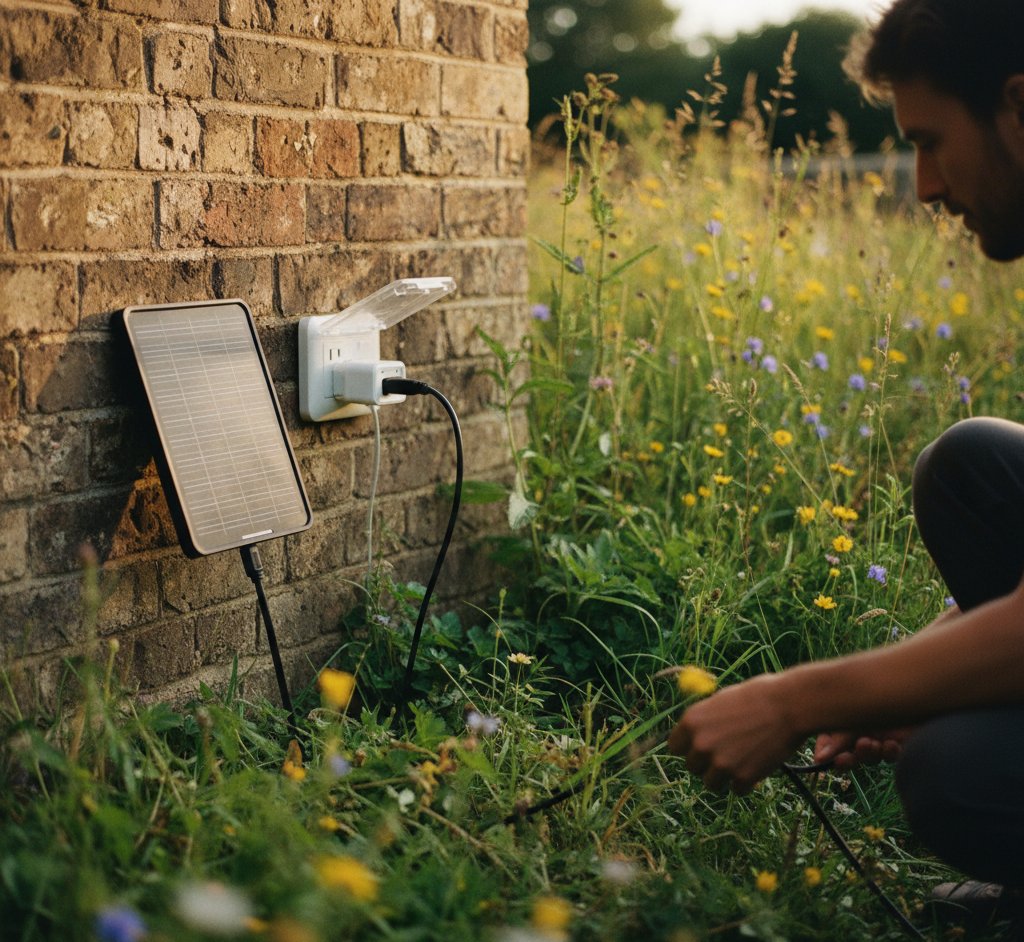
Plug-In Solar Panels: Grid-Tied Without an Installer?
Plug-in solar panels in the UK: can you really plug solar into a socket? What's legal, what works, and what the regulations actually say about DIY grid-tied solar.
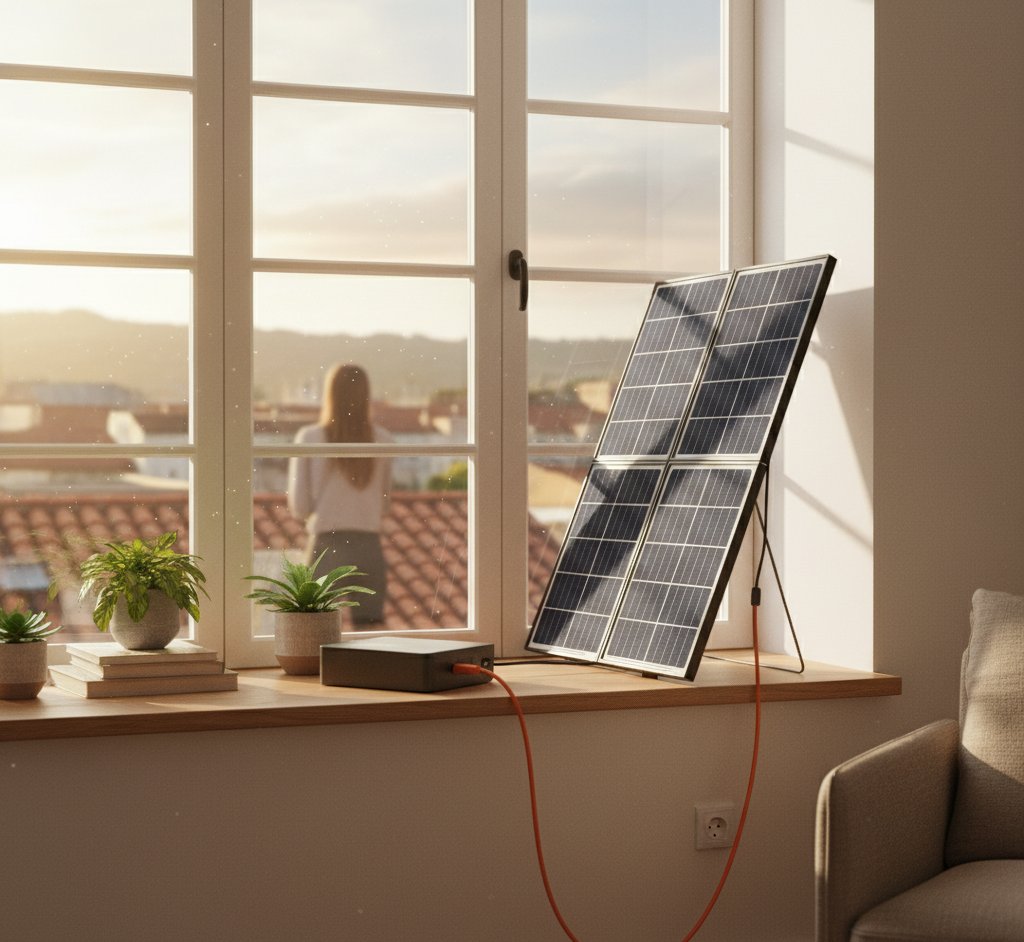
Solar Options for Renters: What Can You Actually Do?
Solar energy options for UK renters. From portable panels to smart tariffs, here's what you can actually do to benefit from solar without owning your home.
Solar Panels as a Leaseholder: Permissions and Options
Can leaseholders install solar panels? UK leasehold permissions, freeholder consent, shared roof access, and practical alternatives for flat owners.


Switch to Octopus Energy
Get 50 credit when you switch. We get 50 too — win-win.
What does this mean for YOUR home?
Design your perfect solar setup in under 3 minutes. Free, no sign-up required.
Build Your Solar System