This page contains affiliate links. If you purchase through them we may earn a small commission at no extra cost to you. Learn more
Seasonal Solar Generation Profiles UK
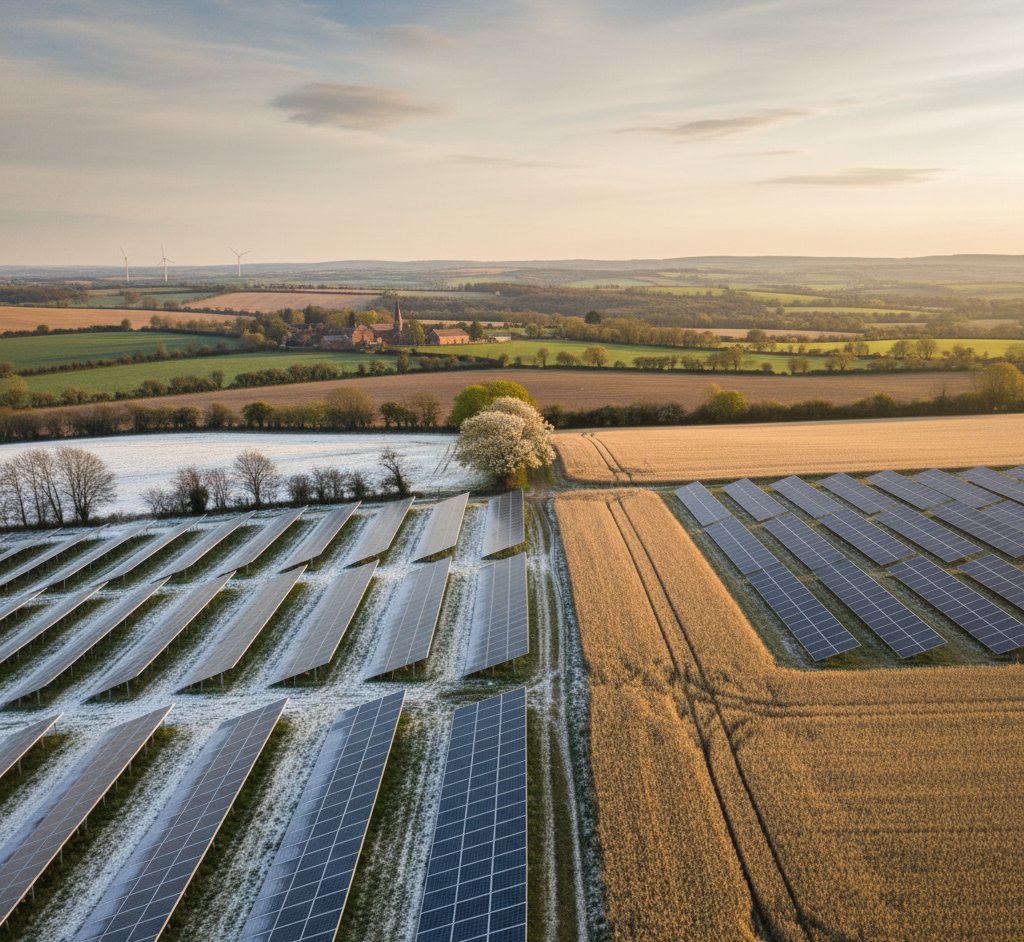
Solar panels in the UK generate far more electricity in summer than in winter. Understanding this seasonal pattern helps you set realistic expectations, optimise self-consumption, and decide whether battery storage makes sense for your situation.
Monthly Generation Profile
For a typical 4kW south-facing system in central England (annual total: approximately 3,600kWh):
| Month | Generation (kWh) | % of Annual Total |
|---|---|---|
| January | 100 | 2.8% |
| February | 160 | 4.4% |
| March | 310 | 8.6% |
| April | 400 | 11.1% |
| May | 450 | 12.5% |
| June | 460 | 12.8% |
| July | 440 | 12.2% |
| August | 400 | 11.1% |
| September | 310 | 8.6% |
| October | 200 | 5.6% |
| November | 120 | 3.3% |
| December | 80 | 2.2% |
The peak months (May–July) each produce more than four times the output of the lowest months (December–January).
Why the Huge Seasonal Variation?
Three factors combine:
1. Day Length
- June: 16–17 hours of daylight (50°N latitude)
- December: 7–8 hours of daylight
- More daylight hours means more time generating
2. Sun Height
- June: The sun reaches 60°+ above the horizon at solar noon
- December: The sun barely reaches 15° above the horizon
- Higher sun angle means more intense irradiance on your panels
3. Cloud Cover
- Summer: Generally fewer overcast days, more hours of clear or broken sky
- Winter: More overcast conditions, shorter periods of clear sky
- Panels still generate in cloudy conditions, but at 10–25% of capacity rather than 80–100%
Seasonal Generation by UK Region
Location within the UK matters too. Solar irradiance varies by about 30% between the sunniest and cloudiest parts of the country:
| Location | Annual kWh/kWp | Best Month | Worst Month |
|---|---|---|---|
| South coast (Cornwall, Kent) | 950–1,050 | June (130kWh/kWp) | December (25kWh/kWp) |
| Midlands | 850–950 | June (115kWh/kWp) | December (20kWh/kWp) |
| North England | 800–900 | June (110kWh/kWp) | December (18kWh/kWp) |
| Scotland (central) | 780–880 | June (110kWh/kWp) | December (15kWh/kWp) |
| Scotland (north) | 750–850 | June (105kWh/kWp) | December (12kWh/kWp) |
kWh/kWp Explained
kWh/kWp means kilowatt-hours generated per kilowatt-peak of installed capacity. A 4kW system in the Midlands generating 900 kWh/kWp produces 4 x 900 = 3,600kWh per year. This metric lets you compare locations regardless of system size.
What This Means for Your Bills
Summer: Surplus Electricity
In June and July, a 4kW system generates around 15kWh per day on average. A typical household uses 10kWh per day. This means you'll often generate more than you use during daylight hours, especially if you're out at work during the day.
Without a battery, this surplus is exported to the grid. With the Smart Export Guarantee, you'll earn around 12p per kWh exported (depending on your tariff — prices vary). With a battery, you can store surplus for use in the evening, increasing the value to 28–34p per kWh saved.
Winter: Supplementary Generation

In December, the same system generates around 2.5kWh per day on average. This won't cover your full electricity usage, but it still offsets some of it. On a bright winter day, the system might produce 4–6kWh; on an overcast day, 0.5–1.5kWh.
The Self-Consumption Challenge
The seasonal mismatch is the fundamental challenge of UK solar:
- You generate most when you need least (summer)
- You need most when you generate least (winter)
Strategies to manage this:
- Battery storage — Store summer daytime surplus for evening use
- Time-of-use tariffs — Some tariffs offer higher export rates in summer
- Hot water diversion — Use a solar diverter to heat water with surplus electricity
- EV charging — Charge your electric vehicle with free solar electricity
- Shift consumption — Run washing machines, dishwashers, and other loads during peak generation hours
Beware Annualised Projections
When an installer tells you "this system will generate 3,600kWh per year," that annual figure masks the seasonal reality. Half of that generation comes in just four months (May–August). Make sure your payback calculation accounts for how much solar electricity you'll actually use directly, not just total generation.

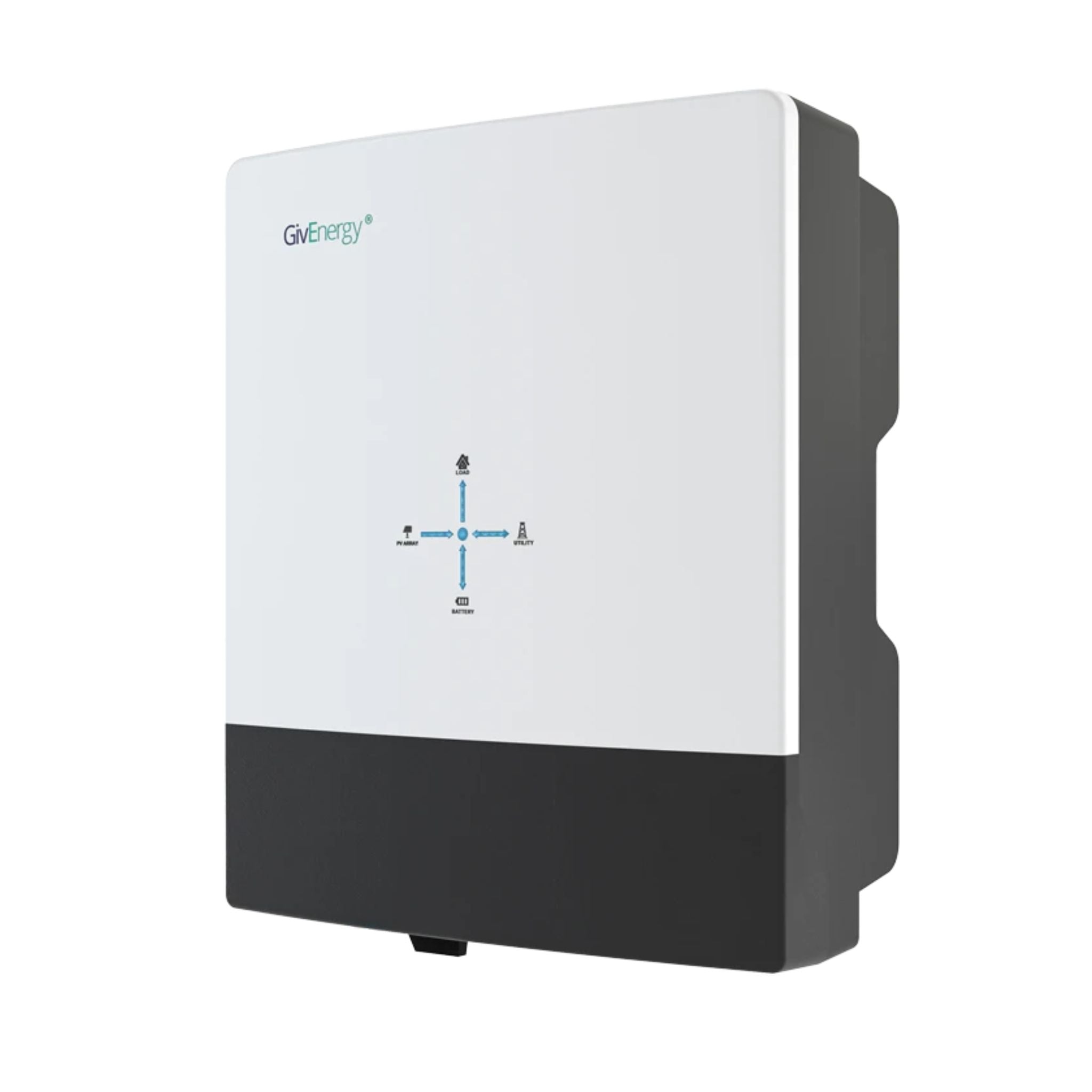
GivEnergy All-in-One 5kW Hybrid Inverter
£1,2005
7.5
2
48V
Affiliate link — we may earn a small commission at no extra cost to you
Battery Storage and Seasonal Generation
Batteries help smooth daily variations (storing midday surplus for evening use) but don't solve the seasonal problem. A typical 5kWh battery stores enough for one evening's usage. It charges and discharges daily in summer — great for self-consumption.
In winter, there's often not enough generation to fully charge the battery. A 5kWh battery that fills to capacity in summer may only reach 1–2kWh in December.
For longer-term seasonal storage (summer surplus to winter use), current battery technology isn't cost-effective for residential applications. The answer to winter electricity needs is grid import, potentially at favourable rates using an energy tariff designed for solar homes.
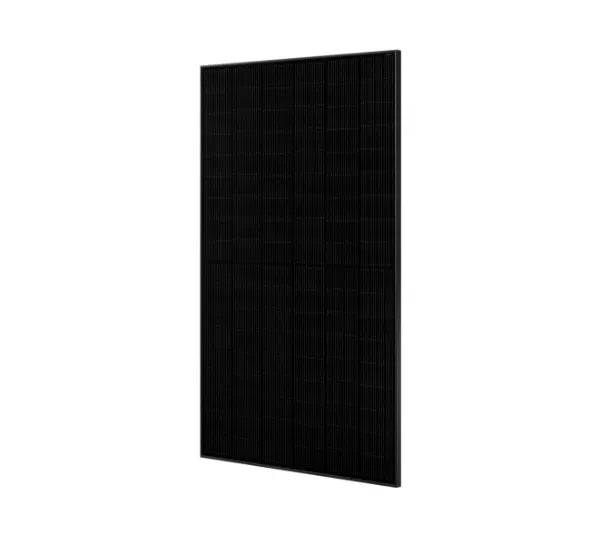
JA Solar JAM54D41 450W N-type TOPCon
£82450
22.8
1722 x 1134 x 30
21.5
Affiliate link — we may earn a small commission at no extra cost to you
Generation on Cloudy Days
A common question: "Do panels work on cloudy days?" Yes, but at reduced output:
- Bright overcast: 25–40% of clear-sky output
- Heavy cloud: 10–25% of clear-sky output
- Dense fog: 5–15% of clear-sky output
- Rain (daylight): 5–15% of clear-sky output
Even in December, total monthly generation isn't zero. Panels produce something on virtually every daylight day of the year.
Planning for Seasons
The practical takeaway is to plan your system and expectations around the seasonal profile:
- Size your system for annual benefit, not just summer peak
- Consider a battery if you want to maximise summer self-consumption
- Don't expect solar to cover winter bills entirely — it supplements, it doesn't replace
- The best financial case comes from using as much solar electricity directly as possible, year-round
Share this article

OVO has carefully selected trusted teams across the UK to install solar panels and heat pumps. Enjoy the personal touch of a local expert with the peace of mind of a household name.
Affiliate link — we may earn a small commission at no extra cost to you
Stay informed
Get free solar updates direct to your inbox
Related reading
How Much Electricity Do Solar Panels Generate in the UK?
Real kWh figures for UK solar systems by size, region, and orientation — including seasonal variation, the effect of roof angle, and why real-world output differs from the spec sheet.
Roof Orientation and Solar: Direction Trade-Offs
How roof orientation affects solar panel performance in the UK. South, east, west, and north-facing roof output compared, plus split-orientation strategies.
Solar Battery Storage: Complete UK Guide 2026
Everything you need to know about adding battery storage to a UK solar installation — types, sizing, costs, and which products are worth considering in 2026.


Switch to Octopus Energy
Get 50 credit when you switch. We get 50 too — win-win.
What does this mean for YOUR home?
Design your perfect solar setup in under 3 minutes. Free, no sign-up required.
Build Your Solar System