This page contains affiliate links. If you purchase through them we may earn a small commission at no extra cost to you. Learn more
Social Housing Decarbonisation Fund (SHDF)
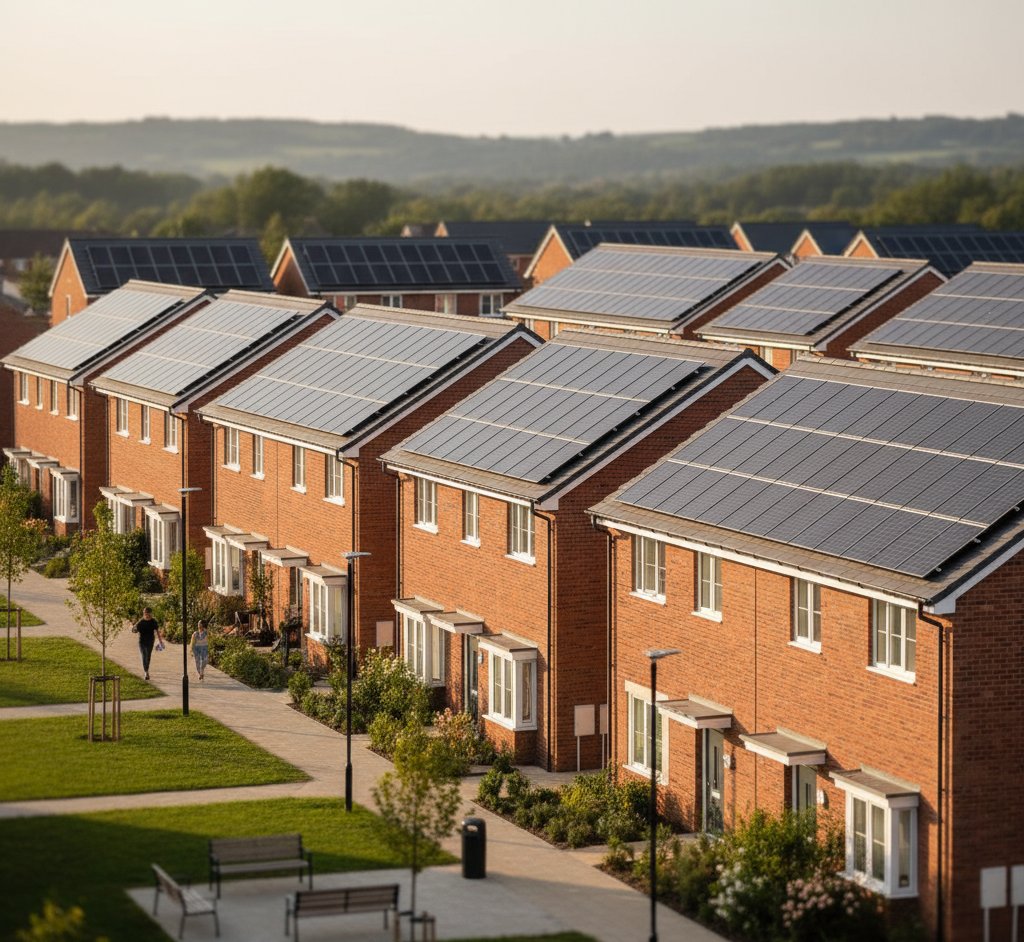
If you live in social housing — a council house or housing association property — the Social Housing Decarbonisation Fund (SHDF) could mean solar panels on your roof at no cost to you. This scheme funds large-scale energy efficiency improvements in social housing across England.
What Is the SHDF?
The Social Housing Decarbonisation Fund provides grant funding to social housing landlords — local authorities and registered housing providers — to improve the energy performance of their housing stock. The goal is to bring social homes up to EPC band C or better by 2030.
Solar panels are one of the key eligible measures, alongside insulation, heat pumps, new windows, and ventilation systems.
The SHDF operates in waves:
- Wave 1 (2021–2023): £179 million demonstration phase
- Wave 2.1 (2023–2025): £778 million
- Wave 2.2 (2025–2027): Additional funding rounds
Each wave requires social landlords to submit bids, and successful applicants receive co-funding (typically covering two-thirds of project costs, with the landlord contributing the remaining third).
How Solar Fits Into SHDF
Solar PV is well-suited to social housing upgrades because:
- Many social homes are semi-detached or terraced with suitable roof space
- Tenants benefit directly through reduced electricity bills
- Systems can be deployed at scale across estates, reducing per-unit costs
- Solar significantly improves EPC ratings
A typical SHDF solar installation on a social home might include a 3–4kW PV system, potentially with battery storage. When combined with insulation and heating upgrades, the package can reduce energy bills by £500–800 per year.
What This Means for Tenants
If you're a social housing tenant, the key points are:
You Don't Apply Directly
SHDF funding goes to your landlord. You cannot apply as an individual tenant. However, you can:
- Ask your housing association or council if they've applied for SHDF funding
- Contact your housing officer to express interest in solar panels
- Attend any consultation events about planned retrofit programmes
No Cost to You
If your home is included in an SHDF project, you will not be asked to pay anything. The solar panels are funded through the grant and your landlord's contribution. Your rent should not increase as a result of the improvements.
Lower Energy Bills
You'll benefit from the free electricity generated by the solar panels. A 3.5kW system on a social home can typically generate 2,800–3,200kWh per year. If you use most of this during daylight hours (which many social housing tenants do, particularly pensioners and those at home during the day), your electricity bill could fall by £400–600 annually.
Maximise Your Solar Benefit
If solar panels are installed on your home, try to run washing machines, dishwashers, and other high-consumption appliances during daylight hours when the panels are generating. This uses free solar electricity rather than paid grid electricity, maximising your savings.
System Ownership
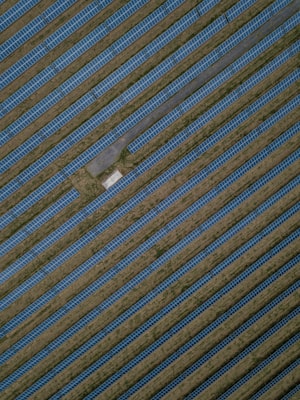
The solar panels belong to your landlord, not to you. If you move to a different property, the panels stay with the home. The next tenant benefits from them. This is standard for all SHDF-funded improvements.
How SHDF Projects Work in Practice
A typical SHDF retrofit programme runs like this:
- Landlord bids for funding — Submits a detailed proposal to DESNZ covering which properties, what measures, and projected costs
- Award and planning — If successful, the landlord contracts with approved installers and retrofit coordinators
- Tenant engagement — You'll be contacted about the planned work, given information about what's happening, and asked for access arrangements
- Retrofit assessment — Each home gets an individual assessment to determine the best package of measures
- Installation — Work is carried out, typically over 1–5 days per home depending on measures
- Handover — You're shown how any new systems work and given documentation
Disruption During Installation
Solar panel installation itself is mostly external and causes minimal disruption — typically one day of work. However, if your home is also getting insulation, heating changes, or new windows as part of the same SHDF package, the total disruption could be several days. Your landlord should give you a clear timeline and keep you informed throughout.
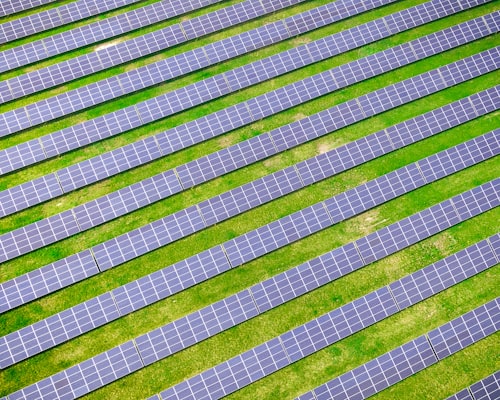
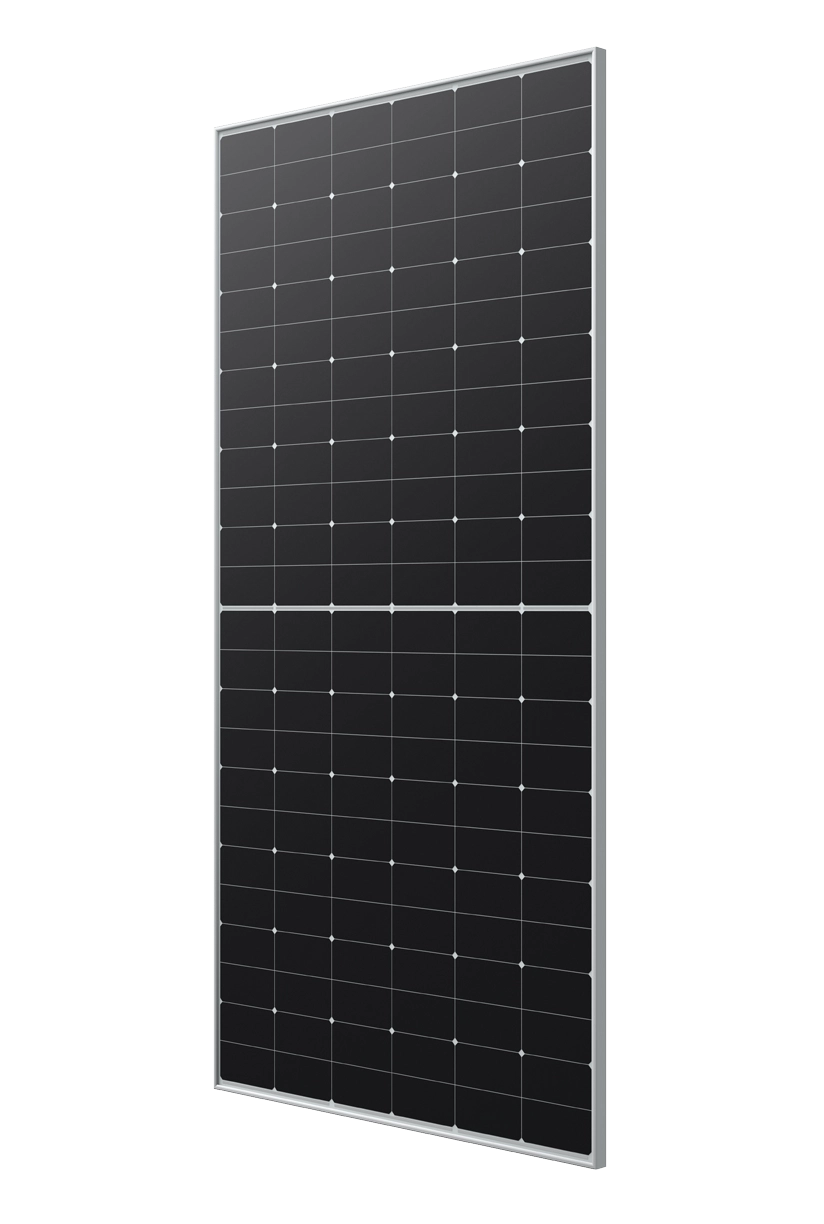
LONGi Hi-MO X6 450W
£85450
23
1722 x 1134 x 30
21.3
Affiliate link — we may earn a small commission at no extra cost to you
Quality and Standards
SHDF projects must follow PAS 2035, the UK's retrofit standard. This means:
- A qualified retrofit assessor surveys each property
- A retrofit coordinator designs the overall programme
- Installers must be TrustMark-registered and MCS-certified (for solar)
- Post-installation monitoring checks that measures perform as expected
This is important because it means SHDF installations should be well-planned and properly executed, not just quick fixes.
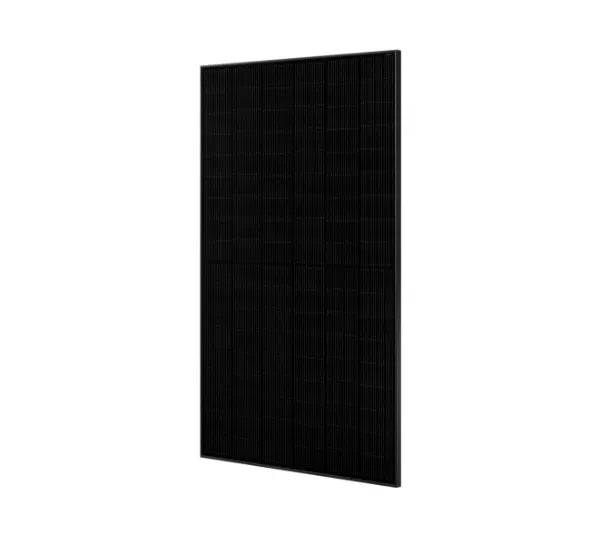
JA Solar JAM54D41 450W N-type TOPCon
£82450
22.8
1722 x 1134 x 30
21.5
Affiliate link — we may earn a small commission at no extra cost to you
Scotland, Wales, and Northern Ireland
The SHDF is an England-only scheme. However, the devolved nations have equivalent programmes:
- Scotland: Social Housing Net Zero Fund (SHNZF)
- Wales: Optimised Retrofit Programme (ORP)
- Northern Ireland: Various schemes through the Northern Ireland Housing Executive
If you're a social tenant outside England, contact your housing provider to ask about equivalent retrofit programmes in your nation.
The Numbers
The scale of SHDF is significant:
- Over £1.2 billion committed across waves
- Thousands of social homes receiving solar panels
- Average energy bill saving of £500+ per home per year
- Estimated 160,000 homes to be upgraded under Wave 2
For tenants in eligible properties, this is one of the most impactful energy schemes currently running.
Share this article

The UK's fastest boiler installation service — from quote to fitted in as little as 24 hours. Award-winning, Trustpilot rated, with no pushy salesmen.
Affiliate link — we may earn a small commission at no extra cost to you
Stay informed
Get free solar updates direct to your inbox
Related reading

Solar Panel Grants and Funding UK 2026
A plain-English guide to every solar grant, scheme, and funding route available in the UK in 2026 — including ECO4, GBIS, HUG2, BUS, and devolved schemes.

ECO4 Scheme: Free Solar Panels Through Your Energy Supplier
How the ECO4 scheme funds free solar panels for eligible UK households. Covers who qualifies, how to apply, and what to watch out for.
Warm Homes Plan: What's Replacing ECO4?
The Warm Homes Plan is the government's next-generation energy efficiency strategy. What it means for solar panels, who it targets, and the latest updates.


Switch to Octopus Energy
Get 50 credit when you switch. We get 50 too — win-win.
What does this mean for YOUR home?
Design your perfect solar setup in under 3 minutes. Free, no sign-up required.
Build Your Solar System