This page contains affiliate links. If you purchase through them we may earn a small commission at no extra cost to you. Learn more
Solar Panels as a Leaseholder: Permissions and Options
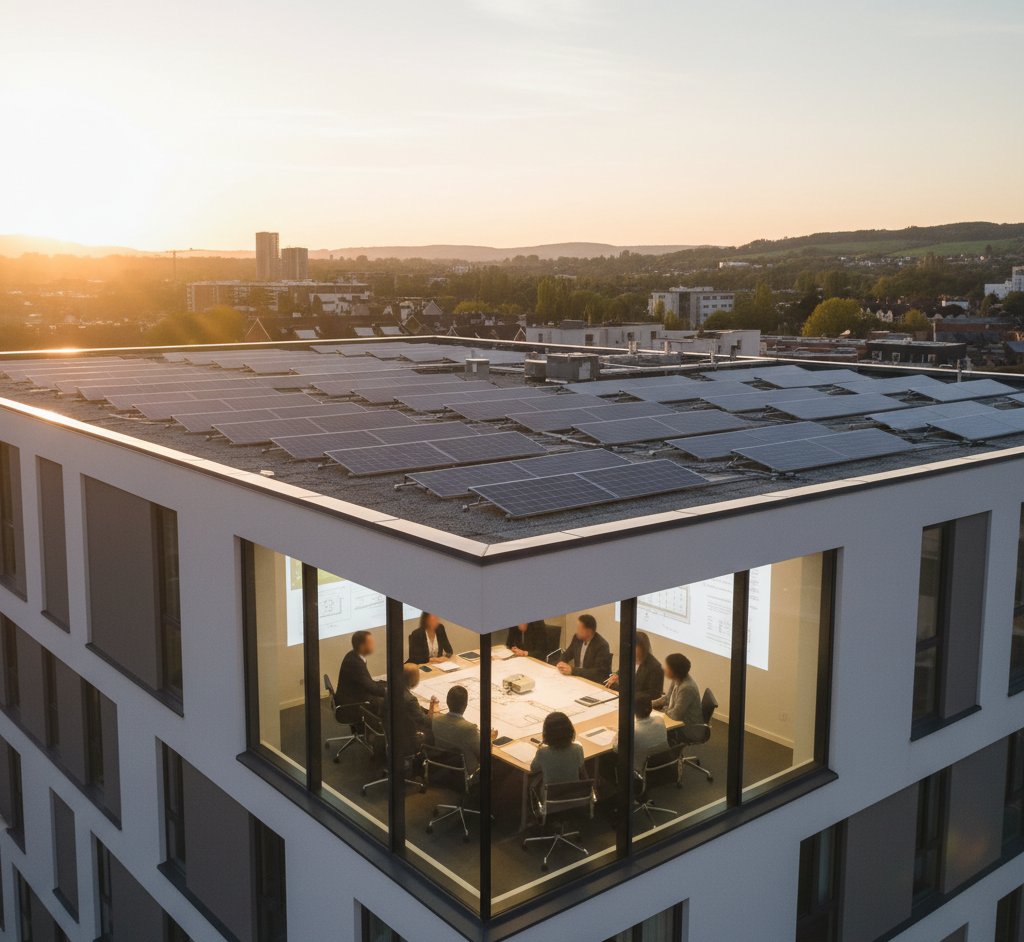
Owning a leasehold flat and wanting solar panels is frustrating. You own your home, you pay your bills, but the roof belongs to the freeholder. Here's how to navigate the permissions, what your options are, and when to try alternatives instead.
The Leasehold Problem
In England and Wales, most flats are leasehold. You own the flat (the interior) for the term of the lease, but the freeholder owns the building structure — including the roof, external walls, and communal areas.
This means:
- Roof access: The freeholder controls the roof. You can't install panels without permission.
- External alterations: Most leases prohibit external alterations without consent.
- Building insurance: The freeholder's buildings insurance must cover any additions.
- Structural concerns: The freeholder may worry about roof loading, waterproofing, and liability.
Checking Your Lease
Your first step is reading your lease carefully. Look for:
Alteration Clauses
Most leases have a clause covering alterations. Common wording includes:
- "Not to make any alteration to the exterior of the property" — this prohibits solar panels on the roof
- "Not to make alterations without the prior written consent of the landlord, such consent not to be unreasonably withheld" — this is better; the freeholder should consider your request fairly
- "Not to make structural alterations" — solar panels aren't structural, so this may not apply
The key phrase is "not to be unreasonably withheld." If your lease includes this, the freeholder must give genuine reasons for refusing permission, and those reasons must be reasonable.
Roof Access
Check whether you have any rights to access the roof. Some leases grant roof access; most don't. Without roof access rights, you'd be trespassing on the freeholder's property.
Common Parts
If the roof is a "common part" maintained through service charges, any modification affects all leaseholders. The freeholder may need to consult other leaseholders before granting permission.
Get Legal Advice If Unsure
Lease interpretation can be complex. If you're serious about installing solar and the lease terms aren't clear, £200–£400 for a leasehold solicitor's opinion could save you a dispute later. Many solicitors offer fixed-fee lease review services.
Approaching Your Freeholder
If your lease allows alterations with consent, here's how to approach the request:
Build the Case
Present solar installation as a benefit to the property:
- EPC improvement — the whole building's rating improves
- Property value — the flat (and building) becomes more valuable
- MEES compliance — if any flats are rented, solar helps meet minimum standards
- Carbon reduction — increasingly important for building management
Address Concerns
Freeholders typically worry about:
| Concern | Your Response |
|---|---|
| Roof damage | MCS-certified installer provides warranty; panels protect the roof underneath |
| Insurance | Standard buildings insurance covers solar; offer to cover any premium increase |
| Maintenance liability | The leaseholder maintains the panels; include this in the consent agreement |
| Other leaseholders' views | Canvass other leaseholders; shared support strengthens the case |
| Appearance | Modern all-black panels are visually discreet; show examples |
| Structural loading | Solar panels weigh 12–15 kg/m²; well within roof design limits |
Put It in Writing
Make a formal written request. Include:
- What you want to install (system size, panel type, layout)
- Who will install it (MCS-certified installer)
- How it will be maintained
- Confirmation you'll cover insurance costs
- Offer to sign a supplemental deed covering the installation
Be Patient
Freeholder consent can take weeks or months. Managing agents may need to consult the freeholder, check insurance, and possibly consult other leaseholders. Don't start any work without written consent.
Collective (Block-Wide) Installations
A stronger approach is to propose solar for the whole building:
Shared Roof System
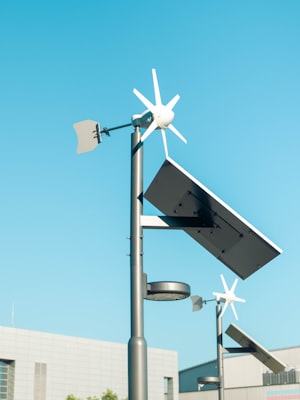
A single large system on the building roof, with electricity shared among all flats or used for communal areas (lighting, lifts, EV charging). This is more attractive to freeholders because:
- Larger system = better economics
- Benefits all leaseholders, reducing objections
- Can be part of a building improvement plan
- Improves the whole building's EPC
Resident Management Company
If leaseholders collectively own the freehold through a resident management company (RMC) or Right to Manage (RTM) company, you effectively control the decision. A majority vote can approve solar installation.
Government Support
The UK government has been encouraging collective solar installations on blocks of flats. Check current schemes through your local authority and the Energy Saving Trust.
Don't Install Without Permission
Installing solar panels without freeholder consent is a breach of your lease. The freeholder can require you to remove the panels at your expense and potentially pursue forfeiture of the lease (though this is extreme). Always get written consent first, however frustrating the process.
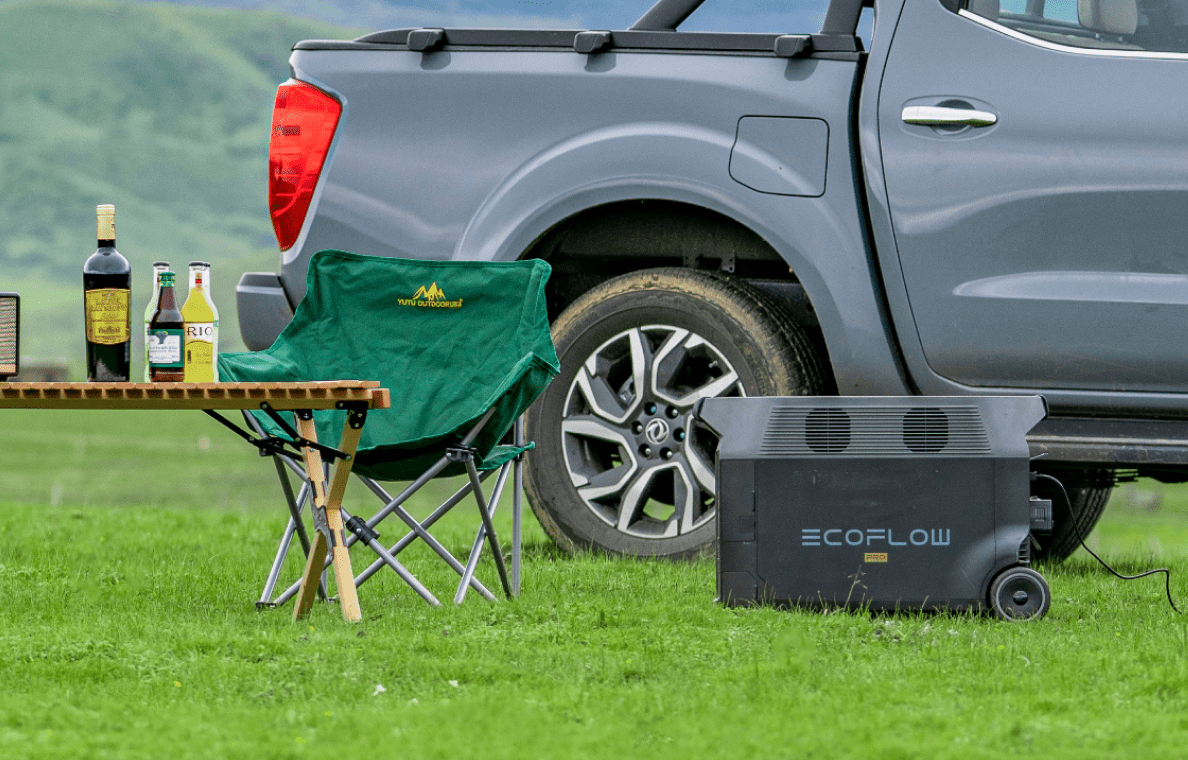
EcoFlow Delta Pro 3.6kWh Portable Power Station
£1,5003.6
3.4
LFP
3500
 View on EcoFlow UK
Affiliate link — we may earn a small commission at no extra cost to you
Alternatives That May Not Need Consent
If freeholder consent is impossible or impractical:
Balcony Solar Panels
Panels mounted on your balcony railing or standing on your balcony may fall outside the lease's alteration restrictions, depending on wording. They don't affect the building structure. Check your specific lease — some restrict any external modification including balcony changes.
See our balcony solar guide.
Plug-In Solar
A portable panel on your balcony or terrace with a plug-in microinverter involves no permanent modification. This is the least contentious option. Following the UK government's March 2026 announcement, plug-in solar under 800W is being formally legalised for direct mains connection without an electrician — making this an even more straightforward choice for leaseholders. See our plug-in solar guide.
Internal Solar (South-Facing Window)
Small panels in a south-facing window generate modest electricity (50–100 kWh/year per panel). Not practical for meaningful generation, but a token contribution.
Community Energy Investment
Invest in community solar projects and earn returns without touching your building. Returns of 3–6% are typical. Not the same as generating your own electricity, but a way to participate in solar.
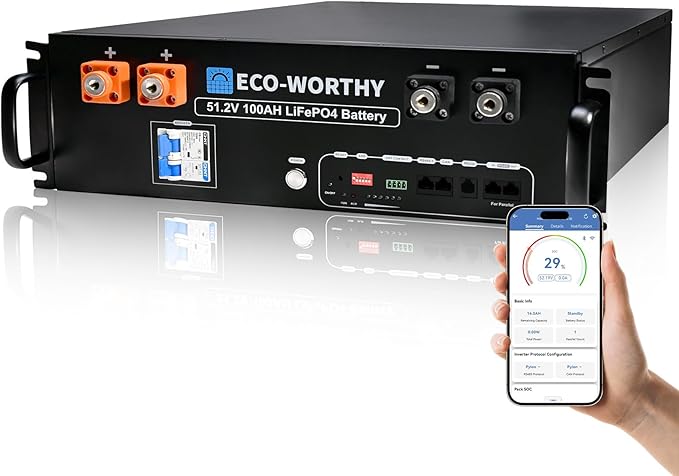
ECO-WORTHY 5.12kWh LiFePO4 Battery Module
£7005.12
4.9
LFP
4000
Affiliate link — we may earn a small commission at no extra cost to you
Leasehold Reform
UK leasehold reform is ongoing. The Leasehold and Freehold Reform Act (2024) aims to make it easier for leaseholders to manage their buildings and make improvements. Key relevant provisions:
- Easier Right to Manage (RTM) applications
- Reduced costs for collective enfranchisement
- Greater transparency from freeholders
As leasehold reform progresses, leaseholders should find it easier to gain approval for energy efficiency improvements including solar. The direction of travel is toward empowering leaseholders, but the pace is slow.
Practical Steps
- Read your lease — understand the specific alteration and consent clauses
- Talk to neighbours — a collective approach is more powerful
- Approach the freeholder — formal written request with supporting information
- Get multiple installer quotes — show the freeholder you're serious and prepared
- Consider alternatives — balcony or plug-in solar if roof access is impossible
- Seek legal advice — if consent is unreasonably refused
The leasehold solar journey is more complex than it should be, but it's not impossible. Thousands of UK leaseholders have successfully installed solar panels — it just requires more paperwork and patience than a freehold installation.
Share this article

OVO has carefully selected trusted teams across the UK to install solar panels and heat pumps. Enjoy the personal touch of a local expert with the peace of mind of a household name.
Affiliate link — we may earn a small commission at no extra cost to you
Stay informed
Get free solar updates direct to your inbox
Related reading
Balcony Solar Panels UK: A Practical Guide
Balcony solar panels for UK flats and apartments. What's possible, what's legal, how much they generate, and whether they're worth the investment in 2026.
Solar Options for Renters: What Can You Actually Do?
Solar energy options for UK renters. From portable panels to smart tariffs, here's what you can actually do to benefit from solar without owning your home.
How Much Do Solar Panels Cost in the UK in 2026?
Realistic UK solar panel costs broken down by system size, installation, and what actually affects the price you'll be quoted.


Switch to Octopus Energy
Get 50 credit when you switch. We get 50 too — win-win.
What does this mean for YOUR home?
Design your perfect solar setup in under 3 minutes. Free, no sign-up required.
Build Your Solar System