This page contains affiliate links. If you purchase through them we may earn a small commission at no extra cost to you. Learn more
Solar Options for Renters: What Can You Actually Do?
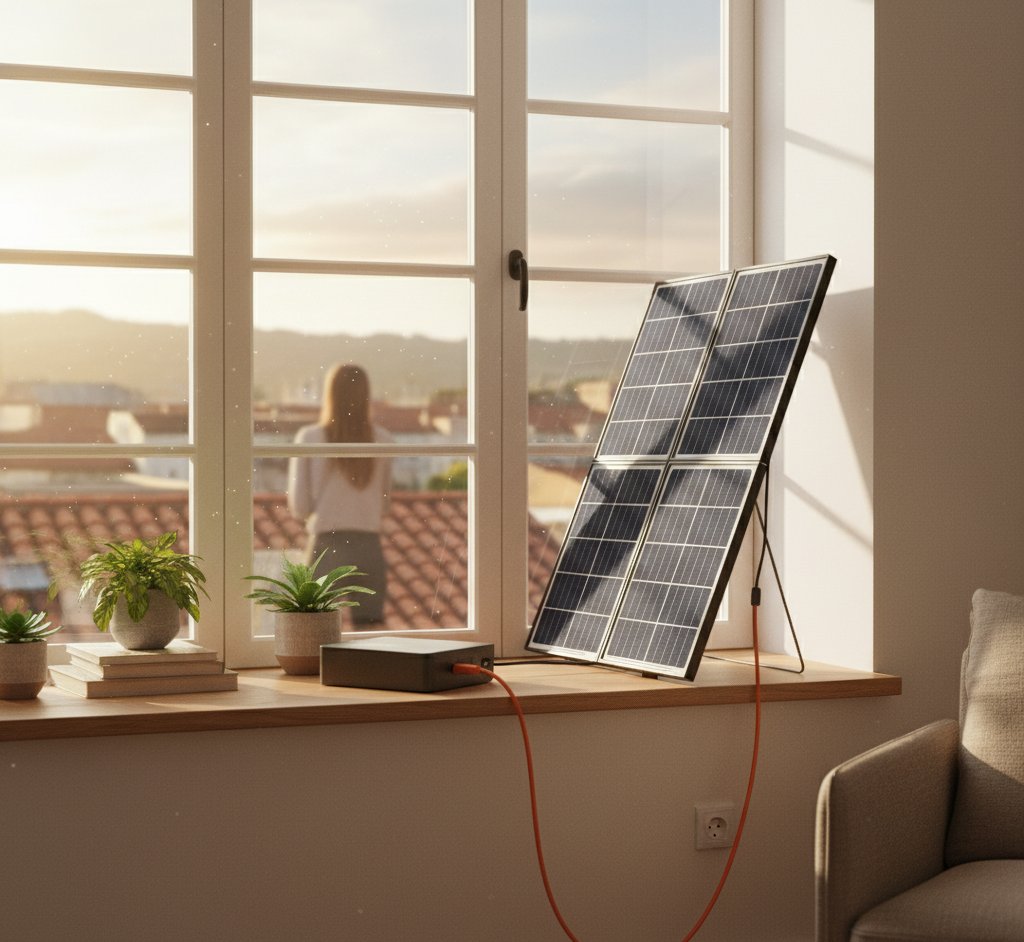
Renting doesn't mean you're locked out of solar energy. You can't bolt panels to your landlord's roof, but there are practical alternatives — from portable panels to community energy schemes — that give renters a genuine stake in solar.
Great News for Renters: March 2026 Government Announcement
The UK government announced in March 2026 that plug-in solar panels under 800W will be legally permitted for direct connection to domestic mains sockets — no electrician needed. For renters, this is a significant step forward: a portable plug-in panel requires no permanent modification, and the regulatory uncertainty that previously surrounded these systems has been resolved. Formal regulations and availability in shops are expected by summer 2026.
What Renters Can't Do
Let's be clear about the limitations:
- Roof-mounted solar: Requires landlord permission and is a permanent modification — very unlikely to be approved for a standard assured shorthold tenancy
- Battery storage: Fixed installation requiring electrical work — same problem
- Grid-connected systems: Need the bill-payer's cooperation and DNO notification
These options are off the table for most renters. But there's more you can do than you might think.
What Renters Can Do
1. Portable Solar Panels
If you have a garden, patio, or balcony with sunlight, portable panels generate usable electricity:
- Garden setup: A 200–400W folding panel on the grass generates 600–1,400 kWh/year
- Balcony setup: 1–2 panels on a railing generate 300–700 kWh/year
- Power station pairing: A portable battery (EcoFlow, Jackery) stores solar energy for evening use
Cost: £300–£800 for panels + power station Saving: £80–£200/year Portability: Take it with you when you move
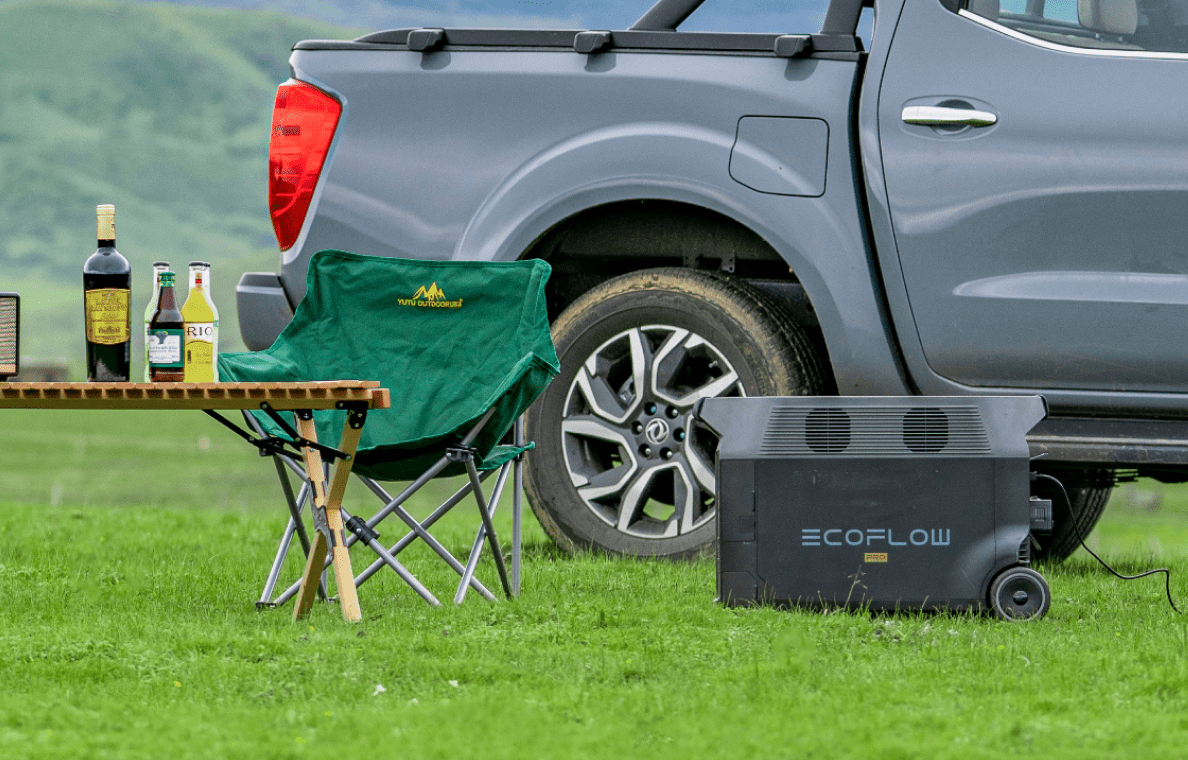
EcoFlow Delta Pro 3.6kWh Portable Power Station
£1,5003.6
3.4
LFP
3500
 View on EcoFlow UK
Affiliate link — we may earn a small commission at no extra cost to you
This won't power your whole flat, but it covers phone charging, laptop use, and small appliance loads. See our portable solar guide for more detail.
2. Plug-In Solar (With Landlord Agreement)
A plug-in solar panel with a microinverter feeds directly into a wall socket. This is a step up from portable panels:
- No permanent modification to the property
- Generates 300–700 kWh/year per panel
- Reduces your electricity bill directly
- You take it with you when you leave
You should get your landlord's agreement in writing, even though no permanent modification is involved. The panel sits outside; only a plug goes into a socket. Most reasonable landlords won't object.
See our plug-in solar guide for full details.
3. Smart Energy Tariffs
You don't need your own panels to benefit from solar energy on the grid. Smart tariffs price electricity based on supply and demand — when solar generation is high (sunny afternoons), prices drop.
Octopus Agile: Electricity prices change every 30 minutes based on wholesale market prices. On sunny days, prices can drop to 5p/kWh or even go negative (you get paid to use electricity). Shift your usage to these cheap periods.
Octopus Flux: If you had a battery, you'd benefit most. Without one, Agile is better for renters — just shift heavy usage (washing, cooking, charging) to cheap half-hours.
Savings: £100–£300/year compared to a standard variable tariff, with no equipment needed — just an app and willingness to be flexible.
Negative Pricing Events
On very sunny, windy days, wholesale electricity prices occasionally go negative on Octopus Agile. You literally get paid to use electricity during these periods. Run your washing machine, dishwasher, and charge everything you can. Free electricity events are rare but real — typically 5–15 days per year.
4. Ask Your Landlord
It's worth asking. Here's why a landlord might say yes:
- EPC improvement: Solar improves the property's EPC rating, helping meet MEES regulations
- Property value: Solar adds value to the property
- Tenant retention: Lower bills make tenants less likely to leave
- Green mortgages: Better EPC can unlock cheaper mortgage rates for the landlord
Frame the request in terms of the landlord's benefits, not yours. Offer to research installers and costs. Some landlords genuinely don't know that solar would benefit them.
If you're in a longer-term tenancy (3+ years) or have a good relationship with your landlord, the conversation is worth having. The worst they can say is no.
5. Community Energy Schemes
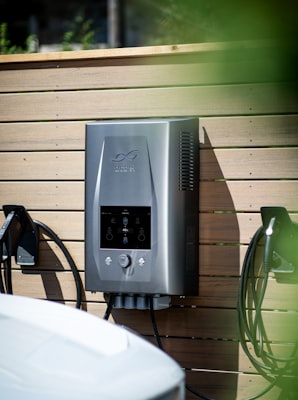
Community energy schemes let anyone invest in local solar (or wind) projects. You buy shares in a community-owned solar installation and receive a return based on the electricity generated.
How it works:
- You invest £250–£5,000+ in a community solar project
- The project generates electricity and earns revenue
- You receive an annual return (typically 3–6%)
- You may also get cheaper electricity if you live locally
UK community energy organisations:
- Community Energy England
- Community Energy Wales
- Community Energy Scotland
- Local schemes vary by area — search for community energy projects near you
This isn't the same as having panels on your roof, but it's a way to support and benefit from solar energy as a renter.
6. Green Energy Tariffs
Switching to a 100% renewable electricity tariff doesn't reduce your bills (they cost about the same as standard tariffs), but it means your electricity is matched by renewable generation on the grid. It's the simplest way to support solar energy as a renter.
Be aware: most "100% renewable" tariffs use REGO certificates (Renewable Energy Guarantees of Origin) to match supply. The actual electrons reaching your flat are the same grid mix as everyone else's. But the money goes toward renewable generators, which supports new solar and wind development.
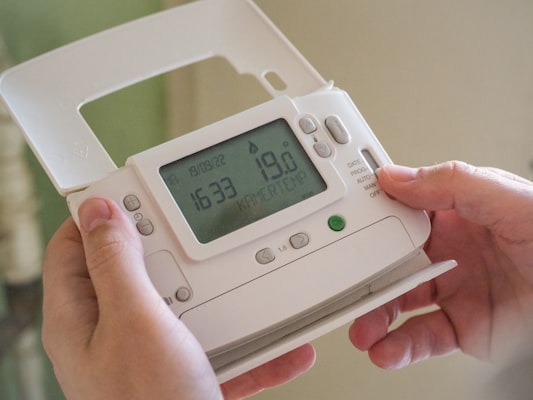
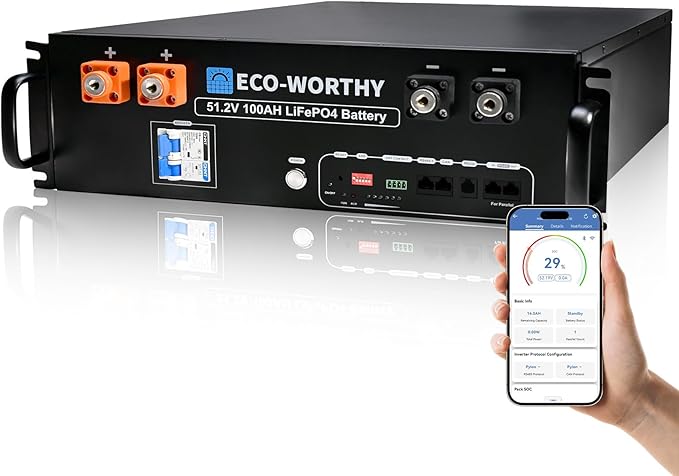
ECO-WORTHY 5.12kWh LiFePO4 Battery Module
£7005.12
4.9
LFP
4000
Affiliate link — we may earn a small commission at no extra cost to you
Making the Most of What You Have
Even without solar panels, you can dramatically reduce your electricity costs:
Switch to LED Lighting
If your rented home still has halogen or CFL bulbs, switching to LED reduces lighting electricity by 60–80%. Cost: £20–£50. Payback: weeks.
Use Smart Plugs and Timers
Avoid standby consumption on TVs, consoles, and chargers. A smart plug strip costs £15–£30 and can save £30–£60/year.
Shift Usage to Off-Peak
On any time-of-use tariff, running appliances overnight or during solar peaks saves money. A washing machine timer is free; the savings are real.
Improve Portable Insulation
Thermal curtains, draught excluders, and window film improve insulation without permanent modification. Reducing heating waste reduces your electricity bill if you use electric heating.
The Renter's Solar Hierarchy
From most impactful to least:
- Ask your landlord to install solar — biggest potential benefit, least likely
- Switch to a smart tariff (Octopus Agile) — significant savings, no equipment
- Get plug-in solar panels — real generation with landlord agreement
- Buy portable panels + power station — smaller but meaningful, fully portable
- Invest in community energy — support solar and earn returns
- Switch to a green tariff — supports renewables, no bill saving
Being a renter doesn't mean being powerless on energy. The options are more limited than for homeowners, but they're real — and they're growing as portable solar technology improves and smart tariffs become mainstream.
Share this article

OVO has carefully selected trusted teams across the UK to install solar panels and heat pumps. Enjoy the personal touch of a local expert with the peace of mind of a household name.
Affiliate link — we may earn a small commission at no extra cost to you
Stay informed
Get free solar updates direct to your inbox
Related reading
Balcony Solar Panels UK: A Practical Guide
Balcony solar panels for UK flats and apartments. What's possible, what's legal, how much they generate, and whether they're worth the investment in 2026.
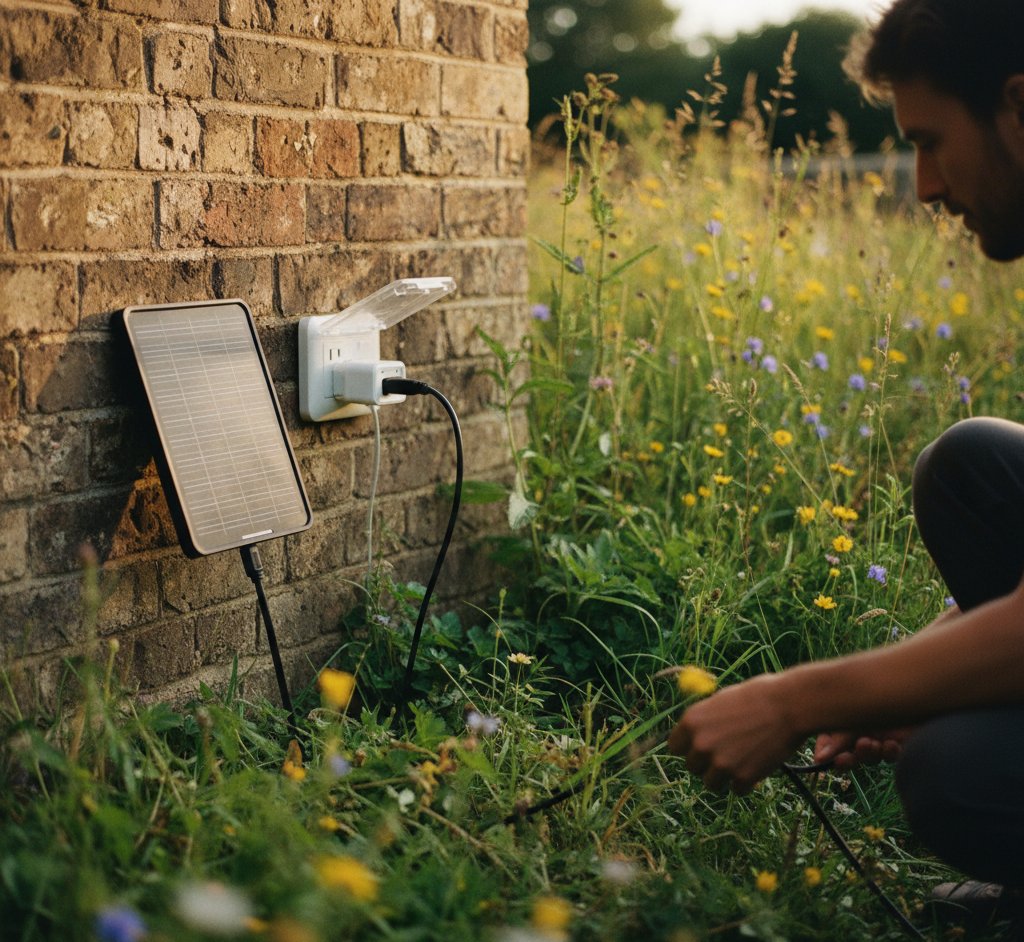
Plug-In Solar Panels: Grid-Tied Without an Installer?
Plug-in solar panels in the UK: can you really plug solar into a socket? What's legal, what works, and what the regulations actually say about DIY grid-tied solar.
Solar Panels as a Leaseholder: Permissions and Options
Can leaseholders install solar panels? UK leasehold permissions, freeholder consent, shared roof access, and practical alternatives for flat owners.


Switch to Octopus Energy
Get 50 credit when you switch. We get 50 too — win-win.
What does this mean for YOUR home?
Design your perfect solar setup in under 3 minutes. Free, no sign-up required.
Build Your Solar System