This page contains affiliate links. If you purchase through them we may earn a small commission at no extra cost to you. Learn more
Solar Panel Recycling: What Happens at End of Life?
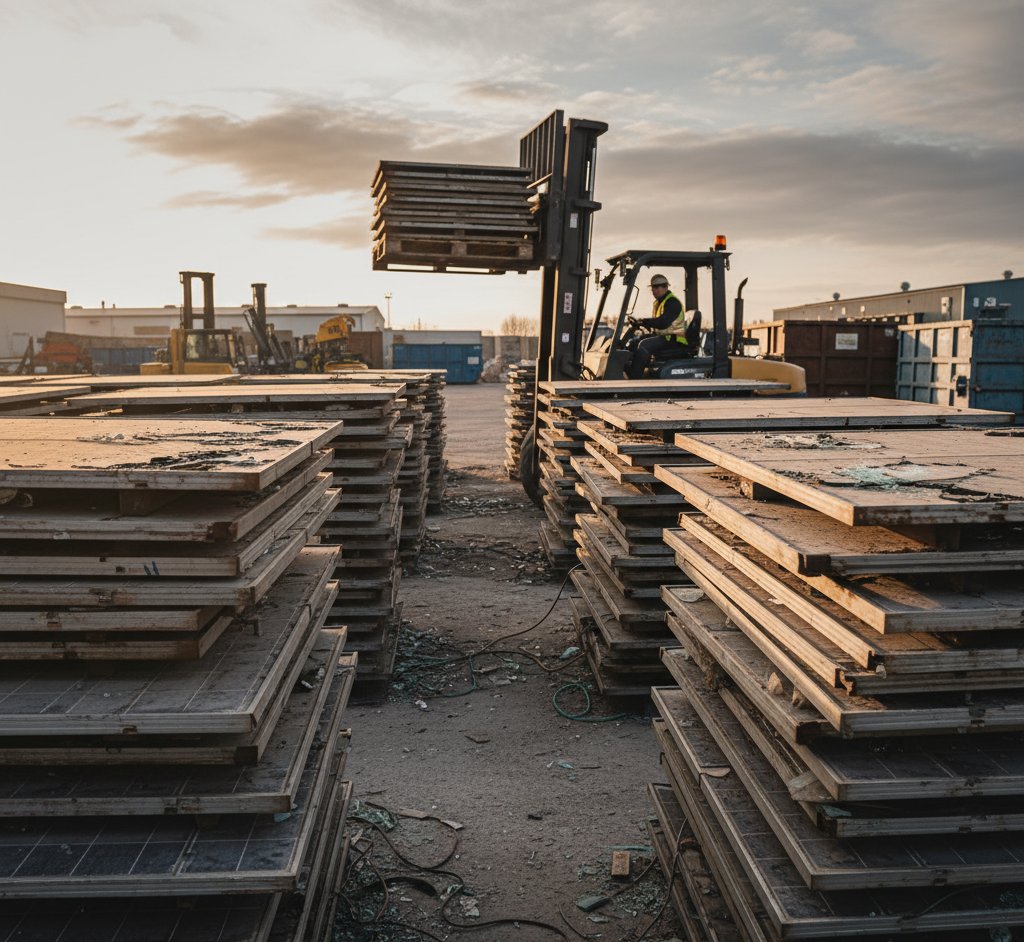
The end-of-life question
When solar panel sceptics look for objections, recycling often comes up: "What happens to millions of panels when they die? They'll end up in landfill."
The reality is more nuanced and significantly more positive than this suggests. Solar panels are highly recyclable, regulations require proper recycling, and the recycling industry is scaling rapidly to meet future demand.
What's in a solar panel?
A standard crystalline silicon solar panel contains:
| Material | Percentage by weight | Recyclable? |
|---|---|---|
| Glass (front sheet) | 75–80% | Yes — fully recyclable |
| Aluminium frame | 8–10% | Yes — high-value recyclable |
| EVA encapsulant | 5–7% | Partially (burned for energy or chemically recycled) |
| Silicon cells | 3–5% | Yes — recoverable |
| Copper wiring | 0.5–1% | Yes — high-value recyclable |
| Silver contacts | 0.05% | Yes — high-value recoverable |
| Back sheet (plastic) | 2–3% | Limited (some types recyclable) |
| Junction box | 1–2% | Yes — plastics and metals separated |
By weight, about 85–95% of a solar panel can be recovered and recycled. The most valuable materials — silver, copper, and high-purity silicon — have strong economic incentives for recovery.
How panels are recycled
Current process
- Collection and transport — panels are collected from installation sites and transported to a recycling facility
- Frame removal — the aluminium frame is removed (usually by machine) and sent to aluminium recycling
- Glass separation — the glass front sheet is separated, often by mechanical processes or thermal treatment
- Thermal processing — the panel is heated to 400–500°C to burn off the EVA encapsulant and back sheet, freeing the silicon cells
- Chemical treatment — silicon cells are treated with acid to separate the silicon from the silver and copper contacts
- Material recovery — glass, aluminium, silicon, copper, and silver are sent to their respective recycling streams
Emerging technologies
New recycling processes are being developed that improve recovery rates and reduce energy consumption:
- Mechanical delamination — using blades or rollers to separate layers without thermal treatment
- Chemical delamination — solvents that dissolve the EVA without damaging other materials
- Automated disassembly — robotic systems for faster, more efficient processing
- Silicon purification — recovering solar-grade silicon from old cells for use in new panels
UK regulations
WEEE Directive
Solar panels have been classified as WEEE in the UK since 2014 (originally under EU directive, retained post-Brexit). This means:
- Producers (manufacturers/importers) are responsible for funding collection and recycling of panels they sell
- Installers must not dispose of panels in general waste — they must use approved WEEE recycling channels
- Household consumers can return panels to designated collection points or arrange collection through their local authority's WEEE scheme
Producer compliance schemes
Panel manufacturers and importers must join a producer compliance scheme that funds recycling. The cost is typically built into the panel price — you're already paying for end-of-life recycling when you buy the panel.
Practical disposal routes
If you need to dispose of panels today (due to damage, upgrade, or system removal):
- Ask your installer — most will handle disposal as part of a removal/replacement job
- Contact the manufacturer — they can direct you to their approved recycling scheme
- Local authority WEEE recycling — some council recycling centres accept solar panels
- Specialist recyclers — companies like PV Cycle UK and various WEEE compliance schemes handle solar panel recycling
Don't bin panels in a skip
Solar panels must not go in general waste or construction skips. They contain small amounts of lead solder (in older panels) and other materials that shouldn't go to landfill. Disposal through proper WEEE channels is both a legal requirement and an environmental responsibility. Fines for improper WEEE disposal can be significant.
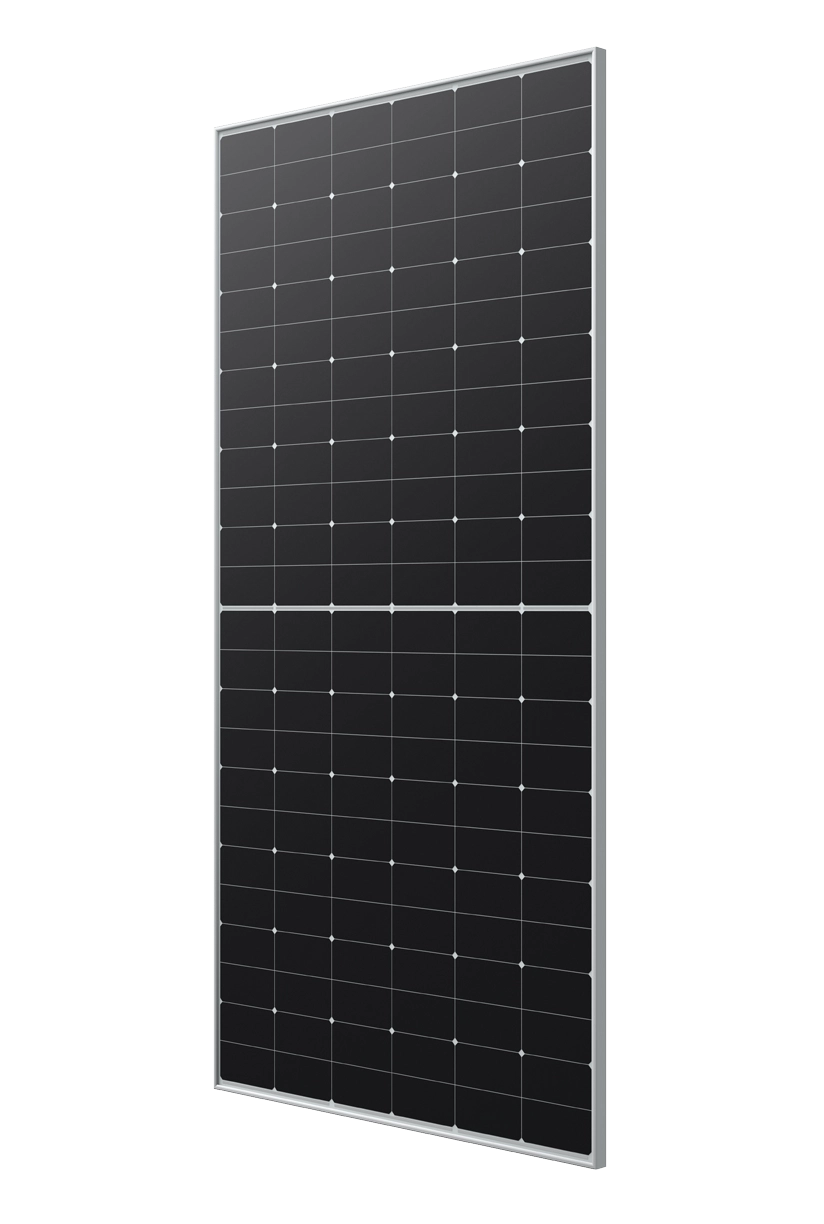
LONGi Hi-MO X6 450W
£85450
23
1722 x 1134 x 30
21.3
Affiliate link — we may earn a small commission at no extra cost to you
The scale of future recycling
The UK has installed over 15GW of solar capacity, with the largest wave of installations occurring during the Feed-in Tariff era (2010–2019). These panels have 20–25 year expected lifetimes, meaning:
- 2030–2035: First significant wave of panel retirements from early FiT installations
- 2035–2045: Larger volumes as the FiT boom-era panels reach end of life
- 2045+: Current generation panels start retiring
By 2040, the UK could be processing 100,000+ tonnes of retired panels annually. The recycling infrastructure needs to scale significantly — and it's starting to.
Several UK and European recycling facilities are expanding capacity, and the economic incentive to recover valuable materials (especially silver) makes solar recycling commercially viable, not just a regulatory burden.
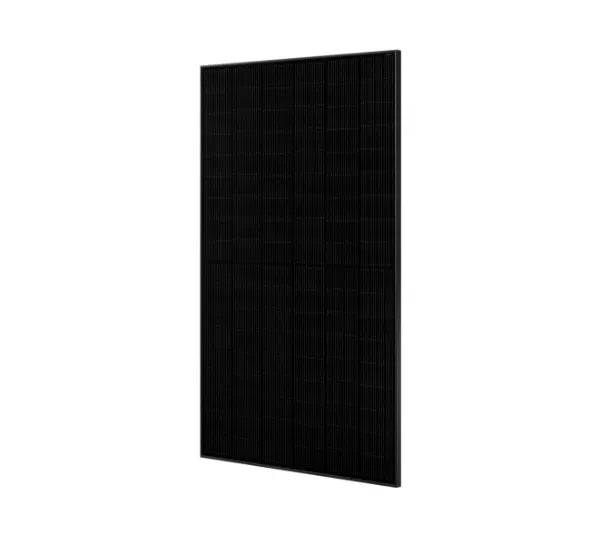
JA Solar JAM54D41 450W N-type TOPCon
£82450
22.8
1722 x 1134 x 30
21.5
Affiliate link — we may earn a small commission at no extra cost to you
The environmental balance
Lifecycle emissions
A solar panel's carbon footprint is almost entirely in manufacturing. Over a 25-year life generating clean electricity, a panel avoids far more carbon than was emitted in its production — typically 10–20 times more. Recycling at end of life further improves this ratio by recovering materials that would otherwise need virgin mining and processing.
Toxicity concerns
Modern crystalline silicon panels contain very small amounts of potentially hazardous materials (lead solder in cell connections, trace cadmium in some processes). These amounts are tiny and pose no risk during normal operation. Proper recycling ensures they're handled safely at end of life.
Thin-film panels (particularly cadmium telluride / CdTe) contain more significant amounts of cadmium, but manufacturers like First Solar have dedicated take-back and recycling programmes with very high recovery rates.
Landfill risk
The risk of panels ending up in landfill is real but manageable. Regulations require proper disposal, and the economic value of recovered materials provides a market incentive for recycling. The challenge is ensuring compliance — particularly for small-scale installations where homeowners might not know the proper disposal route.
Second-hand panels: buyer beware
A growing market exists for second-hand solar panels — removed from buildings being demolished, or replaced during system upgrades. These can be good value, but be cautious: panels without documentation may have degradation issues, no remaining warranty, and uncertain performance. Always test second-hand panels before installing, and ensure they meet current safety standards.
Should recycling concerns affect your decision?
No. Solar panels are:
- Highly recyclable (85–95% material recovery)
- Covered by regulations requiring proper end-of-life handling
- Less environmentally impactful than almost any other energy source over their lifetime
- Improving — newer panels use less lead, more recyclable materials, and manufacturing processes are becoming cleaner
The environmental case for solar panels is overwhelming, even accounting for end-of-life processing. Every kWh generated by your panels displaces a kWh that would otherwise come largely from natural gas — with its associated carbon emissions, air pollution, and resource extraction impacts.
Share this article

OVO has carefully selected trusted teams across the UK to install solar panels and heat pumps. Enjoy the personal touch of a local expert with the peace of mind of a household name.
Affiliate link — we may earn a small commission at no extra cost to you
Stay informed
Get free solar updates direct to your inbox
Related reading
How Long Do Solar Panels Last? The Honest Answer
Solar panels are rated for 25–30 years, but what does that actually mean? Degradation rates, warranty types, what happens after 25 years, and why inverters are the weak link.
Solar Panel Maintenance: What's Actually Needed?
The honest guide to solar panel maintenance in the UK — spoiler: it's less than you think. What you actually need to do, and what you can safely skip.
Solar Panel Warranty Claims: How the Process Works
How to make a solar panel or inverter warranty claim in the UK. What's covered, who to contact, common issues, and how to avoid claim rejection.


Switch to Octopus Energy
Get 50 credit when you switch. We get 50 too — win-win.
What does this mean for YOUR home?
Design your perfect solar setup in under 3 minutes. Free, no sign-up required.
Build Your Solar System