This page contains affiliate links. If you purchase through them we may earn a small commission at no extra cost to you. Learn more
Structural Surveys for Solar: Does Your Roof Need One?
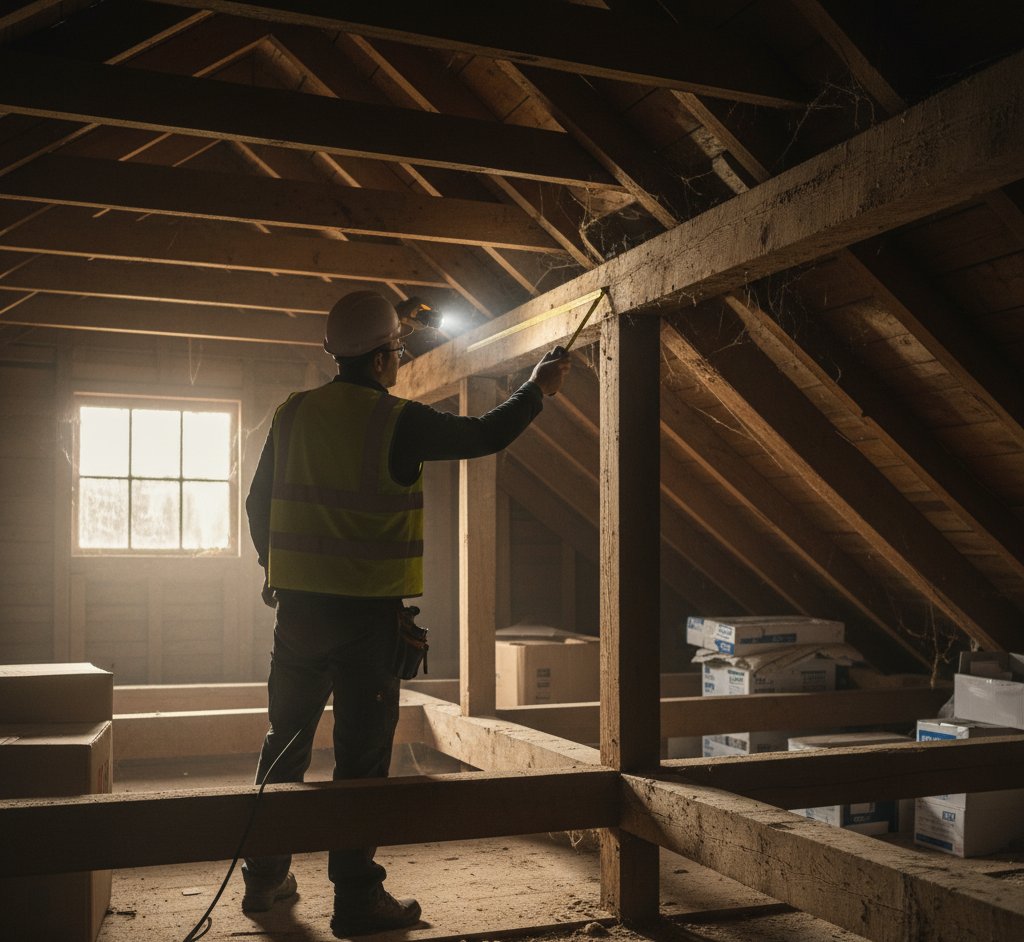
Most roofs in the UK can support solar panels without any structural concerns. But some roof types, ages, and conditions warrant a structural check before installation. Here's when you need a survey, what it involves, and how much it costs.
Do Solar Panels Add Much Weight?
A standard solar panel weighs approximately 20–22kg. A typical 10-panel system adds around 200–220kg to your roof, plus 20–30kg for the mounting system. Total: roughly 230–250kg spread across 17–20m² of roof area.
That works out to approximately 12–15 kg per square metre — comparable to a light snowfall. For context:
- UK roof design typically accounts for snow loads of 40–60 kg/m²
- Standard concrete roof tiles weigh 40–50 kg/m²
- Slate weighs 25–35 kg/m²
In most cases, solar panels add a modest load well within the roof's design capacity. The concern arises with roofs that are already at or near their limit, or have deteriorated.
When You Probably DON'T Need a Structural Survey
- Post-1960s houses with standard pitched roofs — Built to modern standards with adequate timber sizes
- Concrete tile or slate roofs in good condition — Already carrying significant weight
- Properties that have passed a recent building survey (within 5 years) with no structural concerns flagged
When You Probably DO Need One
Older Properties (Pre-1930s)
Older homes may have undersized rafters, irregular construction, or timber that has weakened over decades. A structural survey confirms the roof can handle the additional load.
Flat Roofs
Flat roofs are designed to carry their own weight plus a modest live load. Adding ballasted solar panels introduces significant weight — 15–25 kg/m² with ballast blocks. A structural check is strongly advisable.
Lightweight Roof Construction
Some buildings use lightweight purlins, thin rafters, or prefabricated truss systems that have limited spare capacity:
- Corrugated metal roofs (garages, farm buildings)
- Lightweight timber-frame construction
- Conservatory roofs
- Prefabricated concrete garages
Roofs with Known Issues
If you're aware of:
- Previous roof sagging or deflection
- Woodworm or rot in roof timbers
- Removed or modified structural supports (e.g., during a loft conversion)
- Overloaded lofts with heavy storage on the ceiling joists
Loft Conversions
If your roof has been converted to living space, the structural modification may have changed load paths. A survey confirms the converted roof can carry panels.
Large Systems
Systems above 5kW (typically 12+ panels) concentrate more weight on the roof structure. For systems of 6kW+ or where panels cover most of the roof area, a structural check provides confidence.
Your Installer Should Advise
A reputable solar installer assesses roof suitability as part of their survey. They're not structural engineers, but they should be able to identify obvious concerns (sagging, damaged timbers, lightweight construction) and recommend a structural survey when appropriate. If your installer doesn't even look at your roof structure, that's a concern.
What Does a Structural Survey Involve?
A structural survey for solar is typically a focused assessment, not a full building survey:
- Visual inspection of the roof structure from inside the loft (rafter sizes, spacings, condition, bracing)
- Assessment of load-bearing capacity — calculating whether the existing structure can support the additional panel weight
- Checking for defects — rot, woodworm, movement, previous modifications
- Review of the proposed panel layout — confirming that mounting points align with structural members
- Written report — confirming suitability or recommending remedial work
The surveyor typically needs loft access. The inspection takes 1–2 hours for a standard property.
How Much Does It Cost?
| Survey Type | Typical Cost |
|---|---|
| Focused structural assessment for solar | £200–400 |
| Full structural survey (if wider concerns) | £400–800 |
| Structural engineer's calculation only (desk-based) | £150–300 |
Some solar installers include a basic structural assessment in their survey cost. Others refer you to an independent structural engineer. Ask about this when getting quotes.
Don't Skip It If Recommended
If your installer recommends a structural survey, take it seriously. Installing solar panels on a roof that can't support them risks structural damage, roof failure, and invalidated insurance. The survey cost (£200–400) is trivial compared to the potential consequences.
What If the Survey Finds Problems?
If the structural survey identifies issues, common remedial options include:
- Additional supports — Sister rafters (bolting additional timber alongside existing rafters) to increase load capacity. Typical cost: £300–800
- Rafter replacement — Replacing damaged or undersized rafters. More expensive and disruptive
- Roof truss reinforcement — Strengthening truss connections or adding additional members
- Reducing panel count — Installing fewer panels to keep within the roof's capacity
- Alternative mounting — Using a different part of the roof, or considering ground-mounted panels instead
In most cases, reinforcement is straightforward and relatively inexpensive compared to the cost of the solar system itself.
Roof Condition vs Roof Structure
A structural survey assesses whether the roof can physically support the weight. Separately, the roof surface must be in good condition:
- Tiles or slates should be intact and secure
- Felt or membrane underneath should be sound
- Ridge tiles should be mortared properly
- Flashings should be watertight
If your roof covering needs replacement in the next 5–10 years, it's better to re-roof before installing solar. Removing and re-installing solar panels to re-roof later adds significant cost (£1,000–2,000 for the panel work alone).
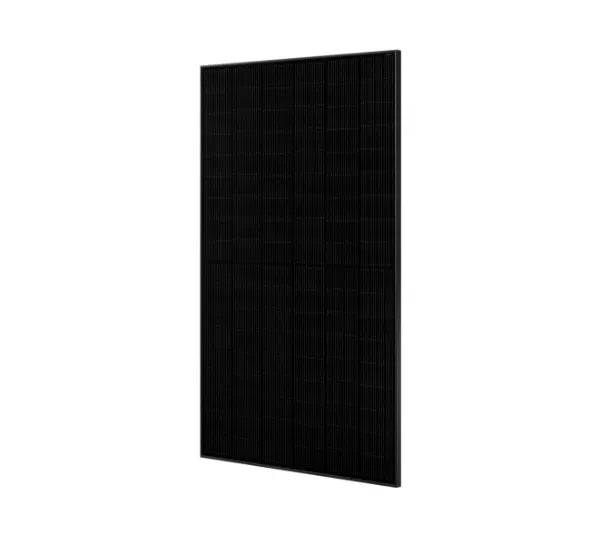
JA Solar JAM54D41 450W N-type TOPCon
£82450
22.8
1722 x 1134 x 30
21.5
Affiliate link — we may earn a small commission at no extra cost to you
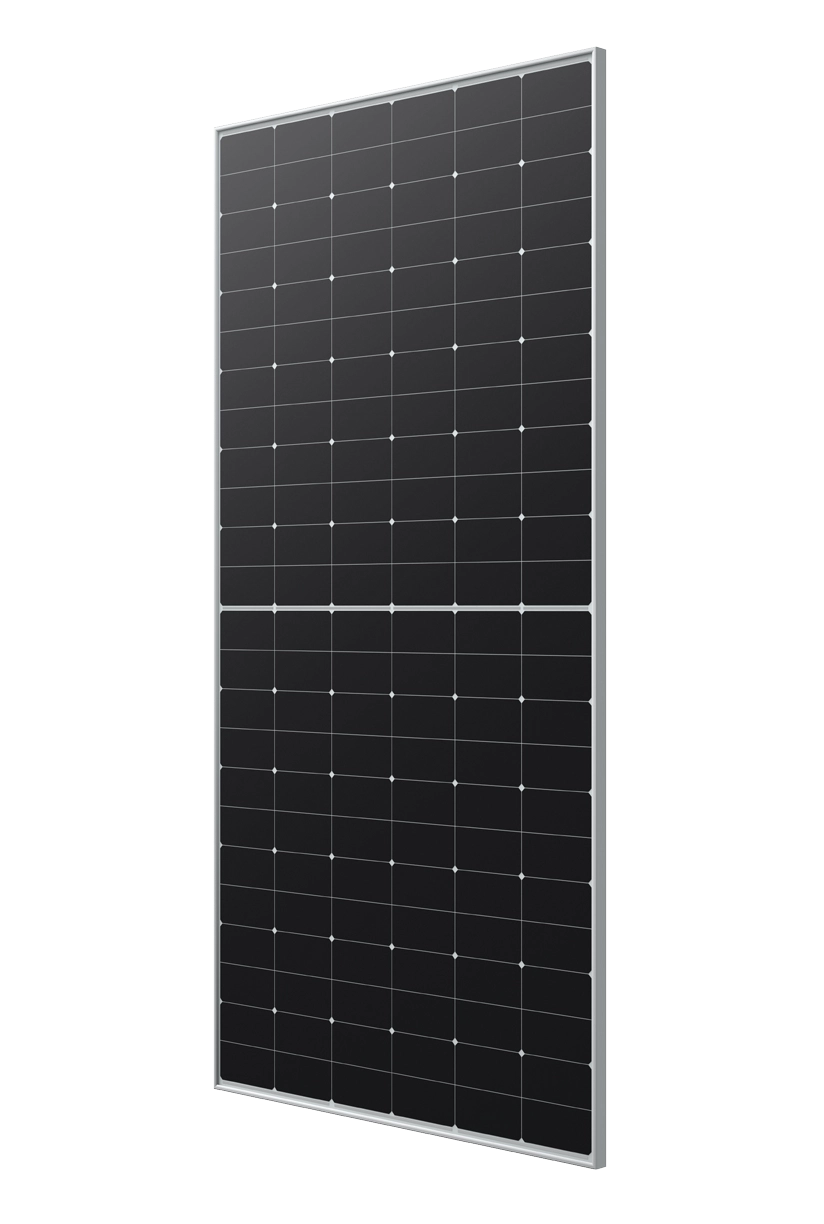
LONGi Hi-MO X6 450W
£85450
23
1722 x 1134 x 30
21.3
Affiliate link — we may earn a small commission at no extra cost to you
Insurance Implications
Most home insurance policies cover solar panels as a standard addition. However, if a structural survey was recommended and you didn't get one, and the roof subsequently suffers damage, your insurer might argue that you failed to take reasonable precautions. Getting the survey — and keeping the report — protects you.
Share this article

OVO has carefully selected trusted teams across the UK to install solar panels and heat pumps. Enjoy the personal touch of a local expert with the peace of mind of a household name.
Affiliate link — we may earn a small commission at no extra cost to you
Stay informed
Get free solar updates direct to your inbox
Related reading

Is My Roof Suitable for Solar Panels?
Find out if your roof can take solar panels — covering direction, angle, shading, structural condition, and options for tricky roofs.
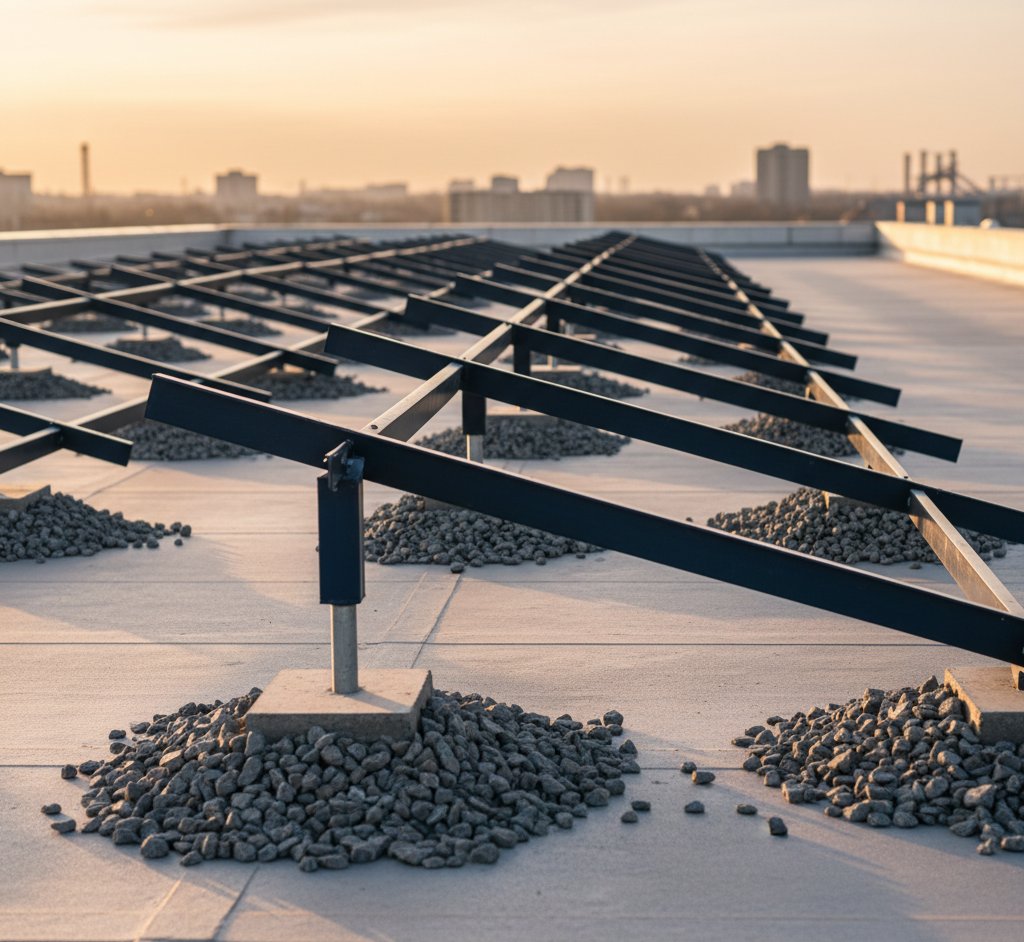
Solar Panels on a Flat Roof: Mounting, Costs and Planning
Flat roof solar in the UK — ballasted vs frame-mounted systems, optimal tilt angle, planning permission, costs vs pitched roof, and pros and cons.
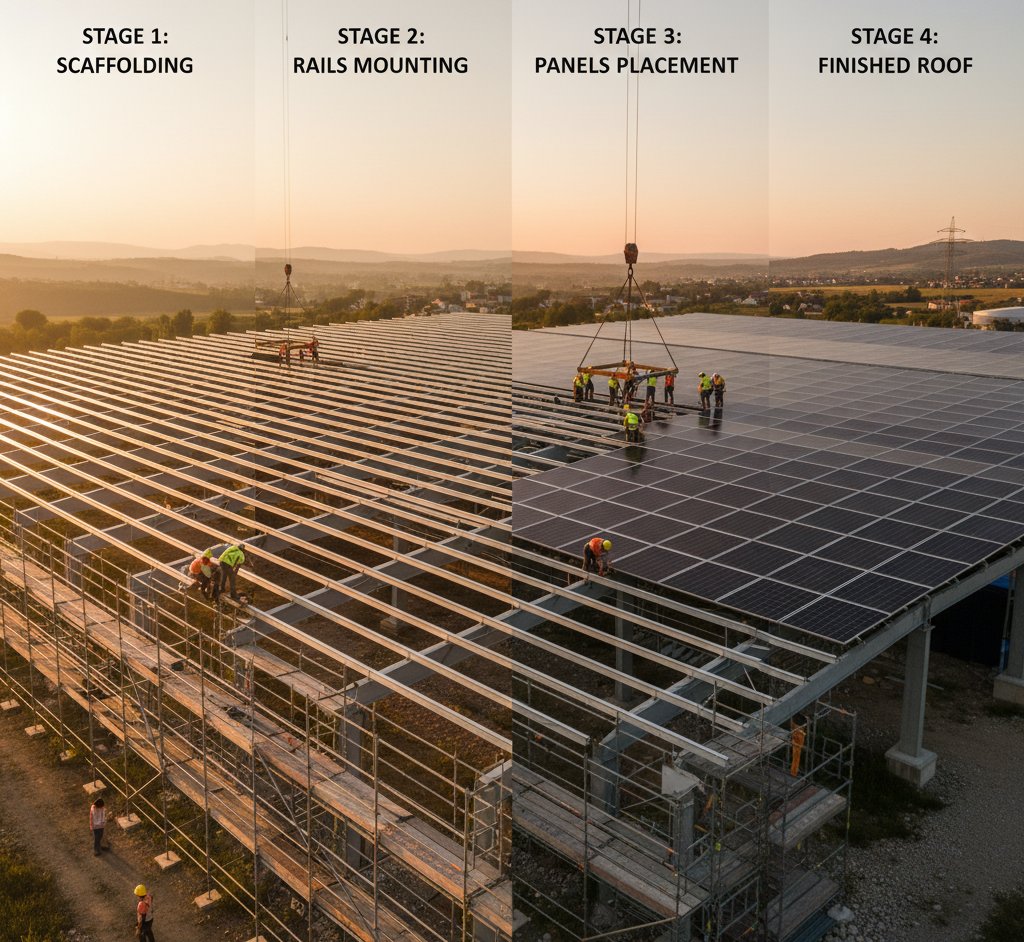
The Solar Panel Installation Process: Step by Step
What happens during a solar panel installation from first quote to switch-on. A step-by-step guide to the UK solar installation process for homeowners.


Switch to Octopus Energy
Get 50 credit when you switch. We get 50 too — win-win.
What does this mean for YOUR home?
Design your perfect solar setup in under 3 minutes. Free, no sign-up required.
Build Your Solar System