This page contains affiliate links. If you purchase through them we may earn a small commission at no extra cost to you. Learn more
Three-Phase vs Single-Phase: What It Means for Solar
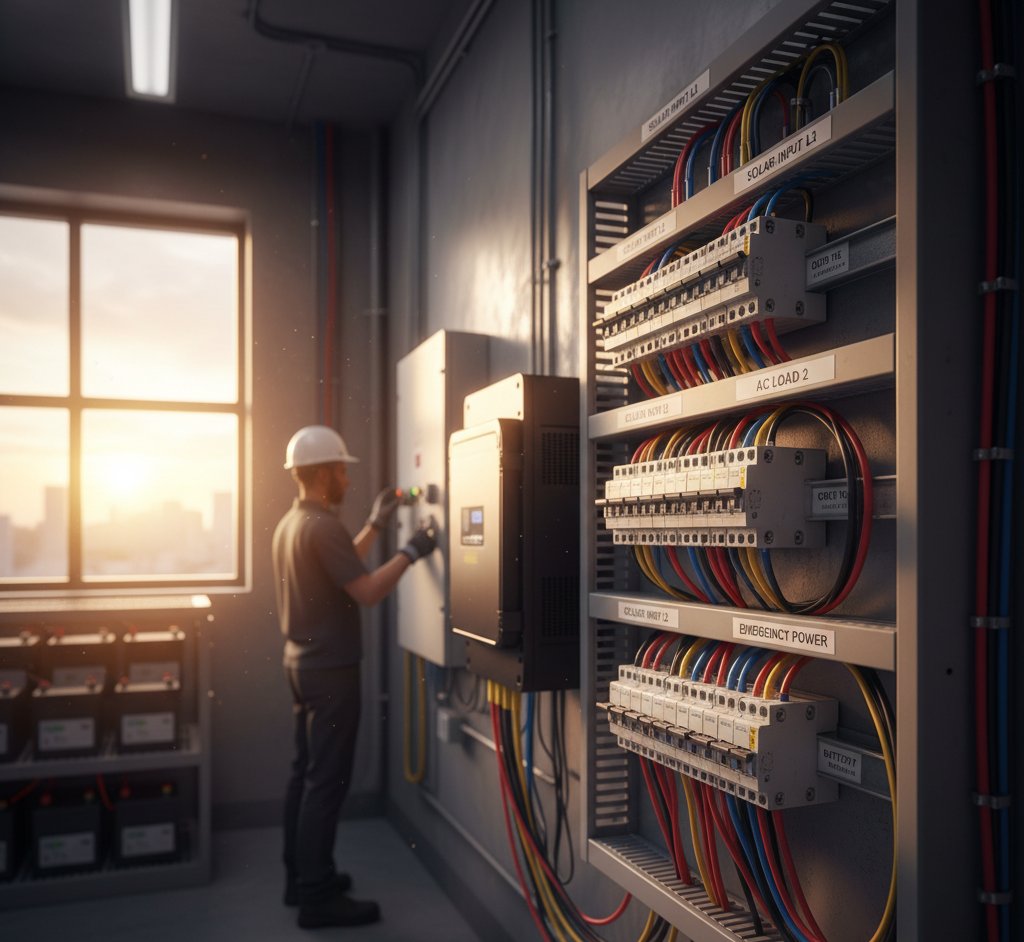
Single-phase vs three-phase: the basics
Most UK homes receive electricity via a single-phase supply. One live wire, one neutral wire, delivering 230V. This powers everything in a typical home — lights, appliances, heating, and a standard 7kW EV charger.
Three-phase supplies use three live wires (plus neutral), each carrying 230V but offset from each other. This provides 400V between phases and effectively triples the available power capacity.
In simple terms:
- Single-phase: One pipe feeding your house. Adequate for most homes.
- Three-phase: Three pipes feeding your house. More capacity, better for heavy loads.
Which supply do you have?
Signs you're on single-phase:
- One main fuse/cutout at your meter point
- A standard consumer unit (fuse box) with a single main switch
- Your main fuse is rated 60A, 80A, or 100A
Signs you're on three-phase:
- Three main fuses/cutouts at your meter point
- A three-phase consumer unit or three separate consumer units
- You might have been told by an electrician
If you're unsure, look at your electricity meter and the cable entering your property. A single thick cable suggests single-phase; three cables or one thick cable splitting into three at the cutout suggests three-phase.
Three-phase is more common in:
- Larger detached homes
- Rural properties (some areas were wired three-phase historically)
- Properties with workshops, pools, or commercial equipment
- New-build developments designed for high electrical loads
What does it mean for solar panels?
System size
On a single-phase supply, you can install solar systems up to about 16kWp under G98 (simplified DNO notification). However, single-phase inverters are typically limited to 3.6kW–6kW per unit. For larger systems, you'd need multiple single-phase inverters or a three-phase inverter.
On three-phase, you can install larger systems more elegantly. A single three-phase inverter can handle 5–15kW+, distributing generation evenly across all three phases.
Inverter selection
Single-phase inverters:
- Most common for UK residential solar
- Brands: GivEnergy 5kW, SolaX, Solis, Fox ESS
- Output limited to one phase
- Cheaper and simpler to install
Three-phase inverters:
- Required if you have three-phase supply and want balanced generation
- Brands: GivEnergy, SMA Sunny Tripower, Fronius Symo, Huawei SUN2000
- Distribute generation across all three phases
- Slightly more expensive but more efficient for larger systems
G98 vs G99 matters here
Systems up to 3.68kW per phase on a single-phase supply (or 11.04kW total on three-phase) fall under G98 — simplified notification to your DNO. Larger systems require G99 application and formal approval, which takes longer and may involve DNO upgrades to your connection. Check with your installer before specifying a large system.
Three-phase and EV charging
This is where three-phase really shines for EV owners:
Single-phase EV charging: Maximum 7.4kW (32A × 230V). A typical EV adds about 25–30 miles of range per hour of charging.
Three-phase EV charging: Maximum 22kW (32A × 400V). Adds about 75–90 miles of range per hour of charging. The Myenergi Zappi is available in both 7kW and 22kW versions.
Three-phase charging is three times faster. For households with multiple EVs, long daily commutes, or commercial use, the difference is significant.
However, not all EVs can accept 22kW AC charging. Many are limited to 7kW or 11kW on-board AC charging regardless of your supply. Check your vehicle's specifications before investing in a 22kW charger.
Three-phase and heat pumps
Air source heat pumps for larger homes (12kW+) often require or benefit from a three-phase supply. The compressor draws significant startup current that can cause voltage dips on a single-phase supply, potentially affecting other equipment.
If you're planning solar + heat pump + EV charging, three-phase provides the headroom to run everything without tripping breakers or causing supply issues. The combined demand of a heat pump (3–12kW), EV charger (7kW), and household (3–5kW) can easily exceed a single-phase supply's capacity.
Single-phase capacity limits matter
A 100A single-phase supply provides about 23kW of capacity. If you're running a 7kW EV charger, a 3kW immersion heater, a 2kW oven, and a 3kW heat pump simultaneously — that's 15kW, leaving limited headroom. Add a solar inverter exporting 5kW and the maths gets tight. Load balancing can help, but three-phase provides a fundamental solution.
Should you upgrade to three-phase?

When upgrading makes sense
- You're installing a large solar system (6kWp+)
- You want 22kW EV charging
- You have or are installing a large heat pump
- You regularly trip your main breaker due to high loads
- You're doing major electrical work anyway (renovation, new build)
When single-phase is fine
- Solar system under 5kWp
- One EV with overnight charging (7kW is plenty if you charge for 6+ hours)
- No heat pump or a small one
- Typical household electrical demand
The upgrade process
- Apply to your DNO (Distribution Network Operator — UK Power Networks, Western Power, etc.)
- DNO assessment — they check whether three-phase is available at your location. In most urban areas, three-phase is available on the street; it's a matter of connecting to it.
- Quotation — the DNO quotes for the connection work. Costs vary:
- Simple upgrade (cable available nearby): £1,000–£2,000
- Moderate work (new cable run needed): £2,000–£4,000
- Complex (significant infrastructure): £4,000–£10,000+
- Installation — the DNO runs the three-phase supply to your property, installs a new meter, and provides a three-phase connection
- Rewiring — your electrician upgrades your consumer unit and distributes circuits across the three phases
The whole process typically takes 2–6 months, with most of the delay in the DNO scheduling the work.

Three-phase solar + battery systems
Several hybrid inverter and battery systems are designed for three-phase:
- GivEnergy three-phase hybrid — integrates solar, battery, and three-phase power management
- SMA Sunny Tripower + Home Manager — excellent three-phase solar management
- Fronius Symo GEN24 — three-phase hybrid with battery support
- Huawei SUN2000 three-phase — popular in larger residential and commercial installations
These systems balance solar generation across all three phases, ensure export limits are met per phase, and manage battery charge/discharge efficiently.
Phase balancing: an important detail
On a three-phase supply, each phase should carry roughly equal load. Significant imbalance (one phase heavily loaded, others light) can cause issues:
- Voltage imbalance affecting sensitive equipment
- Reduced overall capacity
- Higher losses
Your electrician should distribute circuits across phases: heavy loads (cooker, EV charger, heat pump) spread between phases, lighter loads (lighting, sockets) split evenly.
Solar generation should also be balanced. A three-phase inverter does this automatically. If you use single-phase inverters on a three-phase supply, you'll generate on one phase only — creating an imbalance that some DNOs object to for larger systems.
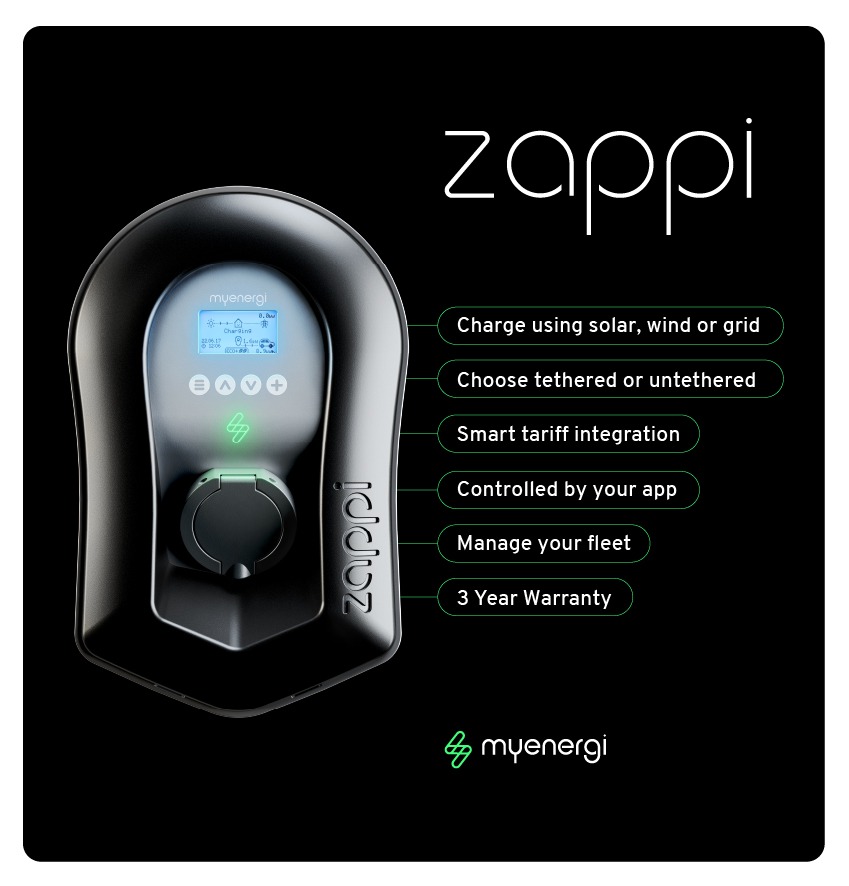
myenergi Zappi 22kW EV Charger
£78022
7.4
22
fast,eco,eco_plus
Affiliate link — we may earn a small commission at no extra cost to you
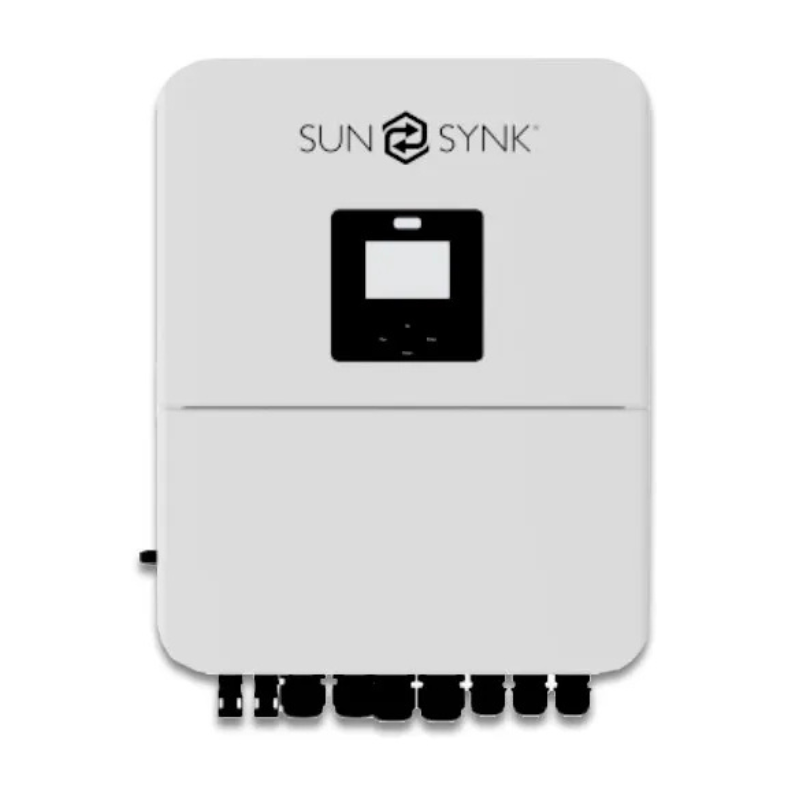
SunSynk 5kW Hybrid Inverter
£1,1505
7.5
2
48V
Affiliate link — we may earn a small commission at no extra cost to you
The bottom line
For most UK homes with a standard solar installation (3–5kWp) and one EV, single-phase is perfectly adequate. The 7kW charging speed is plenty for overnight charging, and standard hybrid inverters handle the solar generation efficiently.
Three-phase becomes valuable when you're pushing the boundaries: large solar arrays, multiple EVs, heat pumps, or simply want future-proofing for an increasingly electric home. If you're already planning significant electrical work, the marginal cost of going three-phase is often worth it for the flexibility it provides.
Share this article

Leading UK provider of electric car charging cables and EV accessories. Cables for all UK and EU models, with fast delivery and expert support.
Affiliate link — we may earn a small commission at no extra cost to you
Stay informed
Get free solar updates direct to your inbox
Related reading
Solar Inverters Explained: Types, Sizing, and Real-World Limits
String, micro, and hybrid inverters explained clearly — plus the critical G98/G99 threshold at 3.68kW and what it means for what you can run simultaneously.

EV Charger Load Balancing with Solar
How EV charger load balancing works with UK solar systems — dynamic load management, avoiding blown fuses, and charging multiple EVs from one supply.
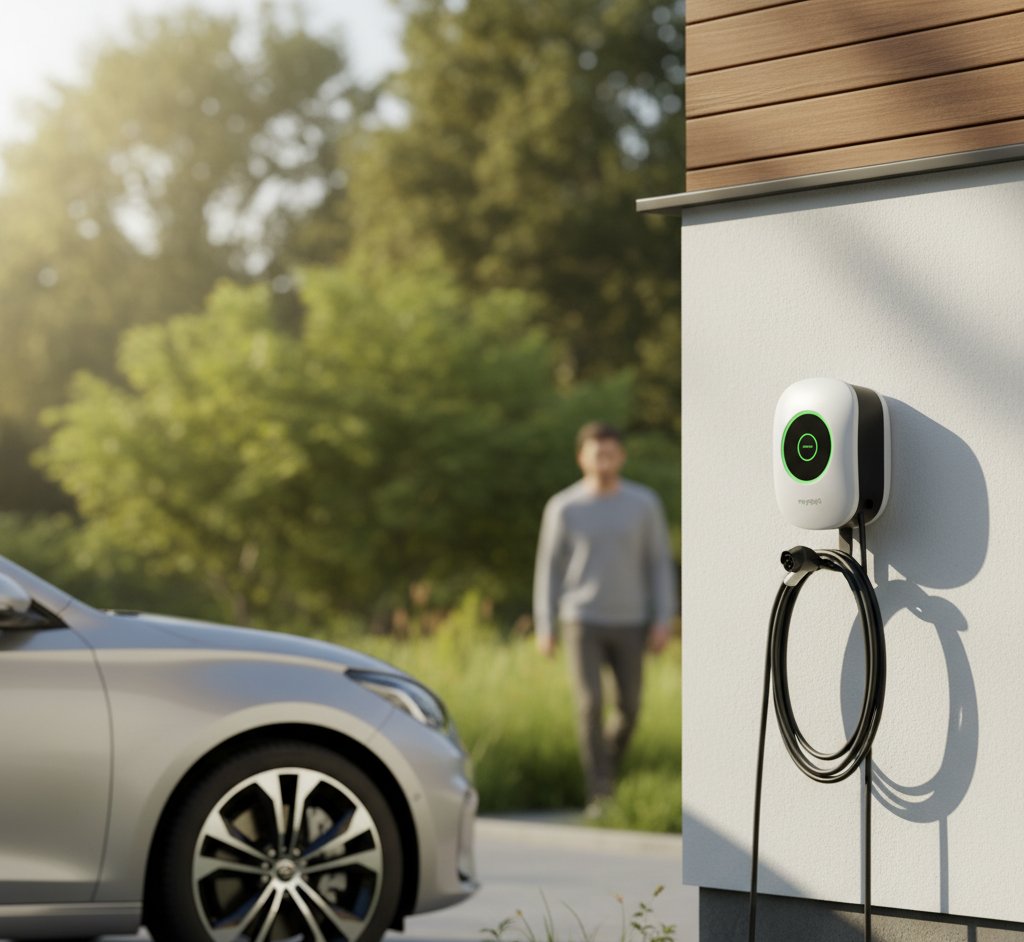
Myenergi Zappi: The Solar EV Charger
In-depth review of the Myenergi Zappi EV charger for UK solar homes — solar charging modes, installation, costs, and how it compares to standard chargers.


Switch to Octopus Energy
Get 50 credit when you switch. We get 50 too — win-win.
What does this mean for YOUR home?
Design your perfect solar setup in under 3 minutes. Free, no sign-up required.
Build Your Solar System