This page contains affiliate links. If you purchase through them we may earn a small commission at no extra cost to you. Learn more
Virtual Power Plants: Your Battery in the Grid

What is a virtual power plant?
A virtual power plant is a network of distributed energy resources — typically home batteries, but sometimes also EV chargers and smart appliances — coordinated by a central platform to behave like a single, large power station.
Instead of building a gas peaker plant to handle spikes in electricity demand, the grid operator can call on 50,000 home batteries to each discharge 2kW simultaneously. That's 100MW of capacity — equivalent to a small power station — without a single turbine.
For homeowners, VPPs represent an opportunity to earn money from a battery that might otherwise sit idle during certain hours. For the grid, they're a cheaper, cleaner alternative to fossil fuel backup generation.
How it works in practice
- You enrol your battery through your battery manufacturer's app or a third-party aggregator
- The VPP platform monitors grid conditions — frequency, demand, wholesale prices
- When needed, the platform sends a signal to your battery to charge or discharge
- You get paid based on the energy provided or the capacity made available
The grid services your battery might provide include:
- Frequency response — the grid must stay at exactly 50Hz. If frequency drops (demand exceeds supply), your battery discharges a burst of power to help stabilise it. These events are short (seconds to minutes) but valuable.
- Demand turn-up/turn-down — National Grid ESO asks for batteries to absorb or release power during predicted demand peaks.
- Wholesale arbitrage — the platform charges your battery when grid electricity is cheap and discharges when it's expensive, splitting the profit with you.
- Capacity market — being available to discharge during winter peak demand periods, even if you're not actually called upon.
UK VPP schemes in 2026
Tesla Energy Plan / Tesla Electric
Tesla's VPP offering is the most well-known in the UK. Powerwall owners can opt into the Tesla Energy Plan (via Octopus Energy as the retail supplier), which provides:
- Extremely competitive import and export rates
- Automatic battery optimisation — Tesla's AI charges from the grid when cheap and exports when expensive
- Participation in grid balancing services
The Tesla Energy Plan essentially treats your Powerwall as a grid asset, optimising it for maximum value. You benefit through lower bills rather than direct per-event payments.
GivEnergy / Octopus Powerups
GivEnergy batteries can participate through various schemes:
- Octopus Powerups — occasional events where Octopus asks enrolled batteries to discharge during grid stress, paying bonus rates (sometimes 30–50p/kWh or more)
- GivEnergy cloud integration allows third-party optimisation platforms to manage your battery
- Various aggregators are signing up GivEnergy batteries for frequency response services
Social Energy, Habitat Energy, and other aggregators
Several UK companies act as aggregators, enrolling batteries from multiple manufacturers:
- Social Energy offers a tariff that actively trades your battery on the wholesale market
- Habitat Energy focuses on grid services and frequency response
- Octopus Kraken platform is increasingly managing distributed batteries for grid services
Not all batteries are VPP-compatible
To participate in a VPP, your battery needs an internet connection and an API that allows external control. Most modern hybrid inverter batteries (GivEnergy, Tesla, Sunsynk, Fox ESS) have this capability. Older or budget batteries without cloud connectivity cannot participate. Check before you buy if VPP income is important to you.
How much can you earn?
Earnings vary enormously depending on the scheme, your battery size, and how active the grid services market is. Rough ranges for 2026:
| VPP scheme type | Annual earnings (5kWh battery) | Annual earnings (10kWh battery) |
|---|---|---|
| Frequency response | £50–£150 | £100–£300 |
| Wholesale arbitrage | £80–£200 | £150–£400 |
| Demand response events | £30–£100 | £50–£200 |
| Tesla Energy Plan (bill savings) | £100–£300 | £200–£500 |
These figures are additional to your normal self-consumption savings. A 10kWh battery already saving you £400–£600/year through self-consumption could add another £150–£400 from VPP participation.
Earnings are not guaranteed
VPP income depends on grid conditions, wholesale price volatility, and the specific scheme's terms. Some years will be more lucrative than others. The winter of 2022/23 was exceptional — wholesale prices spiked and VPP batteries earned significantly more than average. Don't bank on peak earnings as the norm. Treat VPP income as a bonus, not a core part of your payback calculation.
Does it wear out your battery faster?
This is the most common concern, and it's valid. Every charge/discharge cycle contributes to battery degradation. However:
- Most VPP events involve partial cycles, not full 0–100% swings
- Frequency response events are typically short bursts (seconds to minutes) that barely register on the degradation curve
- Modern lithium batteries are rated for 6,000–10,000 cycles — VPP adds perhaps 200–500 partial cycles per year
- The additional revenue typically outweighs the marginal degradation cost
GivEnergy and Tesla both warrant their batteries for VPP use, which is a strong signal that they don't expect meaningful extra degradation.
That said, aggressive wholesale arbitrage — fully cycling the battery twice daily — does accelerate wear. If your VPP scheme is cycling the battery heavily, factor this into your calculations.
What control do you retain?
Most VPP schemes let you set:
- Minimum reserve level — keep 20% (or whatever you choose) in the battery at all times for your own use
- Opt-out hours — exclude certain times when you want the battery for self-consumption
- Emergency override — you can always manually override the VPP to prioritise your household
The Tesla Energy Plan is more hands-off — Tesla's algorithm decides when to charge and discharge, and you trust the system to optimise your bill. You can't micromanage individual events, but you can set a minimum reserve.
Should you participate?
Yes, if:
- You have a compatible battery with cloud connectivity
- You're comfortable with occasional external control of your battery
- The VPP scheme doesn't void your battery warranty
- You want to maximise the financial return from your battery
Maybe not, if:
- You have a small battery (3–5kWh) and need every kWh for self-consumption
- You're off-grid or have critical backup power needs
- The additional complexity bothers you
For most grid-connected UK homes with a 5kWh+ battery, VPP participation is free money with minimal downside. The schemes are still maturing, and earnings will likely grow as the grid becomes more dependent on distributed storage.
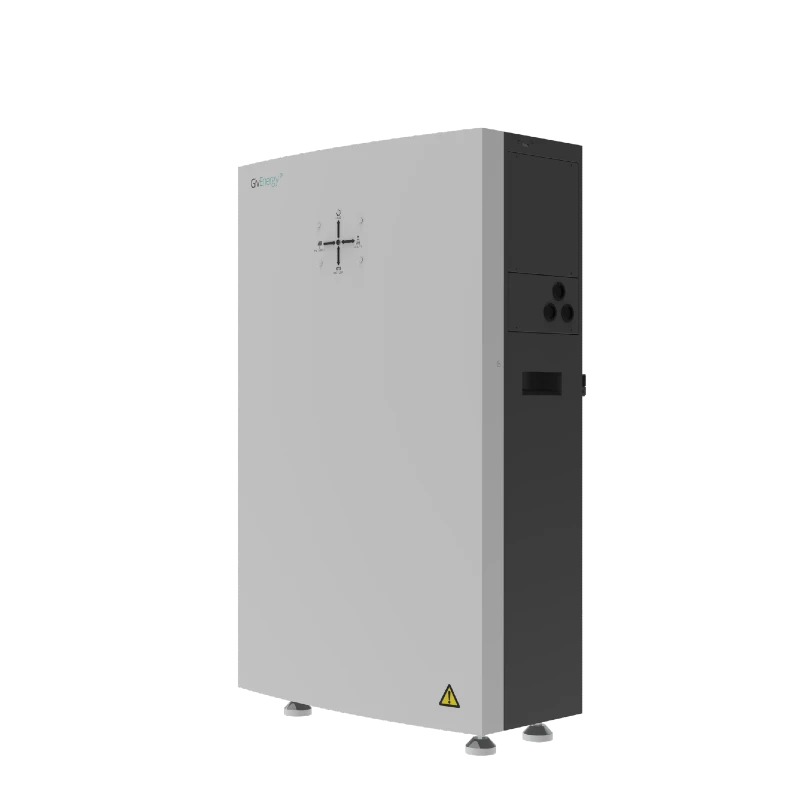
GivEnergy All-in-One 9.5kWh Battery
£5,5009.5
8.6
LFP
6000
Affiliate link — we may earn a small commission at no extra cost to you
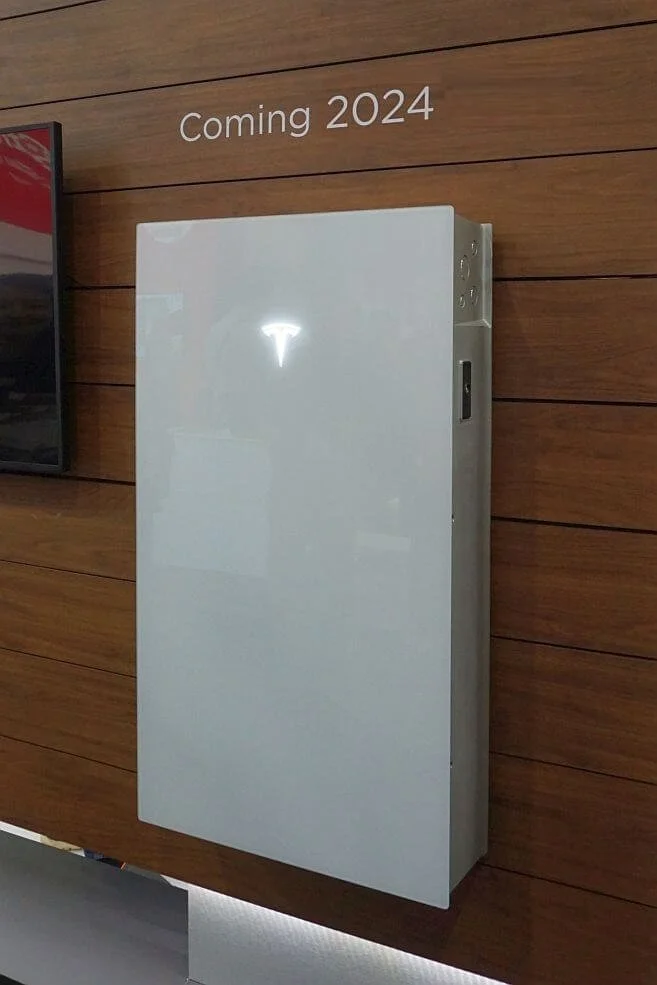
Tesla Powerwall 3
£8,50013.5
13.5
LFP
4000
Affiliate link — we may earn a small commission at no extra cost to you
The bigger picture
VPPs represent a fundamental shift in how the electricity grid works. Instead of massive central power stations, the grid of the future is millions of small, distributed resources — your solar panels, your battery, your EV — coordinated intelligently.
By participating, you're not just earning money. You're helping to decarbonise the grid by providing clean flexibility that reduces the need for gas peaker plants. It's one of the few situations where doing the right thing and making money genuinely align.
Share this article

OVO has carefully selected trusted teams across the UK to install solar panels and heat pumps. Enjoy the personal touch of a local expert with the peace of mind of a household name.
Affiliate link — we may earn a small commission at no extra cost to you
Stay informed
Get free solar updates direct to your inbox
Related reading
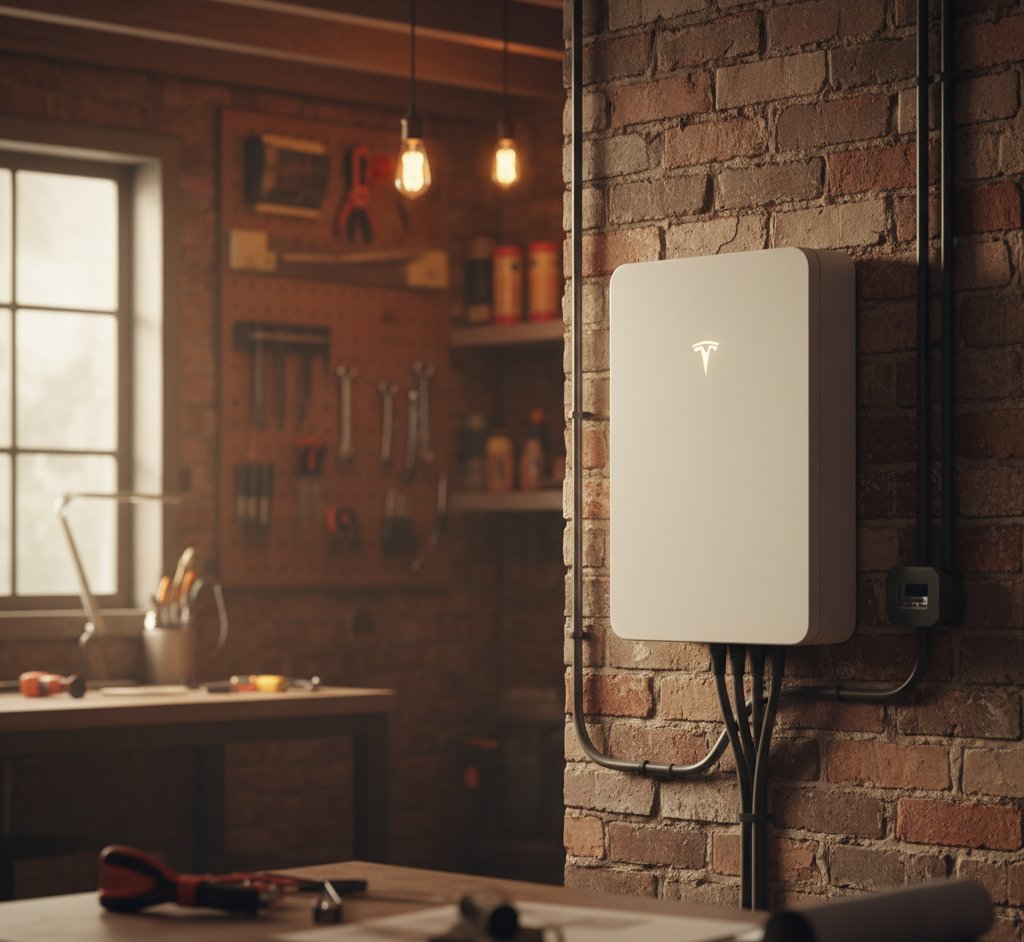
Solar Battery Storage: Complete UK Guide 2026
Everything you need to know about adding battery storage to a UK solar installation — types, sizing, costs, and which products are worth considering in 2026.
Battery Arbitrage: Buy Low, Sell High with Solar
How battery arbitrage works with time-of-use tariffs in the UK. Charge cheap, discharge expensive, and boost your solar savings with smart battery trading.
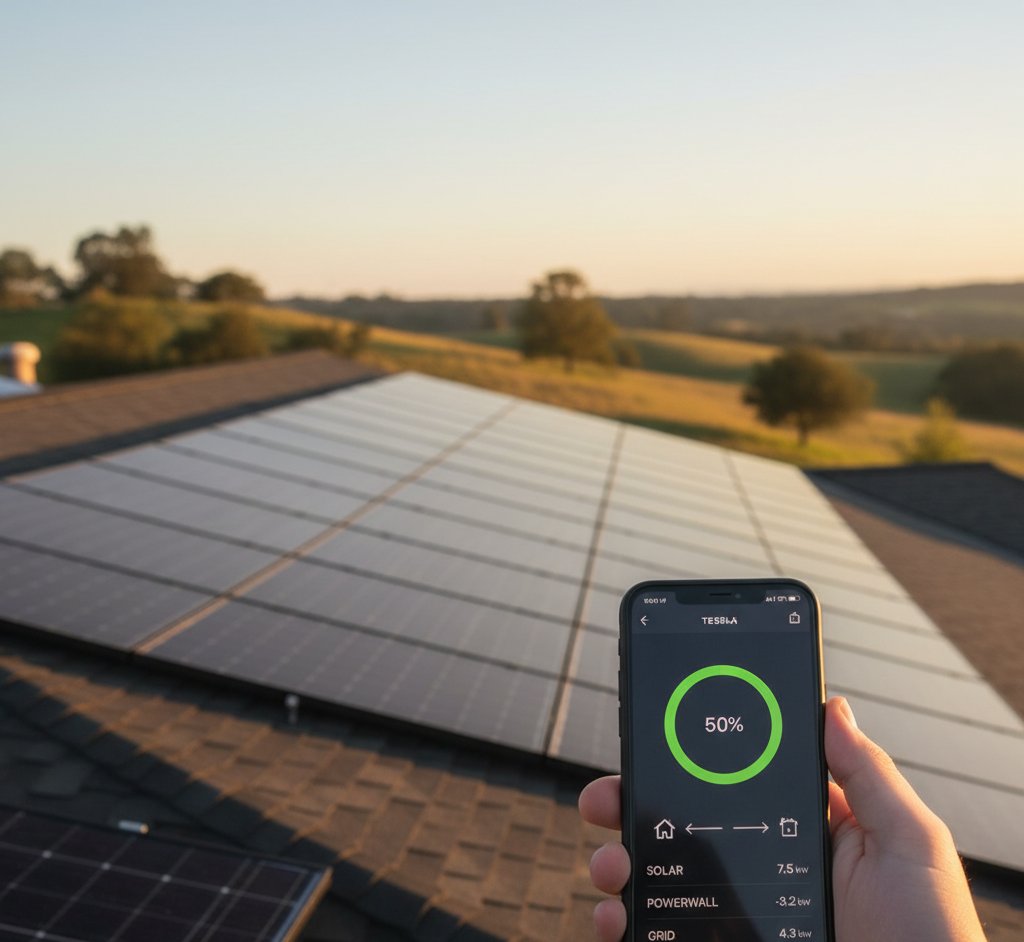
Tesla Energy Plan: Is It Worth It?
An honest review of the Tesla Energy Plan UK in 2026. How it works, what it costs, real savings, and whether you need a Powerwall to benefit.


Switch to Octopus Energy
Get 50 credit when you switch. We get 50 too — win-win.
What does this mean for YOUR home?
Design your perfect solar setup in under 3 minutes. Free, no sign-up required.
Build Your Solar System