This page contains affiliate links. If you purchase through them we may earn a small commission at no extra cost to you. Learn more
Tesla Energy Plan: Is It Worth It?
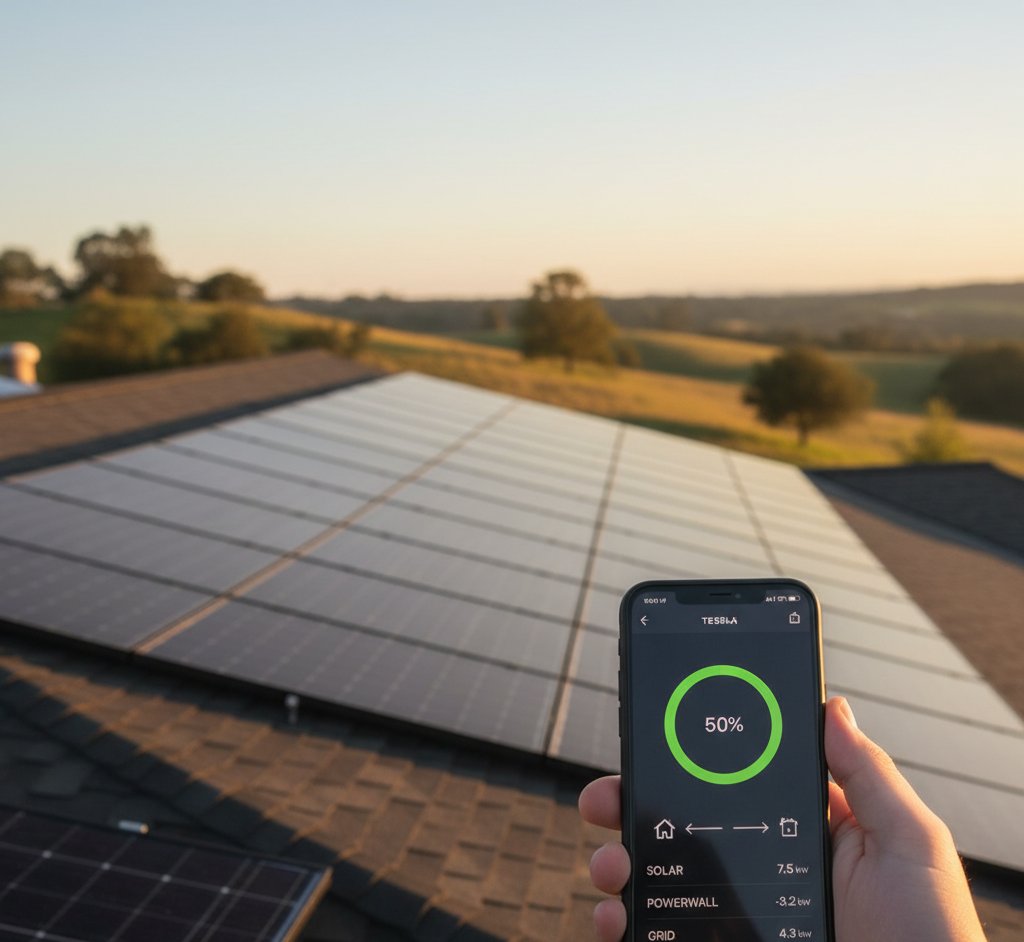
What is the Tesla Energy Plan?
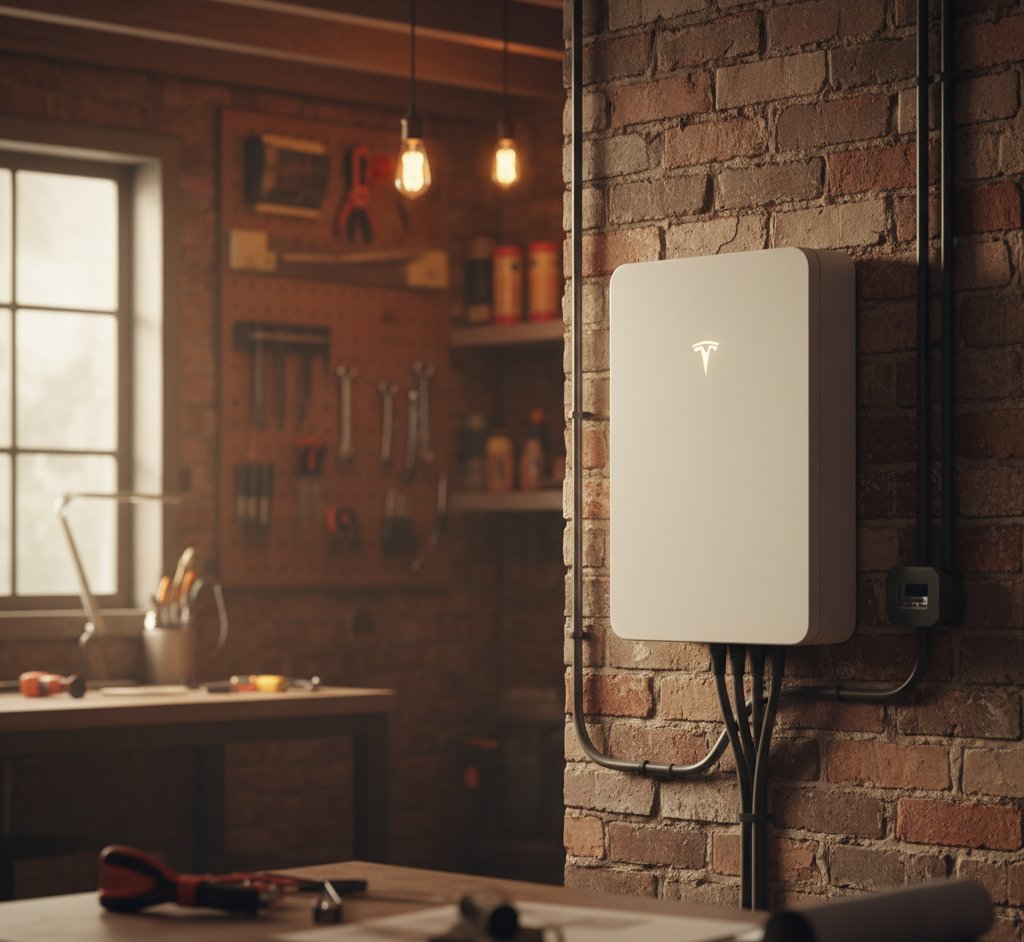
The Tesla Energy Plan is an electricity tariff designed specifically for homes with a Tesla Powerwall battery. It's supplied through Octopus Energy (the retail supplier) but managed by Tesla's software platform.
The core idea: Tesla takes control of your Powerwall's charge/discharge schedule, optimising it based on wholesale electricity prices, your solar generation, your consumption patterns, and grid service opportunities. In return, you get competitive import and export rates, and Tesla's algorithm aims to minimise your electricity bill automatically.
You don't set charge windows or discharge schedules. Tesla's AI handles everything.
How it works
The rates
Tesla Energy Plan rates have evolved since launch, but in 2026 the structure typically includes:
- A competitive import rate — often matching or beating Octopus Agile's average
- A premium export rate — particularly during peak demand periods
- Dynamic optimisation — the Powerwall charges from the grid during cheap wholesale periods and discharges during expensive ones
The exact rates aren't always published transparently (they're baked into the optimisation), which is one criticism of the plan. You see the result on your bill rather than tracking 30-minute rates yourself.
The optimisation
Tesla's algorithm considers:
- Tomorrow's wholesale prices (published day-ahead)
- Your historical consumption patterns (learned over time)
- Weather forecasts affecting solar generation
- Grid service opportunities (frequency response, demand turn-up)
- Your Powerwall's state of charge and health
The result is a battery that charges and discharges at optimal times without you lifting a finger. On a good day, the Powerwall might charge from the grid at 5p/kWh overnight, top up from solar midday, and discharge during a 40p/kWh peak period — all automatically.
What real users report
Feedback from UK Tesla Energy Plan users is generally positive, with some caveats:
Positives:
- Electricity bills reduced by 40–60% compared to standard tariffs (for solar + Powerwall households)
- Completely hands-off — no need to monitor prices or adjust settings
- The algorithm genuinely improves over time as it learns your patterns
- Grid service participation generates additional value without any user intervention
Negatives:
- Loss of manual battery control frustrates some users
- Occasional suboptimal decisions — the algorithm isn't perfect, and some users report days where it didn't charge enough or discharged too early
- Transparency is limited — hard to verify whether Tesla's optimisation is truly optimal vs what you could achieve manually on Agile
- Locked into the Tesla ecosystem — can't switch to a different tariff while using the plan's battery optimisation
You can leave at any time
The Tesla Energy Plan isn't a long-term contract. You can switch away to another tariff (like Octopus Agile or Go) and take back manual control of your Powerwall. Some users have tried both approaches and found the Tesla plan slightly outperforms their manual optimisation — but technically skilled users with automation tools like Predbat sometimes do better on Agile.
The financial case
Example: 4kW solar + 13.5kWh Powerwall 3
A typical UK household (3,500 kWh annual consumption) with a 4kW solar array and Powerwall 3:
Without Tesla Energy Plan (on a flat tariff):
- Annual import: ~1,800 kWh at 24p = £432
- SEG export: ~1,200 kWh at 12p = £144 income
- Net annual electricity cost: ~£288
With Tesla Energy Plan:
- Optimised import at average ~18p/kWh: ~1,800 kWh = £324
- Enhanced export at average ~12p/kWh: ~1,200 kWh = £144 income
- Grid services income: ~£50–£100
- Net annual electricity cost: ~£80–£130
Estimated annual saving: £160–£210 compared to a flat tariff with standard SEG.
Compared to manually optimising on Octopus Agile (which a savvy user might achieve), the Tesla plan might be £50–£100 less optimal — but with zero effort required.
The Powerwall cost question
The Powerwall 3 costs approximately £6,000–£8,000 installed in the UK. If the Tesla Energy Plan saves you an extra £300/year compared to a standard tariff, the plan itself doesn't pay for the Powerwall — you need the self-consumption savings (£400–£600/year) plus the plan savings combined.
Total annual value of Powerwall + Tesla Energy Plan: £700–£1,000 Payback period: 6–10 years
That's competitive with other battery setups, but it's not dramatically better. The advantage is convenience.
Tesla Energy Plan requires Powerwall
You cannot join the Tesla Energy Plan without a Tesla Powerwall. This means the plan's value must be assessed alongside the Powerwall investment, not in isolation. If you're choosing between battery brands, the Tesla plan adds value to the Powerwall — but a GivEnergy battery on Octopus Agile with Predbat automation can achieve similar or better results at a lower total cost.
Tesla Energy Plan vs Octopus Agile + manual optimisation
This is the real comparison for informed buyers:
| Factor | Tesla Energy Plan | Agile + manual/Predbat |
|---|---|---|
| Setup effort | None (automatic) | Moderate to high |
| Ongoing management | None | Some (monitoring, updates) |
| Transparency | Low | High (see every 30-min rate) |
| Optimisation quality | Very good | Potentially better with good automation |
| Export rates | Good (built-in) | Depends on chosen export tariff |
| Grid services | Included automatically | Requires separate VPP enrolment |
| Battery choice | Powerwall only | Any compatible hybrid inverter |
| Flexibility | Low (Tesla controls battery) | High (full user control) |
If you want simplicity: Tesla Energy Plan wins. If you want control and maximum savings: Agile + automation wins. If you don't have a Powerwall: This comparison is irrelevant — go Agile.
Who should consider the Tesla Energy Plan?
Good fit:
- You've already bought or committed to a Tesla Powerwall
- You don't want to micromanage your energy system
- You value a single, integrated solution over maximum theoretical savings
- You trust Tesla's platform to be around long-term
Not a good fit:
- You enjoy optimising and tweaking your energy system
- You want complete transparency on rates and battery decisions
- You're choosing a battery specifically — other options may offer better value
- You're concerned about Tesla's long-term commitment to the UK energy market

The verdict
The Tesla Energy Plan is a genuinely good product for Powerwall owners who want a hands-off experience. It delivers real savings, automates battery optimisation effectively, and includes grid services income without any additional setup.
But it's not magic. The savings are comparable to what a technically engaged user can achieve with a different battery on Octopus Agile. The premium you pay is for convenience and integration, not superior financial returns.
If you already have a Powerwall, enrolling in the Tesla Energy Plan is an easy yes. If you're still choosing your battery, evaluate the total package — battery cost, tariff options, and long-term flexibility — before committing to the Tesla ecosystem.
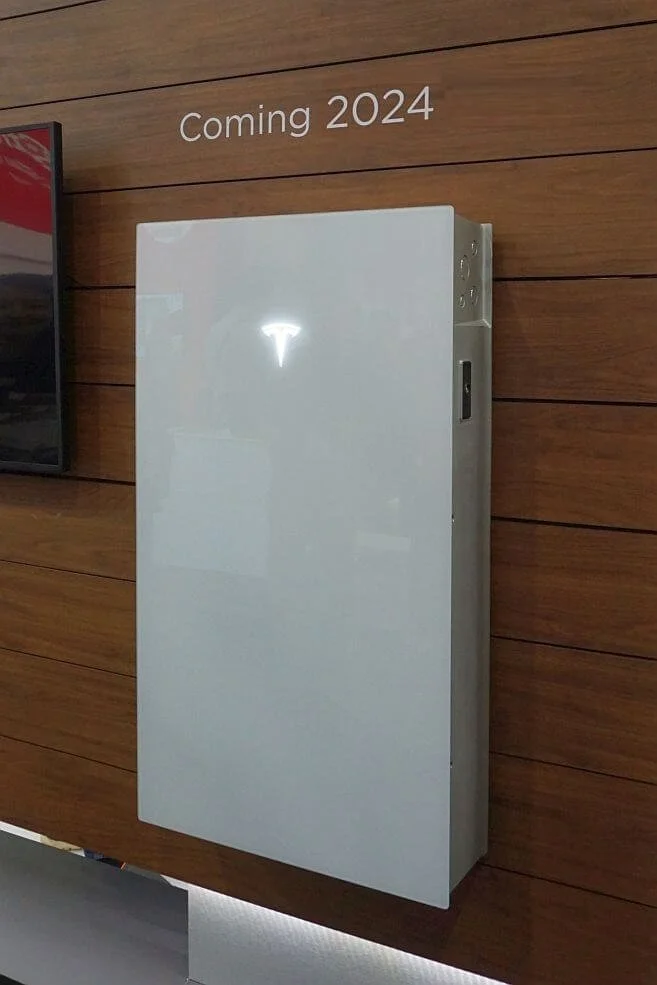
Tesla Powerwall 3
£8,50013.5
13.5
LFP
4000
Affiliate link — we may earn a small commission at no extra cost to you
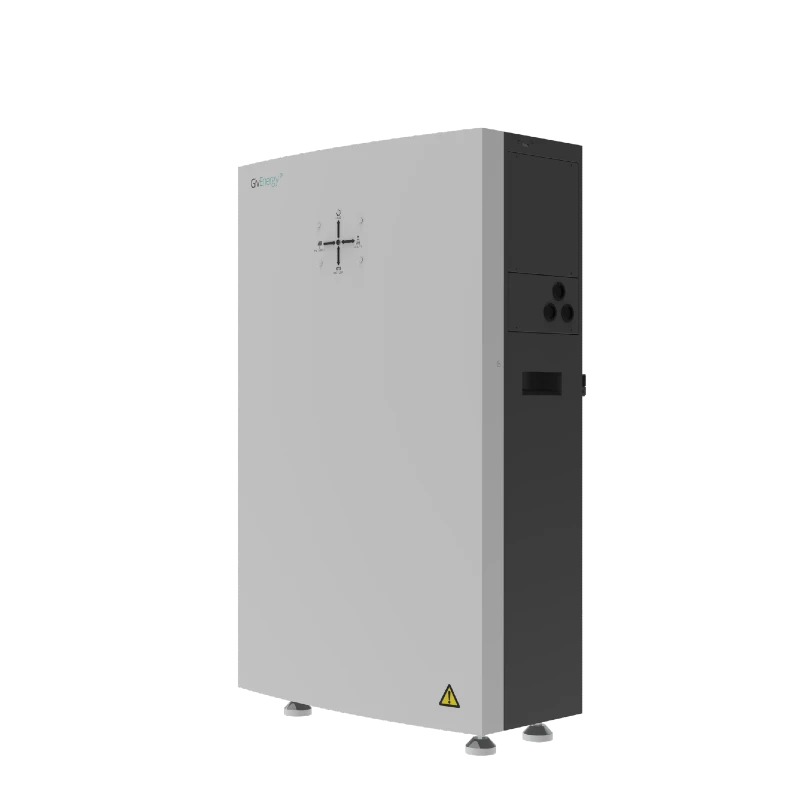
GivEnergy All-in-One 9.5kWh Battery
£5,5009.5
8.6
LFP
6000
Affiliate link — we may earn a small commission at no extra cost to you
Share this article

OVO has carefully selected trusted teams across the UK to install solar panels and heat pumps. Enjoy the personal touch of a local expert with the peace of mind of a household name.
Affiliate link — we may earn a small commission at no extra cost to you
Stay informed
Get free solar updates direct to your inbox
Related reading
Solar Battery Storage: Complete UK Guide 2026
Everything you need to know about adding battery storage to a UK solar installation — types, sizing, costs, and which products are worth considering in 2026.

Virtual Power Plants: Your Battery in the Grid
How virtual power plants (VPPs) work in the UK, which battery brands participate, and how much you can earn by letting the grid use your home battery.

Battery Arbitrage: Buy Low, Sell High with Solar
How battery arbitrage works with time-of-use tariffs in the UK. Charge cheap, discharge expensive, and boost your solar savings with smart battery trading.


Switch to Octopus Energy
Get 50 credit when you switch. We get 50 too — win-win.
What does this mean for YOUR home?
Design your perfect solar setup in under 3 minutes. Free, no sign-up required.
Build Your Solar System