This page contains affiliate links. If you purchase through them we may earn a small commission at no extra cost to you. Learn more
Battery Cell Sourcing in the UK: Where to Buy LiFePO4 Cells
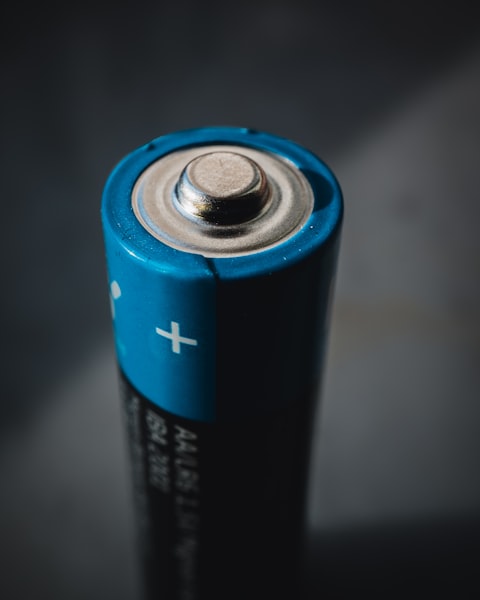
Why source your own cells?
Pre-assembled batteries like the Fogstar Drift or EcoWorthy modules are convenient, but sourcing individual cells and building your own pack gives you:
- Lower cost per kWh — raw cells are the cheapest way to get LiFePO4 capacity
- Full control over cell selection, BMS choice, and pack configuration
- Scalability — build exactly the capacity you need
- Repairability — if a single cell fails in 5 years, you replace that cell, not the whole unit
The trade-off is that you need to understand cell grading, pack assembly, BMS selection, and compression requirements. This is genuinely intermediate-to-advanced territory.
The cells everyone uses: EVE LF280K
The EVE Energy LF280K is the de facto standard cell for UK DIY battery builds. It's a 3.2V 280Ah LiFePO4 prismatic cell, meaning 16 cells in series gives you a 51.2V, 14.3kWh pack (though most builds use 8 cells for 5.12kWh or 16 for 10.24kWh at 100Ah equivalent with parallel configurations).
Why the LF280K?
- Massive production volumes (EVE is one of the world's largest cell manufacturers)
- Well-characterised chemistry with extensive community testing
- Consistent quality in Grade-A stock
- Wide availability in the UK
- Proven 6,000+ cycle life
Key specs:
| Parameter | Value |
|---|---|
| Nominal voltage | 3.2V |
| Capacity | 280Ah (896Wh per cell) |
| Weight | ~5.5kg per cell |
| Dimensions | 174 x 72 x 207mm |
| Cycle life | 6,000+ to 80% (at 0.5C) |
| Max charge rate | 1C (280A) |
| Max discharge rate | 1C (280A) |
A 16S pack of LF280K cells gives 51.2V × 280Ah = 14.3kWh at a cell cost of roughly £640–£880 depending on source. That's £45–£62/kWh for cells alone — before BMS, enclosure, wiring, and fuses.
Cell grades explained
This is where sourcing gets tricky. Not all cells labelled "LF280K" are equal:
Grade A — fresh from the factory line, capacity within 1–2% of rated, internal resistance matched. These are what you want.
Grade B — cells that didn't quite meet Grade A specs. Might be slightly lower capacity (270–275Ah actual), slightly higher internal resistance, or minor cosmetic defects. Often sold at 20–30% discount. Usable but will need careful matching.
Reclaimed / second-life — cells pulled from used packs. Capacity and cycle count unknown unless the seller provides test data. Can be excellent value or terrible — entirely depends on the source. More on second-life cells.
Rejects / fakes — the bottom of the barrel. Some AliExpress sellers rebrand inferior cells as EVE or sell cells that failed factory QC. These are genuinely dangerous in a home storage system.
If the price seems too good to be true, it is
Genuine Grade-A EVE LF280K cells have a floor price determined by raw material costs and EVE's pricing to distributors. If someone is selling "280Ah Grade-A EVE cells" for £25 each, they are either Grade B/C, reclaimed, or counterfeit. Always ask for cell test data (internal resistance and capacity measurements) before purchasing.
UK suppliers
Fogstar
The most established UK source. They sell individual cells with published grading data, matched in sets of 8 or 16. Premium pricing (£50–£55 per cell) but you get genuine Grade-A stock with UK warranty support. They also sell complete kits with BMS, bus bars, and compression hardware.
Signature Solar UK
Relatively new to the UK market but backed by the large US operation. Competitive pricing on EVE cells and also stock CATL cells.
eBay (selected sellers)
Several UK-based eBay sellers buy container loads of cells and resell in small quantities. Look for sellers who publish capacity test reports for each batch. Avoid sellers with no test data.
AliExpress (with extreme caution)
Direct from China is the cheapest route but comes with significant risks:
- No recourse if cells are misgraded or fake
- Shipping lithium cells internationally has regulatory complications
- Import duty and VAT will be charged (20% VAT + potential anti-dumping duty)
- Delivery takes 3–6 weeks
- Cells may arrive damaged from poor packaging
If you do buy from AliExpress, stick to sellers with 1000+ orders and positive reviews specifically mentioning cell testing. And test every cell yourself when they arrive.
Alternative cells
CATL prismatic cells
CATL (the world's largest battery manufacturer) produces excellent LFP prismatic cells, but they're harder to source in small quantities. Most CATL cells go to automotive and industrial customers. When available, they're comparable to EVE in quality.
BYD Blade cells
BYD's blade format cells are longer and thinner than standard prismatic cells. They offer excellent thermal properties and safety characteristics but require purpose-built enclosures. Not commonly used in UK DIY builds due to the non-standard form factor.
CALB cells
A viable alternative to EVE, sometimes available at lower prices. Quality is generally good but community testing data is less extensive.
What to check when cells arrive
Every cell delivery should be tested before assembly:
- Visual inspection — check for dents, swelling, corrosion, or damaged terminals
- Voltage measurement — all cells should be within 0.02V of each other (typically 3.28–3.32V from factory)
- Capacity test — ideally, cycle each cell and verify actual Ah capacity. At minimum, check that the seller's test data matches your received batch numbers
- Internal resistance — use a battery tester that measures AC impedance. For LF280K, expect 0.2–0.3mΩ for Grade A
Invest in a proper cell tester
An EBC-A40L or similar programmable battery tester costs around £150–£200 and pays for itself on the first build. It can charge, discharge, and measure capacity for each cell, giving you confidence in your pack before assembly. Many UK DIY builders share equipment — check local solar groups.
Matching cells for a pack
For a series string, cells should be matched as closely as possible in:
- Capacity — within 2Ah of each other (ideally within 1Ah)
- Internal resistance — within 0.05mΩ of each other
- Voltage — within 0.01V after resting
If you're buying 16 cells, order 17 or 18 and use the best-matched 16. Sell the spare(s) or keep as replacements.
This matching process is why pre-assembled batteries from Fogstar command a premium — they've already done this work with proper equipment. If you're building from cells, you're taking on this responsibility.
Total cost for a cell-sourced 10kWh build
| Component | Cost |
|---|---|
| 16x EVE LF280K cells (matched set) | £700–£850 |
| JK BMS (200A, active balance) | £100–£150 |
| Bus bars and compression kit | £50–£80 |
| Enclosure / rack mount | £80–£150 |
| Wiring, fuses, terminals | £50–£80 |
| Total (battery only) | £980–£1,310 |
That's roughly £68–£91/kWh for a 14.3kWh pack — significantly cheaper than any pre-assembled option. Add a hybrid inverter (£800–£1,500) and you have a complete system for well under £3,000.
The savings are real, but so is the time investment. Budget 2–3 weekends for cell testing, assembly, and commissioning if this is your first build.
If you'd rather skip cell sourcing and get a pre-built module with matched, tested cells, here's what we'd recommend:
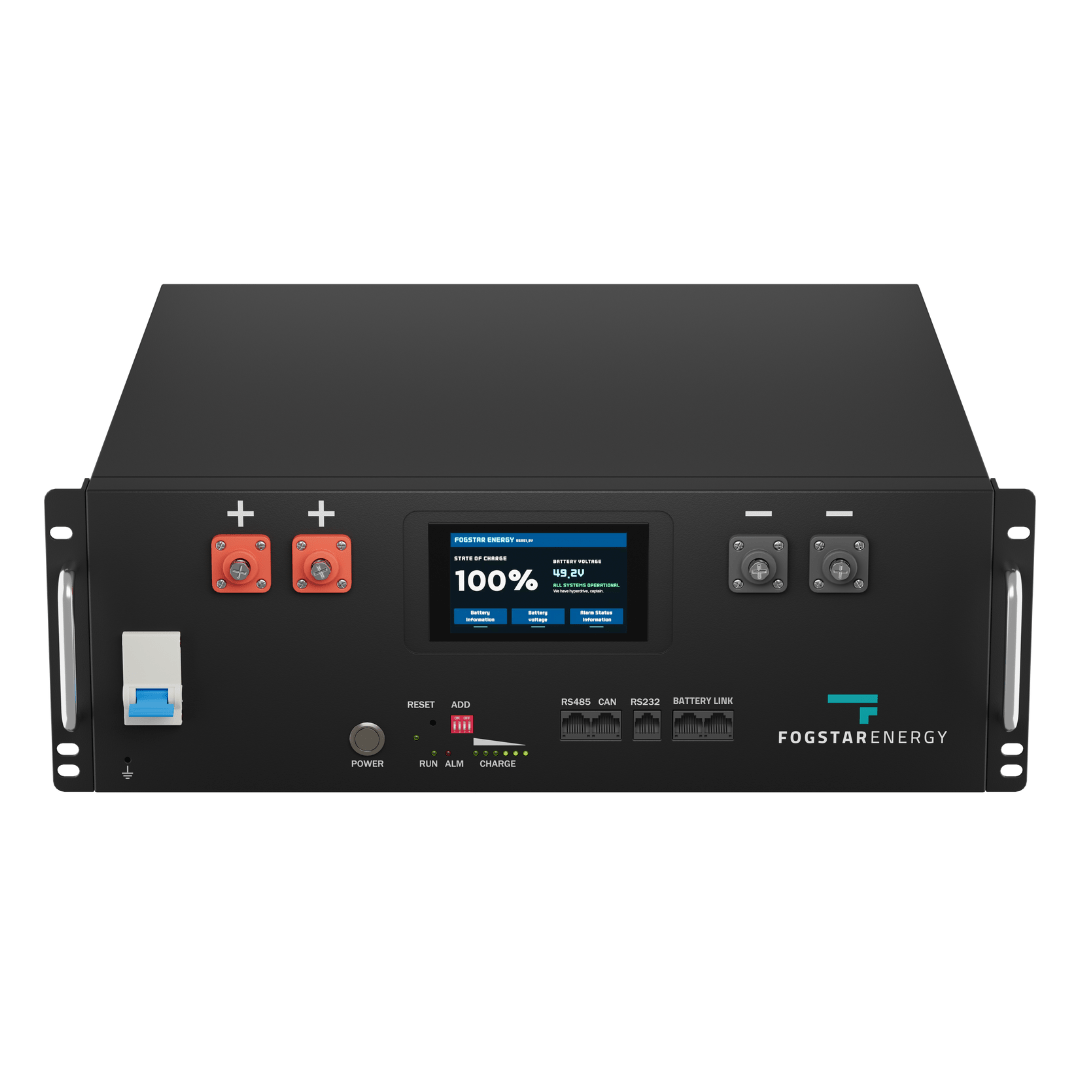
Fogstar Drift 5.12kWh LiFePO4 Battery
£1,5005.12
5
LFP
6000
Affiliate link — we may earn a small commission at no extra cost to you
For a budget alternative that still uses commercial-grade LiFePO4 cells:
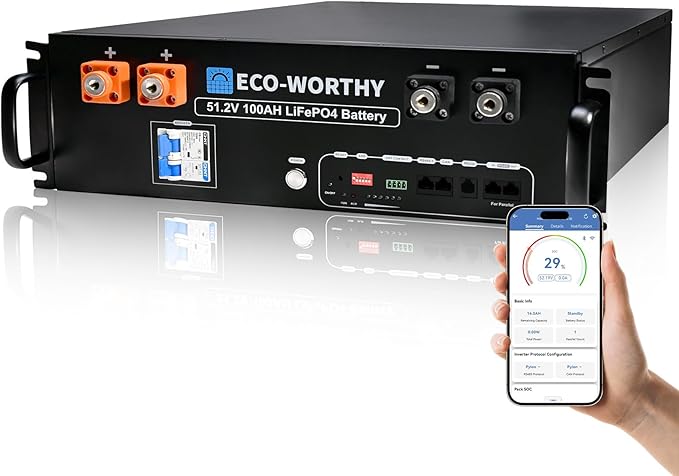
ECO-WORTHY 5.12kWh LiFePO4 Battery Module
£7005.12
4.9
LFP
4000
Affiliate link — we may earn a small commission at no extra cost to you
Share this article

OVO has carefully selected trusted teams across the UK to install solar panels and heat pumps. Enjoy the personal touch of a local expert with the peace of mind of a household name.
Affiliate link — we may earn a small commission at no extra cost to you
Stay informed
Get free solar updates direct to your inbox
Related reading
DIY Battery Storage in the UK: Complete Beginner's Guide
A practical guide to building your own DIY solar battery storage system in the UK — costs, legality, components, and whether it's actually worth it in 2026.
BMS Comparison: JK vs JBD vs Daly for DIY Solar Batteries
Comparing the three most popular BMS options for UK DIY LiFePO4 battery builds — JK, JBD, and Daly. Features, pricing, and which to choose in 2026.
Second-Life EV Battery Cells for Home Solar Storage
Using reclaimed EV battery cells for DIY solar storage in the UK — sources, testing, risks, and whether second-life cells are worth the gamble in 2026.


Switch to Octopus Energy
Get 50 credit when you switch. We get 50 too — win-win.
What does this mean for YOUR home?
Design your perfect solar setup in under 3 minutes. Free, no sign-up required.
Build Your Solar System