This page contains affiliate links. If you purchase through them we may earn a small commission at no extra cost to you. Learn more
DIY Battery Storage in the UK: Complete Beginner's Guide
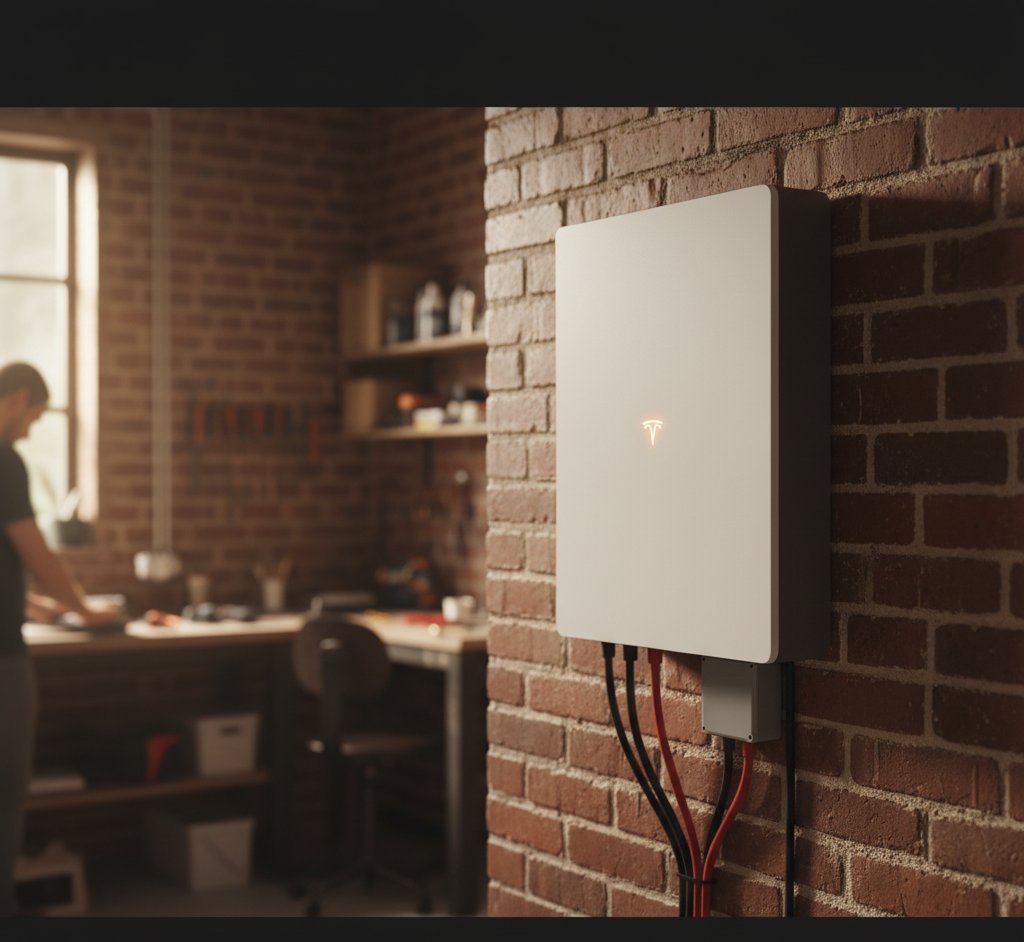
What does "DIY battery storage" actually mean?
Let's be clear upfront: DIY battery storage doesn't mean wiring up car batteries in your shed. In 2026, it means assembling a system from commercially available components — pre-built battery modules, a hybrid inverter, a battery management system (BMS), and the necessary wiring and protection devices.
The "DIY" part is the integration. Instead of paying an MCS installer £8,000 for a professional install system, you're buying the components separately and either installing them yourself or paying an electrician just for the final grid connection.
This approach suits people who are comfortable with electrical work, understand DC systems, and are willing to learn about communication protocols between batteries and inverters. It does not suit people looking for a weekend project with no prior experience.
Is it legal to build your own battery system in the UK?
Yes, with caveats. There's no law against owning or assembling a battery storage system. However:
Part P of the Building Regulations requires that any work on fixed electrical installations in dwellings is either carried out by a registered competent person (Part P scheme member) or notified to Building Control. Connecting a battery system to your home's electrical supply falls under this.
DNO notification is required for any energy storage system connected to the grid. Your Distribution Network Operator needs to know about systems over 800W. Most DIY setups will need a G98 or G99 application.
MCS certification — here's the catch. A DIY system cannot be MCS-certified because MCS requires installation by an accredited installer. Without MCS, you cannot claim Smart Export Guarantee (SEG) payments for exported electricity, and you may be ineligible for certain grants.
In practice, most DIY battery builders either already have an MCS-certified solar installation (with SEG sorted) and add batteries later, or they accept the loss of SEG income as a trade-off for the lower hardware cost.
Don't skip the electrician
Even if you assemble the battery rack and inverter yourself, the final connection to your consumer unit should be done by a qualified electrician — ideally one registered under a Part P competent person scheme. This isn't just about safety (though it very much is); it's about insurance and legal compliance. A house fire traced to an unnotified electrical installation could void your home insurance.
Core components of a DIY battery system
1. Battery modules
The most common approach in 2026 is server-rack format LiFePO4 batteries. These are 48V nominal modules, typically 100Ah or 200Ah (5.12kWh or 10.24kWh per module), designed to slot into a standard 19-inch rack.
Popular choices:
-
Fogstar Drift / Seplos kits — the go-to for quality-conscious DIYers. A 5.12kWh module runs around £1,200–£1,500. Comes with an integrated BMS, CAN bus communication, and solid build quality. Read our full Fogstar review.
-
EcoWorthy 5.12kWh — budget option at around £700 per module (prices vary — check current listings). Acceptable cells, basic BMS, 5-year warranty. See our EcoWorthy review.
-
Self-built from cells — buying individual prismatic cells (EVE, CATL, BYD blade cells) and assembling with a third-party BMS. Cheapest per kWh but requires the most knowledge. More on cell sourcing.
2. Hybrid inverter
The inverter converts DC from the battery (and solar panels) to AC for your home. For DIY systems, popular compatible inverters include:
- Victron MultiPlus-II — the gold standard for DIY. Extremely flexible, well-documented, works with almost any battery via CAN bus or serial. Around £1,200–£1,800.
- GivEnergy hybrid inverters — good value, work well with Fogstar batteries specifically. Around £800–£1,200 for a 3.6kW unit.
- SoFar or Solis — budget-friendly options, but check battery compatibility carefully.
3. BMS (Battery Management System)
If your battery modules have an integrated BMS (Fogstar, EcoWorthy, most rack units), you don't need a separate one. If you're building from cells, you'll need a standalone BMS — see our BMS comparison.
4. Wiring, fuses, and protection
DC wiring, fuses, isolators, and potentially a DC breaker box. This is where DIY builds most often go wrong. Undersized cables and missing fuse protection are the leading causes of DIY battery fires. Read our wiring and fusing guide.
What does a DIY system actually cost?
Here's a realistic breakdown for a 10kWh system in 2026:
| Component | Budget route | Mid-range route |
|---|---|---|
| Battery (10kWh LiFePO4) | £1,400 (2x EcoWorthy) | £3,000 (2x Fogstar Drift) |
| Hybrid inverter (3.6kW) | £800 (Solis/SoFar) | £1,500 (Victron) |
| Wiring, fuses, isolators | £150 | £250 |
| Battery rack/enclosure | £100 | £200 |
| Electrician (final connection) | £300 | £300 |
| Total | £2,750 | £5,250 |
Compare this to a professional install installed 10kWh system at £5,500–£8,000, and the savings become clear — particularly on the budget route.
The sweet spot for most DIYers
Two Fogstar Drift 5.12kWh modules with a GivEnergy inverter represents the best balance of cost, reliability, and ease of integration. The Fogstar batteries speak CAN bus natively to GivEnergy inverters, so there's minimal configuration headaches. Total hardware cost: around £3,800–£4,200 before electrician fees.
Who should (and shouldn't) go DIY?
Good candidates:
- You have electrical experience or training
- You're comfortable reading datasheets and wiring diagrams
- You enjoy the technical challenge and ongoing tinkering
- You want to build a larger system (15kWh+) where professional install costs become prohibitive
- You already have MCS-certified solar panels with SEG in place
Bad candidates:
- You have no electrical experience and are motivated purely by cost saving
- You want a "fit and forget" system with full warranty coverage
- You need MCS certification for grant eligibility
- Your home insurance policy has strict requirements about electrical work
Getting started: recommended learning path
- Understand the basics — read our battery storage overview and inverter guide
- Choose your battery — review the Fogstar and EcoWorthy options
- Learn the protocols — understand how batteries talk to inverters via CAN bus and RS485
- Plan your wiring — study our wiring and fusing guide
- Consider safety — read about thermal safety and enclosures
- Check insurance — understand the implications with our DIY battery insurance guide
The DIY route isn't for everyone, but for those with the skills and patience, it's a genuinely viable way to add significant battery storage to a UK solar system at a fraction of the professional install price.
Here's the battery module most UK DIYers are building their systems around:
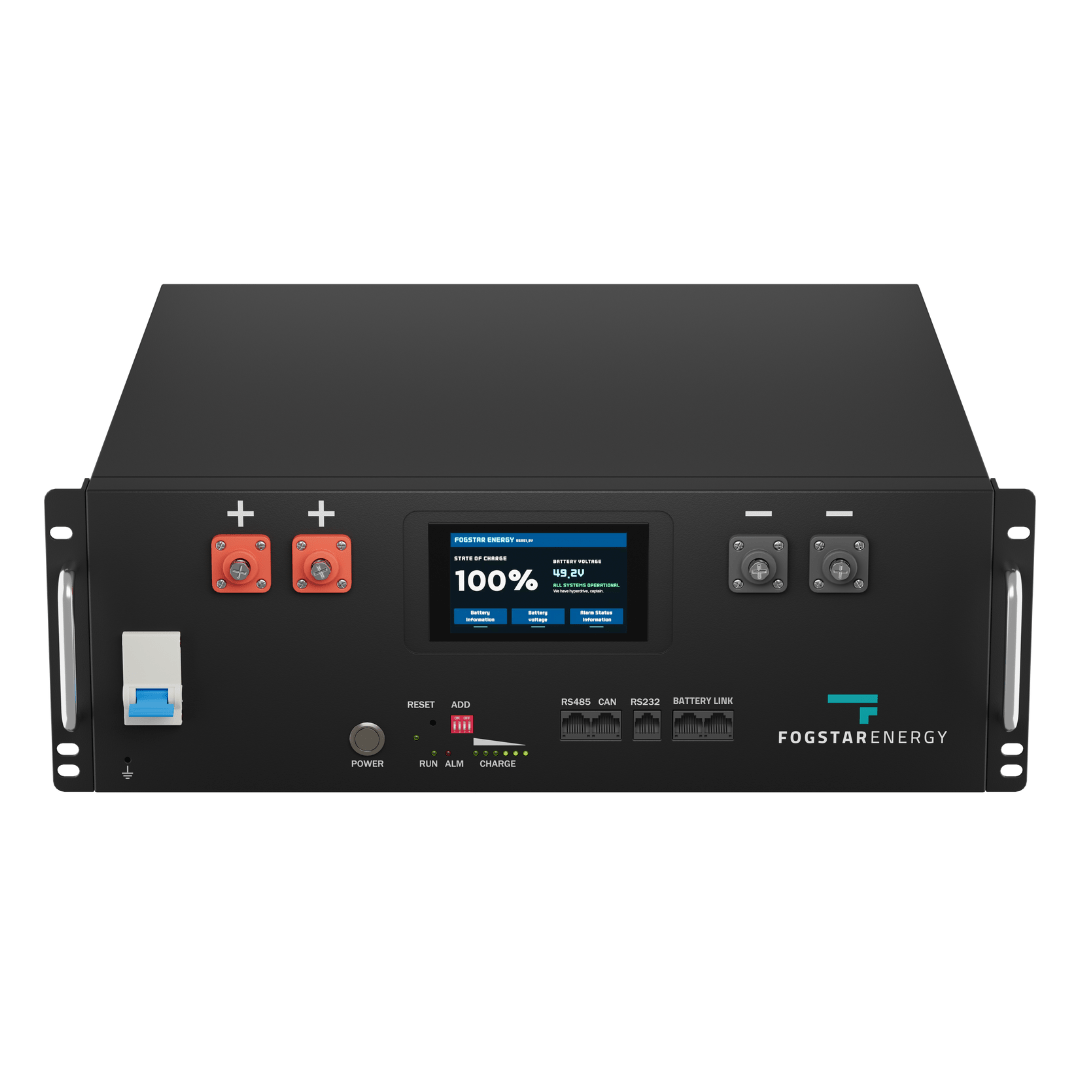
Fogstar Drift 5.12kWh LiFePO4 Battery
£1,5005.12
5
LFP
6000
Affiliate link — we may earn a small commission at no extra cost to you
For the tightest budget, this module delivers solid value at around £700 per 5kWh:
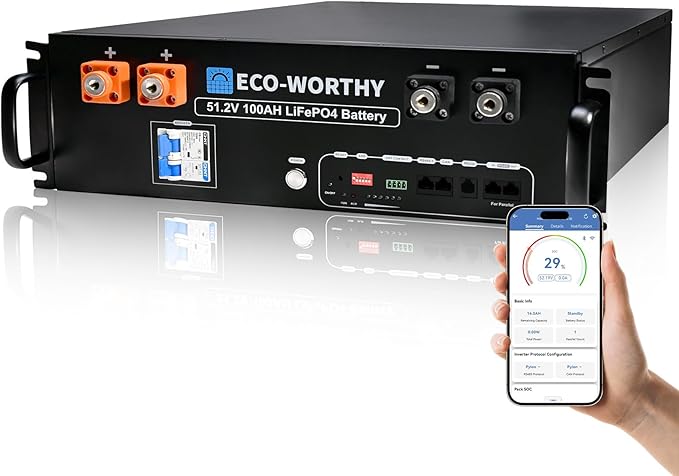
ECO-WORTHY 5.12kWh LiFePO4 Battery Module
£7005.12
4.9
LFP
4000
Affiliate link — we may earn a small commission at no extra cost to you
Share this article

OVO has carefully selected trusted teams across the UK to install solar panels and heat pumps. Enjoy the personal touch of a local expert with the peace of mind of a household name.
Affiliate link — we may earn a small commission at no extra cost to you
Stay informed
Get free solar updates direct to your inbox
Related reading
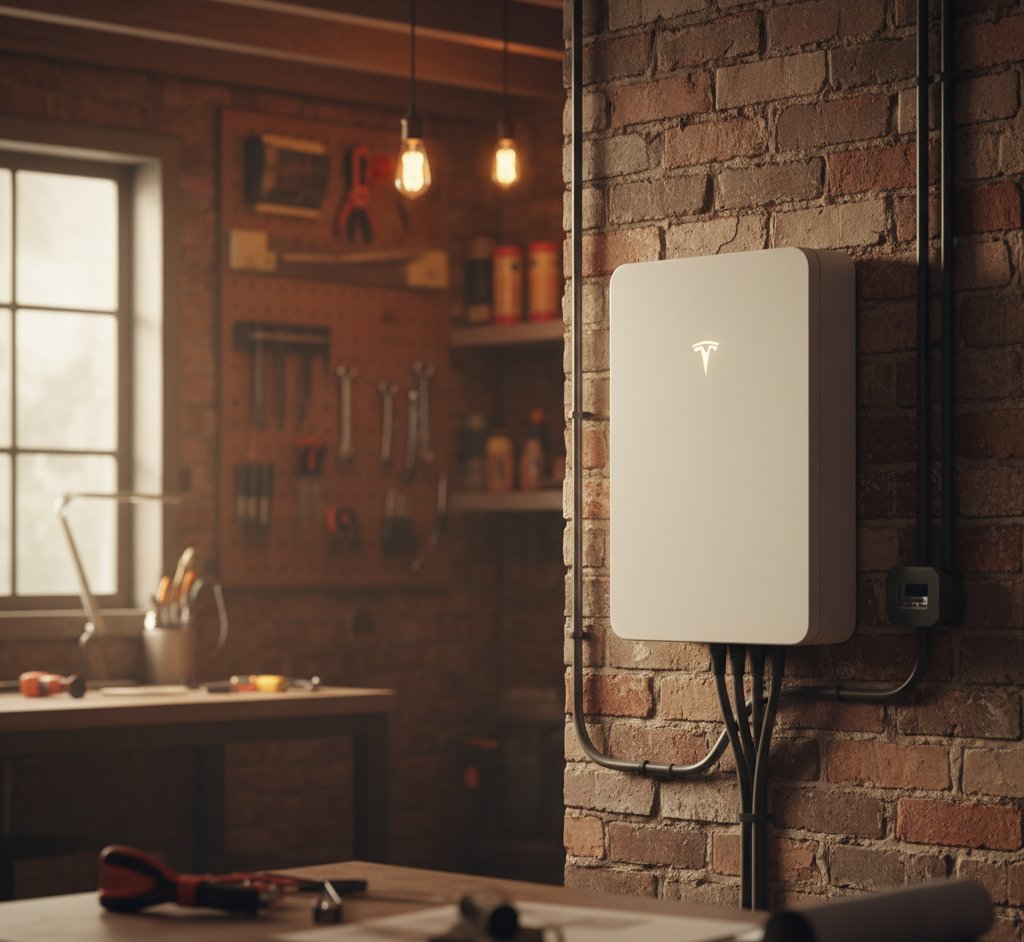
Solar Battery Storage: Complete UK Guide 2026
Everything you need to know about adding battery storage to a UK solar installation — types, sizing, costs, and which products are worth considering in 2026.
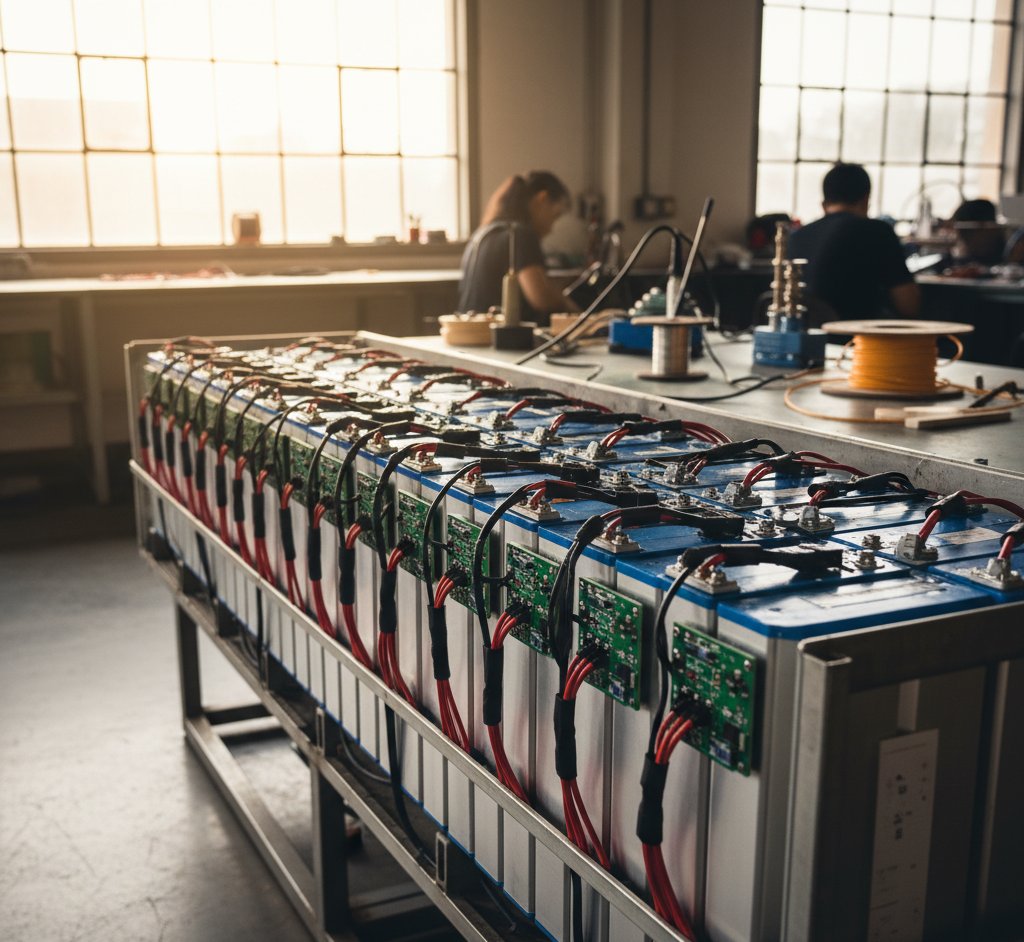
Fogstar Drift Battery Review: Is It Worth the Premium?
Honest review of the Fogstar Drift LiFePO4 battery — specs, real-world performance, compatibility, and whether it justifies the price for UK DIY solar setups.
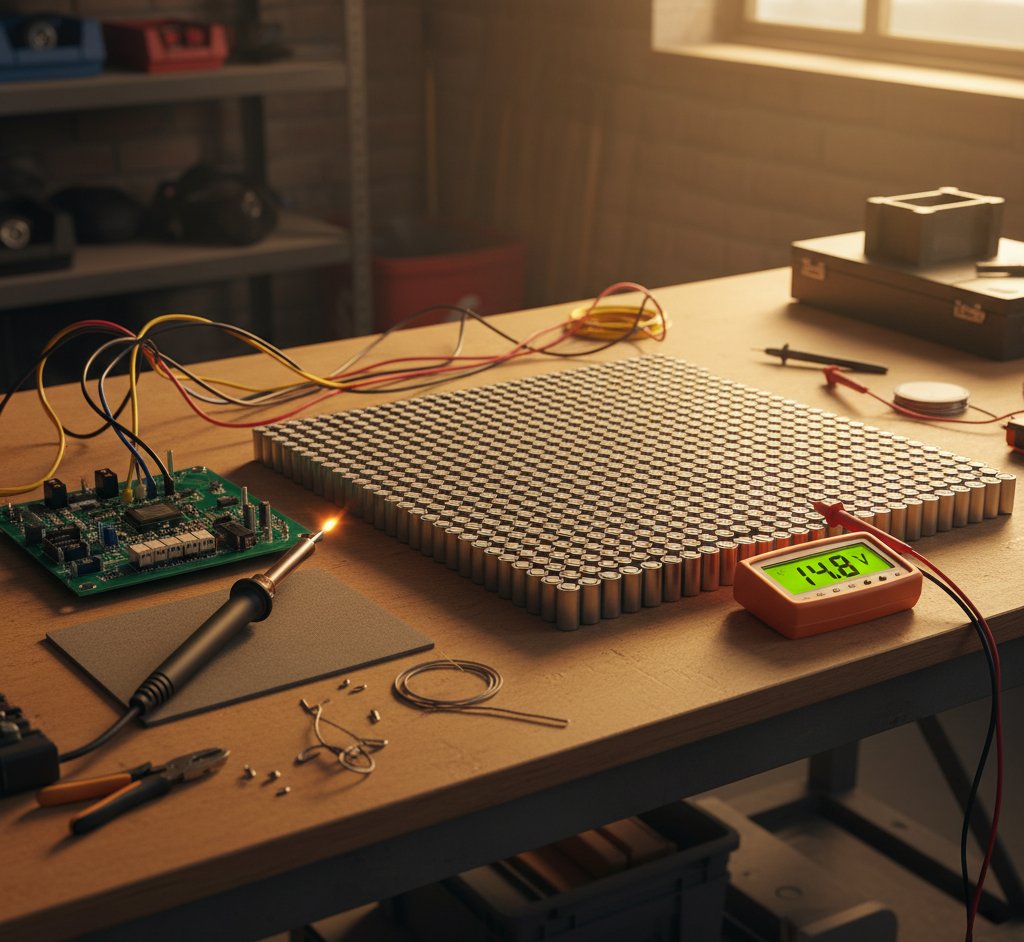
DIY Battery Wiring & Fusing: Cable Sizing, Fuse Selection, and Safety
How to correctly wire and fuse a DIY LiFePO4 solar battery system in the UK — cable sizing, fuse types, isolators, and common mistakes to avoid.


Switch to Octopus Energy
Get 50 credit when you switch. We get 50 too — win-win.
What does this mean for YOUR home?
Design your perfect solar setup in under 3 minutes. Free, no sign-up required.
Build Your Solar System