This page contains affiliate links. If you purchase through them we may earn a small commission at no extra cost to you. Learn more
Solar Immersion with a Combi Boiler: Can It Work?
The problem
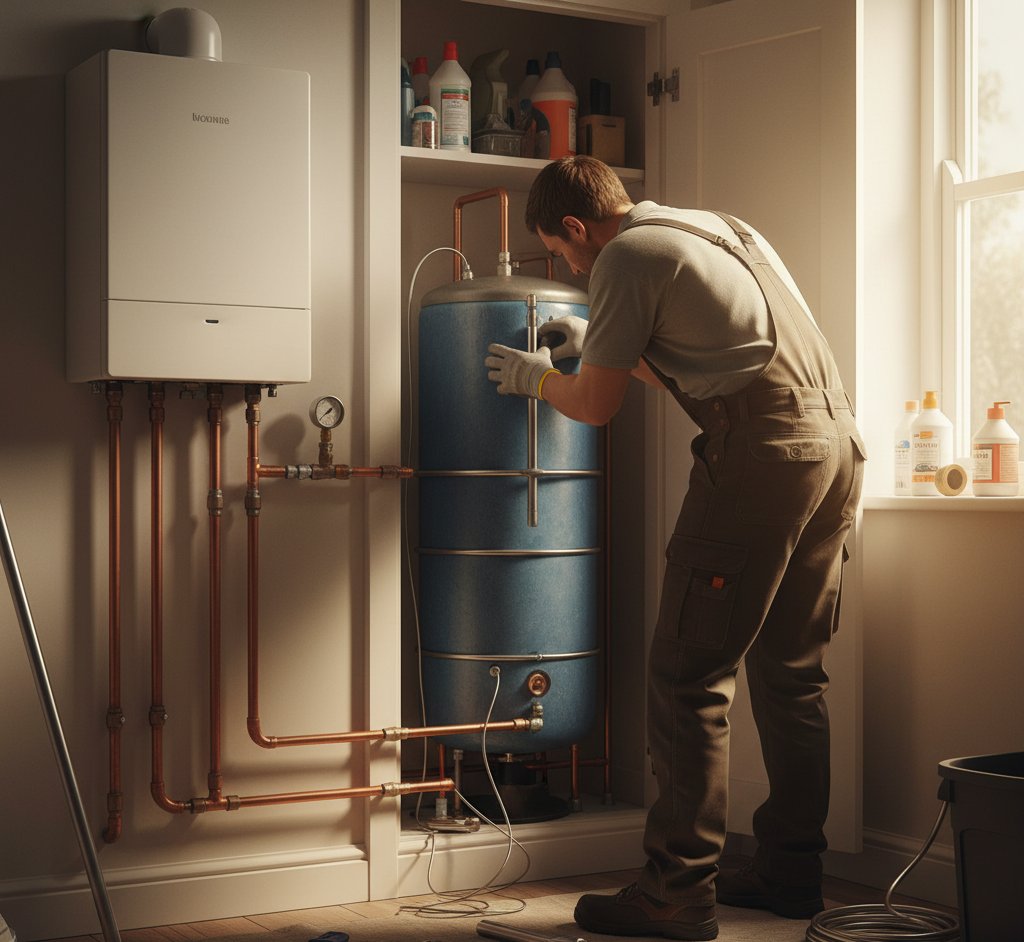
Solar diverters like the myenergi Eddi and Solar iBoost+ work by sending surplus solar electricity to an immersion heater element inside a hot water cylinder. The cylinder stores the hot water for later use.
A combi boiler heats water on demand — it has no hot water storage cylinder and no immersion element. There's nowhere to send the diverted electricity. This means roughly half of UK homes (combi boilers are the most popular type) can't simply plug in a diverter.
The options
Option 1: Add a hot water cylinder
The most straightforward solution is to install a dedicated hot water cylinder alongside your combi boiler. The combi continues to provide central heating and backup hot water, while the cylinder stores solar-heated water.
How it works:
- A 100–150 litre unvented hot water cylinder is installed (typically in an airing cupboard or utility room)
- An immersion heater element is fitted in the cylinder
- A solar diverter connects to the immersion
- The cylinder feeds hot water to your taps, prioritised over the combi boiler
- When the cylinder has hot water, the combi doesn't fire for hot water — saving gas
Cost:
| Component | Cost |
|---|---|
| Unvented cylinder (100–150L) | £400–£800 |
| Installation (plumbing + electrical) | £400–£1,000 |
| Solar diverter (Eddi/iBoost) | £300–£500 |
| Total | £1,100–£2,300 |
The honest assessment: This is a significant investment. The annual savings from diverting surplus solar to hot water are typically £100–£250. At the high end of installation costs, payback could be 8–15 years — much longer than a simple diverter-only installation on a home that already has a cylinder.
Option 2: Thermal store / buffer tank
A thermal store sits between the combi boiler and the hot taps. Solar-heated water warms the store, and the combi only fires when the store temperature drops below the required level.
This is more complex than a simple cylinder and typically more expensive (£1,500–£3,000 installed). It's rarely cost-effective solely for solar diversion.
Option 3: Inline electric water heater
A small inline electric water heater (2–3kW) can be connected to a solar diverter. When surplus solar is available, the inline heater pre-heats water before it reaches the combi boiler. The combi then needs less gas (or none) to bring the water to the set temperature.
Pros: Lower installation cost than a full cylinder (£300–£600 for the heater + diverter) Cons: Less efficient than a cylinder (no storage — only works while surplus solar is available). Limited flow rates.
This is a niche solution with limited products on the UK market.
Option 4: Don't bother with diversion
For many combi boiler homes, the pragmatic answer is: skip the diverter and invest in a battery instead.
Why a battery is usually better:
- A 5kWh battery costs £1,800–£3,000 installed
- It stores surplus solar as electricity (more versatile than hot water)
- The stored electricity can power any appliance, not just hot water
- Self-consumption savings are typically £250–£450/year
- Payback: 5–8 years
Compare this to adding a cylinder + diverter at £1,100–£2,300 for savings of £100–£250/year. The battery delivers better value in most cases.
The exception: boiler replacement
If your combi boiler needs replacing in the next few years, consider switching to a system boiler with an unvented cylinder. This gives you a hot water cylinder for solar diversion at marginal extra cost (the cylinder is part of the new heating system rather than an add-on). Or even better, if you're considering a heat pump — these always require a hot water cylinder, making diverter integration natural.
What about Eddi's non-immersion uses?
The myenergi Eddi can divert surplus to any resistive heating load — not just an immersion heater. Combi boiler homes could potentially use an Eddi for:
- Electric towel rails — uses 100–400W, warm towels from surplus solar
- Electric panel heaters — useful in shoulder seasons for background heating
- Electric underfloor heating — if you have wet-room or bathroom electric UFH
These loads don't require a cylinder. However, the energy diverted to towel rails and panel heaters is much less valuable (you mainly need heating in winter when surplus solar is minimal) than hot water (needed year-round).
Think about the seasonal mismatch
Diverting to heating loads only works when you have surplus solar AND need heating. In the UK, these conditions rarely overlap — surplus solar peaks in summer when you don't need heating, and heating demand peaks in winter when surplus is minimal. Hot water is the ideal dump load because it's needed year-round. Without a cylinder, the value proposition for a diverter with a combi boiler is much weaker.
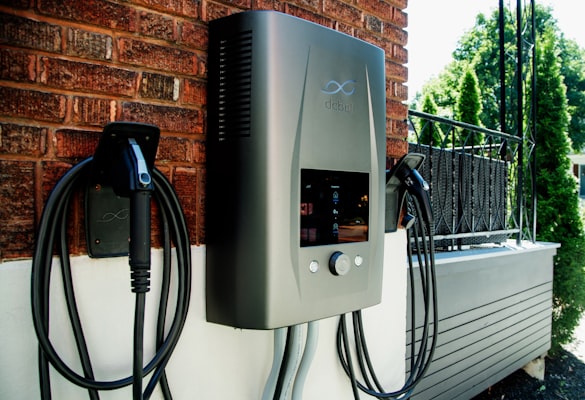
If you're choosing between a battery and a diverter for your combi boiler home:
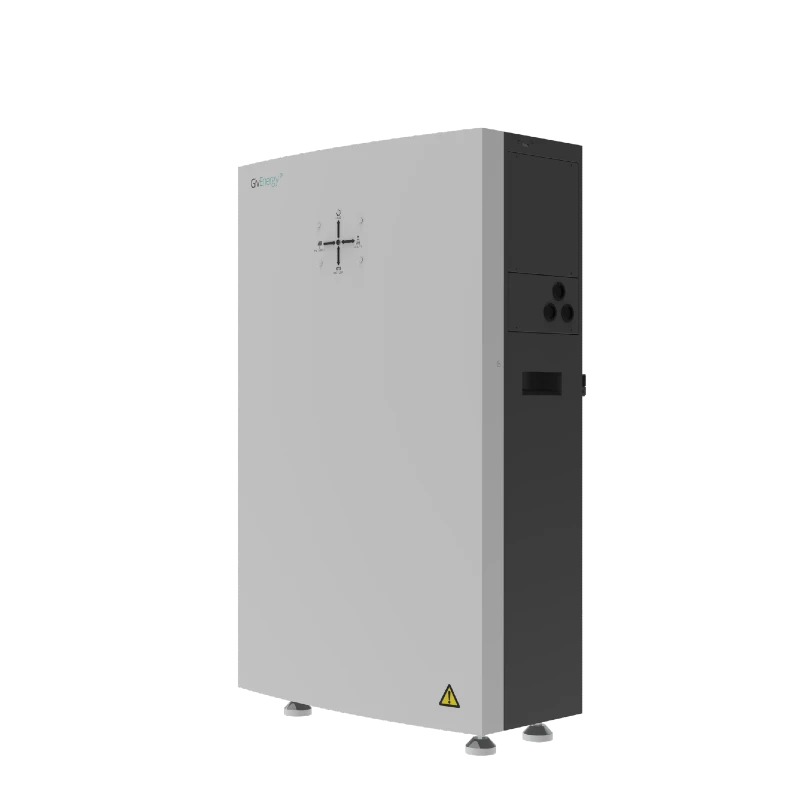
GivEnergy All-in-One 9.5kWh Battery
£5,5009.5
8.6
LFP
6000
Affiliate link — we may earn a small commission at no extra cost to you
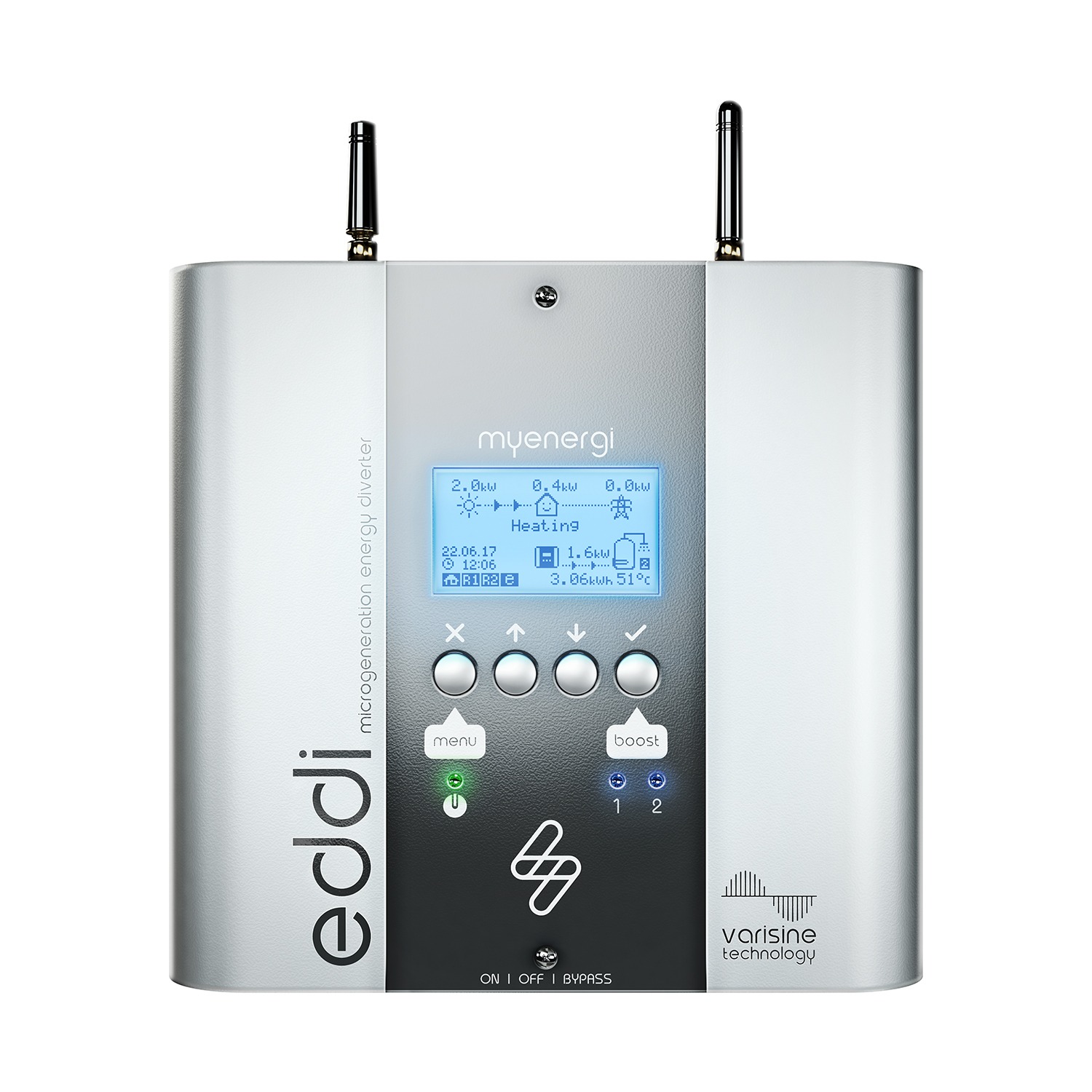
myenergi Eddi Solar Diverter
£1853000
power_divert,timed_boost
2
configurable
Affiliate link — we may earn a small commission at no extra cost to you
The decision framework
Install a cylinder + diverter if:
- You have space for a 100–150L cylinder
- You're planning a boiler replacement anyway (system boiler + cylinder)
- You have a large solar system (6kW+) generating significant surplus beyond what a battery can absorb
- You already have a battery and want to maximise surplus use
Skip the diverter and get a battery if:
- You have a combi boiler and limited space
- Budget is a primary concern
- You want the most versatile energy storage option
- You don't already have a battery
Do nothing if:
- Your solar surplus is small (small system or high daytime consumption)
- You're happy with SEG export income from surplus
- Adding complexity to your system doesn't appeal
For most UK combi boiler homes, a battery is the better first investment after solar panels. A diverter + cylinder can come later if you want to squeeze every last bit of value from your solar surplus.
Share this article

The UK's fastest boiler installation service — from quote to fitted in as little as 24 hours. Award-winning, Trustpilot rated, with no pushy salesmen.
Affiliate link — we may earn a small commission at no extra cost to you
Stay informed
Get free solar updates direct to your inbox
Related reading
Solar Immersion Heating: Using Surplus Power for Hot Water
How solar immersion diverters send surplus electricity to your hot water tank, cutting gas bills. UK costs, setup requirements, and realistic savings.
iBoost vs Eddi vs Immersun: Solar Diverter Showdown
Comparing the iBoost+, myenergi Eddi, and Immersun solar diverters. Features, prices, and which suits your UK solar setup best in 2026.
Solar Battery Storage: Complete UK Guide 2026
Everything you need to know about adding battery storage to a UK solar installation — types, sizing, costs, and which products are worth considering in 2026.


Switch to Octopus Energy
Get 50 credit when you switch. We get 50 too — win-win.
What does this mean for YOUR home?
Design your perfect solar setup in under 3 minutes. Free, no sign-up required.
Build Your Solar System