This page contains affiliate links. If you purchase through them we may earn a small commission at no extra cost to you. Learn more
Inverter Replacement: When, Why, and How Much

Your solar panels will likely last 25–30+ years, but your inverter probably won't. String inverters typically last 10–15 years before failing, making inverter replacement the most significant maintenance cost over your system's lifetime. Here's what to expect.
How Long Do Inverters Last?
| Inverter Type | Typical Lifespan | Warranty |
|---|---|---|
| String inverter | 10–15 years | 5–12 years |
| Hybrid inverter | 10–15 years | 5–12 years |
| Microinverter | 20–25 years | 15–25 years |
| Power optimiser | 20–25 years | 25 years |
String and hybrid inverters are the most common in UK residential installations. Their 10–15 year lifespan means you'll likely need one replacement during the 25–30 year life of your panels.
Microinverters (like Enphase) are designed to match panel lifespan, but if one fails, it only affects one panel — not the whole system.
Signs Your Inverter Is Failing
Error Codes or Warnings
Most inverters display error codes on their screen or push alerts through their monitoring app. Common warning signs:
- Isolation fault errors
- Grid voltage or frequency errors that appear repeatedly
- MPPT tracking errors
- Overtemperature warnings
Reduced Output
If your panels are clean, the weather hasn't changed, and there's no new shading, but generation has dropped by 15–20% or more, the inverter may be degrading or partially failing.
Intermittent Shutdown
The inverter starts up in the morning but shuts down during the day, then restarts. This stop-start pattern often indicates an internal component reaching its thermal limit.
Unusual Noises
A healthy inverter should be virtually silent (a faint hum is normal). Buzzing, clicking, or grinding noises are signs of internal problems.
Display Issues
Blank display, flickering screen, or inability to connect to the monitoring app can indicate power supply or control board failures.
Check Your Monitoring Regularly
The best way to catch inverter problems early is regular monitoring. If your inverter has an app, check it weekly. Many apps can send push notifications when generation drops below expected levels or error codes appear. Early detection means less lost generation.
Replacement Costs
| Inverter Size | Product Cost | Installation Cost | Total |
|---|---|---|---|
| 3kW string inverter | £350–600 | £200–400 | £550–1,000 |
| 4–5kW string inverter | £500–800 | £200–400 | £700–1,200 |
| 5kW hybrid inverter | £800–1,400 | £250–450 | £1,050–1,850 |
| Single microinverter | £100–180 | £200–400* | £300–580 |
*Microinverter replacement requires roof access and potentially scaffolding, which increases labour cost.
All prices include VAT at 0% (energy-saving materials on residential properties).
The Replacement Process
- Diagnosis — Your installer or a solar maintenance company confirms the inverter has failed
- Quote — You receive a quote for a replacement inverter, potentially including an upgrade option
- Procurement — The replacement inverter is ordered (usually 1–5 days delivery)
- Installation — An electrician disconnects the old inverter, mounts the new one, and connects it. This typically takes 2–4 hours
- Commissioning — The new inverter is configured, tested, and connected to monitoring
- DNO notification — If the new inverter has different specifications, a DNO notification may be required
The total downtime from failure to replacement is typically 1–2 weeks, during which your system generates nothing. In summer, this can mean £30–50 of lost generation; in winter, less.

Should You Upgrade When Replacing?
Inverter replacement is the ideal time to upgrade, since you're paying for installation labour anyway:
Upgrade to Hybrid Inverter
If you don't have battery storage but might want it in future, replacing a standard string inverter with a hybrid inverter (one that can connect to a battery) costs only £200–400 more than a like-for-like replacement. This makes adding a battery later much simpler and cheaper.
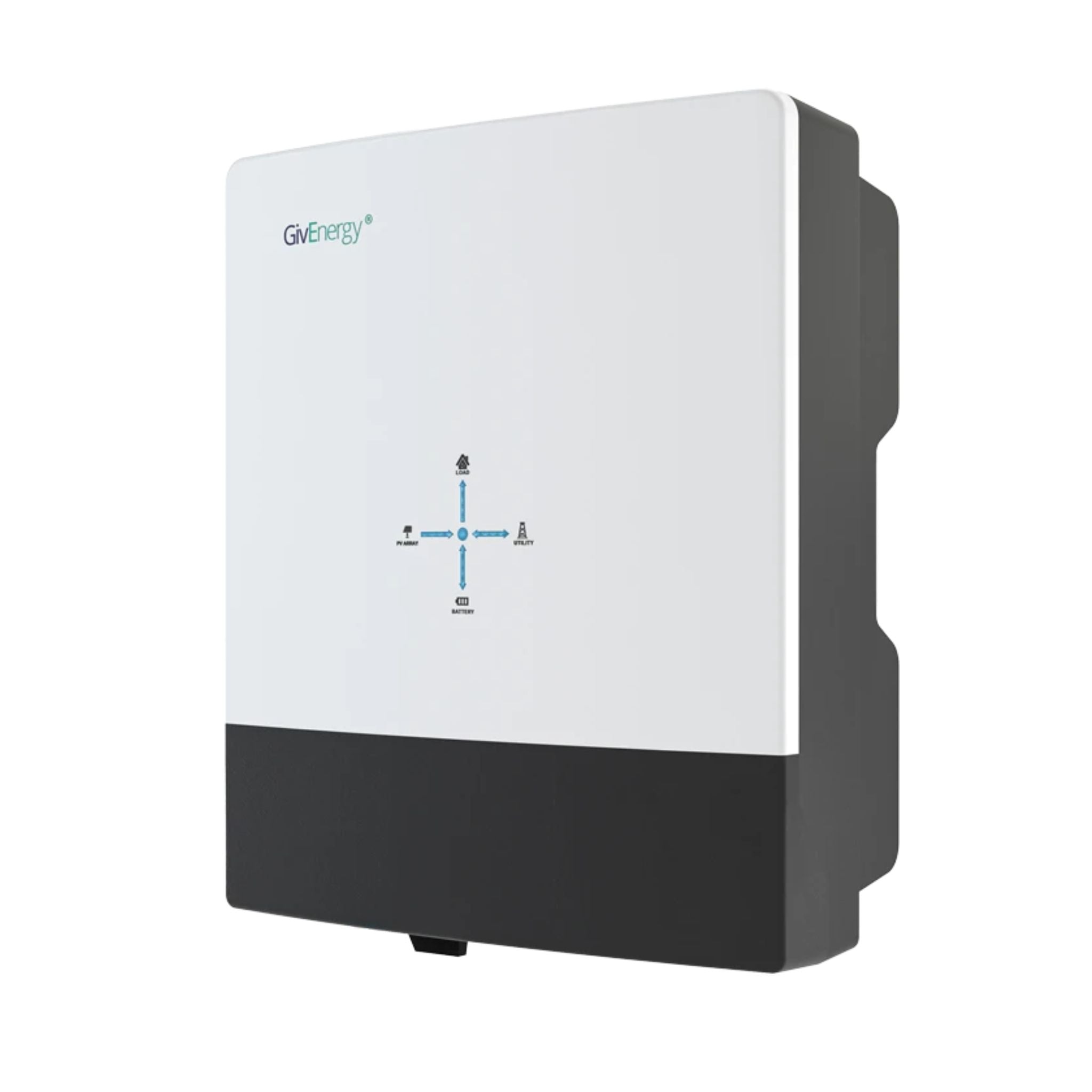
GivEnergy All-in-One 5kW Hybrid Inverter
£1,2005
7.5
2
48V
Affiliate link — we may earn a small commission at no extra cost to you
Upgrade to Higher Capacity
If your original inverter was slightly undersized, or you've added panels since installation, you can upsize. A larger inverter handles peak output better and may improve overall generation.
Add Monitoring
Older inverters often lack WiFi connectivity or app-based monitoring. Modern replacements include comprehensive monitoring as standard, giving you far better visibility of system performance.
Compatibility Check
When replacing an inverter, the new unit must be compatible with your existing panel configuration (string voltage, current, and panel count). Don't assume any inverter will work — your installer should check the panel specifications against the new inverter's MPPT input ranges. An incompatible inverter can damage panels or underperform.
Warranty Claims
If your inverter fails within its warranty period:
- Contact the manufacturer (or your installer if they handle warranty claims)
- Provide proof of purchase and installation date
- The manufacturer may diagnose remotely through monitoring data
- Warranty replacement — The manufacturer provides a replacement unit. You typically still pay for installation labour unless your installer's workmanship warranty covers it.
Some installers offer extended warranty packages that cover both the product and labour for inverter replacement. These can be worth considering for peace of mind.
Reducing Inverter Failure Risk
While you can't prevent eventual inverter failure, you can extend its life:
- Keep it cool — Install the inverter in a well-ventilated location, not in a sealed cupboard or hot loft space. Excessive heat is the primary killer of inverter electronics
- Keep it dry — Avoid locations prone to condensation or dampness (unheated garages in winter can be damp)
- Keep it clean — Dust buildup on ventilation grilles reduces cooling effectiveness
- Surge protection — A surge protector on the inverter's AC output protects against grid voltage spikes
If you're replacing your inverter, consider upgrading to one of these popular hybrid models:
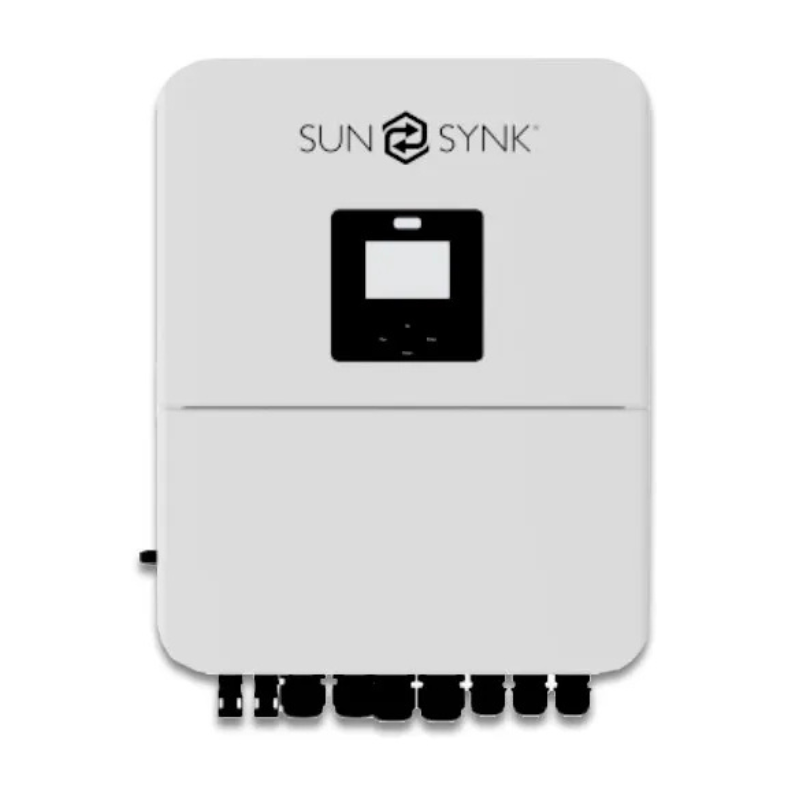
SunSynk 5kW Hybrid Inverter
£1,1505
7.5
2
48V
Affiliate link — we may earn a small commission at no extra cost to you
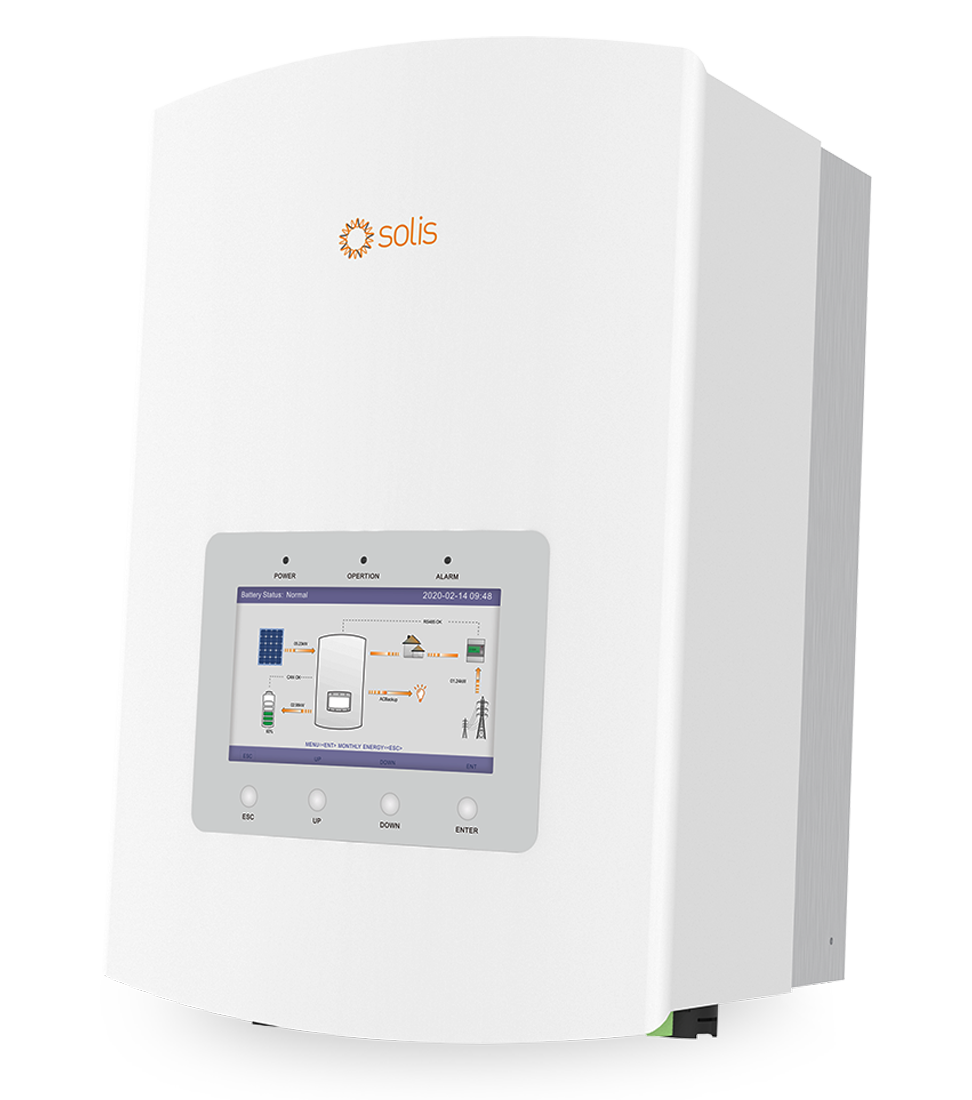
Solis RHI-5K-48ES-5G Hybrid Inverter 5kW
£9505
7.5
2
48V
Affiliate link — we may earn a small commission at no extra cost to you
Budget Planning
Knowing you'll likely need one inverter replacement over your system's life, the financial impact is:
- Replacement cost: £700–1,200 (at today's prices)
- Timing: Typically year 10–15
- Impact on payback: Extends the overall payback period by approximately 6–12 months
This should be factored into your initial payback calculation. A total system cost of £6,500 with one inverter replacement at year 12 for £900 gives a true lifetime cost of £7,400.
Share this article

OVO has carefully selected trusted teams across the UK to install solar panels and heat pumps. Enjoy the personal touch of a local expert with the peace of mind of a household name.
Affiliate link — we may earn a small commission at no extra cost to you
Stay informed
Get free solar updates direct to your inbox
Related reading
Solar Inverters Explained: Types, Sizing, and Real-World Limits
String, micro, and hybrid inverters explained clearly — plus the critical G98/G99 threshold at 3.68kW and what it means for what you can run simultaneously.
How Long Do Solar Panels Last? The Honest Answer
Solar panels are rated for 25–30 years, but what does that actually mean? Degradation rates, warranty types, what happens after 25 years, and why inverters are the weak link.

Solar Panel Maintenance: What's Actually Needed?
The honest guide to solar panel maintenance in the UK — spoiler: it's less than you think. What you actually need to do, and what you can safely skip.


Switch to Octopus Energy
Get 50 credit when you switch. We get 50 too — win-win.
What does this mean for YOUR home?
Design your perfect solar setup in under 3 minutes. Free, no sign-up required.
Build Your Solar System