This page contains affiliate links. If you purchase through them we may earn a small commission at no extra cost to you. Learn more
Solar Panels on New Builds: What to Expect
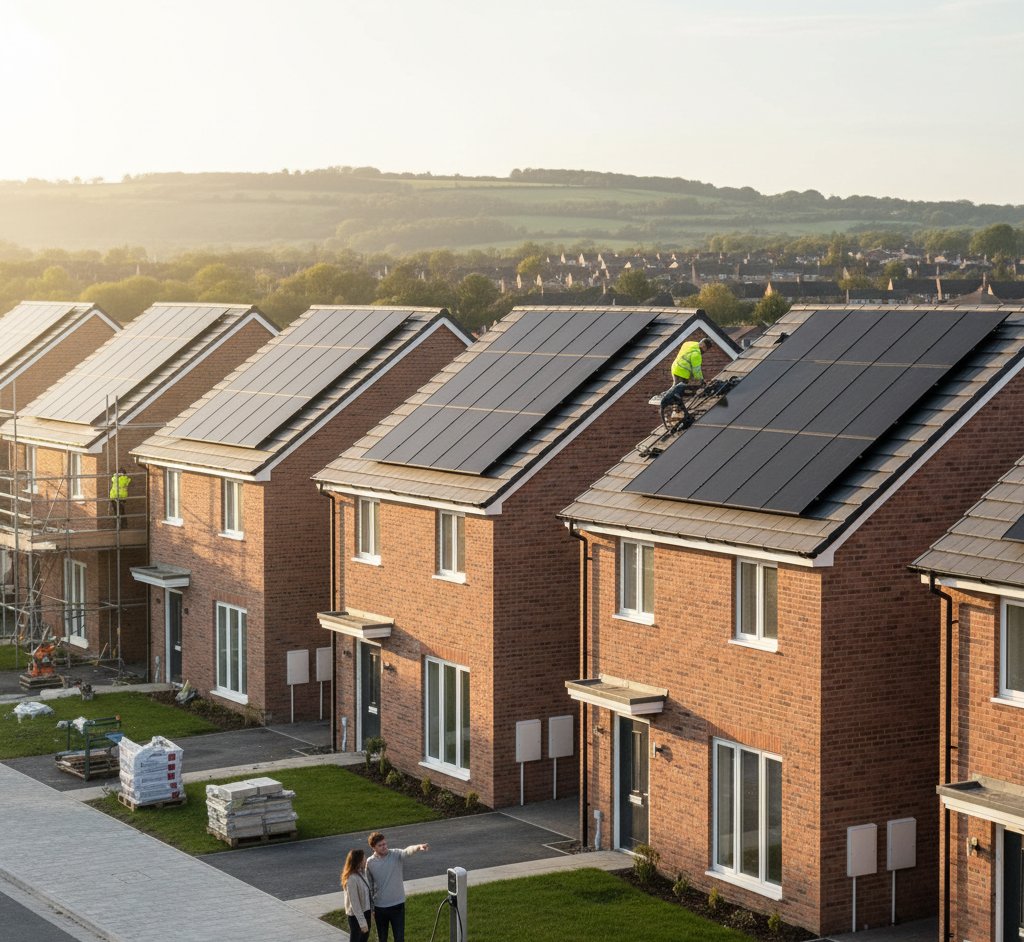
Since June 2023, new homes in England must produce significantly less carbon than before, effectively mandating solar panels or equivalent low-carbon technology on most new builds. If you're buying a new build, here's what to expect, what to check, and what to negotiate.
The Regulatory Position
The Future Homes Standard (full implementation expected 2025) will require new homes to produce 75–80% less carbon than the 2013 standard. In the meantime, an interim update to Part L of the Building Regulations (June 2023) requires a 31% reduction compared to previous standards.
Most housebuilders meet these requirements by installing solar panels, because:
- Solar PV is the most cost-effective way to achieve the required carbon reduction
- Panels are easy to integrate during construction
- Alternative approaches (ultra-high insulation, heat pumps alone) are often more expensive
This means the vast majority of new homes being built today come with some solar panels included in the purchase price.
What Do Builders Typically Install?
The standard new build solar package is often the minimum to comply with regulations:
- 2–3kW system (5–8 panels) on most standard houses
- 3–4kW system (8–10 panels) on larger detached homes
- Standard string inverter — functional but basic
- No battery storage — batteries aren't required by regulations
- MCS certification — should be provided but always confirm
This is a decent starting point but often less than what would be optimal for the homeowner. A 2.5kW system generates around 2,000–2,500kWh per year — useful, but a 4kW+ system would generate significantly more and reduce electricity bills further.
Ask for the Panel Specification
Before exchanging contracts, ask the builder for the exact specification: panel brand and model, wattage per panel, number of panels, inverter brand and size, mounting system, and confirmation of MCS certification. This lets you assess whether the system is adequate or minimal.
What to Check Before You Buy
System Size vs Your Needs
A 2.5kW system is a starter system. If you're going to be running a heat pump, charging an EV, or have high electricity usage, it won't cover much. Ask whether a larger system (4kW+) is available as an upgrade or option.
Panel Quality
Not all panels are equal. Some builders use budget panels from lesser-known manufacturers to minimise costs. Check:
- Is the panel manufacturer well-established? (JA Solar, Trina, Canadian Solar, LONGi are all reputable)
- What wattage per panel? (Below 380W is now behind the curve)
- What's the panel warranty? (25-year product warranty is standard from quality manufacturers)
Inverter Quality
The inverter is the component most likely to need replacement during the system's life. Check the brand — Solis, GivEnergy, SolarEdge, Fox ESS, and Growatt are all reputable. A cheap unbranded inverter is a red flag.
Roof Orientation
New build layouts are designed around plot efficiency, not solar optimisation. Check which direction the solar panels face:
- South: Optimal — 100% generation potential
- East or west: Good — 80–85% of south-facing output
- North: Poor — question why panels were placed here (sometimes builders do this to meet regs on paper while facing panels away from neighbours)
Wiring for Future Expansion
Ask whether the electrical system is pre-wired for:
- Battery storage (even if not included now)
- EV charging
- Additional solar panels
Adding these later is much cheaper if the wiring is already in place.
North-Facing Panels on New Builds
Some housebuilders have been caught installing solar panels on north-facing roofs to tick the regulatory box while minimising visual impact from the street. North-facing panels in the UK generate 50–60% less than south-facing panels. If the builder's sales brochure shows solar panels, check which roof slope they're actually on.
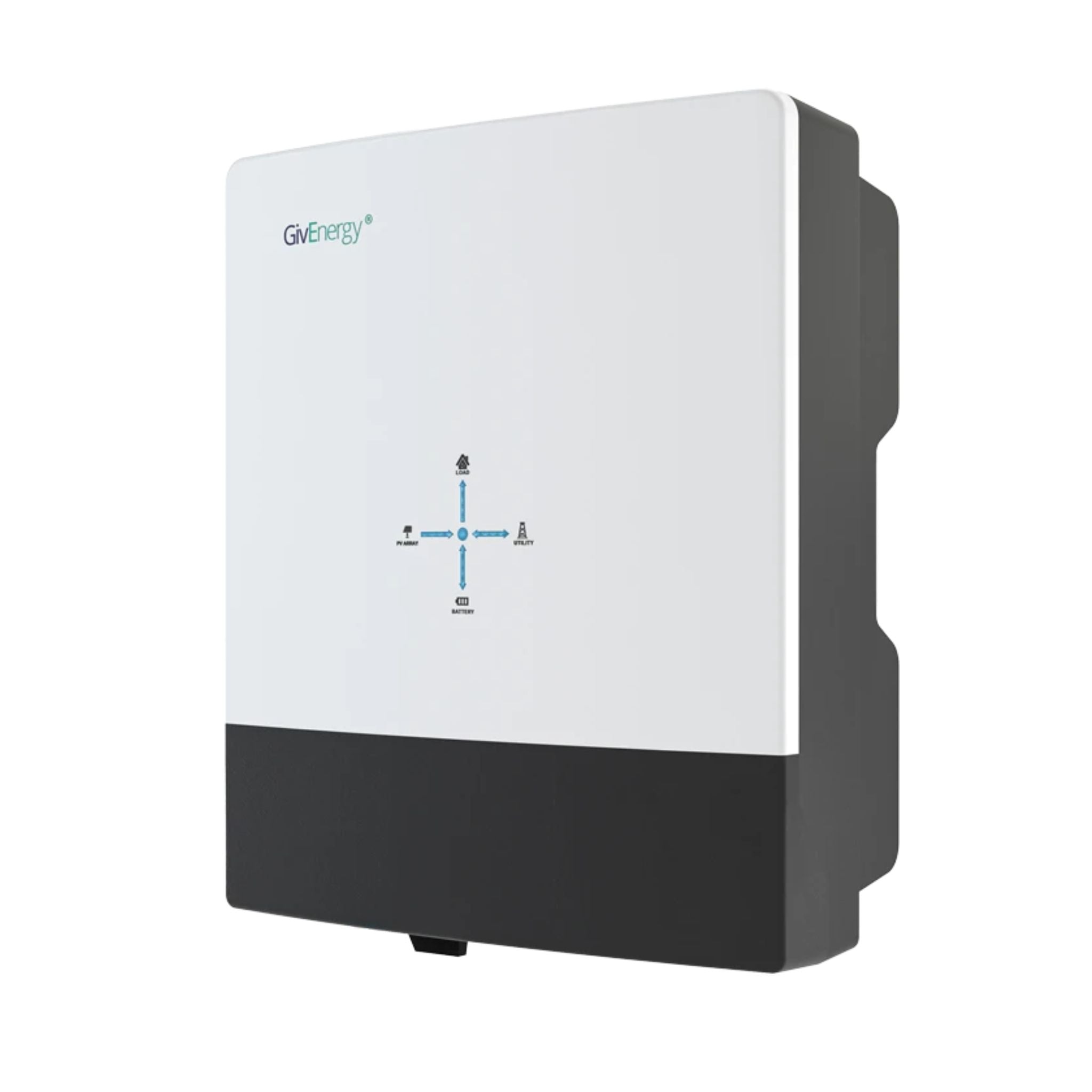
GivEnergy All-in-One 5kW Hybrid Inverter
£1,2005
7.5
2
48V
Affiliate link — we may earn a small commission at no extra cost to you
Negotiating Upgrades

Most national housebuilders offer upgrade packages. Solar-related options may include:
- Additional panels — Expanding from 2.5kW to 4kW+ (typical cost: £1,500–3,000)
- Battery storage — Adding a 5–10kWh battery (typical cost: £3,000–5,000)
- Premium inverter — Upgrading to a hybrid inverter that supports battery addition later
- EV charger — Often available as a combined package with solar
These upgrades are almost always cheaper during construction than retrofitting later, because:
- Scaffolding is already up
- The roof is accessible
- Electrical connections can be designed in from the start
- The builder can bulk-buy equipment at trade prices
Negotiation Tips
- Housebuilders are used to negotiating — flooring upgrades, kitchen upgrades, and now solar upgrades
- Ask for the upgrade cost to be included in the house price (it then gets covered by your mortgage)
- If the market is slow, builders are more willing to include upgrades at reduced cost or free
- Get upgrade specifications in writing before exchange of contracts

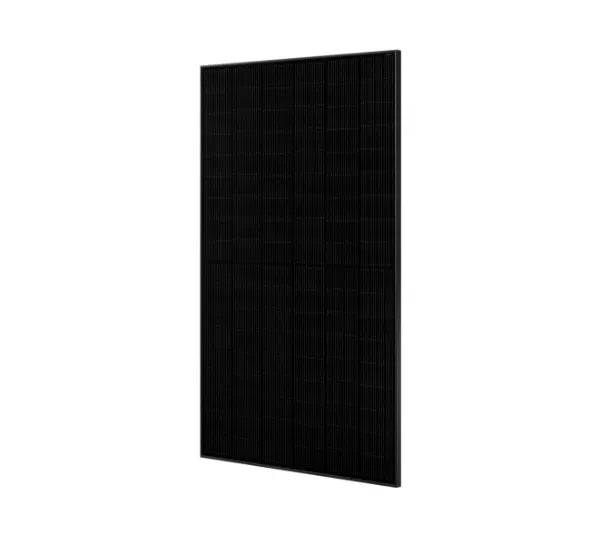
JA Solar JAM54D41 450W N-type TOPCon
£82450
22.8
1722 x 1134 x 30
21.5
Affiliate link — we may earn a small commission at no extra cost to you
MCS Certification and Smart Export Guarantee
Your new build solar installation should come with MCS certification. This is essential for:
- Claiming Smart Export Guarantee payments for surplus electricity
- Validating the system's performance specifications
- Meeting building regulations compliance evidence
Ask for the MCS certificate before you complete on the purchase. If the builder hasn't arranged MCS certification, this is a significant omission — push back firmly.
After Moving In
Once you're in your new home:
- Register for SEG: Contact an energy supplier offering the Smart Export Guarantee and register your system. This earns you payment for exported electricity.
- Understand your system: Ask the builder or installer for a handover session explaining how to read the inverter display and monitor generation.
- Set up monitoring: Most modern inverters have an app. Set this up to track daily generation and identify any issues early.
- Consider adding a battery: If your system doesn't include one, a battery can be retrofitted. This is the single most impactful upgrade for maximising self-consumption.
Share this article

OVO has carefully selected trusted teams across the UK to install solar panels and heat pumps. Enjoy the personal touch of a local expert with the peace of mind of a household name.
Affiliate link — we may earn a small commission at no extra cost to you
Stay informed
Get free solar updates direct to your inbox
Related reading

How Much Do Solar Panels Cost in the UK in 2026?
Realistic UK solar panel costs broken down by system size, installation, and what actually affects the price you'll be quoted.

Is My Roof Suitable for Solar Panels?
Find out if your roof can take solar panels — covering direction, angle, shading, structural condition, and options for tricky roofs.
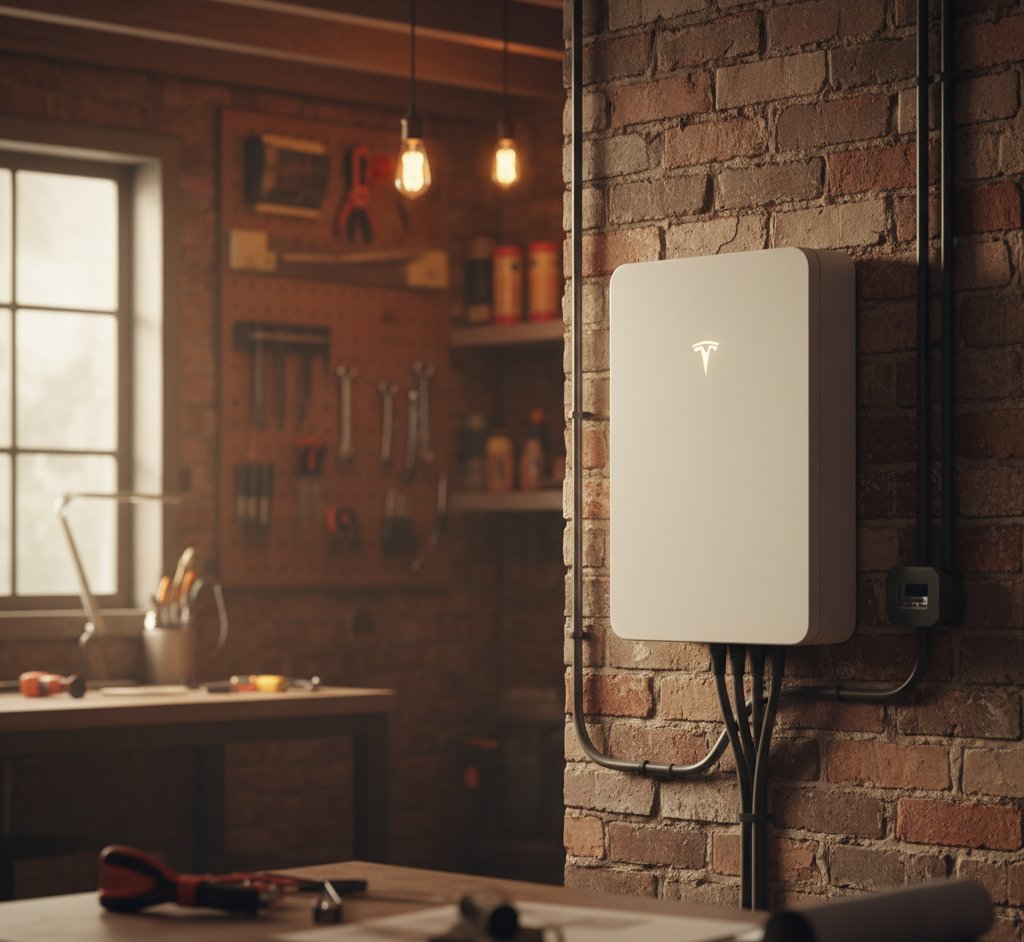
Solar Battery Storage: Complete UK Guide 2026
Everything you need to know about adding battery storage to a UK solar installation — types, sizing, costs, and which products are worth considering in 2026.


Switch to Octopus Energy
Get 50 credit when you switch. We get 50 too — win-win.
What does this mean for YOUR home?
Design your perfect solar setup in under 3 minutes. Free, no sign-up required.
Build Your Solar System