This page contains affiliate links. If you purchase through them we may earn a small commission at no extra cost to you. Learn more
Solar Panels in Shared Ownership: Permissions, Costs, and Who Benefits
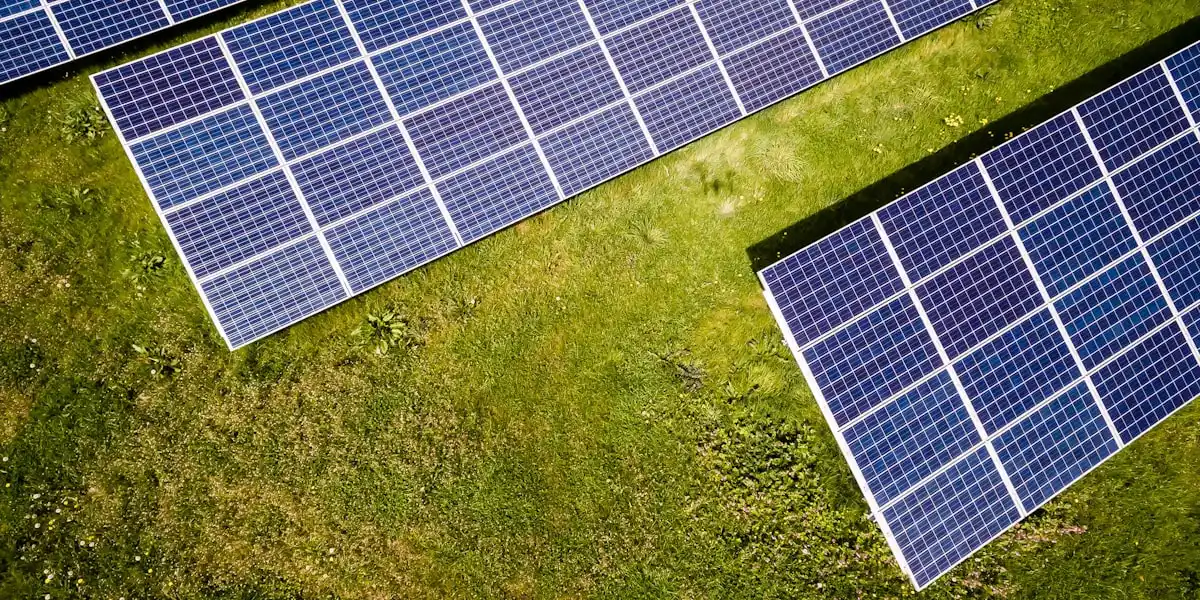
Shared ownership sits in its own complicated category when it comes to solar panels. You part-own the home, a housing association owns the rest, and a lease governs almost everything you can and cannot do to the property. Adding solar panels into that mix raises genuine questions: who must give permission, who gets any export income, and what happens if you decide to staircase to full ownership later? This guide works through each question in plain terms.
What Makes Shared Ownership Different
Shared ownership is a government-backed scheme that lets you buy a share of a property — typically between 10% and 75% — and pay rent to a housing association on the remainder. Over time, you can buy additional shares through a process called staircasing, potentially reaching 100% ownership.
All shared ownership properties are leasehold. This is not optional — it is baked into how the scheme works. You hold a lease (typically 99–125 years) from the housing association, which retains a legal interest in the building throughout the shared ownership period.
This matters for solar in three ways:
- The housing association has a financial stake in the property. It wants to protect the value of its share, so it has a say in what happens to the building.
- Your lease contains covenants — binding promises about what you will and will not do to the property. External alterations almost always require consent.
- The housing association is not just a passive landlord. It is your co-owner, your landlord for the rented portion, and usually your building insurer — all at once.
Read Your Lease Before Approaching Anyone
Before contacting your housing association or getting quotes from installers, read your lease carefully. Look for clauses on "alterations", "external modifications", or "additions to the property". The exact wording determines whether you need consent and what kind. Some leases contain absolute restrictions; others allow alterations with consent. Starting conversations with installers before you know your legal position wastes everyone's time and can create pressure to proceed before you are ready.
Can You Install Solar on a Shared Ownership Home?
The short answer: possibly, but only with your housing association's written consent. Whether they will give it depends on their policies, your lease terms, and how you present the request.
What Your Lease Will Say
Most shared ownership leases contain an alteration clause along the lines of:
"Not to make any alteration, addition or improvement to the property without the prior written consent of the landlord, such consent not to be unreasonably withheld."
The critical phrase is "not to be unreasonably withheld" — known legally as a fully qualified covenant. If your lease uses this wording, the housing association must genuinely consider your request and cannot refuse without a reasonable basis. That is a better position than an absolute covenant, which simply prohibits alterations regardless of circumstances.
If your lease contains an absolute restriction on external alterations, the only route is to negotiate a deed of variation — a formal legal change to the lease terms. This requires the housing association's agreement and will involve legal costs on both sides. It is uncommon, but not impossible, particularly for newer shared ownership properties where housing associations have updated their standard terms.
What Type of Property You Have
Solar permissibility also depends on whether your shared ownership home is a house or a flat.
Houses: More straightforward. You typically have sole use of the roof, and many housing associations will consider a request. You may still fall within Permitted Development rights — meaning no planning permission is required — as long as the installation meets the standard criteria (panels flush to the roof, not projecting more than 200mm, not on a listed building or in a conservation area). Check permitted development rules for solar first.
Flats: More complicated. The roof almost certainly belongs to the housing association or a managing body for the whole building. Individual shared owners in a block of flats rarely have any right to install panels on the roof, even with consent, because the roof is a communal asset affecting all residents.
How to Get Permission
If your lease allows alterations with consent, here is a practical approach to making the request.
Step 1: Get the Lease Clause in Front of You
Ask your solicitor or housing association for a copy of your lease if you do not already have one. Read the alteration clauses yourself — do not rely on a summary from anyone else.
Step 2: Contact Your Housing Association's Home Ownership Team
Most housing associations have a dedicated home ownership or shared ownership team. Call or email them to ask:
- Whether they have a policy on solar panel installations for shared owners
- What their consent process involves
- What information they need from you
- What their typical decision timeline is
Some larger housing associations have already considered solar as part of their sustainability plans and have a clear process. Others will be encountering the request for the first time.
Step 3: Submit a Formal Written Request
Do not rely on phone conversations. Submit a written request that includes:
- The type of system you propose (system size in kW, approximate panel count, whether battery storage is included)
- Where panels will be located on the property
- The name and MCS accreditation number of your proposed installer
- Confirmation that the work will comply with building regulations and relevant British Standards
- A statement that you accept responsibility for maintenance of the system
- An offer to notify your home insurer and confirm that the installation is covered
Request Written Confirmation of Their Decision
Whatever the housing association decides, ask for their response in writing. If they approve, you need that written consent to hand to your installer, your insurer, your mortgage lender, and any future buyer of your home. If they approve with conditions — such as using a specific installer or providing a structural survey — those conditions should also be in writing. Verbal agreements are not enforceable and will not satisfy a conveyancer when you come to sell.
Step 4: Allow Time
Housing associations are not always quick. Their home ownership teams may need to consult a property manager, review their own insurance arrangements, and take legal advice. Allow at least four to eight weeks for a response. If you hear nothing, a polite follow-up in writing is reasonable.
Who Pays for the Installation?
You do. As the shared owner, you are responsible for internal improvements and alterations you make to the property. The housing association's rent covers the building structure and communal areas, not improvements you choose to make.
This means you pay the full cost of the solar installation, even though you only own a percentage of the property. A typical 3–4kW system on a shared ownership house would cost in the region of £5,000–£7,000 installed, depending on location and system complexity.
Do Panels Become Part of the Building?
Yes — once installed, solar panels are legally considered fixtures rather than chattels. Fixtures are attached to and form part of the land or building, which means they pass automatically to the next owner of the property on a sale or transfer. You cannot take the panels with you when you move out.
This has two implications:
-
The value uplift from solar belongs to the property, not just to you. When the housing association revalues the property for staircasing or sale purposes, a surveyor should reflect the presence of a solar installation in the valuation. This means you receive some benefit from the increased value when you eventually sell your share or staircase.
-
You cannot remove the panels and take them with you. If you decide to move before staircasing to full ownership, the panels stay with the property.
Who Gets the SEG Income?
The Smart Export Guarantee (SEG) is the scheme that pays you for surplus solar electricity you export to the grid. As of April 2026, the best fixed SEG rates sit around 15p/kWh, with time-of-use tariffs reaching up to 24p/kWh at peak times.
Who receives the SEG payment?
SEG income goes to the person named on the MCS certificate — the homeowner who commissioned the installation. In a shared ownership scenario, that is you, the shared owner, provided the MCS certificate is registered in your name and you apply for SEG with a licensed electricity supplier.
However, there is an important caveat: some older shared ownership leases contain specific clauses restricting the leaseholder from claiming any energy income from the property. These clauses date from the Feed-in Tariff era and were sometimes inserted by housing associations who wanted to retain FiT income on association-installed systems. If your lease contains such a clause, you should take legal advice, because the SEG is a separate scheme from FiT and the clause may not apply — but this is a legal question, not an assumption to make yourself.
If your lease does not contain any income restriction, the SEG income is yours. Keep records of your MCS certificate, your meter readings, and your SEG agreement — you may need these when you eventually sell the property.
Grants and Funding Schemes
Shared owners may be eligible for government grant schemes, though eligibility criteria vary.
Warm Homes: Local Grant
This replaced ECO4 in England from April 2026. It provides funding for energy efficiency improvements (including solar panels) for households with income under £36,000 and an EPC rating of D–G. Shared owners who meet the income and EPC criteria may qualify. Applications go through your local authority. Wales has Warm Homes Nest; Scotland has Warmer Homes Scotland — eligibility rules differ in each nation.
Your housing association must give consent before you apply — the grant process will require evidence that you have permission to make alterations.
Housing Association Bulk-Buy Schemes
Some housing associations have taken a proactive approach to solar, negotiating bulk-installation contracts across their stock. In these cases, the association coordinates the installation, covers some or all of the cost, and retains the SEG income (or shares it with residents). If your association has such a scheme, it may be a better route than going it alone — the installation is simpler to approve, costs are lower per unit, and you still benefit from free electricity from the panels during daylight hours.
Ask your home ownership team whether your association has or is planning a solar programme.
VAT Relief
Solar panel installations currently benefit from 0% VAT in the UK, a relief that runs until April 2027. This applies regardless of tenure — shared owners pay no VAT on a qualifying solar PV installation.
What Happens When You Staircase?
Staircasing means buying additional shares in your shared ownership property, eventually up to 100%. The process involves a RICS surveyor valuing the property at the time you wish to buy more shares, then paying the housing association the market value of the additional percentage.
When you staircase, the solar panels stay with the property. Because panels are fixtures, they form part of the property valuation. A surveyor should factor an existing, functioning solar installation into the property's value — meaning your upfront investment partially returns to you through a higher valuation of the shares you already own.
At 100% ownership, you own the property and the panels outright. You can continue earning SEG income. You no longer need housing association consent for future modifications. The complexity of the shared ownership relationship ends.
Mid-Staircase: Partial Ownership Periods
If you install solar when you own, say, 40% of the property and later staircase to 60%, the panels remain on the property throughout. You continue to benefit from free electricity and SEG income during each stage. The housing association's valuation at each staircasing step should acknowledge the system.
Keep all your solar documentation — MCS certificate, installation sign-off, building regulations certificate, warranty documents, SEG contract — so that these can be provided to the RICS surveyor and conveyancer at each staircasing transaction.
What Happens If You Sell Your Share?
If you decide to sell your share of the property rather than staircase, the process is:
- You notify your housing association, which typically has first refusal to find another buyer ("nomination rights").
- A RICS surveyor values the property — the solar installation should be factored into this.
- You sell your share at the agreed price.
- The buyer inherits the property including the solar panels.
Your conveyancer will need to provide the buyer (and their mortgage lender) with:
- Written consent from the housing association for the solar installation
- The MCS certificate
- Building regulations completion certificate
- Installation warranty documents
- Any SEG contract details (so the buyer can take over or renegotiate)
Without the housing association's written consent on file, a buyer's conveyancer may raise the installation as an unlicensed alteration — which could delay or complicate the sale. This is why obtaining written consent before installation (not just a verbal approval) matters so much.
What If the Housing Association Says No?
Unfortunately, you have limited options if the housing association refuses your request.
You cannot override the refusal. Unlike some residential tenancy situations, there is no legal mechanism that forces a housing association to permit alterations on shared ownership properties. The shared ownership lease is a private contract, and the association's consent is required on its terms.
You can appeal. Ask for the reason for refusal in writing and see whether the concerns can be addressed. Common reasons include:
- Structural concerns — addressable with a structural engineer's report
- Insurance complications — addressable by contacting your insurer and confirming coverage
- Impact on property value — addressable by pointing to evidence that solar increases EPC ratings and property values
- Concerns about appearance — addressable by proposing all-black panels and sharing planning guidance
You can wait. Housing association policies evolve. An association that has no position on solar today may develop a formal approval process in a year or two, particularly as the government's net zero targets put pressure on social housing providers to decarbonise their stock.
You can explore alternatives. If roof-mounted solar is blocked:
- Balcony or freestanding panels may not require the same consent, depending on your lease
- Plug-in solar panels under 800W involve no permanent modification and following the March 2026 government announcement can be plugged directly into a standard socket
- Community energy schemes let you invest in solar generation without touching your property
Practical Checklist
Use this sequence before committing to anything:
- Read your lease — find the alteration and consent clauses; note the exact wording
- Check permitted development — confirm whether the installation would qualify as PD (no planning permission needed) or whether planning consent is also required
- Contact your housing association's home ownership team — ask about their policy and process before approaching installers
- Speak to your mortgage lender — some lenders want to be notified of material alterations; confirm their position. If you're unsure how your lender handles alterations in shared ownership, Unmortgageable covers the mortgage side of property modifications in depth
- Get MCS-certified installer quotes — only once you know consent is likely; do not commit to a deposit beforehand
- Submit a formal written consent request — include full installation details and installer accreditation
- Receive written approval — do not proceed without it
- Proceed with installation — ensure the installer registers the MCS certificate in your name
- Apply for SEG — register with a licensed electricity supplier to start earning from exports
- File all documentation — store consent letter, MCS certificate, building regs sign-off, and warranty in a safe place
Share this article

Energy-saving LED lighting — make the most of your solar electricity with efficient bulbs and fixtures
Affiliate link — we may earn a small commission at no extra cost to you
Stay informed
Get free solar updates direct to your inbox
Related reading
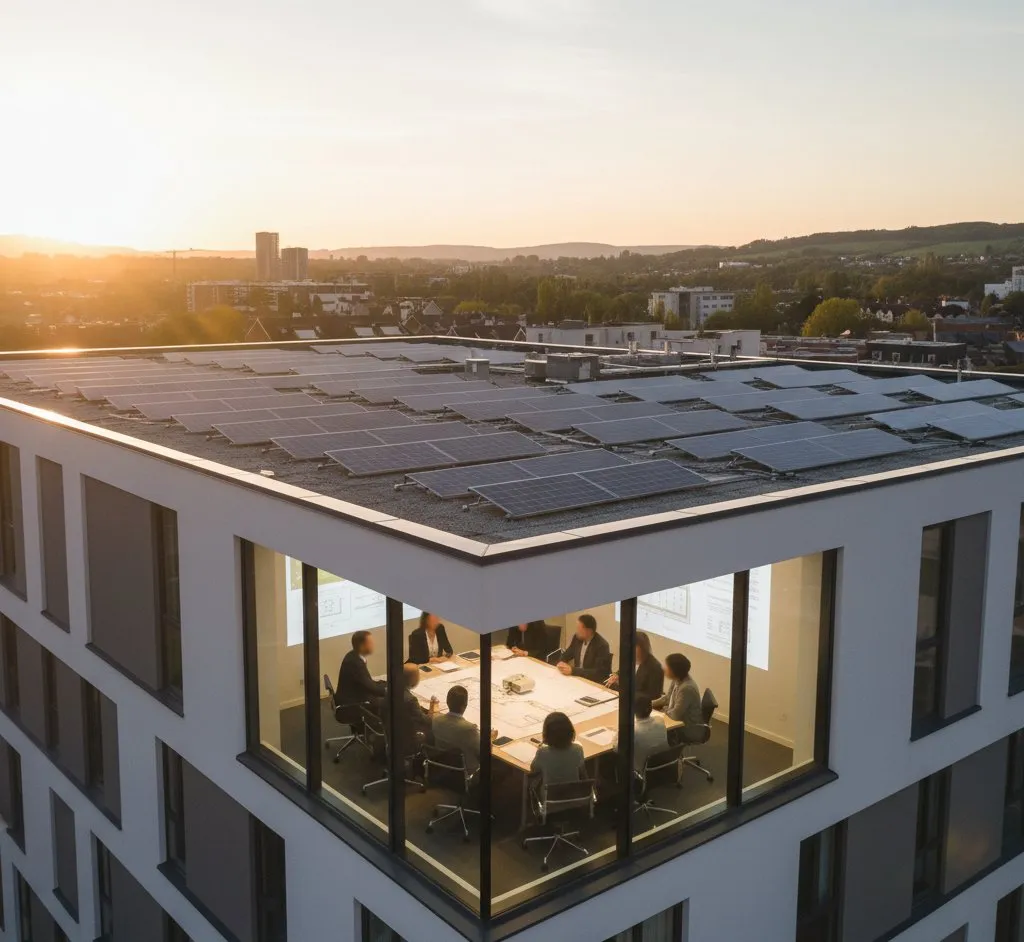
Solar Panels as a Leaseholder: Permissions and Options
Can leaseholders install solar? UK leasehold permissions, freeholder consent, lease covenants, and practical alternatives for flat owners.
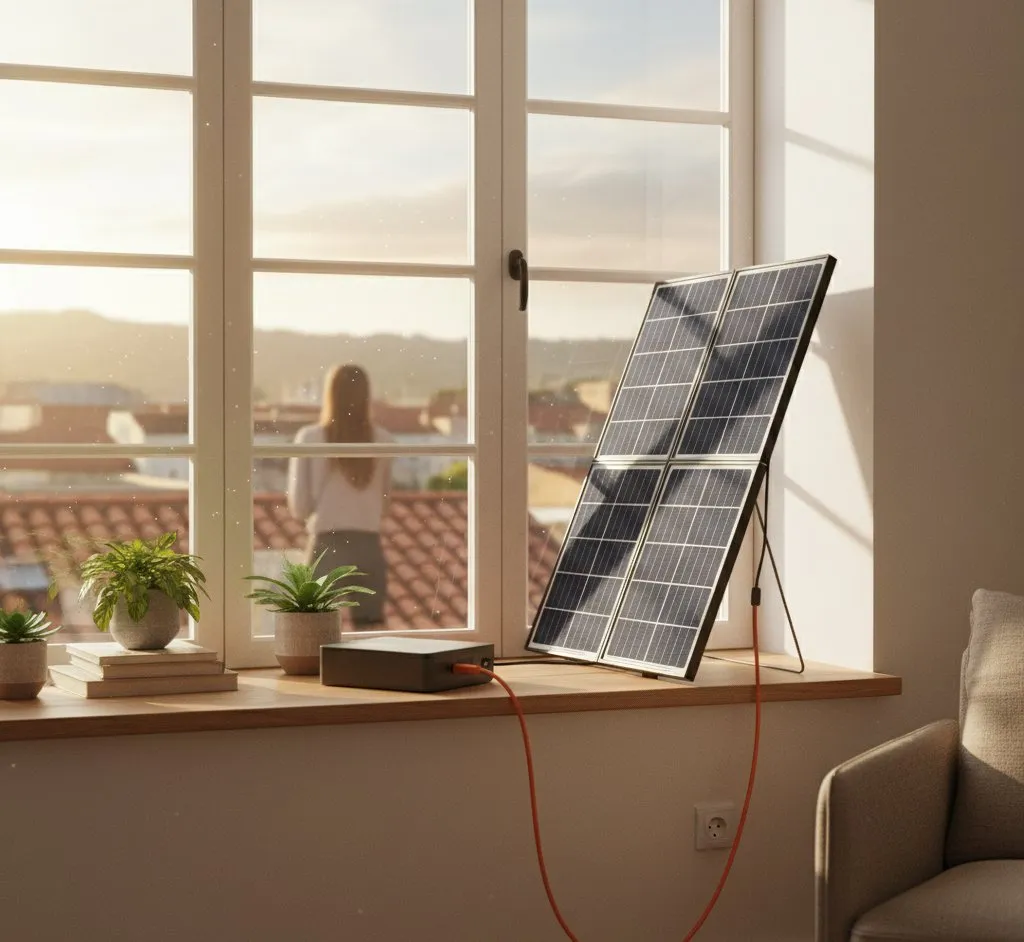
Solar Options for Renters: What Can You Actually Do?
Solar energy options for UK renters. From portable panels to smart tariffs, here's what you can actually do to benefit from solar without owning your home.
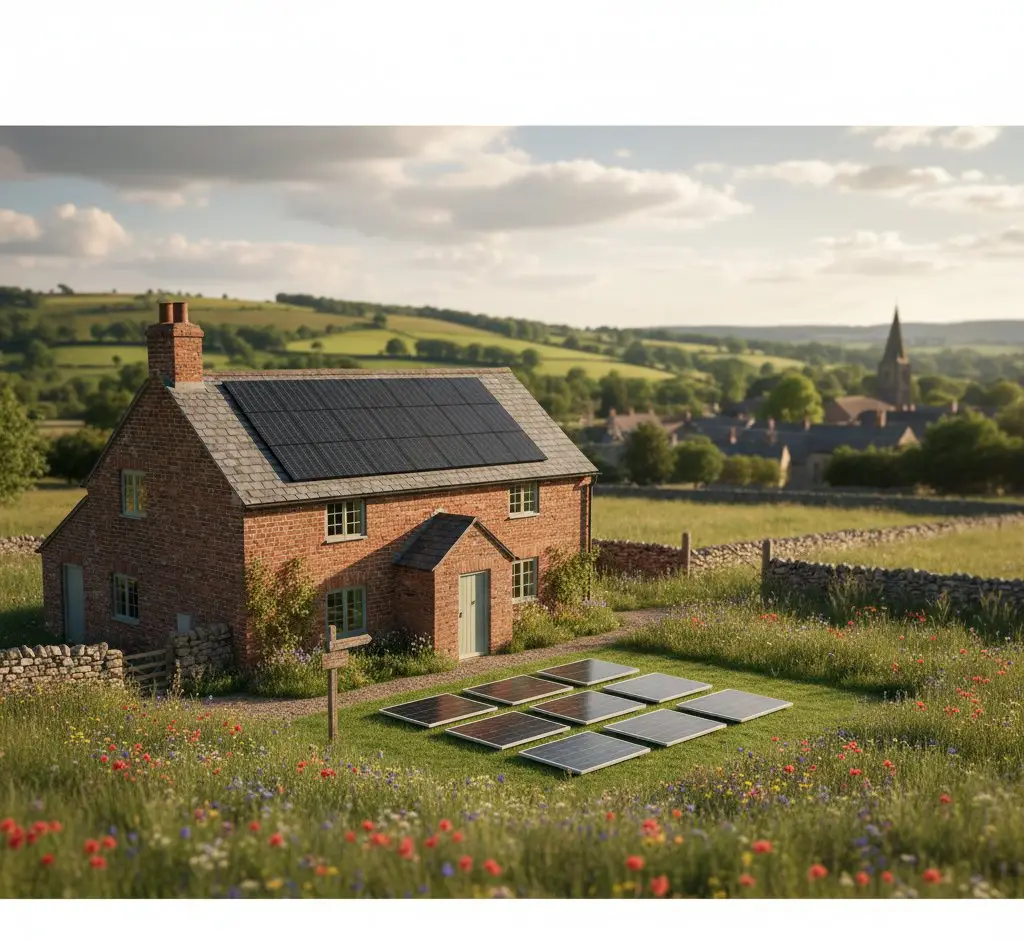
Permitted Development: The 9m² Rule for Solar
Permitted development rights for solar panels in the UK — the 9m² limit for ground-mounted systems and what you can install without planning permission.


Switch to Octopus Energy
Get 50 credit when you switch. We get 50 too — win-win.
What does this mean for YOUR home?
Design your perfect solar setup in under 3 minutes. Free, no sign-up required.
Build Your Solar System