This page contains affiliate links. If you purchase through them we may earn a small commission at no extra cost to you. Learn more
Wall-Mounted Solar Panels: A Viable Alternative?
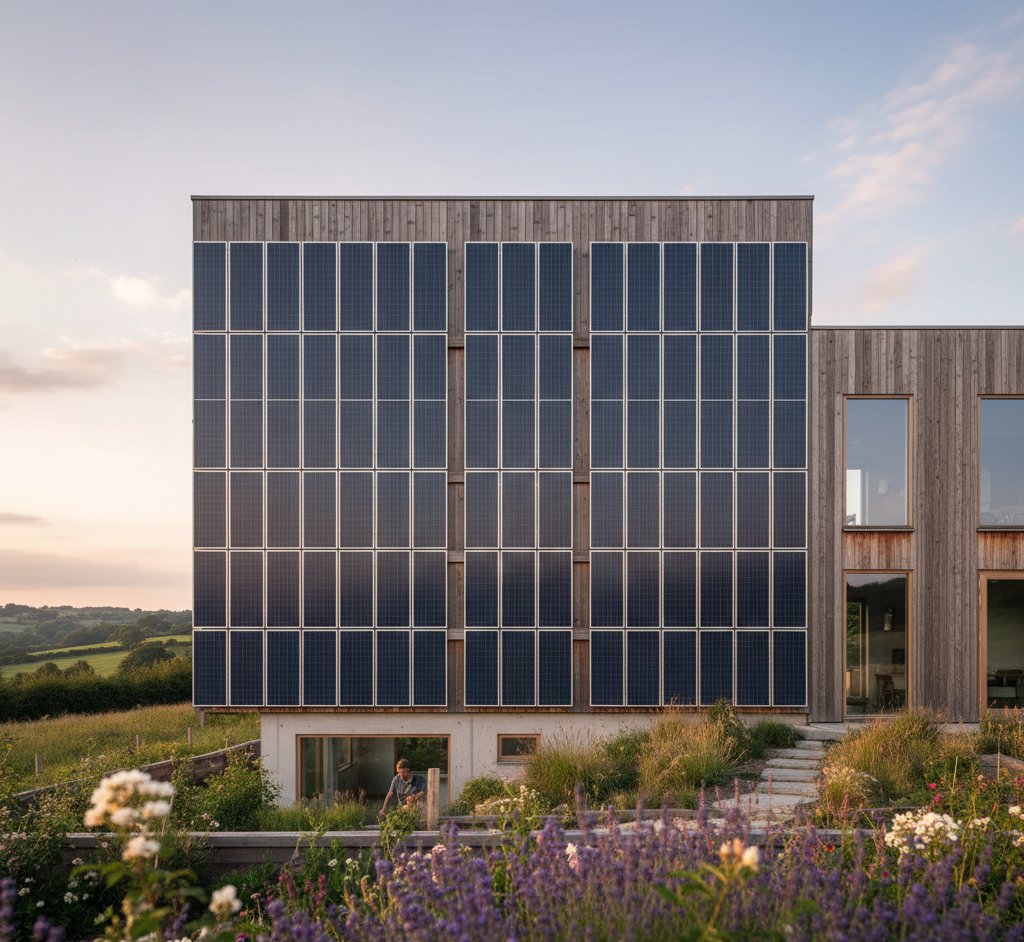
Wall-mounted solar panels are an uncommon but sometimes practical option when roof mounting isn't possible. They're far less common than roof or ground installations, but in specific situations they can be the best — or only — viable approach.
When Wall Mount Makes Sense
Wall-mounted solar is worth considering when:
- Your roof is structurally unsuitable, north-facing, or heavily shaded
- You have no garden space for a ground-mounted system
- You have a large, unobstructed south-facing wall
- You're in a property where roof panels aren't permitted (some listed buildings)
- You want panels for a garage, barn, or outbuilding with vertical wall space
It's most commonly seen on:
- Agricultural buildings and barns
- Commercial properties with large south-facing facades
- Properties where vertical mounting is the only option
- As a supplement to an existing roof array
How Does Wall-Mounted Solar Perform?
Here's the honest picture: wall-mounted panels generate significantly less than roof-mounted panels at optimal angles.
A solar panel performs best when sunlight hits it at a perpendicular angle. In the UK, the sun is never directly overhead — even at midsummer, the sun's highest angle is around 60° from the horizon in southern England. This means:
- Panels at 30–35° tilt (standard roof mount): 100% of potential output
- Panels at 90° (vertical, wall-mounted): approximately 60–70% of potential output on a south-facing wall
The exact reduction depends on orientation:
- South-facing wall: 60–70% of optimal
- Southeast or southwest-facing wall: 50–60% of optimal
- East or west-facing wall: 40–50% of optimal
Seasonal Variation
Interestingly, wall-mounted panels have a more even seasonal generation profile than roof panels. Because the sun is lower in winter, vertical panels actually catch more winter sunlight relative to their annual total. This can be advantageous if you want to maximise winter generation (when electricity demand and prices are highest).
Winter Performance Advantage
Wall-mounted panels lose less output in winter compared to optimally tilted panels. If your primary concern is winter electricity generation (for example, to offset high winter heating costs), wall-mounted solar performs relatively better in the colder months than its annual average suggests.
Mounting Methods
Bracket-Mounted
Panels are attached to the wall using metal brackets bolted into the masonry. This is the most common method.
- Brackets must be fixed into solid masonry (brick, block, stone) — not render or cladding
- The wall must be structurally sound with no movement or cracking
- A cavity wall requires longer fixings that anchor into the inner leaf
- Stainless steel or galvanised brackets resist corrosion
Angled Brackets
Instead of mounting panels flat against the wall (vertical), angled brackets tilt them outward at 15–30° from vertical. This improves generation by 10–15% compared to fully vertical mounting but increases wind load and visual impact.
Integrated Facade Systems
In new builds or major renovations, solar panels can be integrated into the building facade as cladding material. This is primarily a commercial approach and rarely cost-effective for residential properties.
Costs
Wall-mounted solar is typically comparable in cost to roof-mounted, or slightly more due to specialist brackets and the need for scaffold access:
| System Size | Approximate Cost |
|---|---|
| 2kW (5 panels) | £3,500–4,500 |
| 3kW (8 panels) | £5,000–6,500 |
| 4kW (10 panels) | £6,500–8,000 |
However, because generation is 30–40% lower, the cost per kWh generated is significantly higher. The payback period for wall-mounted solar is typically 12–16 years versus 7–10 years for optimal roof-mounted systems.
Planning Permission
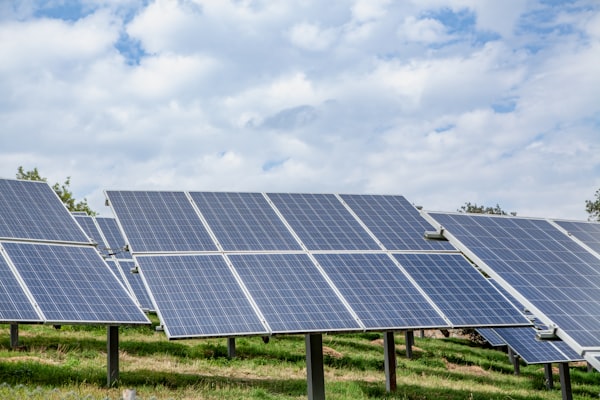
Wall-mounted solar panels have specific permitted development rules:
- Panels must not protrude more than 200mm from the wall surface
- No panel should be higher than the highest part of the roof (excluding chimney)
- In conservation areas, panels are not permitted on a wall forming the principal elevation visible from a highway
- Listed buildings require listed building consent for any external alterations
If your wall panels meet these criteria, planning permission is generally not required. But if in doubt, contact your local planning authority for a determination.
Structural Assessment
Before mounting solar panels on a wall, ensure the wall can handle the load and the bracket fixings. Panels plus brackets typically weigh 15–20 kg per panel. While this is modest, the fixings must be secure against wind uplift forces, which can be significant on an exposed wall. A structural assessment may be advisable for older or cavity walls.
Practical Considerations
Self-Cleaning
Roof panels benefit from rainfall washing away dirt at their tilted angle. Vertical wall panels don't self-clean as effectively. Dust, pollen, and bird droppings can accumulate and reduce output. You may need to clean wall-mounted panels more frequently — though being at a reachable height makes this easier than cleaning roof panels.
Shading from Ground Level
Wall-mounted panels, being lower down, are more susceptible to shading from fences, hedges, neighbouring buildings, and garden structures. A clear south-facing aspect is essential.
Visual Impact
Wall-mounted panels are highly visible and change the appearance of your building significantly. If aesthetics matter, consider black-framed panels on dark walls for a more integrated look.
Snow and Rain
Vertical panels shed snow immediately (it simply slides off) and rain runs straight down. This is a minor advantage in snowy conditions compared to low-angle panels where snow can accumulate.
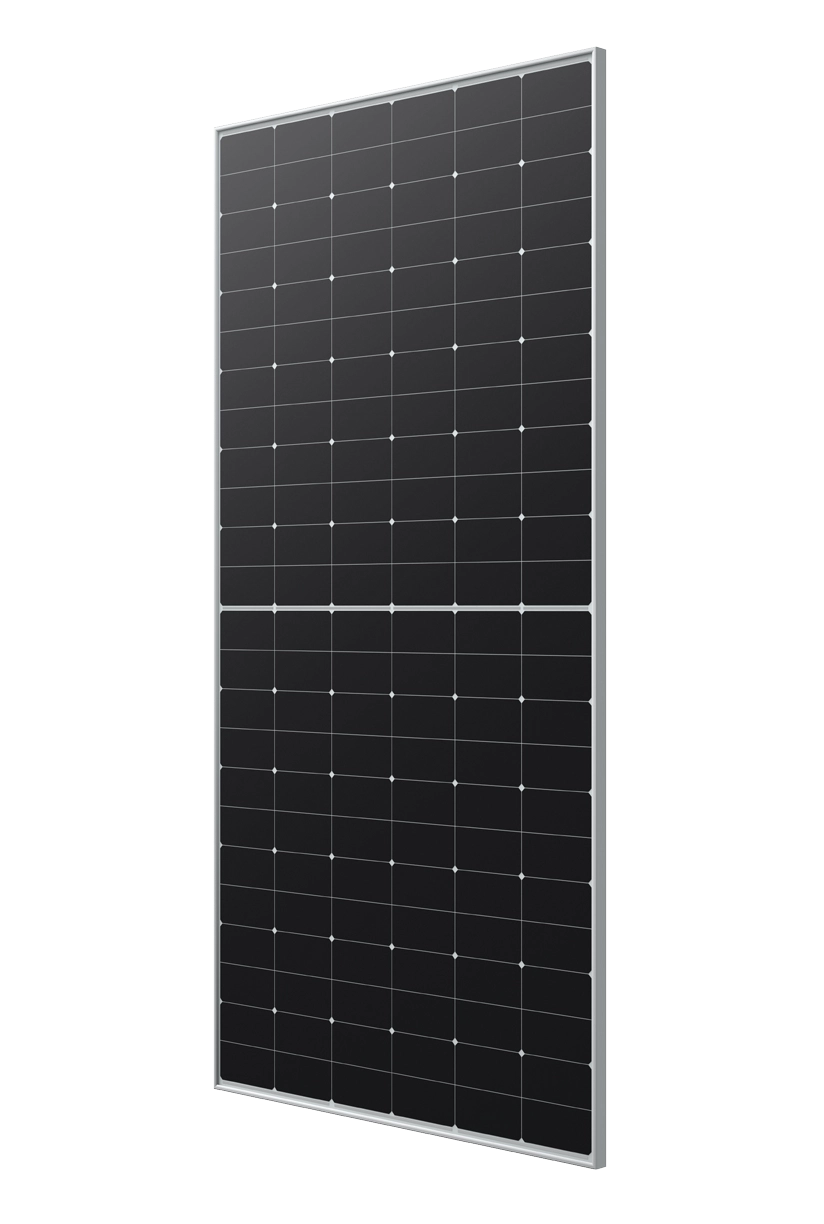
LONGi Hi-MO X6 450W
£85450
23
1722 x 1134 x 30
21.3
Affiliate link — we may earn a small commission at no extra cost to you
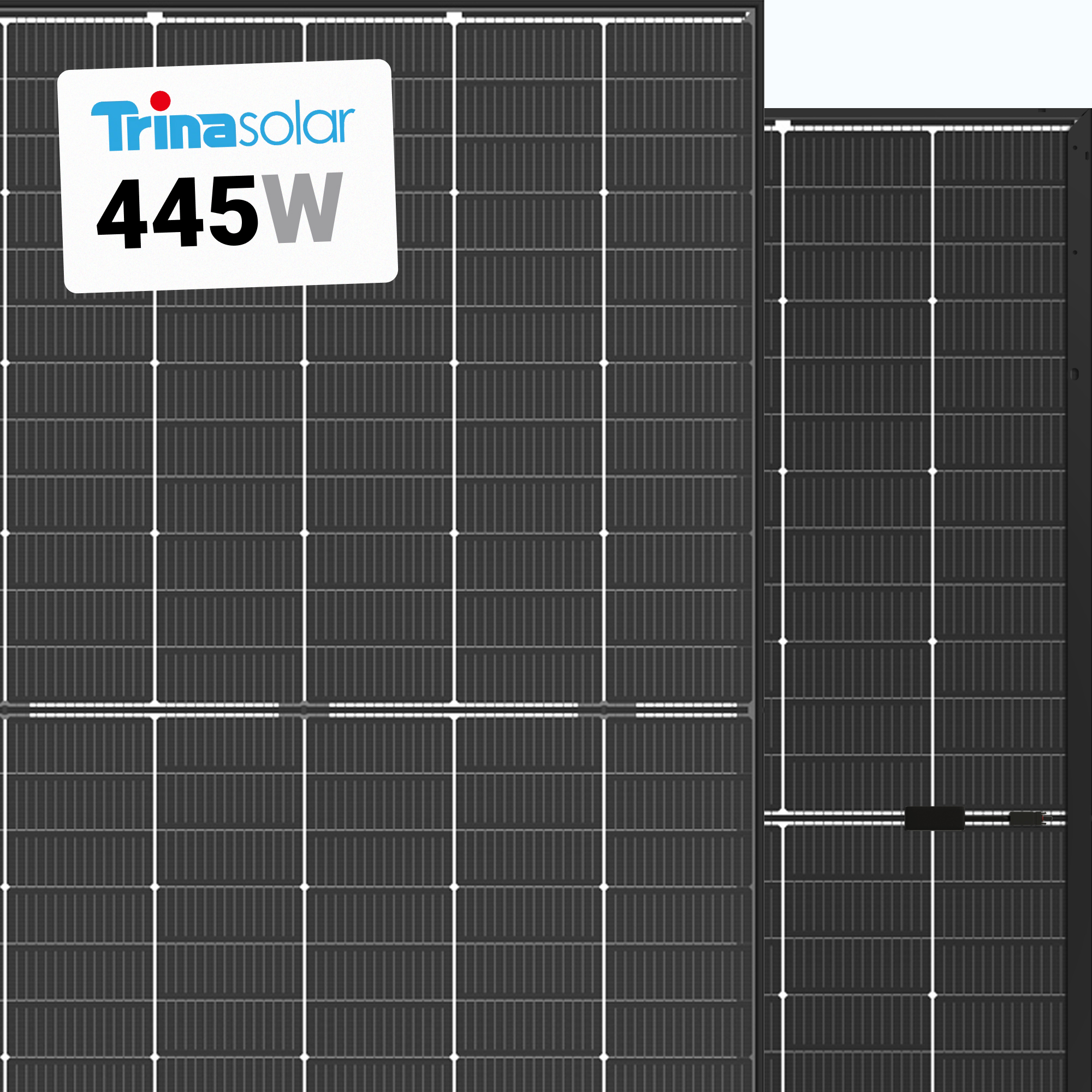
Trina Solar Vertex S+ 445W
£75445
22.5
1762 x 1134 x 30
21.8
Affiliate link — we may earn a small commission at no extra cost to you
Is Wall-Mounted Solar Worth It?
For most properties, wall-mounted solar is a last resort rather than a first choice. The 30–40% generation reduction means longer payback and lower lifetime savings compared to roof or ground mounting.
However, if your alternatives are:
- No solar at all
- A north-facing roof with very poor generation
- An expensive ground-mount system with planning complications
...then wall-mounted panels on a good south-facing wall can still generate meaningful electricity and reduce your bills. A 3kW wall-mounted system on a south-facing wall in southern England would generate approximately 2,000–2,400kWh per year — still enough to save £300–450 annually.
Share this article

OVO has carefully selected trusted teams across the UK to install solar panels and heat pumps. Enjoy the personal touch of a local expert with the peace of mind of a household name.
Affiliate link — we may earn a small commission at no extra cost to you
Stay informed
Get free solar updates direct to your inbox
Related reading
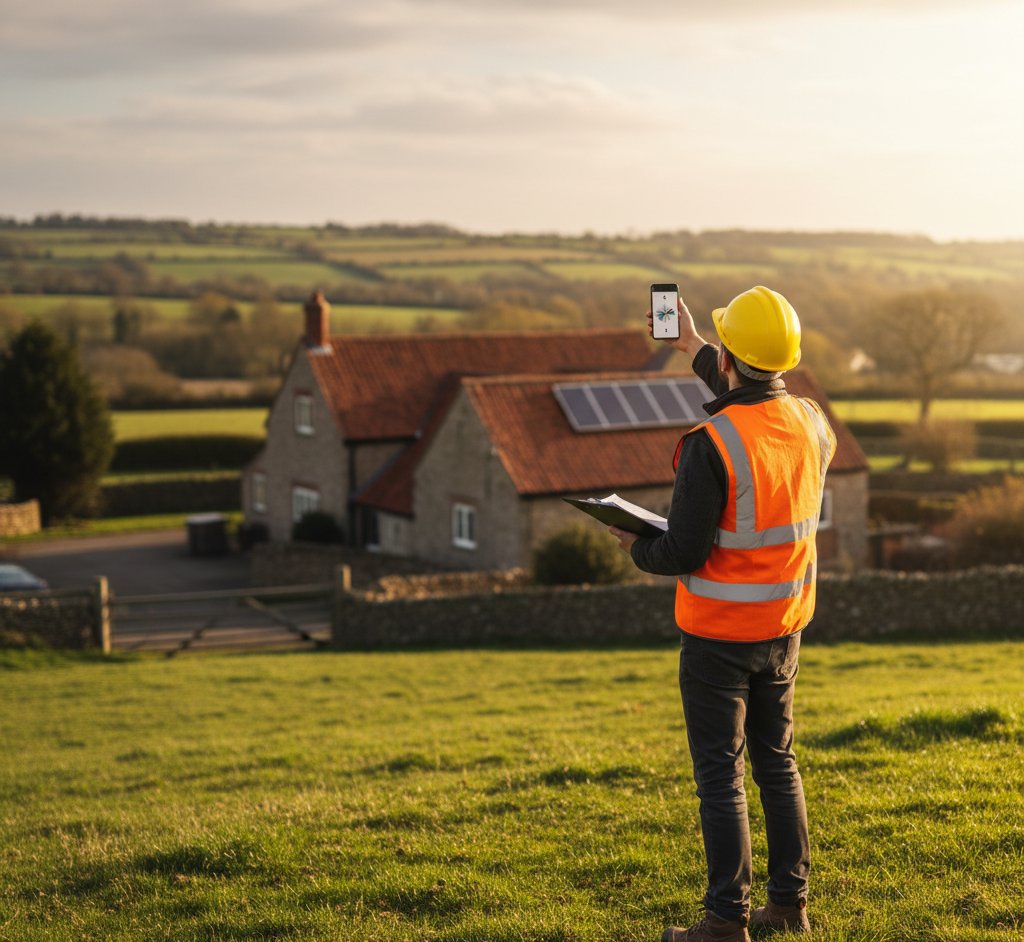
Is My Roof Suitable for Solar Panels?
Find out if your roof can take solar panels — covering direction, angle, shading, structural condition, and options for tricky roofs.
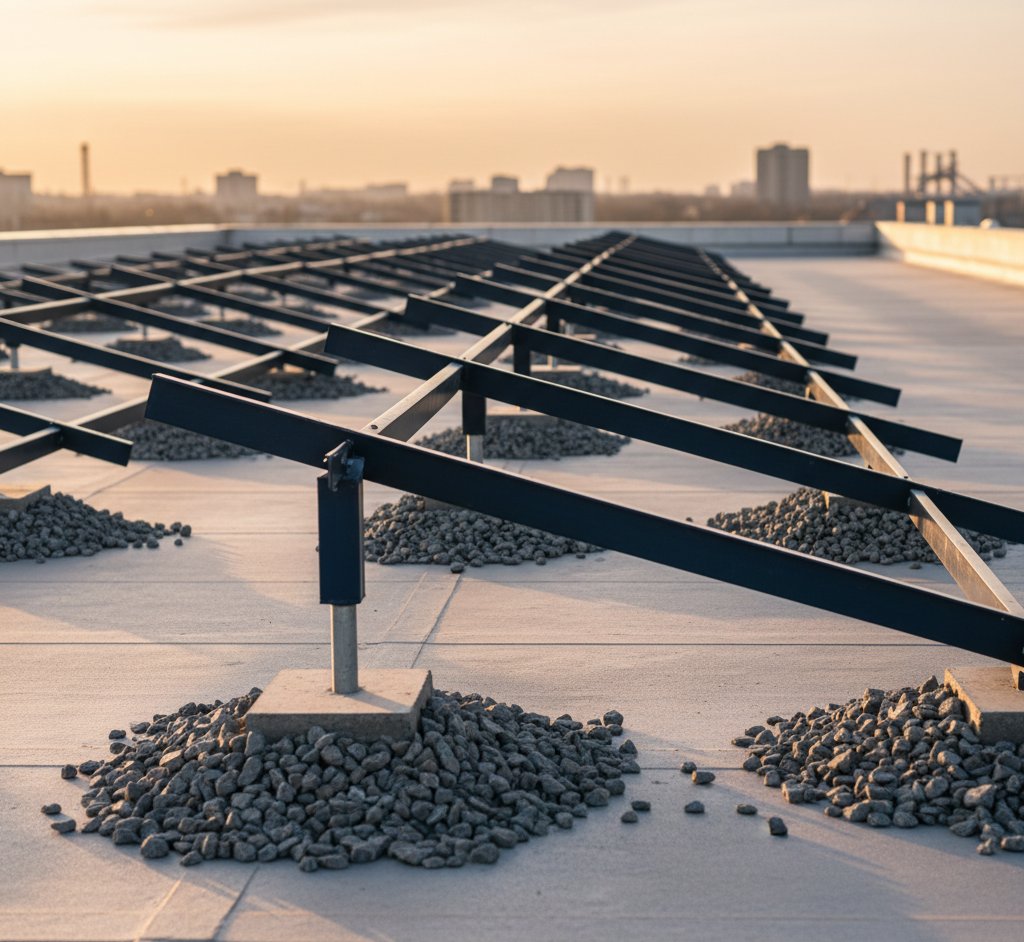
Solar Panels on a Flat Roof: Mounting, Costs and Planning
Flat roof solar in the UK — ballasted vs frame-mounted systems, optimal tilt angle, planning permission, costs vs pitched roof, and pros and cons.
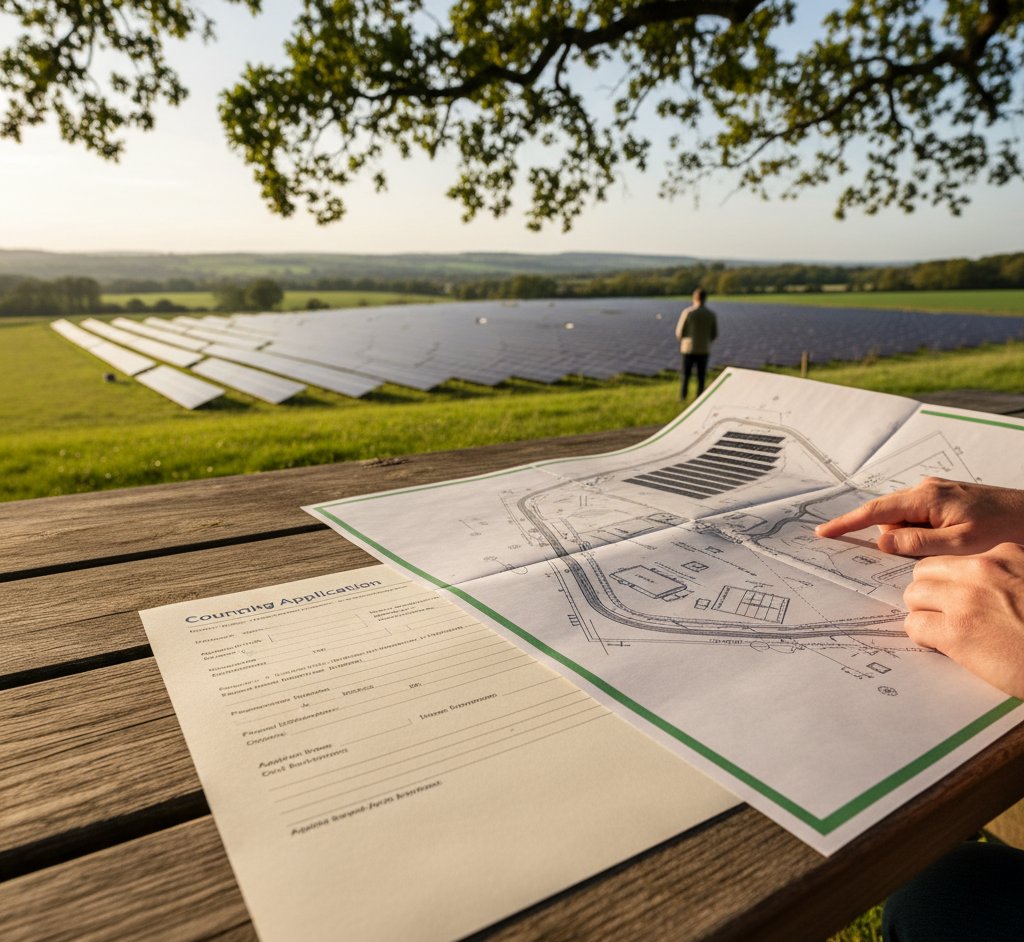
Solar Panel Planning Permission UK: What You Need to Know
Do you need planning permission for solar panels in the UK? Clear guide to permitted development rules, when you need to apply, and what happens in special areas.


Switch to Octopus Energy
Get 50 credit when you switch. We get 50 too — win-win.
What does this mean for YOUR home?
Design your perfect solar setup in under 3 minutes. Free, no sign-up required.
Build Your Solar System