This page contains affiliate links. If you purchase through them we may earn a small commission at no extra cost to you. Learn more
Battery Cycle Life Explained: How Long Will Your Solar Battery Last?
What is a cycle?
A battery cycle is one complete charge and discharge of the battery's usable capacity. But "complete" doesn't mean you have to go from 0% to 100% and back every time.
Cycles are counted cumulatively. If you discharge 50% of your battery today and recharge it, then discharge 50% tomorrow and recharge it, that counts as one full cycle (two half-cycles).
This is important because most home solar batteries don't fully cycle every day. On a typical UK day, you might:
- Charge the battery to 90% during daylight hours
- Discharge to 30% through the evening
- That's a 60% cycle, or 0.6 of a full cycle
At 0.6 cycles per day, you'd accumulate roughly 220 full cycles per year. A battery rated for 6,000 cycles would therefore last about 27 years of daily use — far beyond any warranty period.
Cycle life ratings for common batteries
| Battery | Chemistry | Cycle rating | To capacity |
|---|---|---|---|
| Tesla Powerwall 3 | LFP | 5,000+ | 80% |
| GivEnergy All-in-One | LFP | 6,000 | 80% |
| Fogstar Drift (EVE cells) | LFP | 6,000 | 80% |
| EcoWorthy 5.12kWh | LFP | 4,000 | 80% |
| EcoFlow Delta Pro | LFP | 3,500 | 80% |
| Older NMC batteries | NMC | 3,000–4,000 | 70% |
The "to 80% capacity" qualifier is critical. A 5kWh battery rated for 6,000 cycles to 80% will still deliver 4kWh after 6,000 cycles. It hasn't failed — it's just a bit smaller. Many batteries continue to be useful well beyond their rated cycle life, just with gradually diminishing capacity.
What affects cycle life?
Depth of discharge (DoD)
Shallower cycles extend battery life. A battery cycled between 20% and 80% SoC (60% DoD) will last significantly longer than one cycled between 0% and 100% (100% DoD).
Most LiFePO4 cycle ratings assume 80–90% DoD. If you configure your system to limit DoD to 70%, you'll likely exceed the rated cycle count by a significant margin.
Practical advice: set your inverter's minimum SoC to 10–20% rather than letting the battery fully deplete. The BMS will enforce its own cutoff, but the inverter stopping discharge earlier reduces stress on the cells.
Temperature
Temperature is the silent battery killer. LiFePO4 is more temperature-tolerant than NMC chemistry, but heat still accelerates degradation.
| Temperature range | Effect on cycle life |
|---|---|
| 15–25°C | Optimal — rated cycle life achievable |
| 25–35°C | Slight reduction (10–20% fewer cycles) |
| 35–45°C | Significant reduction (20–40% fewer cycles) |
| Below 0°C | Charging must be prevented (cell damage); discharging is OK |
For UK installations, temperature is rarely a problem. Garages and utility rooms typically stay within 5–25°C year-round. If your battery is in a south-facing conservatory or above a boiler, consider relocating it.
Read more about thermal safety.
Charge and discharge rate
The rate at which you charge and discharge affects cycle life. This is measured in "C-rate" — 1C means charging/discharging at the full rated capacity in one hour (e.g., 100A for a 100Ah battery).
Most home solar systems charge at 0.2–0.5C and discharge at 0.3–0.5C, which is well within the comfort zone of any LiFePO4 battery. You're very unlikely to stress your cells with normal home use.
The exception is if you're running high-draw appliances (EV charger, heat pump, electric shower) directly from the battery at near its maximum rated current for extended periods. This is unusual in a grid-tied system but worth noting.
Calendar ageing
Even if you never use it, a lithium battery gradually degrades through chemical processes. This "calendar ageing" is much slower for LiFePO4 than NMC — roughly 1–2% capacity loss per year at room temperature, regardless of cycling.
A battery stored unused for 5 years would still have 90–95% of its original capacity. In practice, calendar ageing is a minor factor because your solar battery will be cycling daily.
Realistic lifespan expectations
For a typical UK home solar battery system installed in 2026:
LiFePO4 battery (Fogstar Drift, GivEnergy, Tesla PW3):
- Daily cycling at 60–80% DoD
- ~200–280 full equivalent cycles per year
- 6,000 cycles / 250 cycles per year = 24 years to reach 80% capacity
- Warranty typically 10 years — you'll hit the warranty before the cycle limit
- Realistic useful life: 15–20+ years (the battery will outlast the inverter)
Budget LiFePO4 (EcoWorthy):
- Same daily cycling assumptions
- 4,000 cycles / 250 cycles per year = 16 years to reach 80% capacity
- 5-year warranty — still well within cycle limits
- Realistic useful life: 10–15 years
Portable power stations (EcoFlow Delta Pro):
- 3,500 cycles — similar maths
- More likely to be limited by electronics failure than cell degradation
- Realistic useful life: 8–12 years
Your inverter will probably fail first
Hybrid inverters have a typical lifespan of 10–15 years. Most battery cells will outlast the inverter they're connected to. When planning long-term costs, factor in an inverter replacement at the 12–15 year mark — but your battery modules should carry on into the second inverter's life.
What happens after 80% capacity?
Nothing dramatic. The battery continues working; it just holds less energy. A 5kWh battery at 80% original capacity is a 4kWh battery. It still charges, discharges, and communicates normally.
Most homeowners won't notice the degradation because it happens gradually over many years. You might notice that the battery "doesn't last as long" in the evening, but the difference between year 1 and year 5 is typically only 5–10%.
There's no cliff edge. LiFePO4 degradation is remarkably linear. After 80%, the curve continues at a similar rate — 80% at 6,000 cycles might be 70% at 8,000–9,000 cycles.
Monitoring degradation
Most modern BMS and inverter systems track battery health metrics:
- State of Health (SoH) — reported as a percentage of original capacity
- Total cycle count — cumulative full equivalent cycles
- Cell voltage spread — increasing spread suggests uneven degradation (more on cell balancing)
Check these metrics once a month if your system makes them easily accessible. The Fogstar Drift (via Seplos BMS app) and GivEnergy (via the GivEnergy portal) both provide this data. A sudden drop in SoH — say 5% in a month — indicates a cell problem rather than normal ageing.
The bottom line
Battery cycle life is one of the strongest arguments for LiFePO4 chemistry. At 6,000 cycles, a quality LFP battery installed today will likely still be working in 2040. The technology has matured to the point where cycle life is no longer a practical concern for most UK homeowners — the battery will outlast your warranty, your inverter, and possibly your interest in monitoring it.
Focus on buying quality cells (Fogstar or equivalent), maintaining reasonable temperature conditions, and avoiding unnecessary full discharges. The battery will take care of the rest.
Here's a battery with an industry-leading 6,000-cycle rating and 10-year warranty:
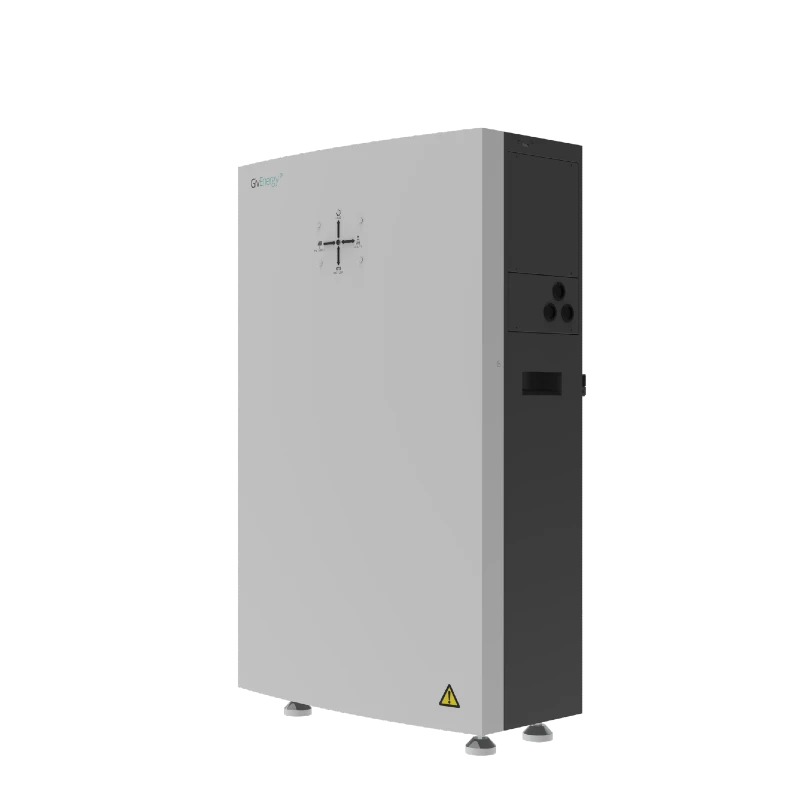
GivEnergy All-in-One 9.5kWh Battery
£5,5009.5
8.6
LFP
6000
Affiliate link — we may earn a small commission at no extra cost to you
For the longest-lasting professional install solution with excellent cycle life credentials:
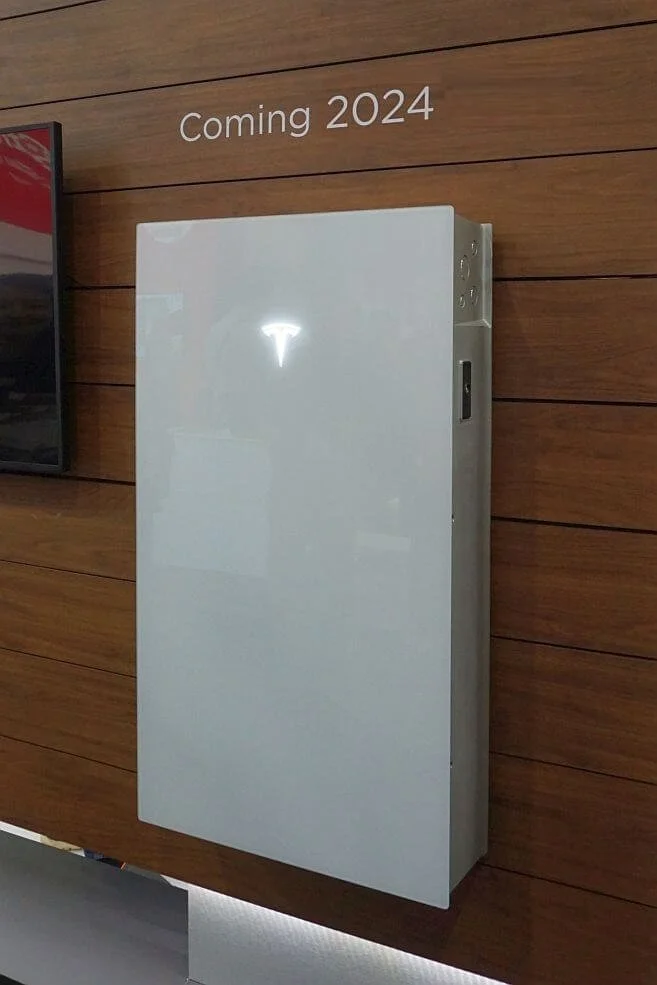
Tesla Powerwall 3
£8,50013.5
13.5
LFP
4000
Affiliate link — we may earn a small commission at no extra cost to you
Share this article

OVO has carefully selected trusted teams across the UK to install solar panels and heat pumps. Enjoy the personal touch of a local expert with the peace of mind of a household name.
Affiliate link — we may earn a small commission at no extra cost to you
Stay informed
Get free solar updates direct to your inbox
Related reading
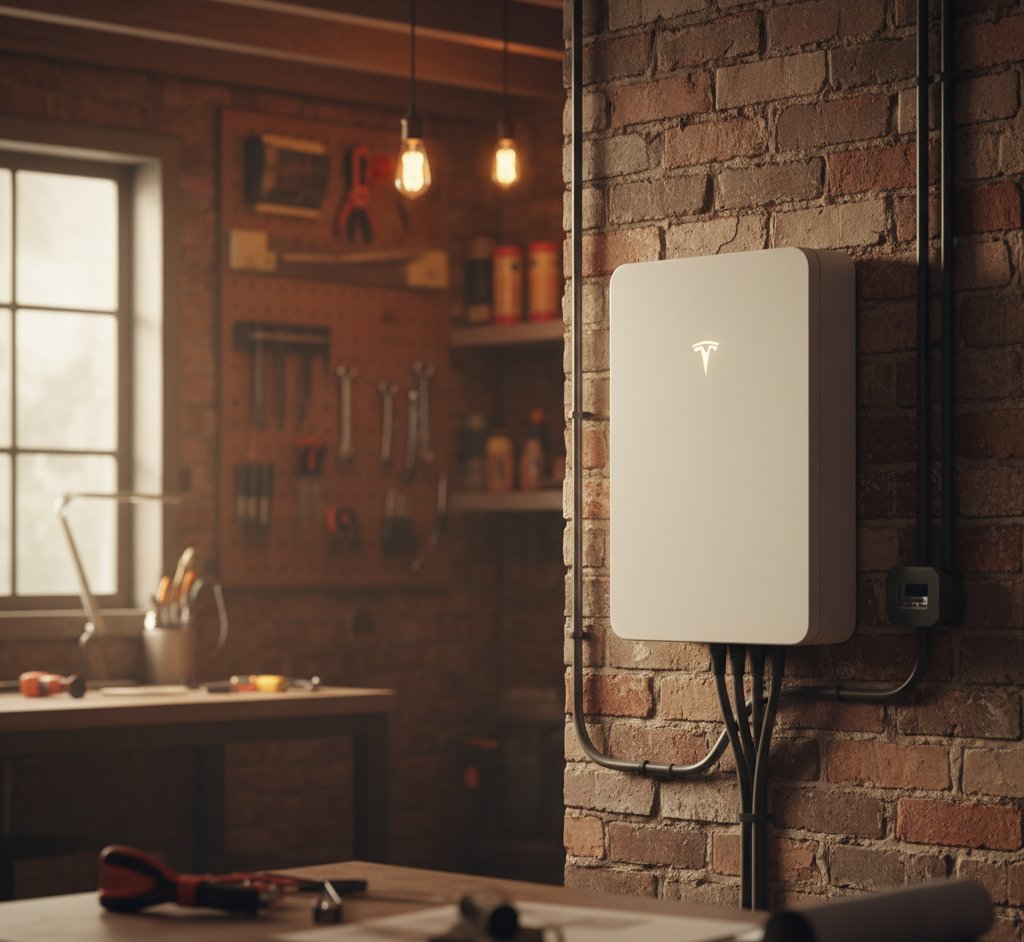
Solar Battery Storage: Complete UK Guide 2026
Everything you need to know about adding battery storage to a UK solar installation — types, sizing, costs, and which products are worth considering in 2026.
Battery Cell Balancing Explained: Why It Matters for DIY Solar
What battery cell balancing is, why it matters for LiFePO4 solar batteries, and the difference between active and passive balancing in DIY builds.
How Long Do Solar Panels Last? The Honest Answer
Solar panels are rated for 25–30 years, but what does that actually mean? Degradation rates, warranty types, what happens after 25 years, and why inverters are the weak link.


Switch to Octopus Energy
Get 50 credit when you switch. We get 50 too — win-win.
What does this mean for YOUR home?
Design your perfect solar setup in under 3 minutes. Free, no sign-up required.
Build Your Solar System