This page contains affiliate links. If you purchase through them we may earn a small commission at no extra cost to you. Learn more
Battery Thermal Safety: Preventing Fires in DIY Solar Storage

How safe is LiFePO4?
LiFePO4 (lithium iron phosphate) is the safest lithium battery chemistry available for home energy storage. That's not marketing — it's electrochemistry:
- Thermal runaway onset: ~270°C for LFP vs ~150°C for NMC (nickel manganese cobalt)
- Thermal runaway behaviour: LFP cells vent gas slowly rather than combusting violently
- No oxygen release: The iron phosphate cathode doesn't release oxygen during decomposition, unlike NMC
- Self-heating rate: Much lower than NMC at equivalent temperatures
This is why every reputable home battery manufacturer in 2026 uses LFP. Tesla switched the Powerwall to LFP. GivEnergy uses LFP. The entire DIY community builds with LFP. The era of NMC home batteries is effectively over.
But "safer" is a relative term. A LiFePO4 battery that's improperly wired, lacks fuse protection, or suffers physical damage can still cause a fire. The chemistry buys you a much larger safety margin, but it doesn't eliminate the need for proper installation practices.
The real risks in DIY builds
Based on incident reports and fire investigation data, the primary thermal risks in UK DIY battery installations are:
1. Loose connections (the #1 cause)
A loose bus bar connection or crimp terminal creates resistance. Resistance generates heat. Heat increases resistance further. This positive feedback loop can escalate from warm to melting to fire in hours.
Prevention:
- Torque all bus bar connections to manufacturer specifications (typically 10–15 Nm)
- Use a torque wrench, not guesswork
- Re-check connections after the first week and then annually
- Use properly rated battery terminals — not automotive crimp connectors
2. Undersized cables
DC cables carry high currents. A 48V system delivering 3kW is carrying over 60A. Cables rated for 30A will overheat.
| System power | Current at 48V | Minimum cable size |
|---|---|---|
| 2.4kW | 50A | 10mm² |
| 3.6kW | 75A | 16mm² |
| 5kW | 104A | 25mm² |
Always size cables for the maximum current the BMS will allow, not your expected typical load. More on wiring standards.
3. Missing or incorrect fuse protection
Every battery circuit must have fuse protection close to the battery terminals. Without a fuse, a short circuit will push hundreds of amps through the cable until something melts or catches fire.
A fully charged 16S LiFePO4 pack can deliver thousands of amps into a dead short. The energy released is comparable to arc welding. A properly rated DC fuse (Class T or NH style) will interrupt this within milliseconds.
4. Physical damage to cells
Punctured, crushed, or swollen cells are a fire risk regardless of chemistry. If a cell is physically damaged, remove it from service immediately.
In DIY builds, cells are most at risk during assembly and transport. Handle prismatic cells carefully — they're heavy and the terminals are relatively fragile.
5. Charging below 0°C
Charging LiFePO4 cells below freezing causes lithium plating on the anode. This creates internal short circuits that can lead to thermal events — potentially days or weeks after the charging event.
Your BMS should prevent this, but verify the low-temperature charge cutoff is configured correctly (0°C minimum, 5°C for extra safety margin). This is particularly relevant for batteries in unheated UK garages during winter cold snaps.
Never bypass BMS temperature protection
If your BMS repeatedly prevents charging on cold mornings, the answer is NOT to disable the temperature cutoff. Instead, consider a small heater in the battery enclosure, battery insulation, or moving the battery to a warmer location. Charging below 0°C causes invisible internal damage that accumulates and can eventually cause a thermal event.
Ventilation requirements
LiFePO4 cells vent hydrogen gas if severely overcharged or damaged. While LFP venting is much less dramatic than NMC, the gas is still flammable.
Battery enclosures should not be airtight. Provide ventilation openings at the top of the enclosure to allow any vented gas to dissipate. If the battery is in a closed cupboard or small room, ensure there's airflow to the exterior.
The UK Building Regulations (Approved Document J) and manufacturer guidelines generally recommend:
- Minimum 100cm² of ventilation per 10kWh of battery capacity
- Ventilation at high level (gas is lighter than air)
- No ignition sources near ventilation outlets
- Batteries should not be installed in bedrooms, living rooms, or escape routes
Read our enclosure guide for detailed ventilation design.
Fire detection and suppression
Smoke and heat detection
At minimum, install a smoke detector in the same room as the battery. A heat detector is a useful addition — it responds faster to the radiant heat from a battery fire than a smoke detector, which may lag until visible smoke is produced.
For serious installations, a linked smoke/heat detector that's part of your home's alarm system provides early warning even if you're asleep.
Suppression
Home fire suppression for lithium batteries is limited. Water is actually effective on LFP fires (unlike some other lithium chemistries), but a garden hose won't stop a runaway pack. Class D fire extinguishers are designed for metal fires but are expensive and rarely needed for LFP.
The most practical approach: early detection and evacuation. If a battery fire starts, get everyone out and call 999. Don't try to fight it — tell the fire service it's a lithium battery fire so they can bring appropriate equipment.
Tell your fire service
Some UK fire brigades now maintain records of homes with lithium battery storage. Consider notifying your local fire station that you have battery storage installed — particularly if it's a large DIY system. This helps them respond appropriately in an emergency. It's not a legal requirement, but it's responsible practice.
Safe installation practices
Location
- Garage or utility room — the ideal locations. Cool, ventilated, away from living spaces
- Not in bedrooms, hallways, or above escape routes — if a battery fire blocks your exit, the consequences are severe
- Not next to a boiler or hot water cylinder — heat accelerates degradation and increases risk
- On a non-combustible surface — concrete floor, metal shelf, or fire-rated board. Not directly on a wooden floor or shelf
Spacing
- Maintain 100mm clearance around the battery enclosure for airflow
- Don't stack combustible materials next to or on top of the battery
- Keep cables routed away from heat sources
Documentation
Keep a record of:
- Battery specifications and datasheets
- Wiring diagram showing fuse ratings and cable sizes
- BMS configuration settings
- Date of installation and any modifications
- Photos of the completed installation
This documentation is valuable for insurance purposes, for any electrician who works on the system later, and for fire investigators if the worst happens.
What UK regulations apply?
There's no single "DIY battery regulation" in the UK, but several standards are relevant:
- BS 7671 (IET Wiring Regulations) — applies to the fixed electrical installation
- Building Regulations Part P — notifiable electrical work
- Building Regulations Part B (Fire Safety) — fire resistance and escape route requirements
- G98/G99 — grid connection standards (via your DNO)
- Manufacturer's installation guidelines — specific to your battery and inverter
For professionally installed systems, MCS requirements add another layer of compliance. For DIY builds, you're responsible for meeting the relevant standards — which is another reason to involve a qualified electrician for the grid connection.
The honest picture
LiFePO4 batteries are genuinely safe when properly installed. The UK DIY solar community has thousands of successfully operating self-built battery systems. Fires are rare, and almost every reported incident traces back to a specific installation error — loose connections, missing fuses, or damaged cells.
The chemistry gives you a comfortable safety margin. Your job is not to squander that margin through careless installation. Proper wiring, appropriate fusing, a ventilated enclosure, and smoke detection are not expensive. They're the difference between a safe system and an insurance claim.
For a pre-built battery system with integrated thermal management and BMS protection, this is the safest professional install option:
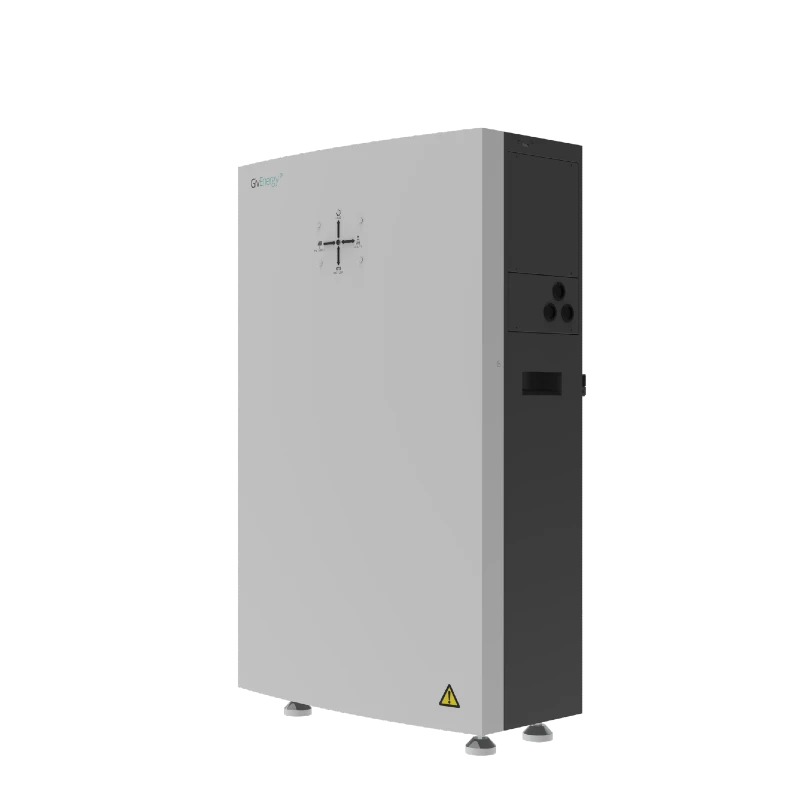
GivEnergy All-in-One 9.5kWh Battery
£5,5009.5
8.6
LFP
6000
Affiliate link — we may earn a small commission at no extra cost to you
If you're going the DIY route, the Fogstar Seplos kit includes a quality BMS with comprehensive thermal protection:
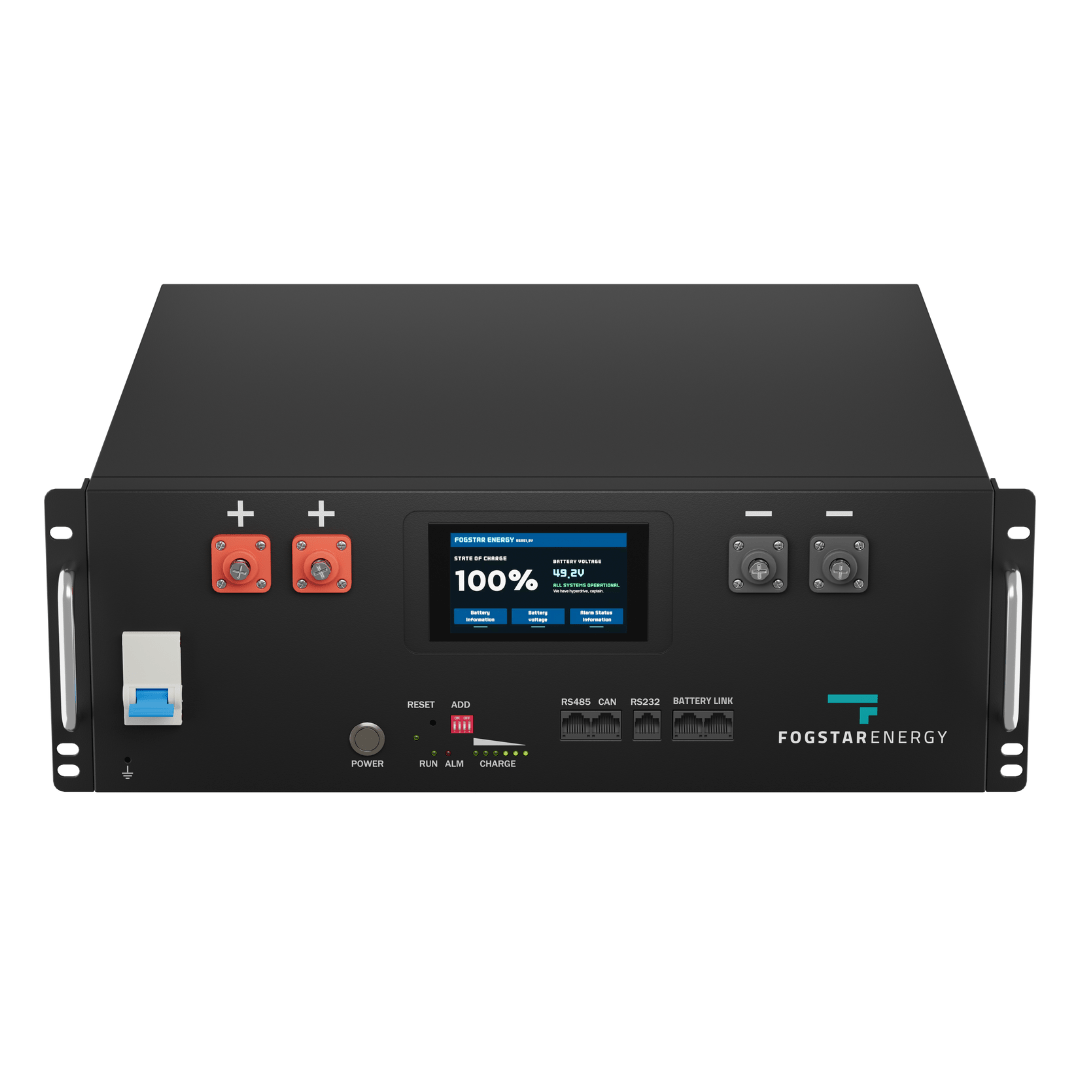
Fogstar Drift 5.12kWh LiFePO4 Battery
£1,5005.12
5
LFP
6000
Affiliate link — we may earn a small commission at no extra cost to you
Continue to our wiring and fusing guide for specific cable sizing, fuse selection, and circuit design.
Share this article

OVO has carefully selected trusted teams across the UK to install solar panels and heat pumps. Enjoy the personal touch of a local expert with the peace of mind of a household name.
Affiliate link — we may earn a small commission at no extra cost to you
Stay informed
Get free solar updates direct to your inbox
Related reading
DIY Battery Storage in the UK: Complete Beginner's Guide
A practical guide to building your own DIY solar battery storage system in the UK — costs, legality, components, and whether it's actually worth it in 2026.
DIY Battery Enclosures: Housing Your Solar Battery Safely
How to build or choose a battery enclosure for DIY LiFePO4 solar storage in the UK — ventilation, fire ratings, materials, and placement guidance.
DIY Battery Insurance: Will Your Home Insurance Cover It?
What UK home insurance companies think about DIY solar battery installations — coverage, disclosure requirements, and how to protect yourself.


Switch to Octopus Energy
Get 50 credit when you switch. We get 50 too — win-win.
What does this mean for YOUR home?
Design your perfect solar setup in under 3 minutes. Free, no sign-up required.
Build Your Solar System