This page contains affiliate links. If you purchase through them we may earn a small commission at no extra cost to you. Learn more
Battery State of Health (SOH): Monitoring Degradation
What is State of Health?
State of Health (SOH) is a percentage representing your battery's current maximum capacity compared to its original capacity. A new battery starts at 100% SOH. Over time, chemical processes within the cells gradually reduce the amount of energy the battery can store.
A 10kWh battery at 85% SOH can effectively store 8.5kWh. It still functions perfectly — it just holds less energy per charge cycle.
SOH is different from State of Charge (SOC), which shows how full the battery is right now. SOC fluctuates constantly as the battery charges and discharges. SOH changes slowly over months and years.
What's normal?
For modern lithium iron phosphate (LFP) batteries commonly used in UK home storage:
- Year 1: 98–100% SOH (minimal degradation)
- Year 3: 95–98% SOH
- Year 5: 90–95% SOH
- Year 10: 80–90% SOH
- Year 15: 70–85% SOH
These ranges assume normal residential use (one cycle per day, moderate temperatures, reasonable depth of discharge). Aggressive use (multiple full cycles daily, temperature extremes) accelerates degradation.
Most manufacturers warrant 60–70% SOH at 10 years. If your battery drops below the warranted SOH within the warranty period, you have a warranty claim.
What causes degradation
Calendar ageing
Batteries degrade simply with time, regardless of use. Chemical reactions within the cells slowly reduce capacity. You can't prevent this — it's inherent to the chemistry.
Cycle ageing
Every charge-discharge cycle causes incremental capacity loss. The depth of each cycle matters:
- Shallow cycles (20–80% SOC range): minimal degradation per cycle
- Deep cycles (0–100% SOC range): more degradation per cycle
This is why many inverters default to keeping 5–10% reserve and not charging beyond 95–98%.
Temperature
Battery degradation accelerates at high temperatures. Every 10°C above 25°C roughly doubles the degradation rate. This is why battery placement matters — avoid south-facing walls in direct sunlight, unventilated cupboards, or rooms that overheat in summer.
Cold temperatures (below 5°C) don't cause permanent damage to LFP batteries, but they temporarily reduce performance and charging speed. Repeated charging in very cold conditions can cause some degradation in certain chemistries.
High state of charge
Keeping a battery at 100% SOC for extended periods accelerates degradation. This is why some systems limit the maximum charge level to 95% unless you specifically override it.
High charge/discharge rates
Consistently charging or discharging at the maximum rate generates more internal heat and stress, accelerating degradation slightly. Normal residential use rarely pushes these limits.
The 20–80% sweet spot
If you want to maximise battery lifespan, keeping the SOC between 20% and 80% for everyday use is ideal. Many inverters allow you to set min/max SOC limits. However, the financial value of using the full battery range (more self-consumption, better arbitrage) usually outweighs the marginal lifespan benefit of restricting the range. Don't obsess over this — use your battery, that's what it's for.
How to check SOH
Through your inverter app
Most hybrid inverter monitoring platforms display battery SOH:
- GivEnergy: Visible in the portal under battery details
- Sunsynk: Available in the SunSynk Connect app
- Tesla Powerwall: Shown in the Tesla app
- Fox ESS: Available in Fox Cloud monitoring
- Solis: Accessible through SolisCloud
Check SOH quarterly and note the reading. A spreadsheet tracking SOH over time helps you spot abnormal degradation early.
Through the BMS
The Battery Management System (BMS) in your battery monitors individual cell voltages, temperatures, and overall health. Some BMS units provide more detailed SOH data than the inverter app, though accessing it may require specialist tools.
Through third-party monitoring
Home Assistant users can pull battery SOH data via inverter integrations and track it automatically with graphs and alerts.
SOH readings aren't always accurate
SOH is calculated by the BMS based on charge/discharge data and internal models. It's an estimate, not a precise measurement. Short-term fluctuations of 1–2% are normal and don't indicate real degradation. Focus on the long-term trend rather than individual readings. If SOH jumps up or down by 5% suddenly, it's likely a recalibration, not a real change.
When to worry
Normal (no action needed)
- SOH declining 1–3% per year in early years, slowing over time
- Occasional small fluctuations in reported SOH
- SOH above manufacturer's warranty curve
Worth investigating
- SOH declining faster than 5% per year consistently
- Individual cell voltage imbalances (visible in detailed BMS data)
- Battery capacity noticeably reduced (you're running out of stored energy earlier in the evening than expected)
Potential warranty claim
- SOH below manufacturer's warranted minimum for the battery's age
- Battery failing to charge or discharge to expected capacity
- BMS errors or faults appearing regularly
Maximising battery longevity
- Keep the battery cool — install in a cool, ventilated location. A garage is typically ideal in the UK.
- Don't leave it at 100% for days — if you're away on holiday, let the system cycle normally rather than capping at 100%.
- Use moderate charge rates — most home systems don't push this limit, but if you're doing aggressive grid charging, consider whether maximum rate is necessary.
- Keep firmware updated — manufacturers often improve BMS algorithms that optimise for longevity.
- Don't stress about it — modern LFP batteries are robust. Normal residential use is well within their design parameters. Use your battery to its full potential rather than babying it into a longer but less useful life.
For a battery with excellent built-in SOH monitoring via the GivEnergy portal:
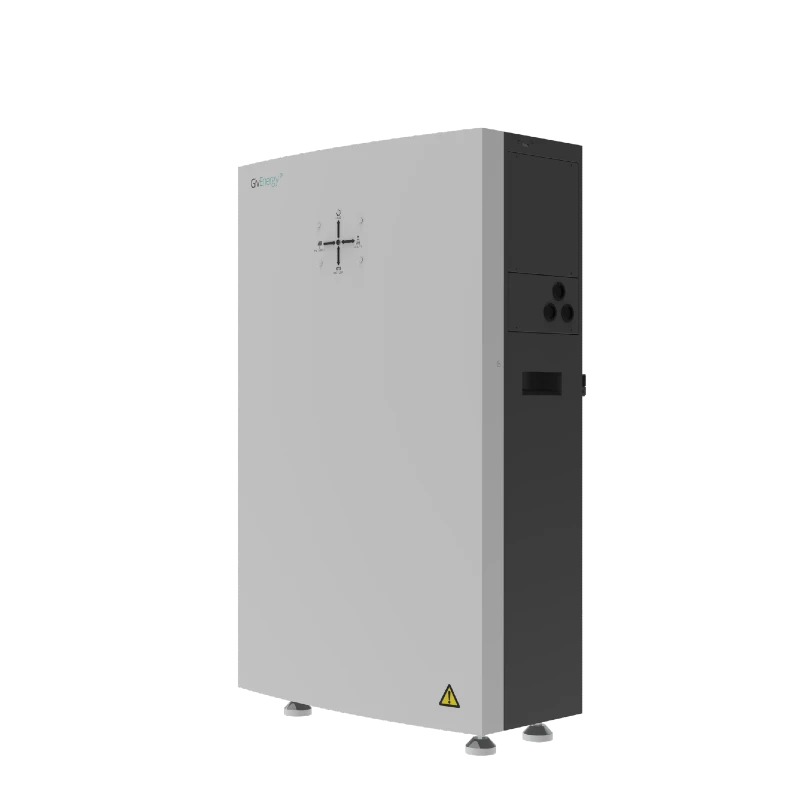
GivEnergy All-in-One 9.5kWh Battery
£5,5009.5
8.6
LFP
6000
Affiliate link — we may earn a small commission at no extra cost to you
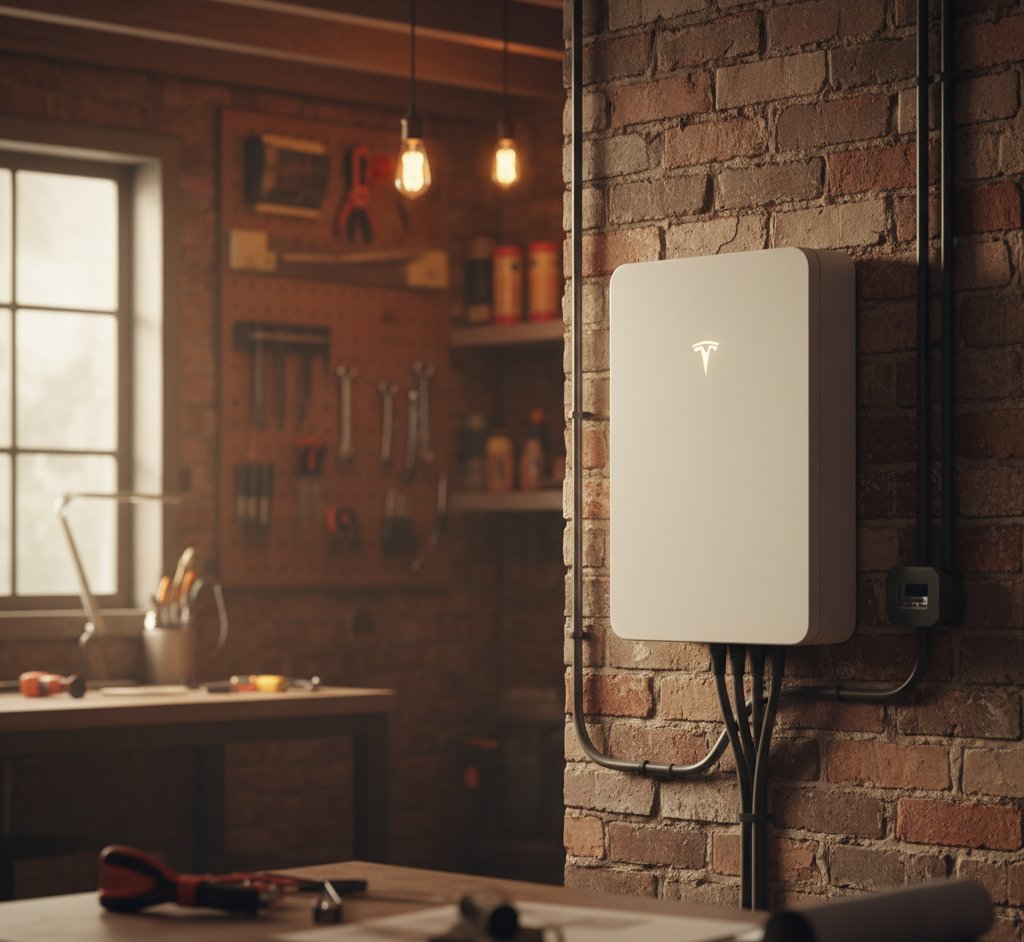
The Tesla Powerwall 3 also provides outstanding health tracking through the Tesla app:
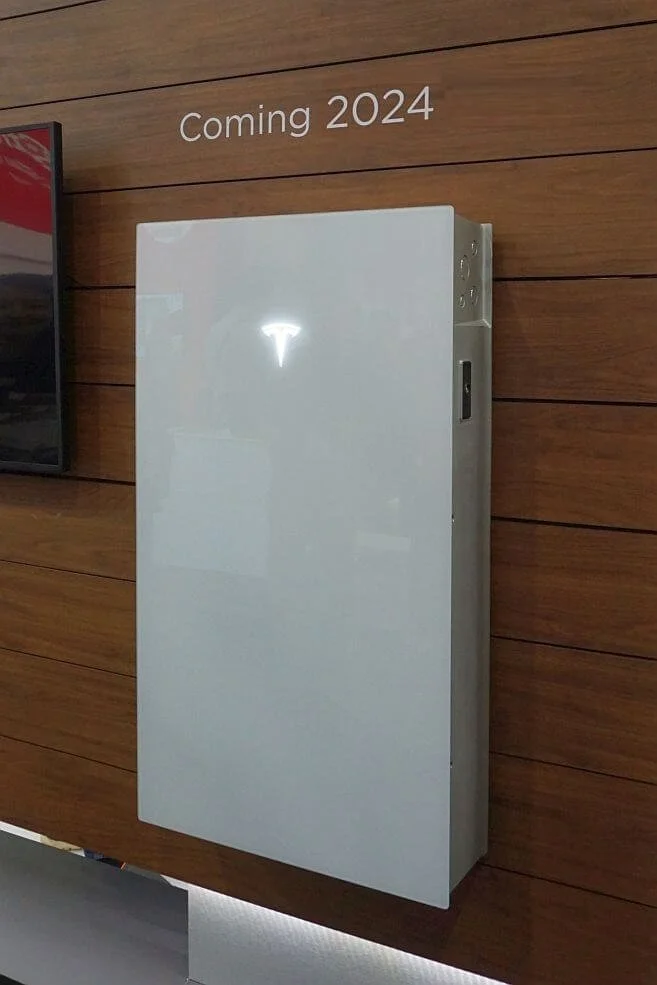
Tesla Powerwall 3
£8,50013.5
13.5
LFP
4000
Affiliate link — we may earn a small commission at no extra cost to you
Share this article

OVO has carefully selected trusted teams across the UK to install solar panels and heat pumps. Enjoy the personal touch of a local expert with the peace of mind of a household name.
Affiliate link — we may earn a small commission at no extra cost to you
Stay informed
Get free solar updates direct to your inbox
Related reading
Solar Battery Storage: Complete UK Guide 2026
Everything you need to know about adding battery storage to a UK solar installation — types, sizing, costs, and which products are worth considering in 2026.
Battery Sizing Sweet Spot: How Big Is Big Enough?
How to choose the right battery size for your UK solar system. The sweet spot between too small, too big, and just right based on your consumption patterns.

Solar Panel Maintenance: What's Actually Needed?
The honest guide to solar panel maintenance in the UK — spoiler: it's less than you think. What you actually need to do, and what you can safely skip.


Switch to Octopus Energy
Get 50 credit when you switch. We get 50 too — win-win.
What does this mean for YOUR home?
Design your perfect solar setup in under 3 minutes. Free, no sign-up required.
Build Your Solar System